How Exterior Trim Completes Your Home’s Curb Appeal

July 29, 2026

When homeowners think about improving their home’s exterior, the roof and siding often receive the most attention. While these are essential components, one important detail is frequently overlooked: exterior trim. The trim surrounding windows, doors, rooflines, corners, and other architectural features provides the finishing touch that ties the entire exterior together.


High-quality exterior trim not only enhances curb appeal but also helps protect your home from the elements while complementing premium roofing and siding materials.
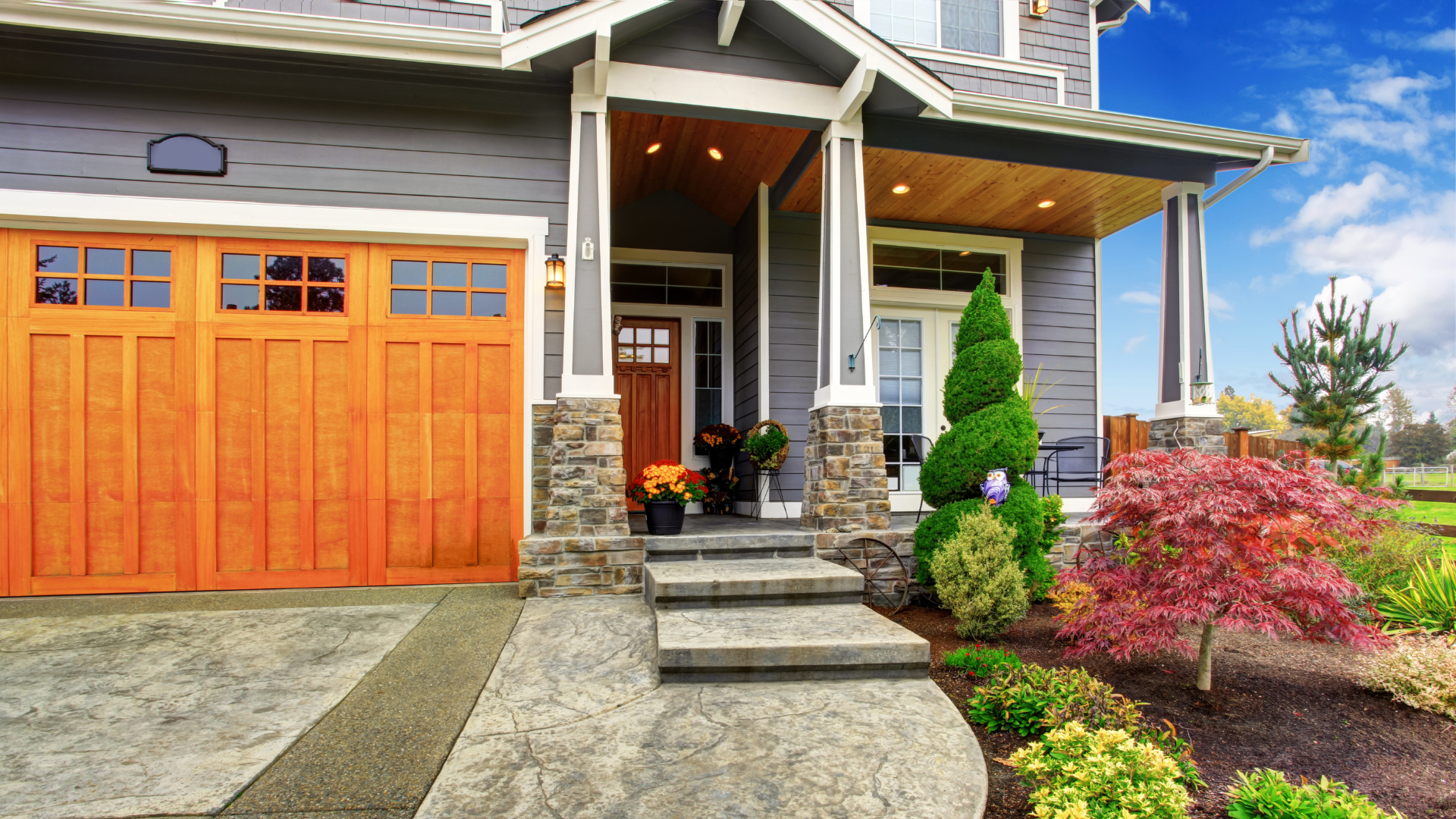
Modern house exterior with orange garage door, stone steps, and landscaped front yard

What Is Curb Appeal?

Curb appeal refers to the overall attractiveness of a home when viewed from the street. It is the first impression your property makes on visitors, neighbors, and prospective buyers. A well-maintained exterior communicates pride of ownership and creates a welcoming appearance long before anyone steps inside.


Several elements contribute to curb appeal, including:

  • Roofing
  • Siding
  • Exterior trim
  • Gutters
  • Windows and doors
  • Landscaping
  • Exterior lighting


When these components work together, they create a cohesive, polished look that can make a home appear newer, cleaner, and more inviting.
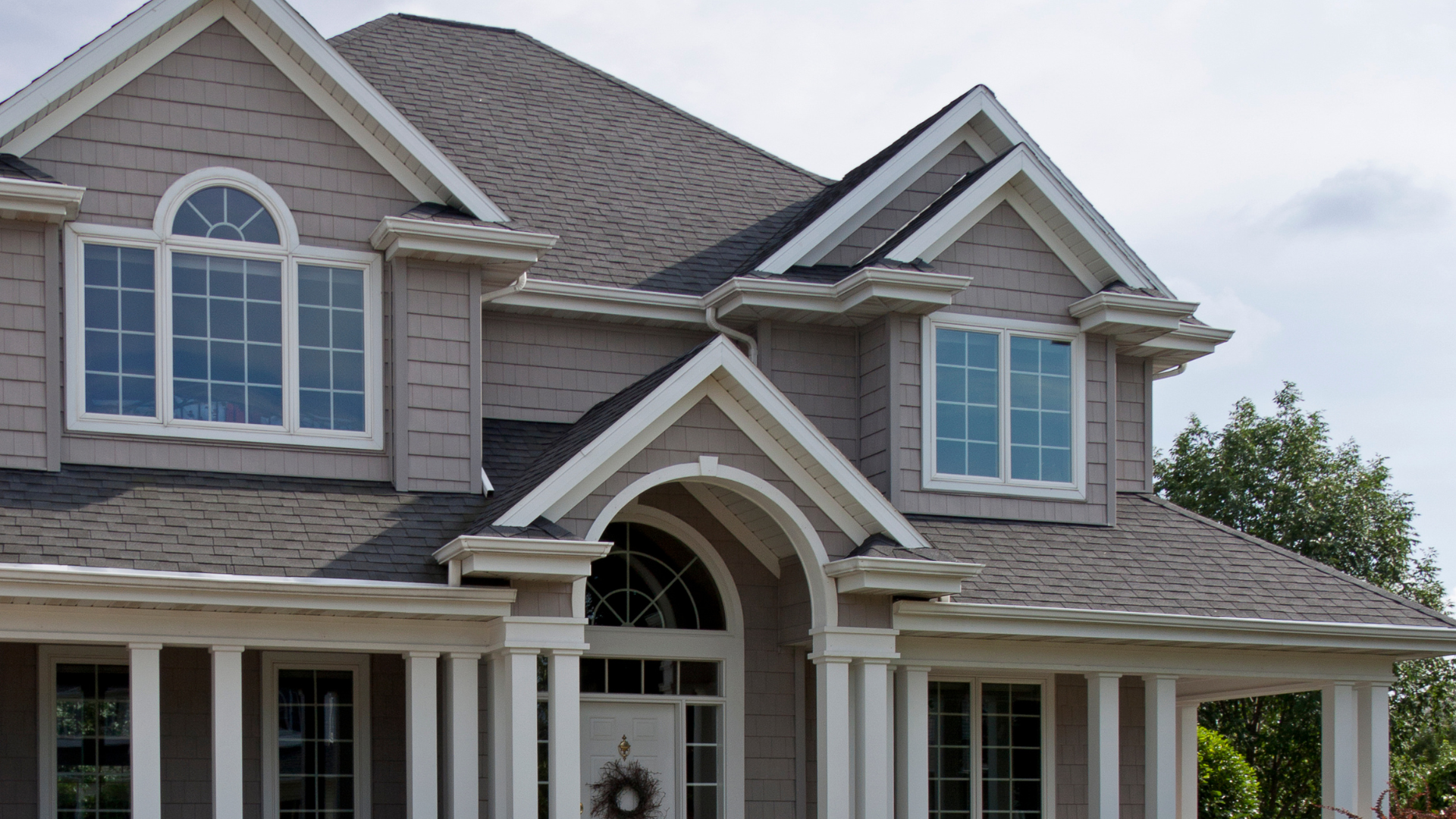
Large gray two-story suburban house with white trim, arched entryway, and front porch

Exterior Trim Defines Architectural Details

Exterior trim serves both decorative and practical purposes.


Window and door trim frame important architectural features, while fascia and rake boards create clean rooflines. Corner boards help define the edges of the home, and decorative accents can add depth and character without overwhelming the overall design.


Without properly designed trim, even beautiful siding or a premium roof may appear unfinished.

Quality trim creates visual contrast, highlights craftsmanship, and gives the home’s exterior a refined appearance.
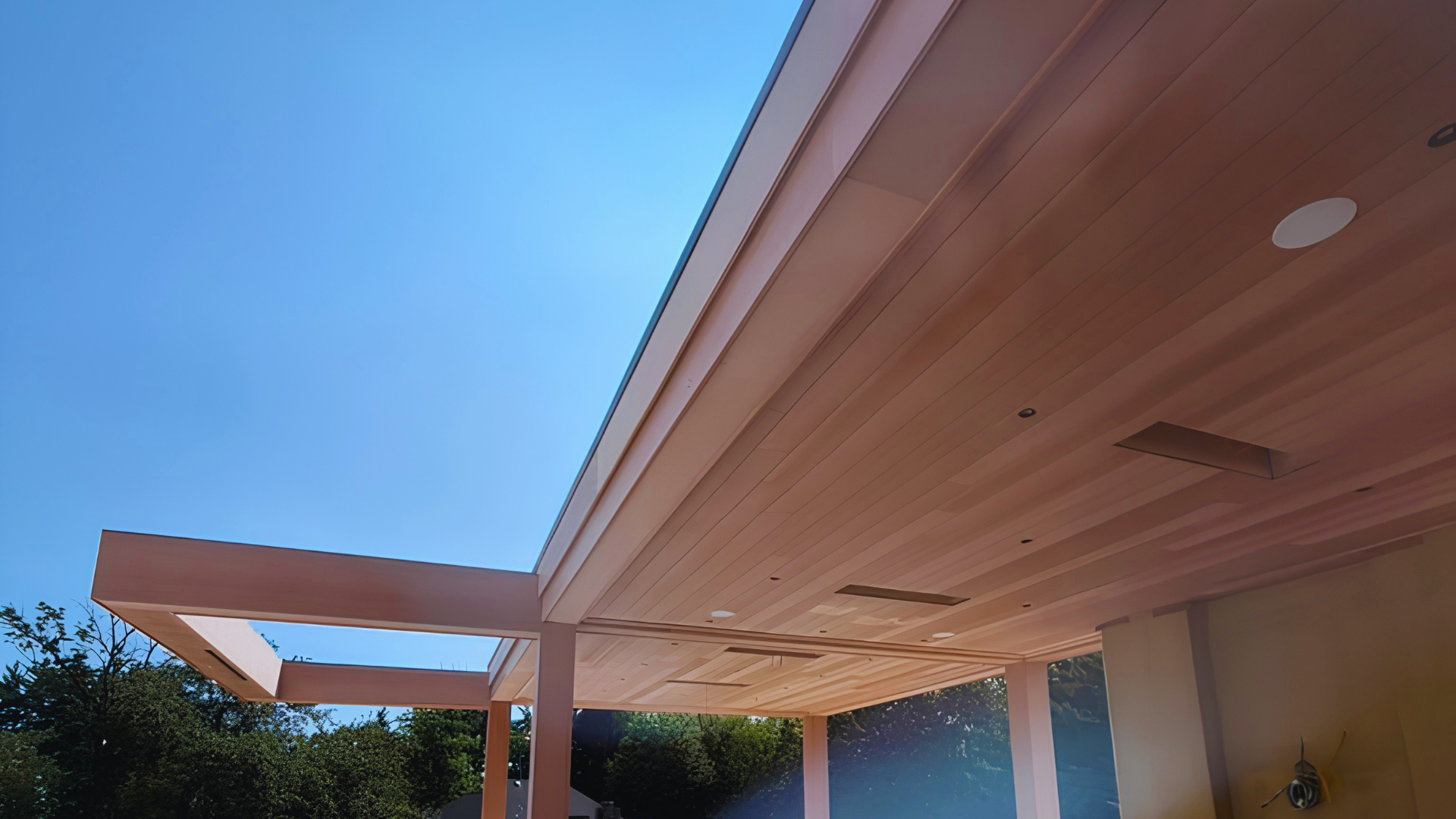
Modern house patio with wooden overhang and blue sky at dusk

High-Quality Materials Make a Noticeable Difference

Not all trim materials offer the same level of durability or long-term performance.


Premium products, such as fiber cement trim from James Hardie, are engineered to withstand moisture, temperature fluctuations, insects, and many of the environmental conditions common throughout New Jersey. These materials are designed to maintain their appearance over time while requiring less maintenance than many traditional wood products.


Investing in high-quality materials can also help preserve the overall appearance of your home by resisting warping, cracking, and premature deterioration that may occur as lower-quality materials age.
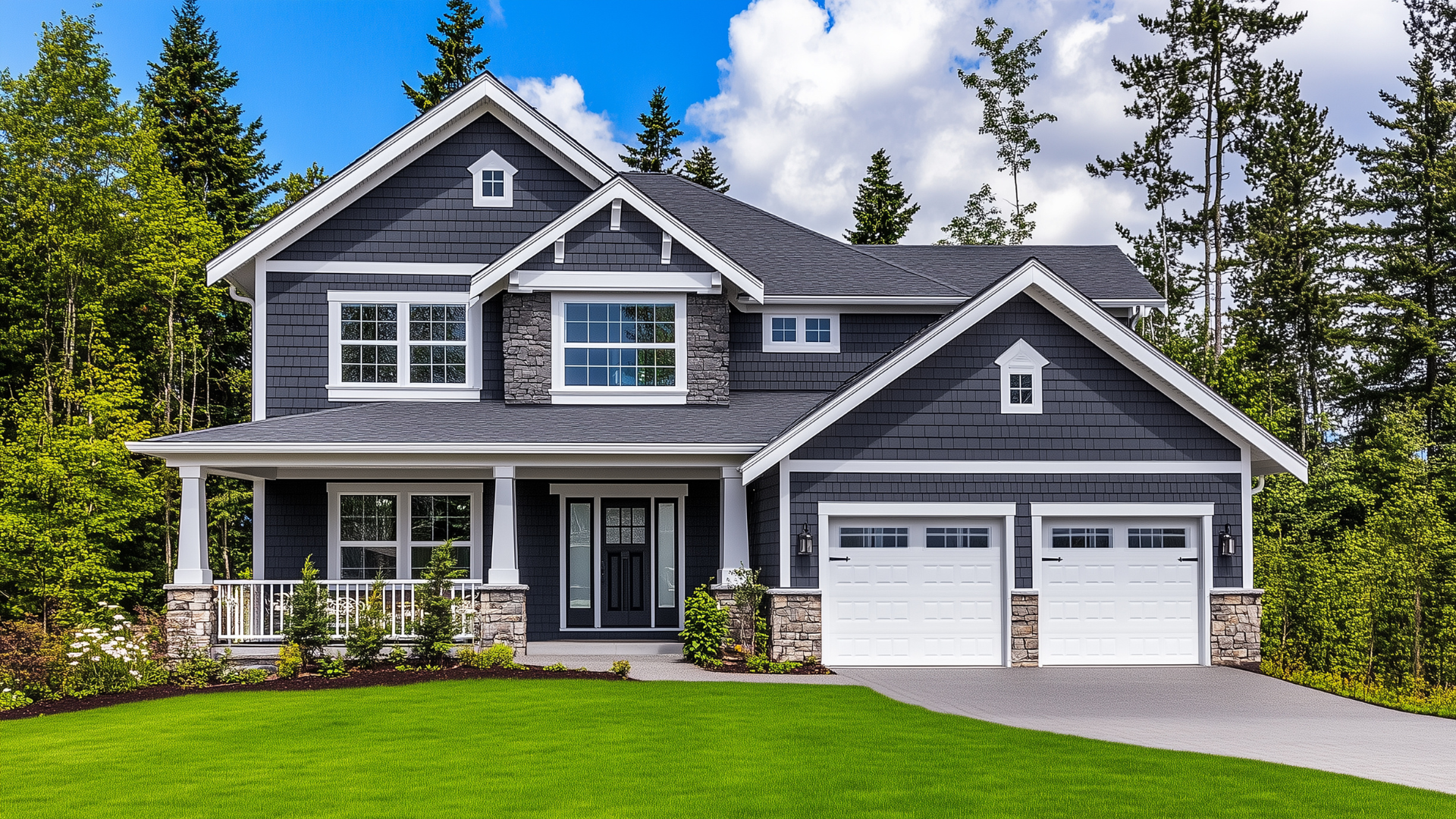
Gray two-story suburban house with white trim, front porch, and double garage, set on a green lawn.

Creating a Cohesive Exterior Design

Exterior remodeling works best when every component complements the others.


A beautiful architectural shingle roof, professionally installed siding, coordinated gutters, and carefully selected trim create a unified appearance that enhances the home’s overall design. Color selection also plays an important role. Contrasting trim can emphasize architectural features, while coordinated colors create a clean, timeless aesthetic.


At Paese Construction, we help homeowners select premium materials that work together to achieve both lasting performance and exceptional curb appeal.
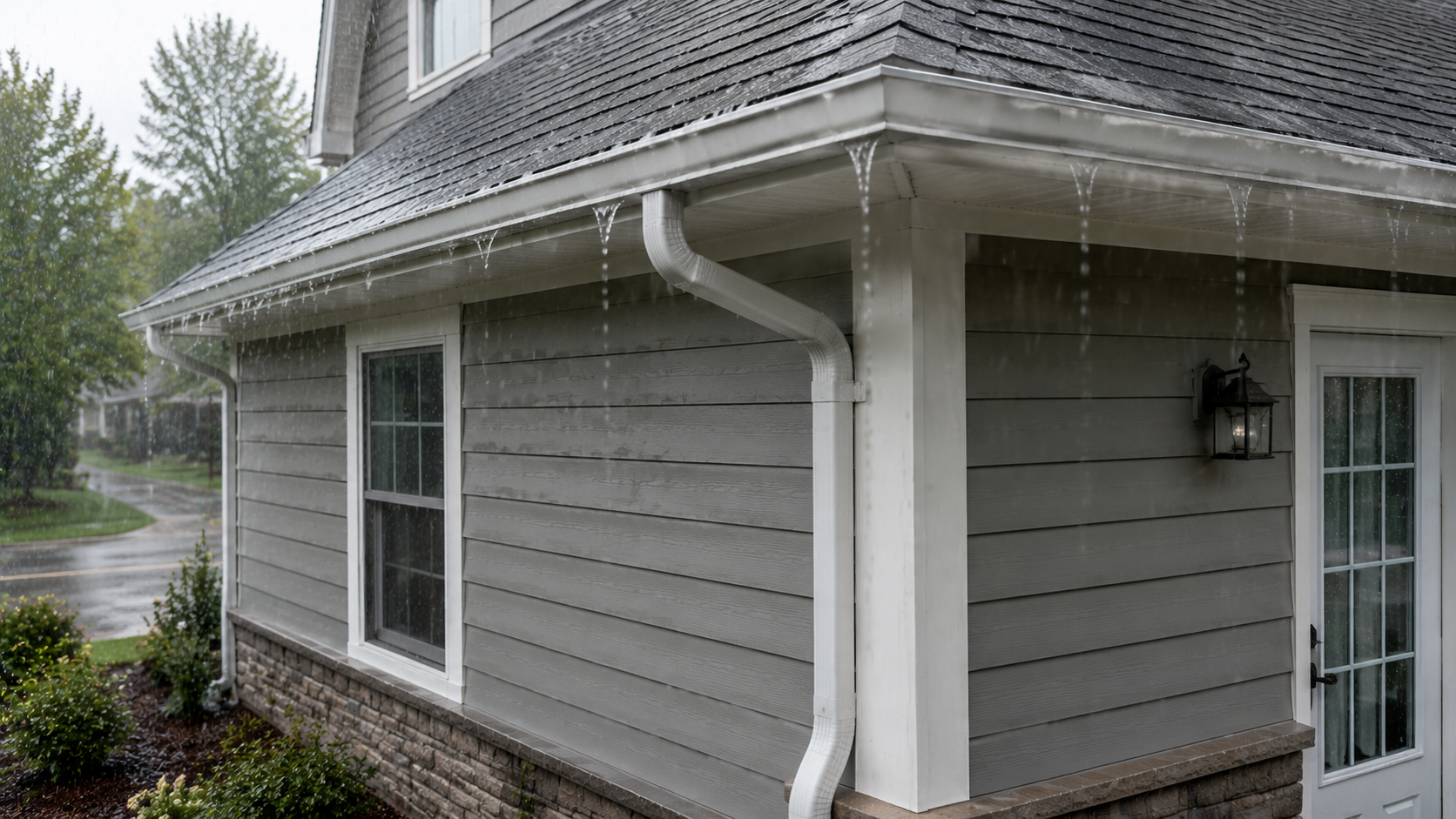
Rain on gray house siding, white trim, and a French door beside a gutter and downspout

Protection Beyond Appearance

Exterior trim contributes more than visual appeal.


Properly installed trim helps seal vulnerable areas around windows, doors, roof edges, and corners where moisture could otherwise enter the building envelope. Working alongside siding, roofing, and flashing, trim becomes part of your home’s overall weather protection system.


Professional installation is essential to ensure these components function together as intended while maintaining a clean, finished appearance.
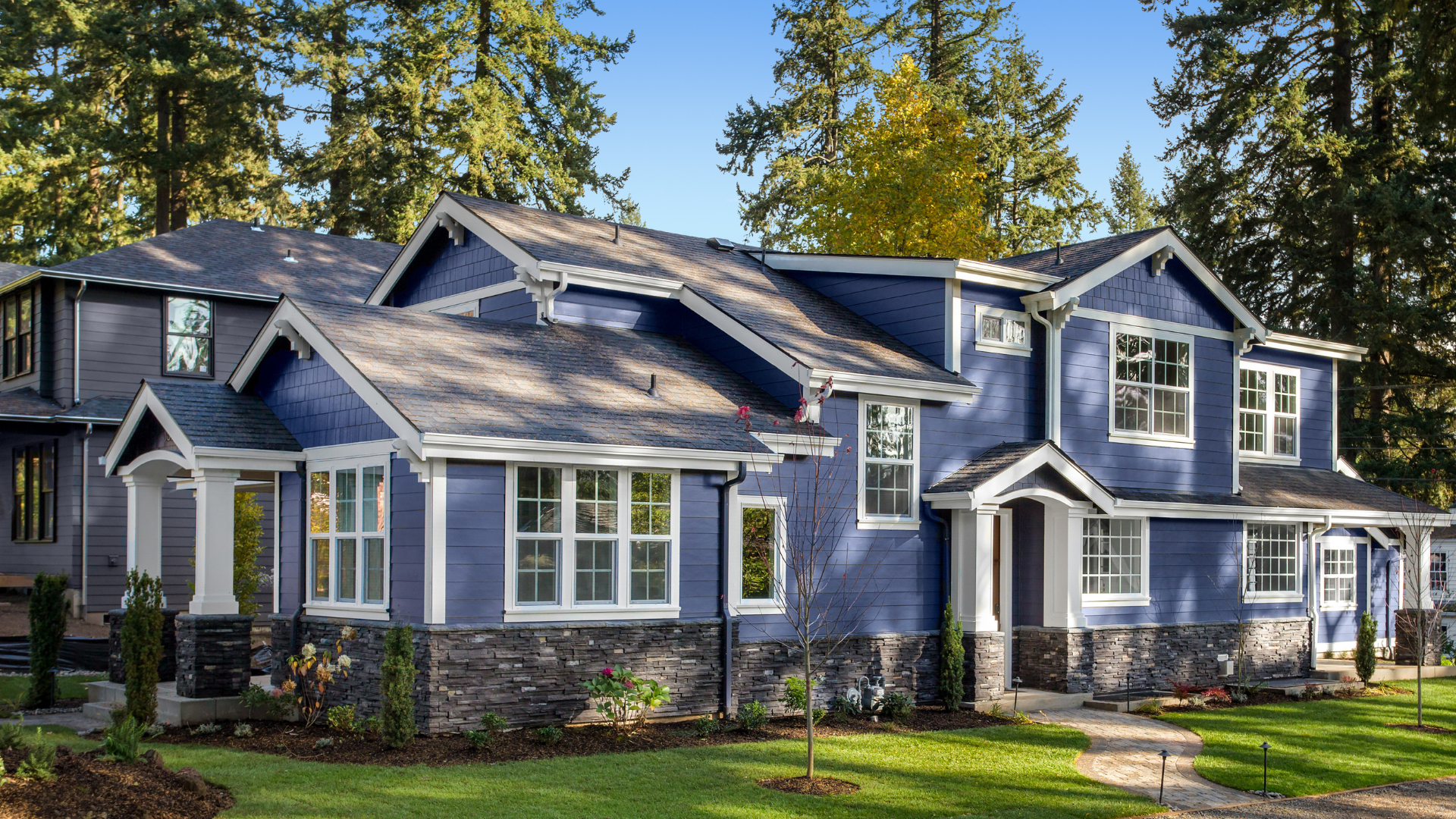
Large blue suburban house with white trim, multiple gables, and tall trees in the yard

An Investment That Adds Long-Term Value

Exterior improvements are among the most visible investments homeowners can make.


While curb appeal often enhances pride of ownership, it may also contribute positively when it comes time to sell a home. A well-maintained exterior featuring premium materials often creates a stronger first impression and demonstrates that the property has been cared for over time.


Choosing durable products from trusted manufacturers can also reduce future maintenance needs, allowing homeowners to enjoy the benefits of their investment for many years.

Complete Your Exterior With Paese Construction

At Paese Construction, we believe every detail matters. From premium roof replacement systems and professionally installed siding to seamless gutters and expertly crafted exterior trim, we help homeowners create beautiful, durable exteriors built to withstand New Jersey’s changing seasons. We proudly install industry-leading products from trusted manufacturers, including GAF, Owens Corning, CertainTeed, James Hardie, and Mule-Hide, ensuring every project combines exceptional craftsmanship with long-lasting performance.


Whether you are planning a complete exterior renovation or looking to enhance your home’s curb appeal with premium trim and siding, our experienced team is committed to delivering results that are both functional and visually striking.


Contact Paese Construction today to learn how high-quality materials and expert installation can transform your home’s exterior while protecting your investment for years to come.
November 10, 2026
Water damage rarely announces itself at the exact place where the problem began. A stain may show up inside near a window. Rot may appear along a fascia board. Siding may start to swell or discolor. By the time the damage becomes visible, water may have been entering somewhere else entirely. One of the most common places for that kind of trouble is where two exterior systems meet. Roofs, siding, windows, trim, gutters, chimneys, and walls all depend on carefully built transitions. When those transitions are weak, water can find a path behind the finished materials. Transitions Are More Vulnerable Than Open Surfaces A broad, uninterrupted roof slope is usually straightforward. So is a large section of siding. The complexity increases where those surfaces stop, turn, overlap, or connect to something else. Roof-to-wall intersections, dormers, valleys, window edges, chimneys, fascia lines , and siding transitions all require special attention because water is moving across several materials at once. These areas depend heavily on flashing , sealants, overlaps, and drainage details working together. If even one part is installed poorly or deteriorates over time, moisture can begin moving behind the exterior.
November 3, 2026
Exterior renovations often happen one project at a time. The roof gets replaced this year. The siding comes later. Gutters are handled after that. Trim gets updated when another problem appears. There is nothing inherently wrong with phasing work. The problem starts when each project is planned in isolation. A home exterior functions as a connected system, and decisions made on one part of the house can affect what works well on another. That is why piecemeal exterior work can sometimes create compatibility problems that are harder and more expensive to solve later. The Roof and Siding Need to Work Together Roofing and siding meet at some of the most important water-management areas on a house. Wall intersections, dormers, roof edges, flashing points, and trim transitions all depend on careful coordination. If a roof is replaced without considering future siding work, some details may need to be disturbed again later. Likewise, replacing siding without accounting for roof flashing can create awkward transitions or unnecessary rework. A more coordinated plan can help reduce those conflicts.
October 28, 2026
Homeowners often spend a great deal of time comparing roofing and siding products. That makes sense. Brand reputation, warranty coverage, durability, appearance, and material performance all matter. But even a premium product can underperform if it is installed incorrectly. A high-quality shingle, fiber cement siding panel, flashing system, or membrane still depends on preparation, fastening, spacing, ventilation, water management, and dozens of other details that happen during installation. The material matters. The workmanship matters just as much. Expensive Materials Cannot Fix a Weak Substrate A new exterior system is only as reliable as the surface underneath it. If roof decking is soft, damaged, or uneven, installing premium shingles over it does not solve the problem. The same principle applies to siding. New siding should not simply cover deteriorated sheathing, rotten trim, or unresolved moisture damage. The substrate needs to be sound before the finish material goes on. That is why replacement projects should include careful evaluation of the underlying structure instead of treating the job as a cosmetic upgrade.
October 22, 2026
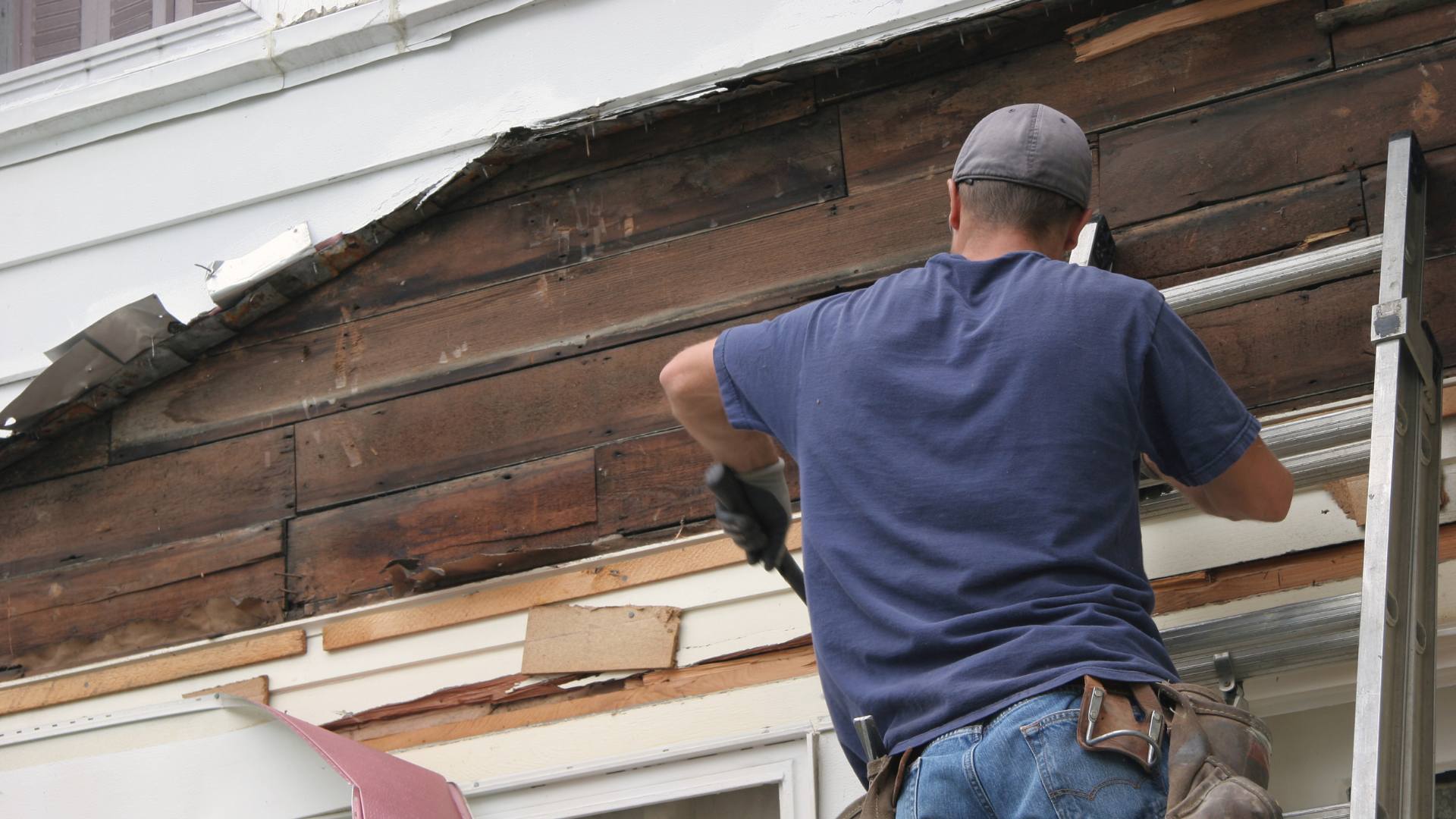
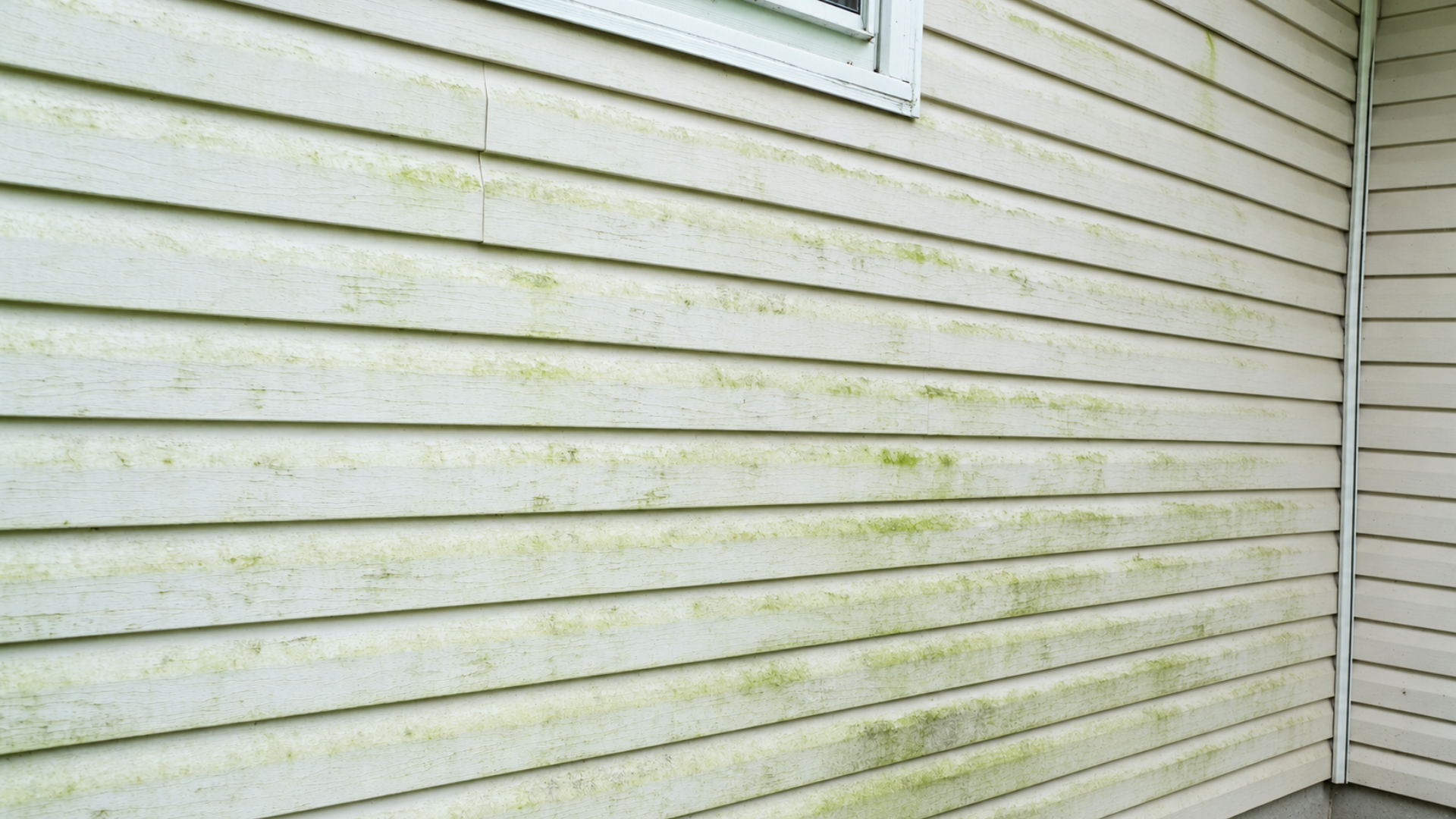
Old siding can hide more than faded color and surface wear. Once it is removed, contractors sometimes uncover moisture damage, deteriorated sheathing, failed flashing, rot around windows and doors, or other problems that were not visible from the outside. That does not mean every siding replacement will reveal major damage. It does mean homeowners should understand that replacing siding is not only a cosmetic project. It is also an opportunity to see what has been happening behind the exterior for years. The Surface Does Not Tell the Whole Story Siding is designed to protect the walls while creating a finished appearance. Because it covers the structure underneath, homeowners may not realize there is a problem until the siding comes off. Water can enter through failed caulking, damaged flashing , poorly sealed penetrations, or installation details around windows, doors, roof intersections, and trim. Over time, trapped moisture may affect the materials behind the siding even when the exterior still looks relatively normal. That is one reason replacement projects should be approached as more than a simple “remove and re-cover” job.
October 14, 2026
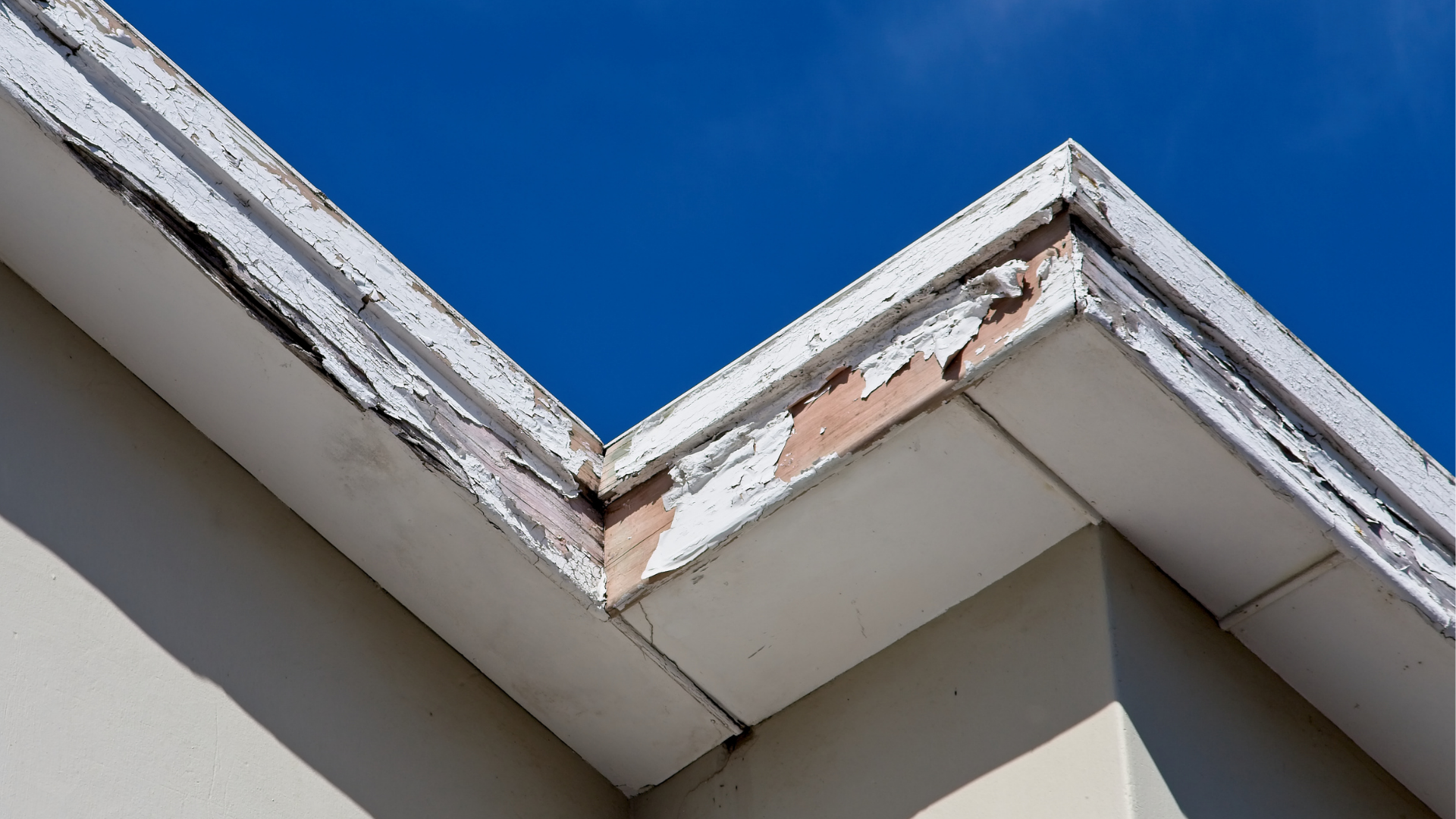
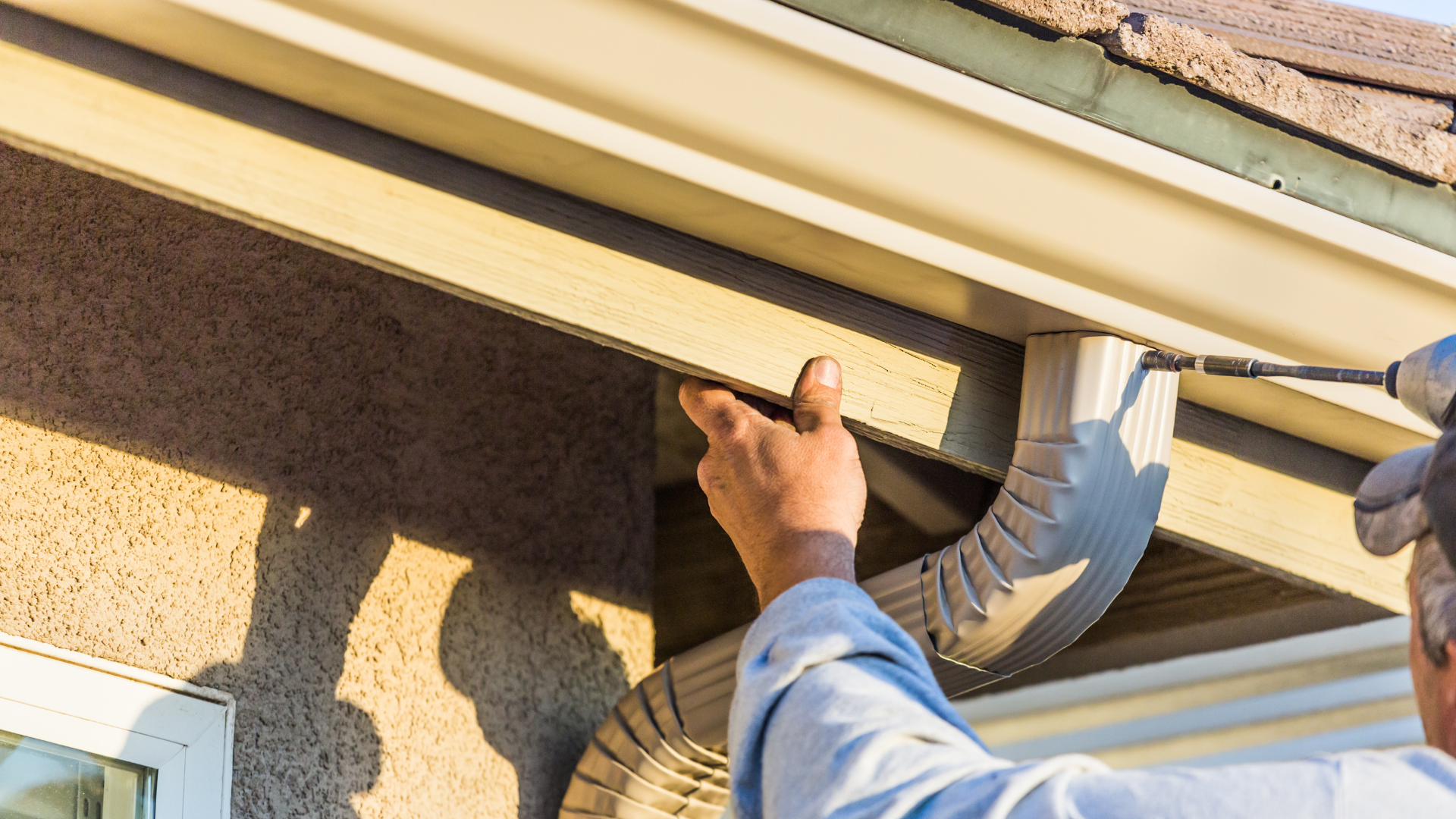
Gutters are only as secure as the surface they are attached to. When fascia boards are soft, rotted, or structurally compromised, installing new gutters without correcting the underlying damage can create problems almost immediately. Fasteners may not hold properly, sections of gutter can sag, and water can continue entering areas that should have been addressed before installation. That is why rotten fascia should be replaced before new gutters are installed. Fascia Has an Important Structural Role Fascia is the board that runs along the edge of the roof, directly behind the gutters on many homes. It helps create a finished roofline while also providing an attachment surface for the gutter system. Because it sits at the edge of the roof, fascia is regularly exposed to moisture, wind-driven rain, overflowing gutters, and water that may escape damaged roofing components. When the wood begins to rot, it loses strength. A gutter system attached to weakened material may not remain secure over time.
October 7, 2026
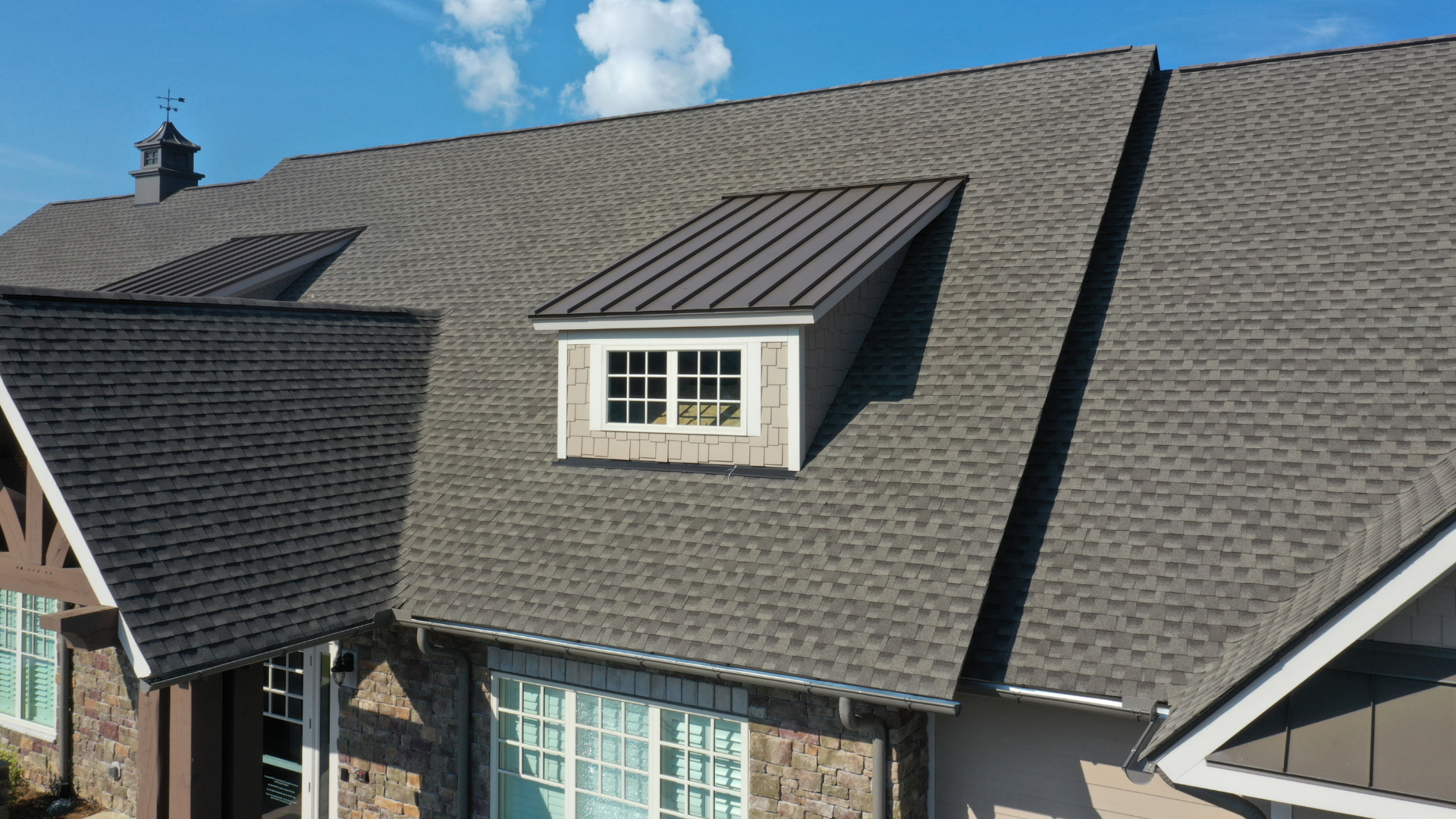
A roof is not made from one product . Shingles, underlayment, flashing, ventilation components, fasteners, sealants, and roof decking all work together as a system. That is why material compatibility matters. A premium shingle can only perform as intended when the surrounding components are appropriate for the roof design, climate, and installation method. Mixing materials without considering how they interact can create weak points, shorten service life, or complicate warranty coverage. For homeowners planning a roof replacement, it helps to think beyond the visible surface. The Shingles Are Only the Top Layer Shingles are the most noticeable roofing material, but they are only one part of the assembly. Beneath them, underlayment provides an additional layer of protection. Flashing directs water away from vulnerable transitions. Ventilation helps manage attic heat and moisture. Fasteners hold the system in place. Each component has its own job. If one layer is poorly matched to the others, the roof may not perform as a complete system. That is why roof replacement should be planned as a coordinated installation rather than a collection of separate products.
October 4, 2026
Roof repairs make sense when damage is limited, the surrounding materials are still in good condition, and the roofing system has plenty of useful life left. But there comes a point when repeated repairs stop being the most practical approach. An aging roof may begin developing problems in several areas at once. At that stage, homeowners can end up paying for one repair after another without addressing the broader condition of the system. Knowing when to move from repair to replacement can help prevent unnecessary spending and reduce the risk of more serious damage later. Age Is an Important Starting Point Every roofing material has a typical service life , but age alone does not determine whether replacement is necessary. Installation quality, ventilation, weather exposure, maintenance, and material type all affect how long a roof performs well. Still, an older roof that begins requiring frequent repairs deserves a closer look. If shingles are failing in several areas or leaks are becoming more common, the issue may no longer be isolated.
September 26, 2026
A home’s roof, siding, gutters, soffits, fascia, and trim all work together. When one part starts to fail, it can affect the others. That is why treating exterior problems one at a time can sometimes lead to repeated repairs, mismatched materials, or missed opportunities to address the real cause. Whole-home exterior planning takes a broader view. Instead of asking only, “What needs to be fixed today?” it looks at how the entire exterior is aging and how each component affects the next. The Roof Can Affect More Than the Roof A roofing problem does not always stay confined to shingles. If water reaches the roof edge, it may affect fascia, soffits , gutters, siding, or even the wall system below. Damaged flashing can also direct water into areas that are difficult to see from the ground. When roof replacement is being considered, it makes sense to evaluate the surrounding exterior at the same time.  This can reveal whether related components should be repaired, replaced, or coordinated with the roofing project.
September 16, 2026
Fall is one of the best times to look closely at the condition of a roof before colder weather arrives. Once temperatures begin dropping , small roofing problems can become harder to ignore. Moisture, wind, freezing temperatures, and repeated freeze-thaw cycles can all put additional stress on an aging roofing system.  A pre-winter review does not mean climbing onto the roof yourself. Many warning signs can be spotted from the ground or inside the attic, while a professional inspection can address areas that are difficult or unsafe to evaluate.
September 10, 2026
Many homeowners assume a roof is performing well as long as there are no visible leaks. Unfortunately, roofing problems can develop long before water begins dripping through the ceiling.  A roof may already be losing its ability to protect the home because of aging materials, weakened flashing, deteriorated underlayment , ventilation problems, or damaged shingles. By the time an interior leak becomes obvious, moisture may have already affected decking, insulation, trim, or other parts of the structure.