Why Whole-Home Exterior Planning Can Prevent Piecemeal Repairs

September 26, 2026

A home’s roof, siding, gutters, soffits, fascia, and trim all work together. When one part starts to fail, it can affect the others. That is why treating exterior problems one at a time can sometimes lead to repeated repairs, mismatched materials, or missed opportunities to address the real cause.


Whole-home exterior planning takes a broader view. Instead of asking only, “What needs to be fixed today?” it looks at how the entire exterior is aging and how each component affects the next.


The Roof Can Affect More Than the Roof

A roofing problem does not always stay confined to shingles.


If water reaches the roof edge, it may affect fascia, soffits, gutters, siding, or even the wall system below. Damaged flashing can also direct water into areas that are difficult to see from the ground.


When roof replacement is being considered, it makes sense to evaluate the surrounding exterior at the same time.


This can reveal whether related components should be repaired, replaced, or coordinated with the roofing project.

New two-story white house with gray roof, black shutters, and a front porch on a landscaped lot

Gutters and Fascia Work Together

Gutters depend on solid fascia for support.


If fascia boards are deteriorated, sagging gutters may be a symptom rather than the entire problem. Likewise, gutters that overflow or pull away can expose fascia and trim to repeated moisture.


Replacing only the gutter without evaluating the wood behind it may leave the underlying issue unresolved.


A more complete exterior review can help determine whether both systems need attention.


Siding Can Hide Problems

Siding may look worn or faded from the outside, but replacement sometimes reveals more serious issues underneath.


Moisture damage, deteriorated sheathing, failed flashing, or aging trim may remain hidden until the existing siding is removed.


That is one reason siding replacement can be an ideal time to evaluate wall conditions, trim, and transitions around windows and doors.


Addressing those issues during the same project can be more practical than reopening completed work later.
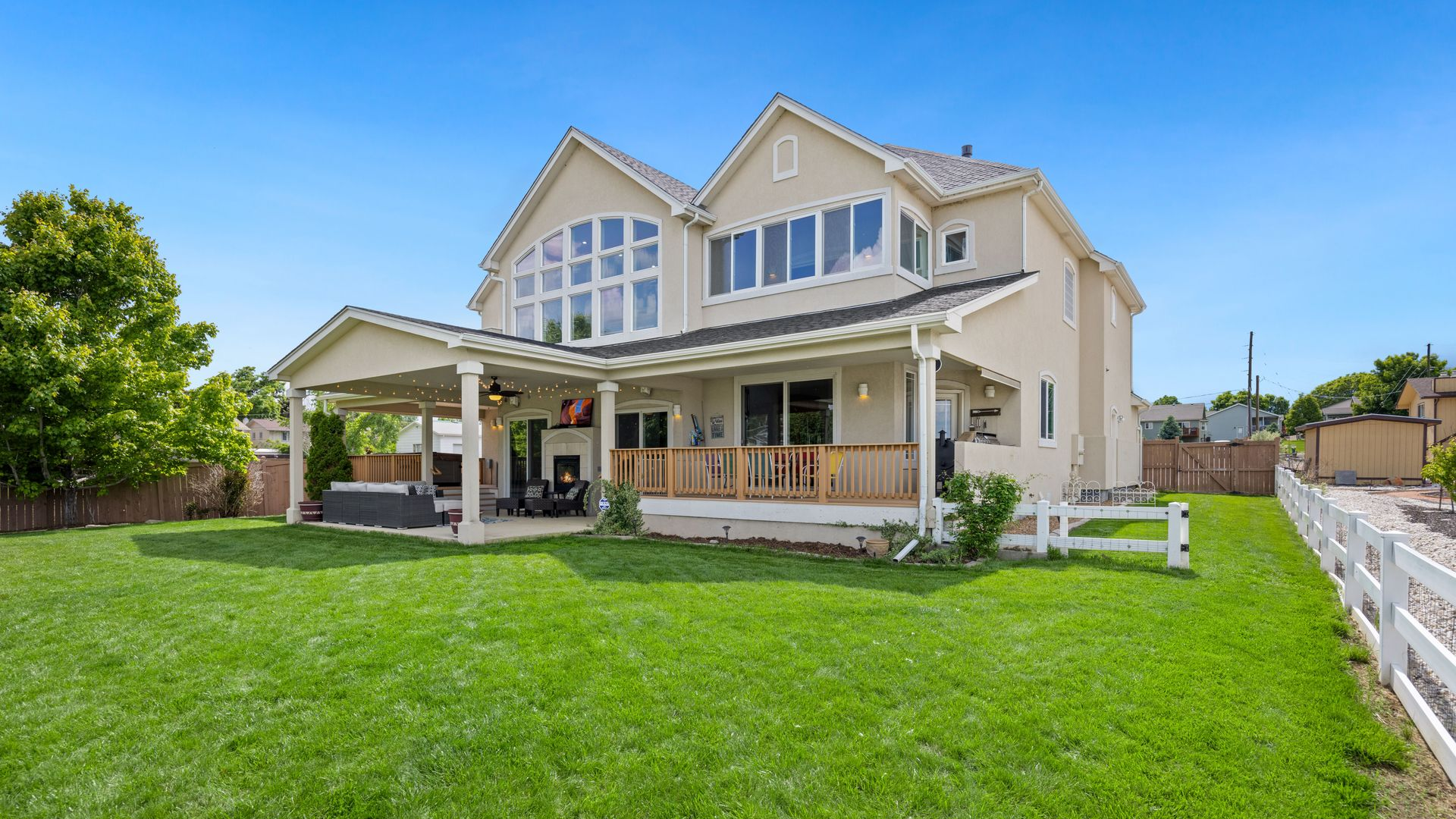
Large beige two-story house with a covered patio and a bright green lawn

Piecemeal Repairs Can Create Mismatched Results

When exterior projects are handled years apart without an overall plan, the finished home can look inconsistent.


Roof color, siding tone, trim profiles, gutter style, and other details may not work together as well as they could.


Whole-home planning allows material and color decisions to support one another.


For homeowners investing in higher-end exterior improvements, that coordination can make a major difference in curb appeal.


Project Sequencing Matters

The order in which exterior work is completed can also affect efficiency.


For example, replacing siding before resolving a failing roof may expose the new siding to unnecessary risk. Installing new gutters before replacing damaged fascia may mean removing them again later.


Planning ahead helps determine which project should come first and which components can reasonably be completed together.


That can reduce duplicate labor and avoid disturbing newly finished work.
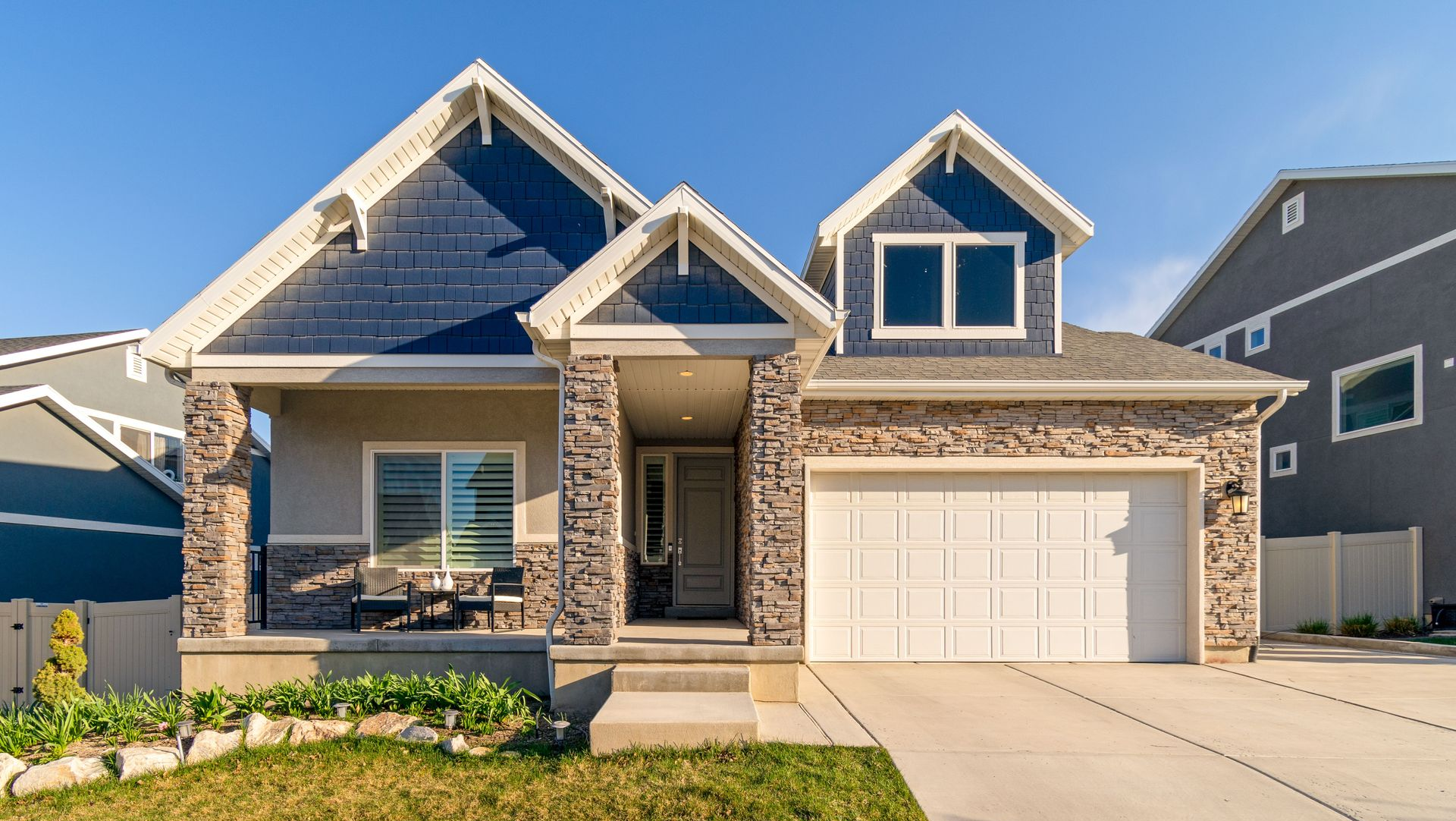
Modern stone-and-blue house with a front porch, dormer windows, and a white garage door under a clear sky

Long-Term Ownership Should Influence the Plan

Homeowners who expect to stay in the property for many years may benefit from thinking beyond immediate repairs.


If the roof is nearing the end of its useful life, the siding is aging, and the gutters are deteriorating, repeatedly addressing isolated problems may not be the most practical long-term strategy.


A coordinated exterior plan can help prioritize projects based on urgency, condition, budget, and future goals.


Not everything has to be replaced at once. The value comes from knowing what should happen next and why.


Better Planning Can Improve Material Choices

Whole-home planning also makes it easier to select materials that work together.


Roofing systems from manufacturers such as GAF, Owens Corning, or CertainTeed can be coordinated with siding products such as James Hardie, along with trim and gutter choices that complement the rest of the exterior.


The goal is not simply to choose premium materials individually. It is to create an exterior system that performs well and looks cohesive as a whole.
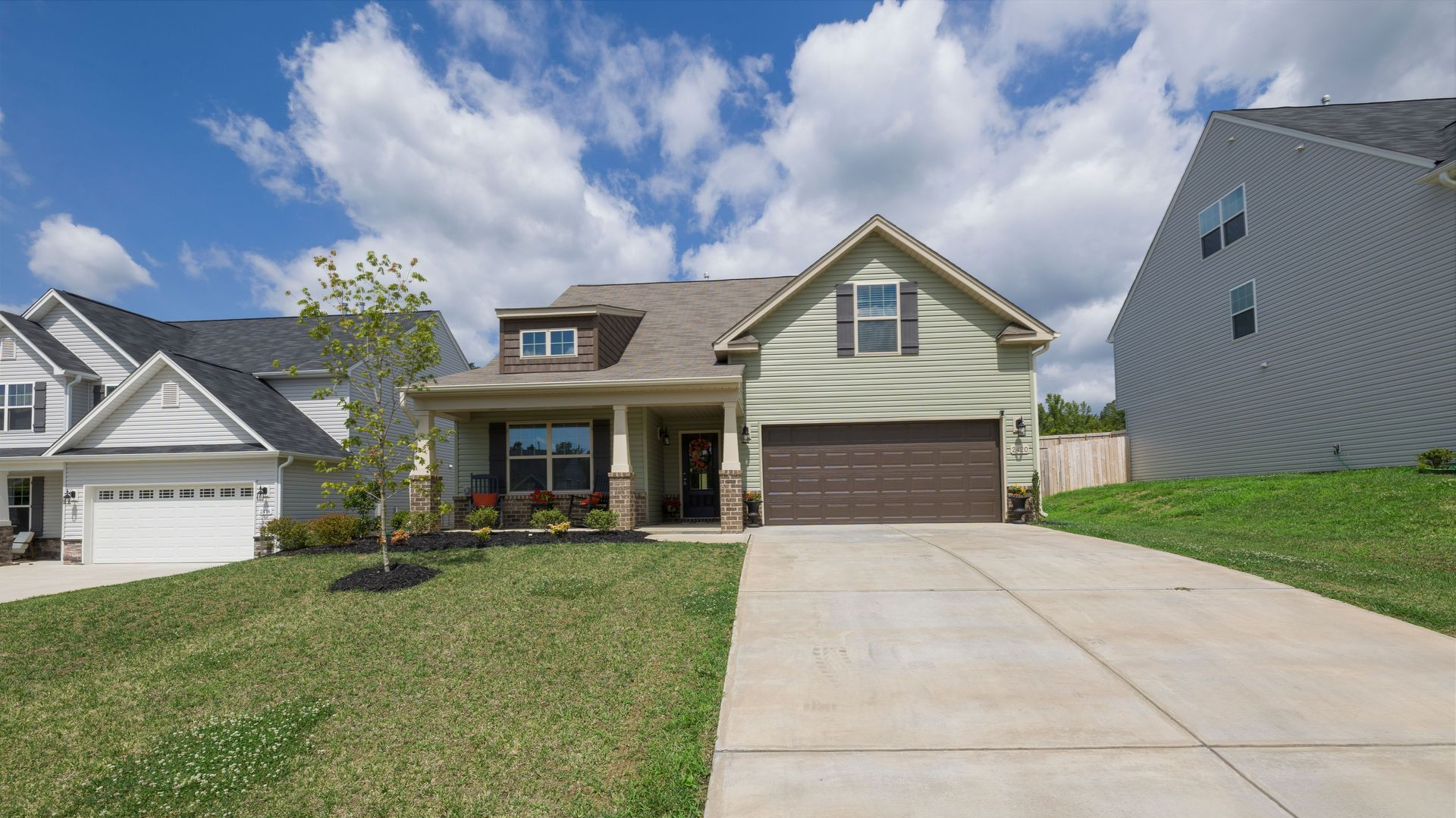
Suburban house with tan siding, brown garage, and a sloped driveway under a partly cloudy sky

Think Beyond the Immediate Repair

Piecemeal repairs can solve short-term problems, but they can also miss the relationship between different parts of the exterior.


A broader plan helps homeowners understand how the roof, siding, gutters, soffits, fascia, and trim are aging together and which improvements should be prioritized.


Paese Construction specializes in high-quality roof replacement, siding replacement, gutters, and exterior trim using leading materials from GAF, Owens Corning, CertainTeed, James Hardie, and Mule-Hide.


If several areas of your home’s exterior are showing signs of age, contact Paese Construction for a comprehensive evaluation. A coordinated plan can help you avoid repeated repairs, protect your investment, and create a more durable and cohesive exterior.

Looking up at a white building facade framed by green tree branches
White domed building against a blue sky, partly hidden by leafy green trees.
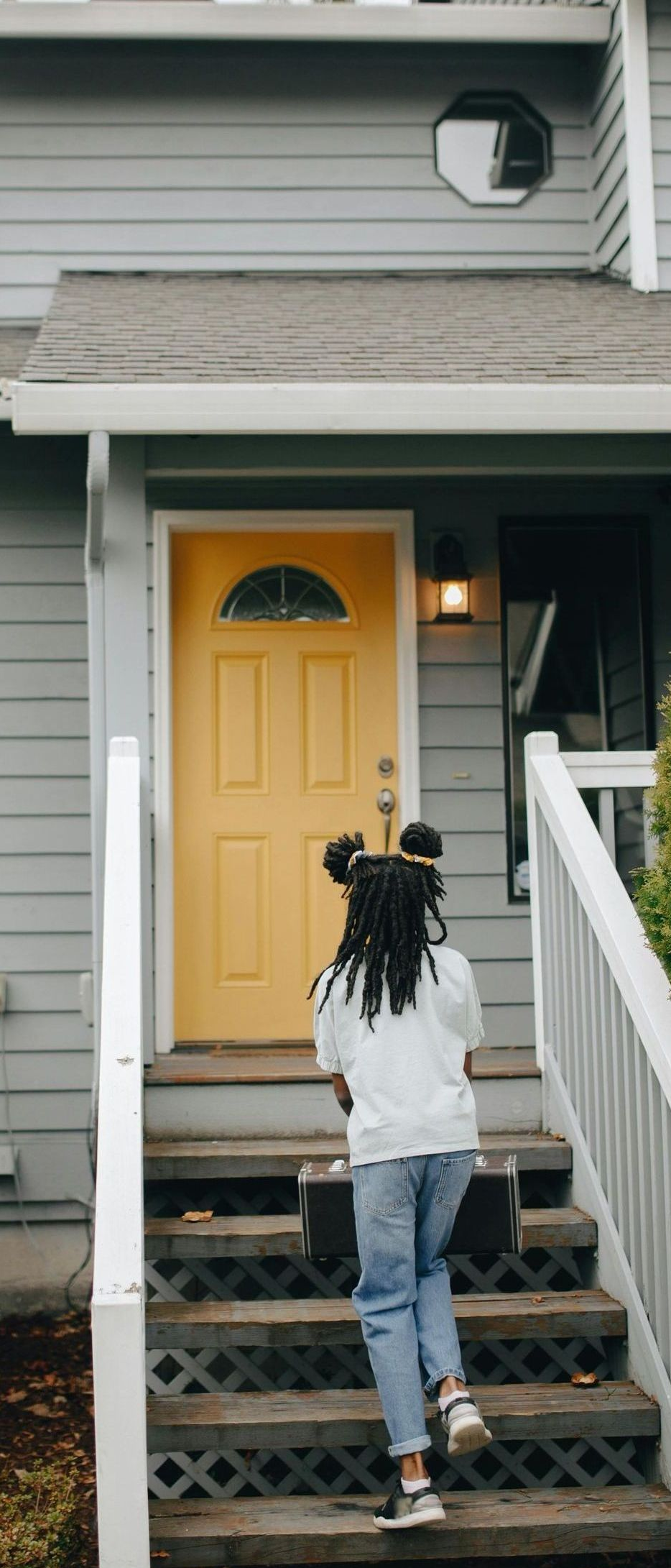
A woman is walking up the stairs to a house with a yellow door.
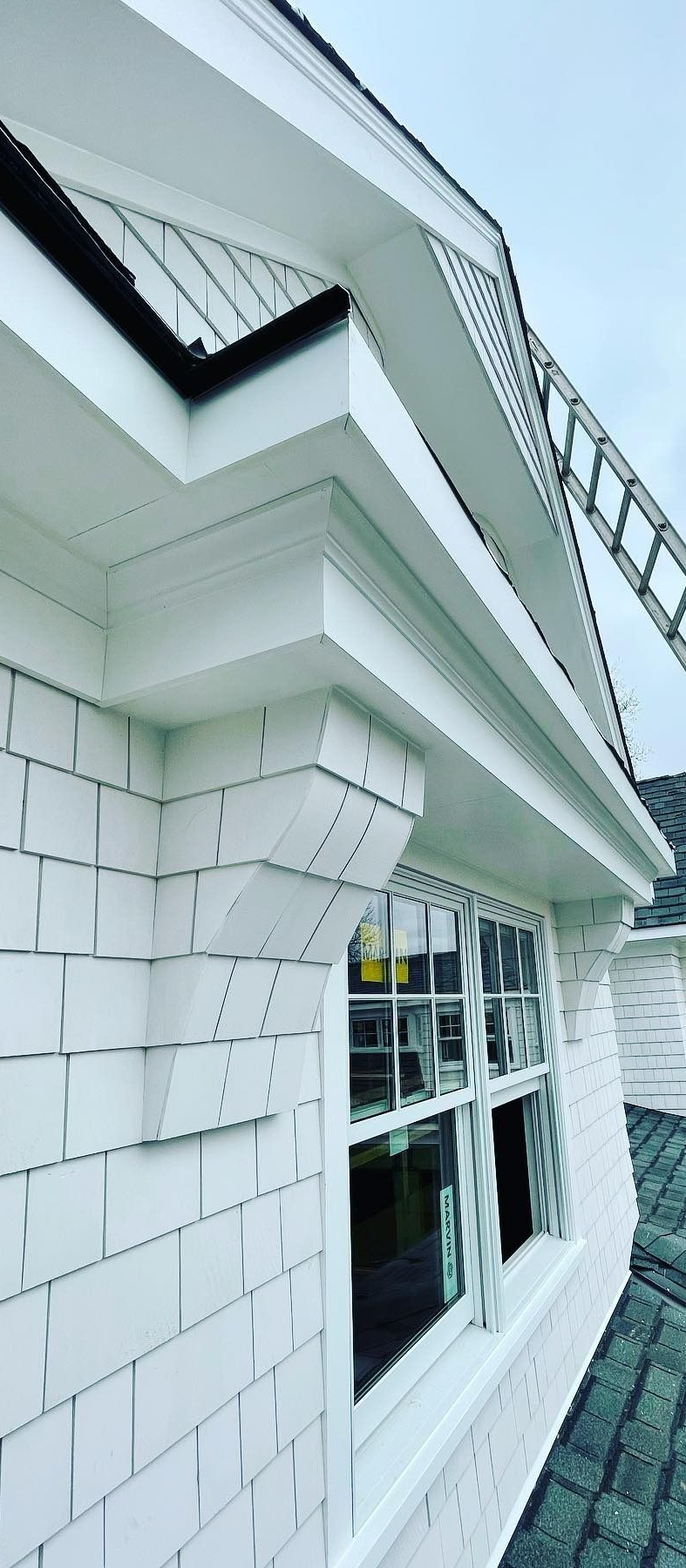
White-sided house with a window, white trim, and a ladder leaning against the roof.
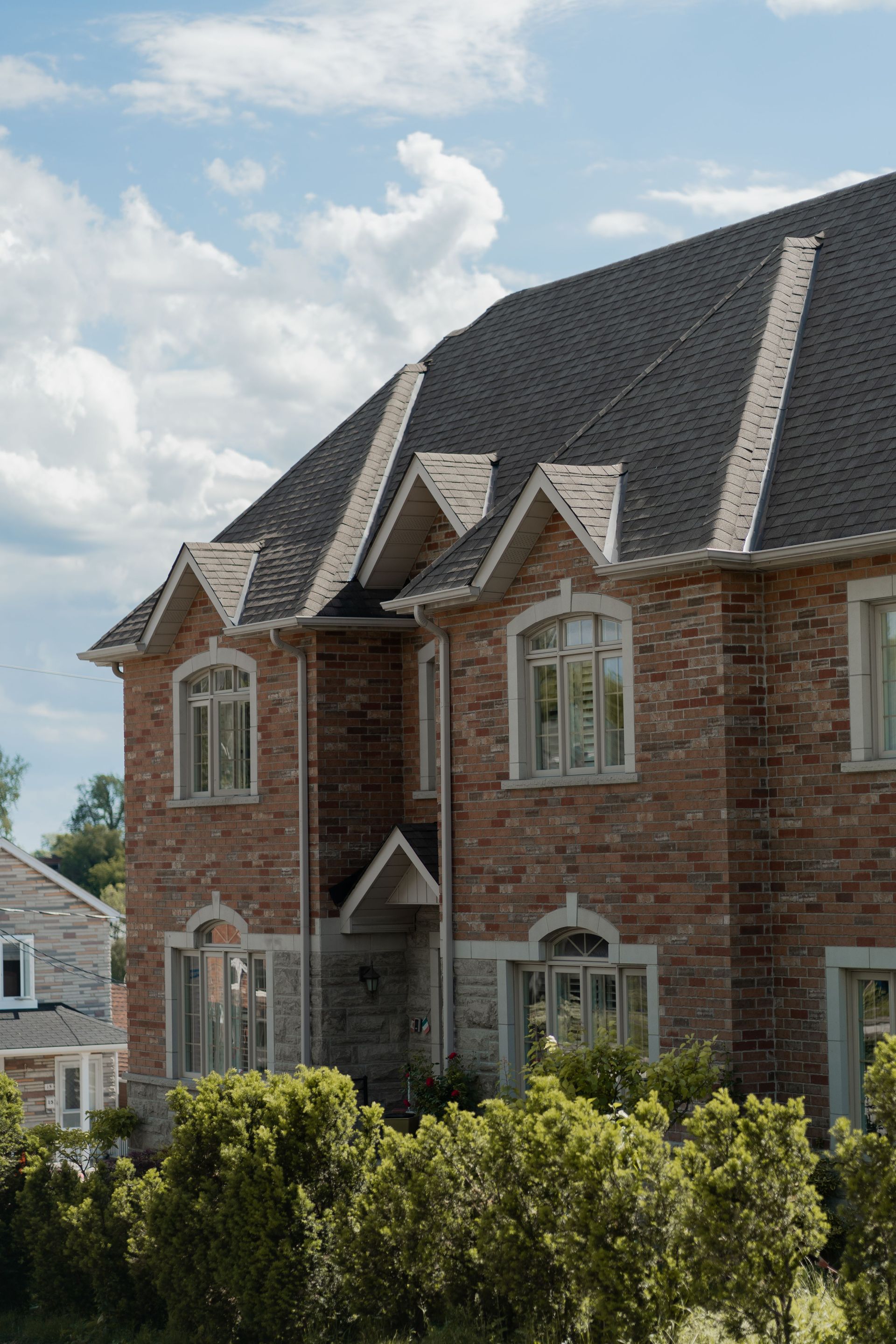
Brick townhouse with dark roof and white-trimmed windows behind green shrubs under a cloudy sky
September 16, 2026
Fall is one of the best times to look closely at the condition of a roof before colder weather arrives. Once temperatures begin dropping , small roofing problems can become harder to ignore. Moisture, wind, freezing temperatures, and repeated freeze-thaw cycles can all put additional stress on an aging roofing system.  A pre-winter review does not mean climbing onto the roof yourself. Many warning signs can be spotted from the ground or inside the attic, while a professional inspection can address areas that are difficult or unsafe to evaluate.
September 10, 2026
Many homeowners assume a roof is performing well as long as there are no visible leaks. Unfortunately, roofing problems can develop long before water begins dripping through the ceiling.  A roof may already be losing its ability to protect the home because of aging materials, weakened flashing, deteriorated underlayment , ventilation problems, or damaged shingles. By the time an interior leak becomes obvious, moisture may have already affected decking, insulation, trim, or other parts of the structure.
September 4, 2026
Replacing a roof or updating siding can dramatically improve a home’s appearance, weather protection, and long-term value. For homeowners who live in a community governed by a homeowners association, however, material selection may involve more than personal preference.  HOA architectural standards can influence everything from roof color and shingle style to siding materials, exterior finishes, and trim details. Understanding those requirements before construction begins can help homeowners avoid delays, rejected applications, or the expense of changing an already-planned project.
August 28, 2026
Choosing new siding is a major exterior decision because it affects appearance, durability, maintenance, and long-term protection. Homeowners often want a material that looks refined, stands up well to changing weather, and offers enough style options to complement the architecture of the house.  James Hardie siding has become a popular choice for replacement projects because it combines the look of traditional siding with the strength of fiber cement. Paese Construction works with premium exterior materials such as James Hardie to help homeowners create durable, attractive exteriors designed for long-term performance.
August 23, 2026
When homeowners think about roofing, shingles usually get most of the attention. They are the most visible part of the system, and they play an important role in protecting the home from the elements. However, some of the most critical roofing components are far less noticeable. Flashing is one of them.  Roof flashing is installed around vulnerable areas where water is more likely to enter, such as chimneys, skylights, valleys, vent pipes, and roof-to-wall intersections. When installed correctly, flashing helps direct water away from these areas and into the normal drainage path of the roof. When it fails, even a relatively small weakness can allow moisture to penetrate the roofing system and damage the materials below.
August 18, 2026
Every season brings unique challenges for your home’s exterior. From heavy spring rains and summer heat to autumn leaves and winter snow, your roof, siding, gutters, and trim work together year-round to protect everything inside your home. While no exterior can remain maintenance-free forever, a proactive approach can help identify small issues before they become costly repairs.  By preparing your home throughout the year, you can help maximize the lifespan of your roofing system and exterior materials while protecting one of your most valuable assets.
August 7, 2026
When planning exterior improvements, many homeowners focus on one project at a time. While there are situations where that approach makes sense, replacing both the roof and siding during the same renovation can offer significant advantages. Because these two systems work together to protect your home from the elements, coordinating their replacement can create a more cohesive, durable, and visually appealing exterior.  For homeowners whose roof and siding are both showing signs of age, combining the projects may be worth considering as part of a long-term investment in the home.
July 29, 2026
When homeowners think about improving their home’s exterior, the roof and siding often receive the most attention. While these are essential components, one important detail is frequently overlooked: exterior trim. The trim surrounding windows, doors, rooflines, corners, and other architectural features provides the finishing touch that ties the entire exterior together.  High-quality exterior trim not only enhances curb appeal but also helps protect your home from the elements while complementing premium roofing and siding materials.
July 15, 2026
When homeowners think about protecting their homes from the elements, the roof is usually the first thing that comes to mind. While a quality roof is one of the most important components of any home, it is only one part of a much larger system. Your siding, trim, gutters, flashing, and other exterior elements all work together to defend your home against rain, wind, snow, temperature changes, and moisture.  Understanding how these systems function together can help homeowners make informed decisions about exterior improvements that provide long-term protection and value.
July 8, 2026
For most homeowners, their house is the largest investment they will ever make . Protecting that investment involves much more than routine maintenance or occasional repairs. The materials used on a home’s exterior play a critical role in defending it against weather, moisture, temperature changes, and the natural effects of aging.  While it can be tempting to compare roofing and siding products based primarily on price, the quality of the materials installed often has a significant impact on long-term performance, durability, and overall value. Investing in premium exterior products can help homeowners enjoy greater peace of mind while preserving both the appearance and integrity of their property.