Combining Roof and Siding Replacement Into One Project

August 7, 2026

When planning exterior improvements, many homeowners focus on one project at a time. While there are situations where that approach makes sense, replacing both the roof and siding during the same renovation can offer significant advantages. Because these two systems work together to protect your home from the elements, coordinating their replacement can create a more cohesive, durable, and visually appealing exterior.


For homeowners whose roof and siding are both showing signs of age, combining the projects may be worth considering as part of a long-term investment in the home.
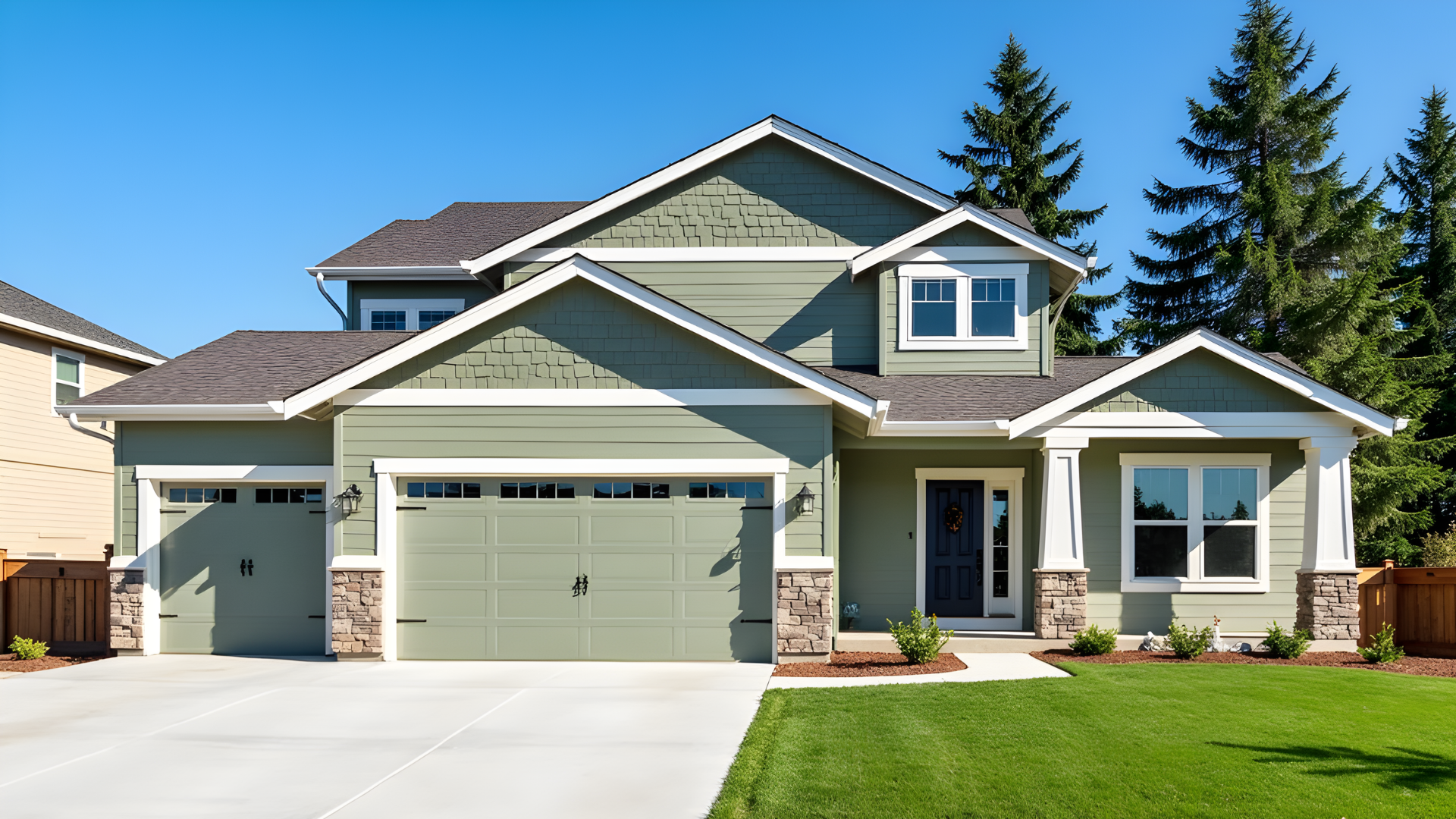
Suburban two-story house with green exterior, three-car garage, and manicured lawn under a clear blue sky

Creating a Unified Exterior Design

A home’s roof and siding are two of its most noticeable architectural features. When they are selected together, it becomes easier to coordinate colors, textures, and materials that complement the home’s style.


Planning both projects at the same time allows homeowners to evaluate the entire exterior rather than making decisions based on only one component. Whether choosing architectural shingles from manufacturers such as GAF, Owens Corning, or CertainTeed, or selecting James Hardie fiber cement siding, a coordinated approach can create a balanced appearance that enhances curb appeal for years to come.
Suburban house with garage and leafless trees under a dark, stormy sky

Improving Weather Protection

The roof and siding form the primary barrier between your home and the outdoor environment. Together, they help manage rain, wind, temperature changes, and moisture intrusion.


When both systems are updated during the same project, contractors can carefully inspect critical transition areas where roofing, siding, trim, flashing, and other exterior components meet. Addressing these details during a comprehensive renovation helps create a properly integrated exterior envelope designed to perform as a complete system.
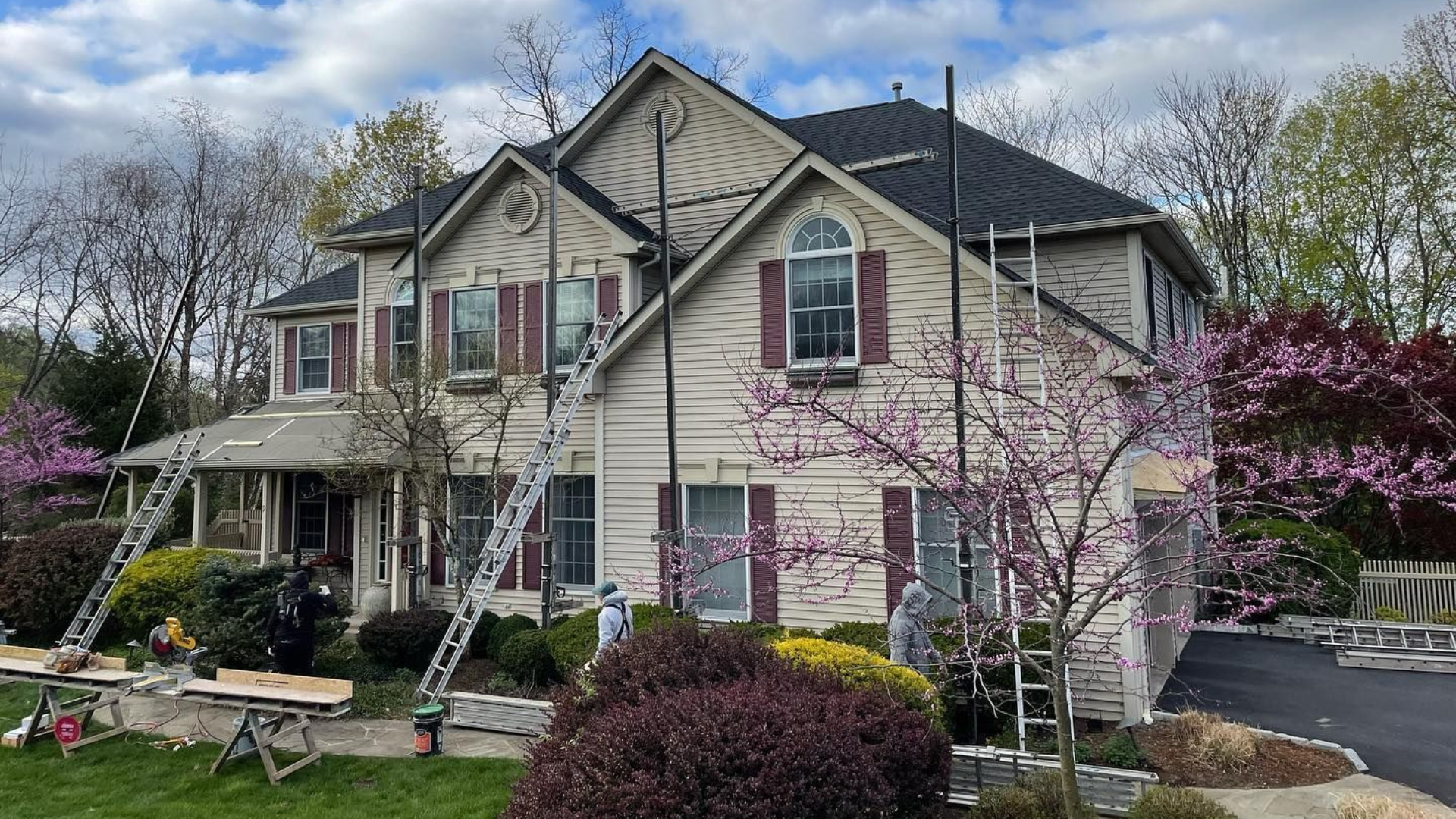
Two-story beige house with white trim, front porch, and blooming pink trees in spring

Streamlining the Construction Process

Scheduling one coordinated exterior renovation instead of two separate projects can simplify planning for many homeowners. Materials, equipment, and installation schedules can often be organized more efficiently when the work is completed as part of a single project.


It also reduces the likelihood of having portions of the home’s exterior disturbed multiple times over several years. Completing the work together allows the finished exterior to present a consistent appearance immediately rather than gradually evolving through separate renovations.
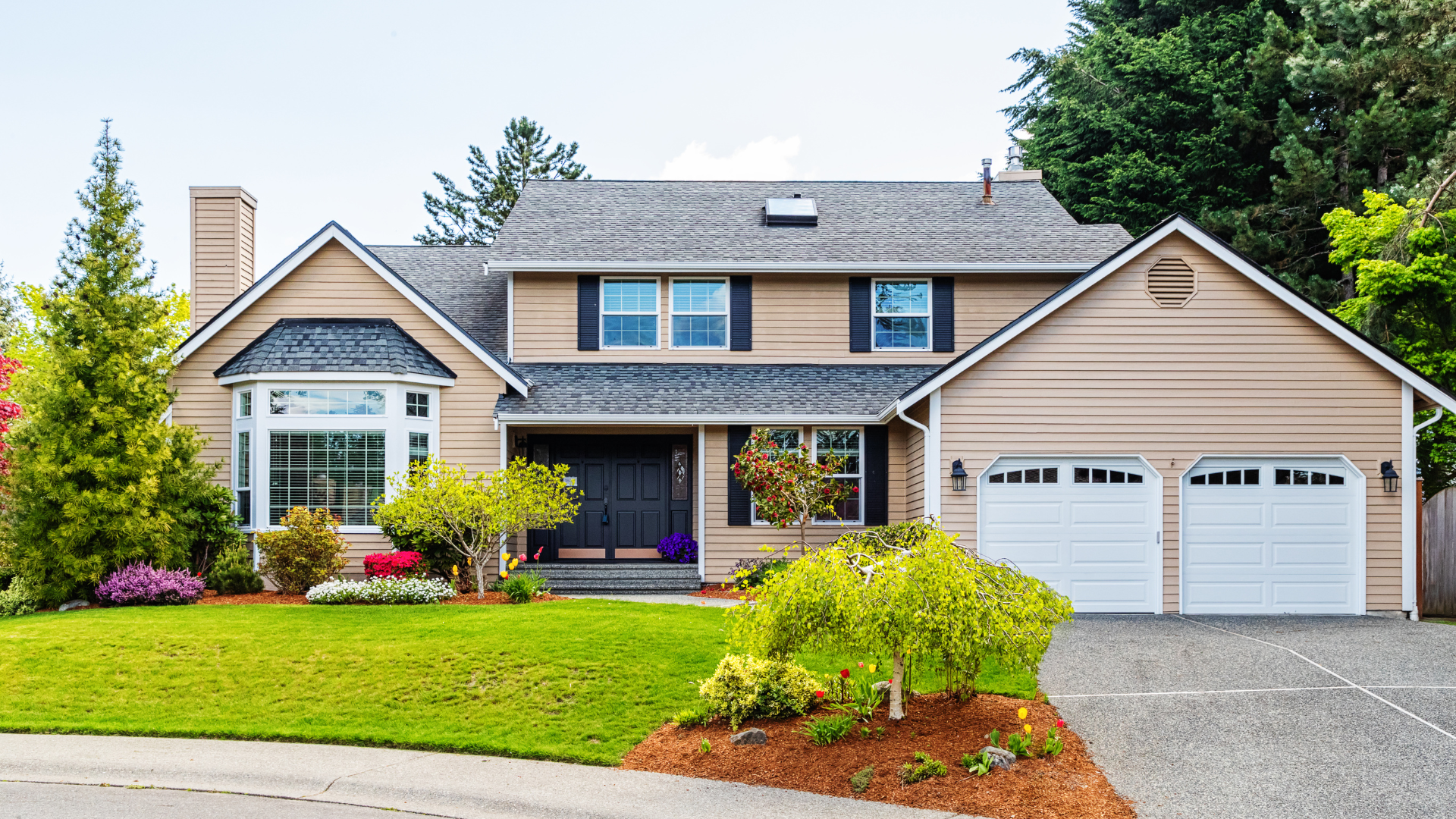
Suburban beige house with blue shutters, two-car garage, front lawn, and landscaped garden

Planning for Long-Term Value

Exterior renovations are about more than appearance. They are investments in the long-term performance of your home.


Replacing an aging roof while leaving deteriorating siding in place may simply postpone another major renovation. Likewise, installing beautiful new siding beneath an older roof nearing the end of its service life could result in additional disruption when the roof eventually requires replacement.


Evaluating both systems together allows homeowners to develop a long-range plan that reflects the current condition of the home and their future goals.
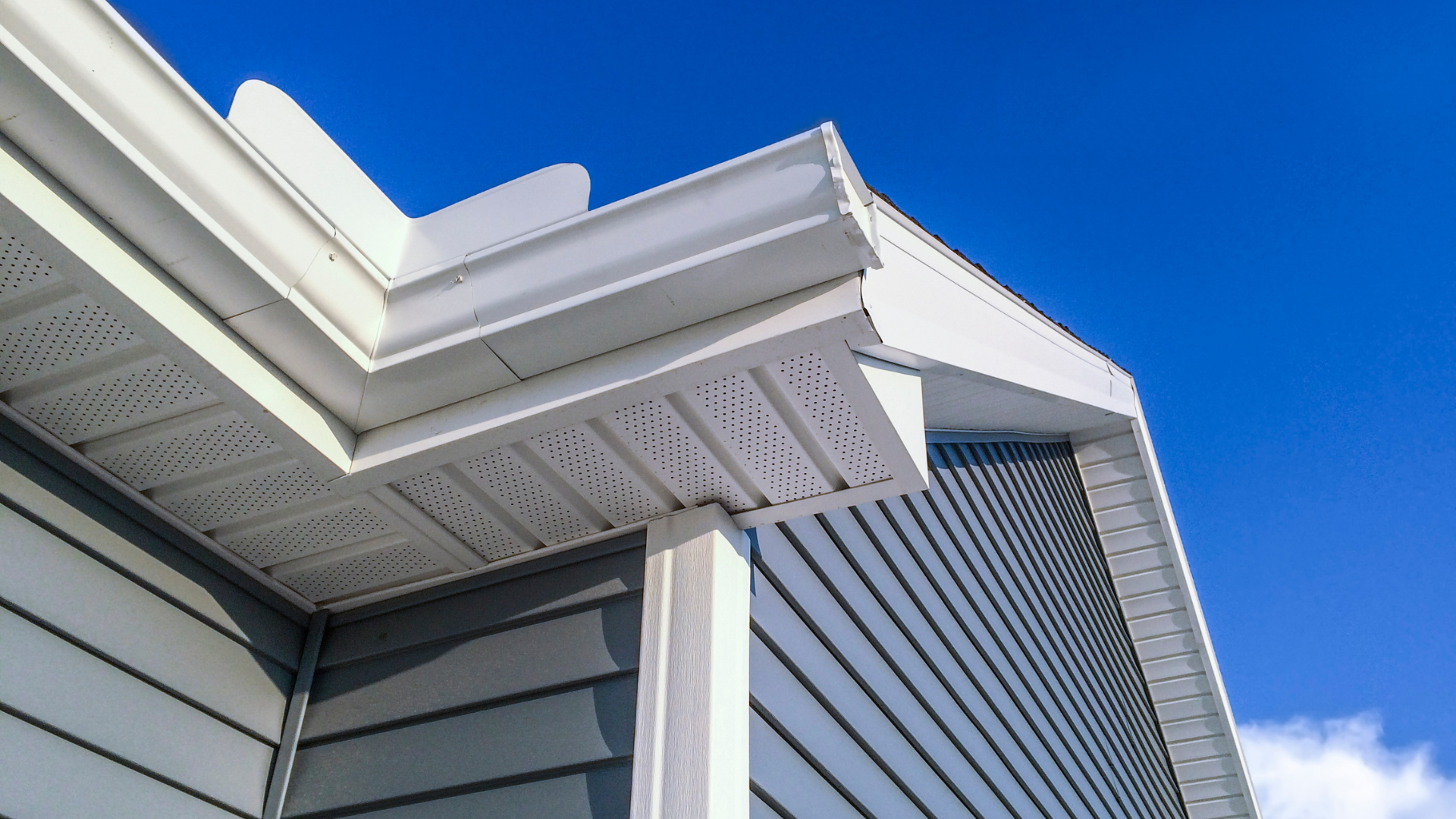
Close-up of a house roof eave with white trim and blue siding against a clear blue sky

An Opportunity to Evaluate Other Exterior Components

A comprehensive exterior renovation also provides an opportunity to assess gutters, trim, ventilation, flashing, and other important components that contribute to the home’s overall performance.


Addressing these elements during the same project helps ensure that the finished exterior functions as a complete system rather than as a collection of individual upgrades. This thoughtful approach often results in a cleaner installation and greater confidence that each component is working together as intended.
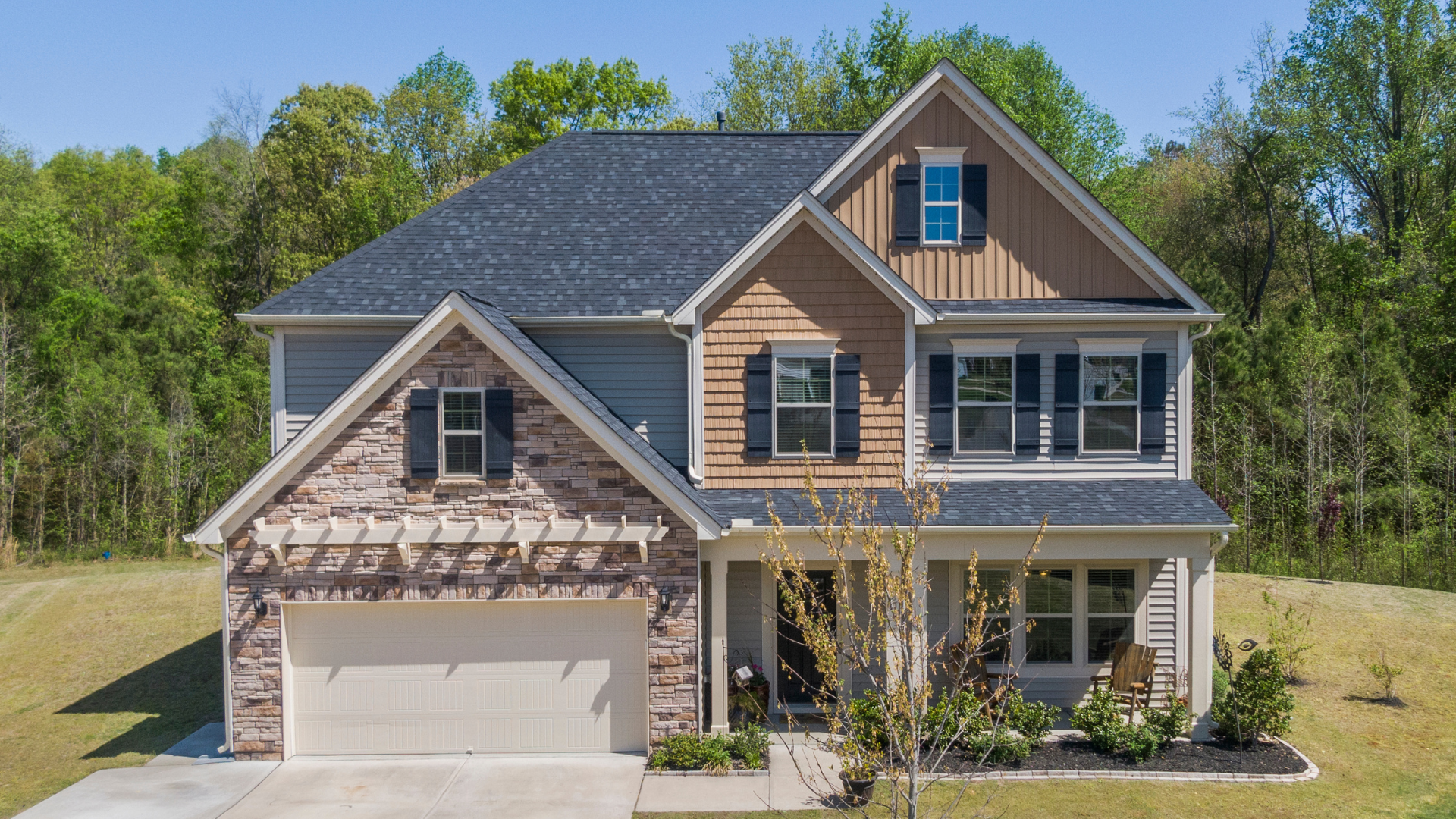
Two-story suburban house with a brick garage, gray roof, and front porch surrounded by trees

Building an Exterior Designed to Last

Every home is different, and there is no single solution that fits every property. However, if both your roof and siding are approaching the end of their service lives, replacing them together may offer practical benefits in terms of design, project coordination, and long-term protection.


At Paese Construction, we help homeowners evaluate the condition of their entire exterior, not just one component at a time. Whether you are considering a premium roof replacement, new James Hardie siding, or a complete exterior renovation, our experienced team can help you develop a solution that enhances your home’s appearance, protects it from the elements, and delivers lasting value. Contact Paese Construction to schedule a consultation and learn more about creating a coordinated exterior renovation plan tailored to your home.
November 10, 2026
Water damage rarely announces itself at the exact place where the problem began. A stain may show up inside near a window. Rot may appear along a fascia board. Siding may start to swell or discolor. By the time the damage becomes visible, water may have been entering somewhere else entirely. One of the most common places for that kind of trouble is where two exterior systems meet. Roofs, siding, windows, trim, gutters, chimneys, and walls all depend on carefully built transitions. When those transitions are weak, water can find a path behind the finished materials. Transitions Are More Vulnerable Than Open Surfaces A broad, uninterrupted roof slope is usually straightforward. So is a large section of siding. The complexity increases where those surfaces stop, turn, overlap, or connect to something else. Roof-to-wall intersections, dormers, valleys, window edges, chimneys, fascia lines , and siding transitions all require special attention because water is moving across several materials at once. These areas depend heavily on flashing , sealants, overlaps, and drainage details working together. If even one part is installed poorly or deteriorates over time, moisture can begin moving behind the exterior.
November 3, 2026
Exterior renovations often happen one project at a time. The roof gets replaced this year. The siding comes later. Gutters are handled after that. Trim gets updated when another problem appears. There is nothing inherently wrong with phasing work. The problem starts when each project is planned in isolation. A home exterior functions as a connected system, and decisions made on one part of the house can affect what works well on another. That is why piecemeal exterior work can sometimes create compatibility problems that are harder and more expensive to solve later. The Roof and Siding Need to Work Together Roofing and siding meet at some of the most important water-management areas on a house. Wall intersections, dormers, roof edges, flashing points, and trim transitions all depend on careful coordination. If a roof is replaced without considering future siding work, some details may need to be disturbed again later. Likewise, replacing siding without accounting for roof flashing can create awkward transitions or unnecessary rework. A more coordinated plan can help reduce those conflicts.
October 28, 2026
Homeowners often spend a great deal of time comparing roofing and siding products. That makes sense. Brand reputation, warranty coverage, durability, appearance, and material performance all matter. But even a premium product can underperform if it is installed incorrectly. A high-quality shingle, fiber cement siding panel, flashing system, or membrane still depends on preparation, fastening, spacing, ventilation, water management, and dozens of other details that happen during installation. The material matters. The workmanship matters just as much. Expensive Materials Cannot Fix a Weak Substrate A new exterior system is only as reliable as the surface underneath it. If roof decking is soft, damaged, or uneven, installing premium shingles over it does not solve the problem. The same principle applies to siding. New siding should not simply cover deteriorated sheathing, rotten trim, or unresolved moisture damage. The substrate needs to be sound before the finish material goes on. That is why replacement projects should include careful evaluation of the underlying structure instead of treating the job as a cosmetic upgrade.
October 22, 2026
Old siding can hide more than faded color and surface wear. Once it is removed, contractors sometimes uncover moisture damage, deteriorated sheathing, failed flashing, rot around windows and doors, or other problems that were not visible from the outside. That does not mean every siding replacement will reveal major damage. It does mean homeowners should understand that replacing siding is not only a cosmetic project. It is also an opportunity to see what has been happening behind the exterior for years. The Surface Does Not Tell the Whole Story Siding is designed to protect the walls while creating a finished appearance. Because it covers the structure underneath, homeowners may not realize there is a problem until the siding comes off. Water can enter through failed caulking, damaged flashing , poorly sealed penetrations, or installation details around windows, doors, roof intersections, and trim. Over time, trapped moisture may affect the materials behind the siding even when the exterior still looks relatively normal. That is one reason replacement projects should be approached as more than a simple “remove and re-cover” job.
October 14, 2026
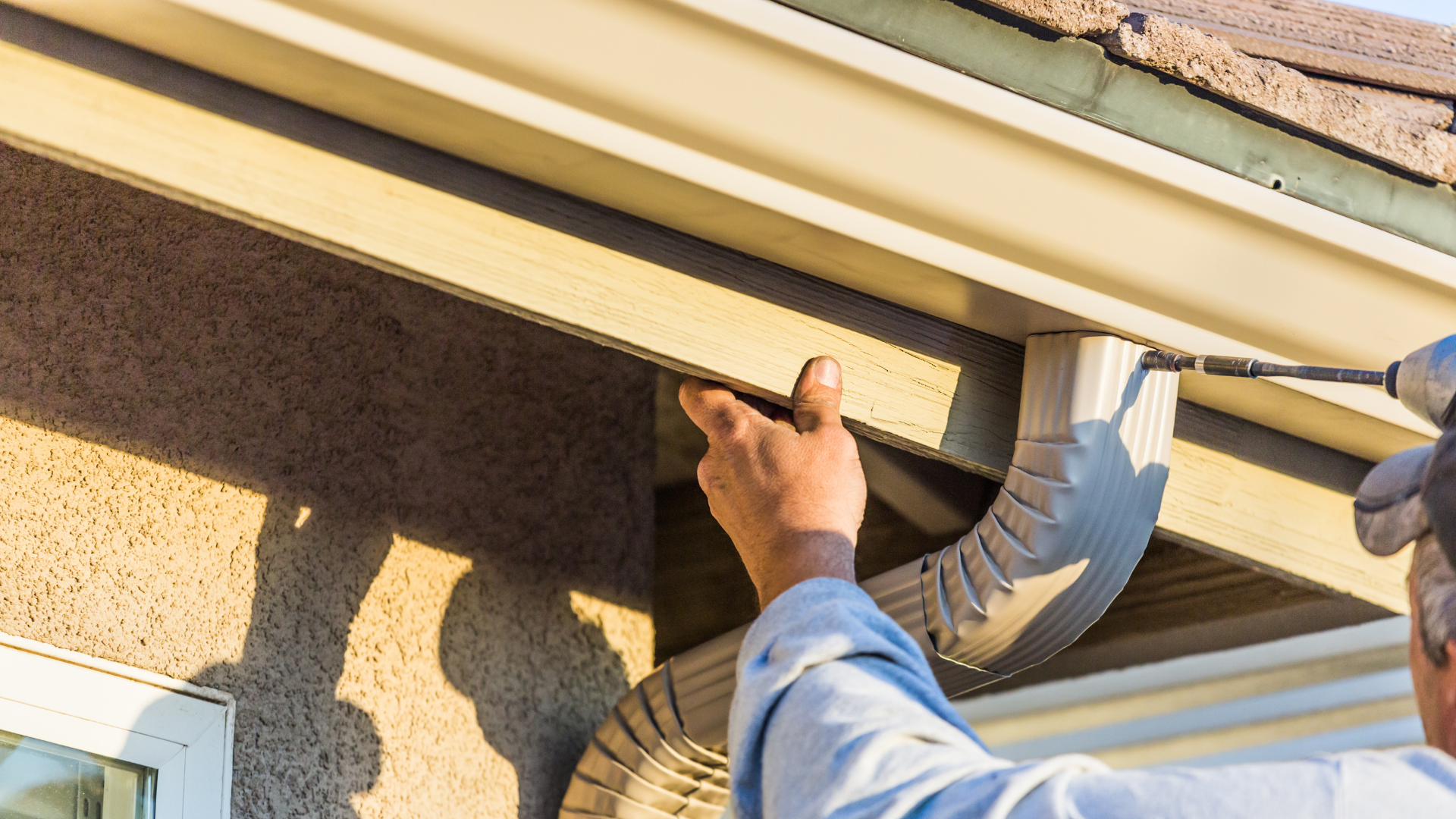
Gutters are only as secure as the surface they are attached to. When fascia boards are soft, rotted, or structurally compromised, installing new gutters without correcting the underlying damage can create problems almost immediately. Fasteners may not hold properly, sections of gutter can sag, and water can continue entering areas that should have been addressed before installation. That is why rotten fascia should be replaced before new gutters are installed. Fascia Has an Important Structural Role Fascia is the board that runs along the edge of the roof, directly behind the gutters on many homes. It helps create a finished roofline while also providing an attachment surface for the gutter system. Because it sits at the edge of the roof, fascia is regularly exposed to moisture, wind-driven rain, overflowing gutters, and water that may escape damaged roofing components. When the wood begins to rot, it loses strength. A gutter system attached to weakened material may not remain secure over time.
October 7, 2026
A roof is not made from one product . Shingles, underlayment, flashing, ventilation components, fasteners, sealants, and roof decking all work together as a system. That is why material compatibility matters. A premium shingle can only perform as intended when the surrounding components are appropriate for the roof design, climate, and installation method. Mixing materials without considering how they interact can create weak points, shorten service life, or complicate warranty coverage. For homeowners planning a roof replacement, it helps to think beyond the visible surface. The Shingles Are Only the Top Layer Shingles are the most noticeable roofing material, but they are only one part of the assembly. Beneath them, underlayment provides an additional layer of protection. Flashing directs water away from vulnerable transitions. Ventilation helps manage attic heat and moisture. Fasteners hold the system in place. Each component has its own job. If one layer is poorly matched to the others, the roof may not perform as a complete system. That is why roof replacement should be planned as a coordinated installation rather than a collection of separate products.
October 4, 2026
Roof repairs make sense when damage is limited, the surrounding materials are still in good condition, and the roofing system has plenty of useful life left. But there comes a point when repeated repairs stop being the most practical approach. An aging roof may begin developing problems in several areas at once. At that stage, homeowners can end up paying for one repair after another without addressing the broader condition of the system. Knowing when to move from repair to replacement can help prevent unnecessary spending and reduce the risk of more serious damage later. Age Is an Important Starting Point Every roofing material has a typical service life , but age alone does not determine whether replacement is necessary. Installation quality, ventilation, weather exposure, maintenance, and material type all affect how long a roof performs well. Still, an older roof that begins requiring frequent repairs deserves a closer look. If shingles are failing in several areas or leaks are becoming more common, the issue may no longer be isolated.
September 26, 2026
A home’s roof, siding, gutters, soffits, fascia, and trim all work together. When one part starts to fail, it can affect the others. That is why treating exterior problems one at a time can sometimes lead to repeated repairs, mismatched materials, or missed opportunities to address the real cause. Whole-home exterior planning takes a broader view. Instead of asking only, “What needs to be fixed today?” it looks at how the entire exterior is aging and how each component affects the next. The Roof Can Affect More Than the Roof A roofing problem does not always stay confined to shingles. If water reaches the roof edge, it may affect fascia, soffits , gutters, siding, or even the wall system below. Damaged flashing can also direct water into areas that are difficult to see from the ground. When roof replacement is being considered, it makes sense to evaluate the surrounding exterior at the same time.  This can reveal whether related components should be repaired, replaced, or coordinated with the roofing project.
September 16, 2026
Fall is one of the best times to look closely at the condition of a roof before colder weather arrives. Once temperatures begin dropping , small roofing problems can become harder to ignore. Moisture, wind, freezing temperatures, and repeated freeze-thaw cycles can all put additional stress on an aging roofing system.  A pre-winter review does not mean climbing onto the roof yourself. Many warning signs can be spotted from the ground or inside the attic, while a professional inspection can address areas that are difficult or unsafe to evaluate.
September 10, 2026
Many homeowners assume a roof is performing well as long as there are no visible leaks. Unfortunately, roofing problems can develop long before water begins dripping through the ceiling.  A roof may already be losing its ability to protect the home because of aging materials, weakened flashing, deteriorated underlayment , ventilation problems, or damaged shingles. By the time an interior leak becomes obvious, moisture may have already affected decking, insulation, trim, or other parts of the structure.