Why Water Damage Often Starts Where Two Exterior Systems Meet
Water damage rarely announces itself at the exact place where the problem began.
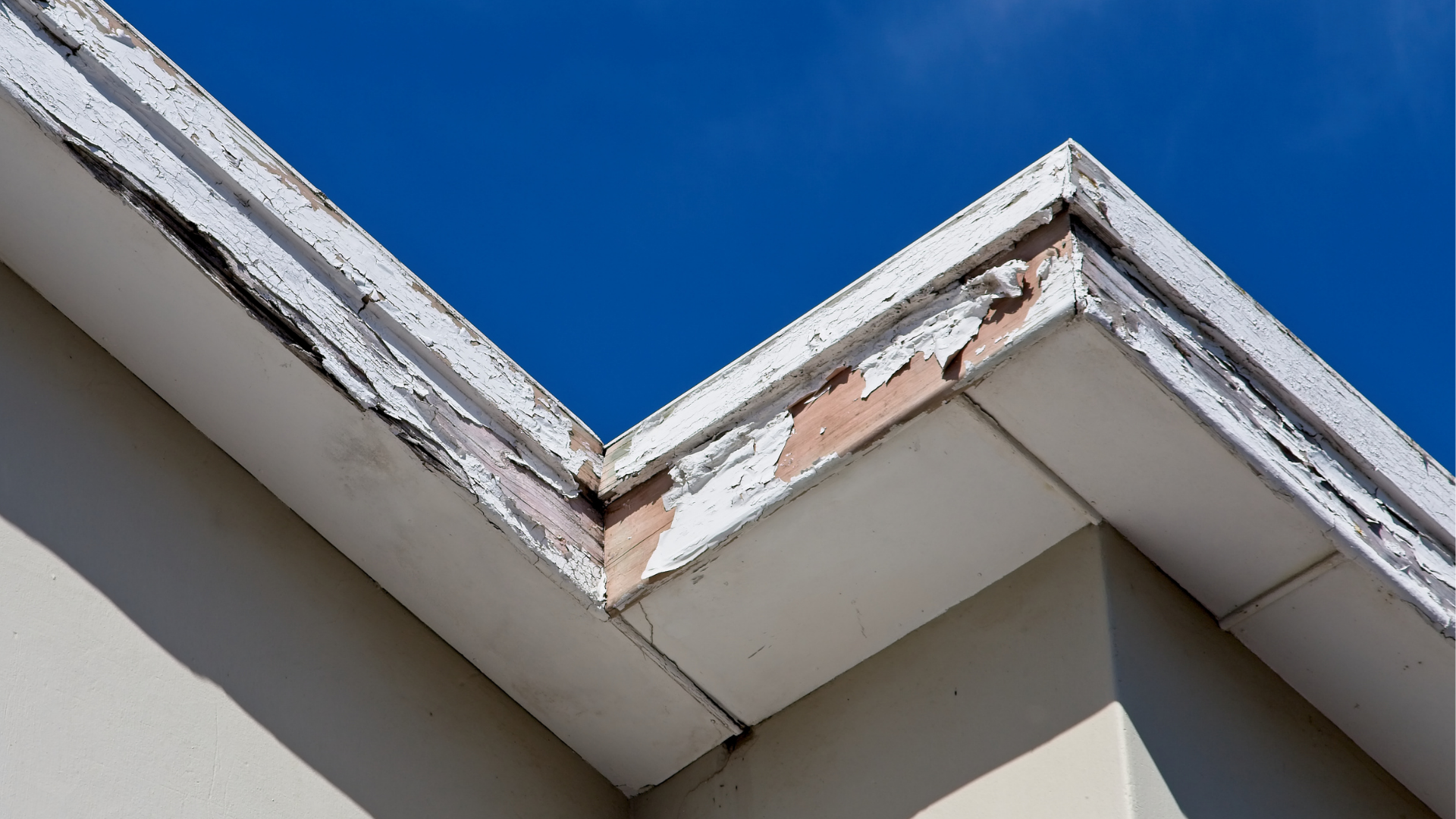
A stain may show up inside near a window. Rot may appear along a fascia board. Siding may start to swell or discolor. By the time the damage becomes visible, water may have been entering somewhere else entirely.
One of the most common places for that kind of trouble is where two exterior systems meet.
Roofs, siding, windows, trim, gutters, chimneys, and walls all depend on carefully built transitions.
When those transitions are weak, water can find a path behind the finished materials.
Transitions Are More Vulnerable Than Open Surfaces
A broad, uninterrupted roof slope is usually straightforward.
So is a large section of siding.
The complexity increases where those surfaces stop, turn, overlap, or connect to something else.
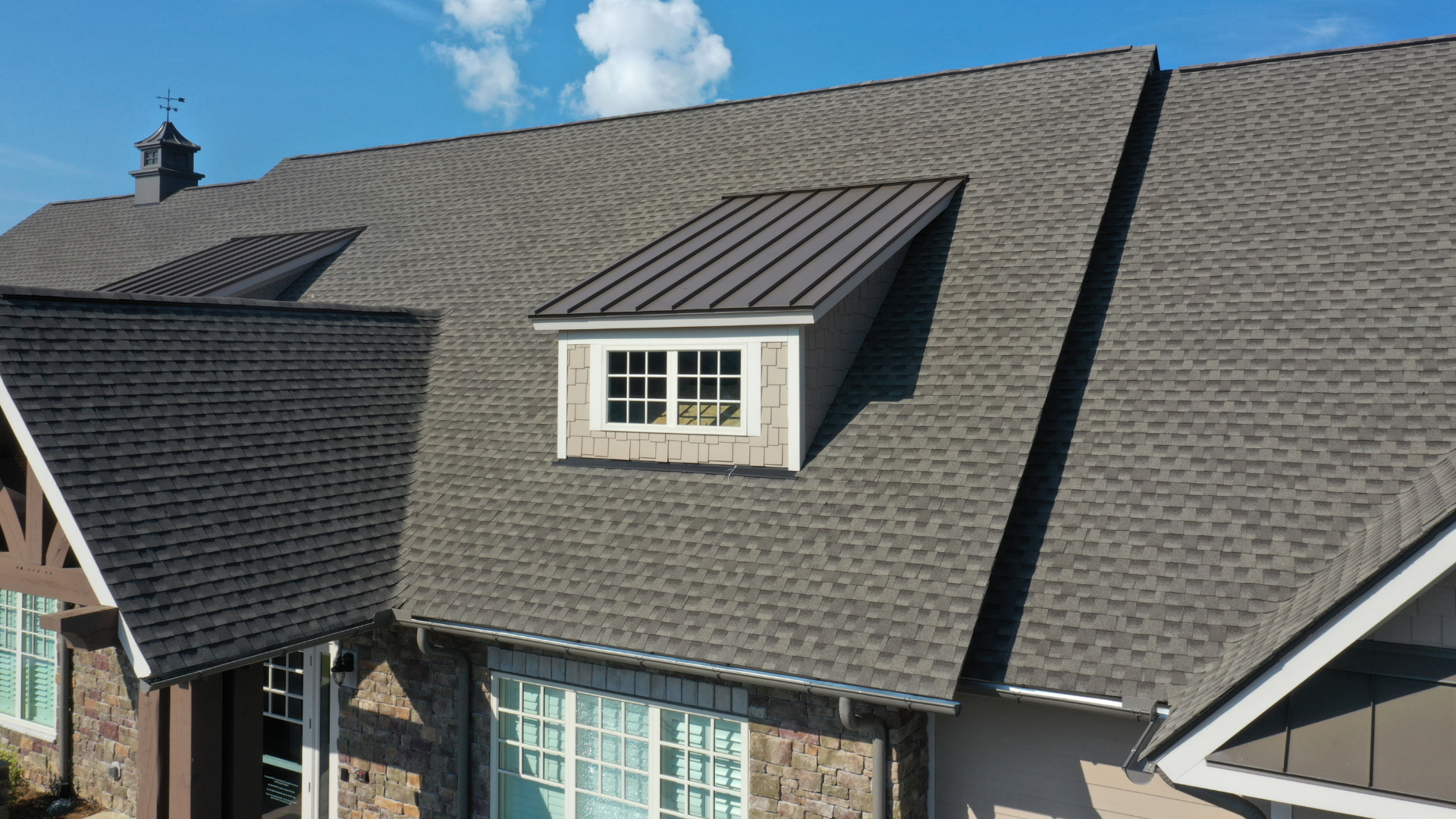
Roof-to-wall intersections, dormers, valleys, window edges, chimneys, fascia lines, and siding transitions all require special attention because water is moving across several materials at once.
These areas depend heavily on flashing, sealants, overlaps, and drainage details working together.
If even one part is installed poorly or deteriorates over time, moisture can begin moving behind the exterior.
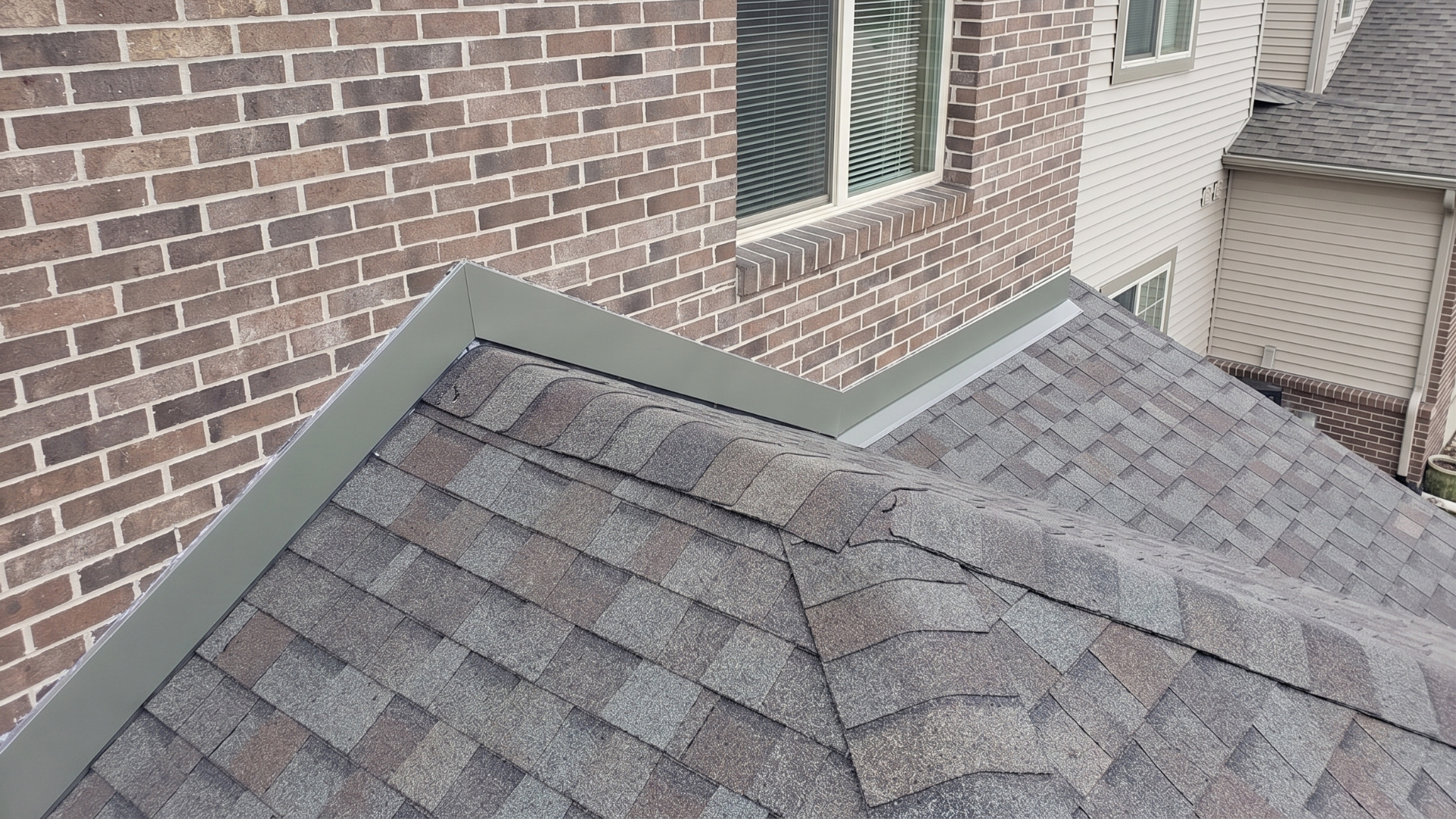
Roof-to-Wall Areas Deserve Special Attention
Where a roof meets a vertical wall, water needs to be directed away without allowing it to slip behind the siding.
That usually involves carefully integrated flashing.
If flashing is missing, damaged, poorly layered, or disturbed during previous work, water can get into the wall assembly.
The damage may not become obvious immediately.
Moisture can travel through sheathing, framing, or insulation before anyone notices an interior stain or exterior deterioration.
That is why roof replacement should not be treated as only a shingle project.
The surrounding wall transitions matter too.
Windows and Doors Can Become Entry Points
Windows and doors interrupt the siding system, which creates more seams and more places where water needs to be controlled.
The visible trim may look fine even while water is getting behind it.
Proper flashing above and around openings helps direct moisture back to the exterior instead of allowing it to enter the wall.
During siding replacement, these areas deserve careful inspection.
If the old siding has hidden moisture damage around windows or doors, simply covering the area with new material does not solve the underlying problem.
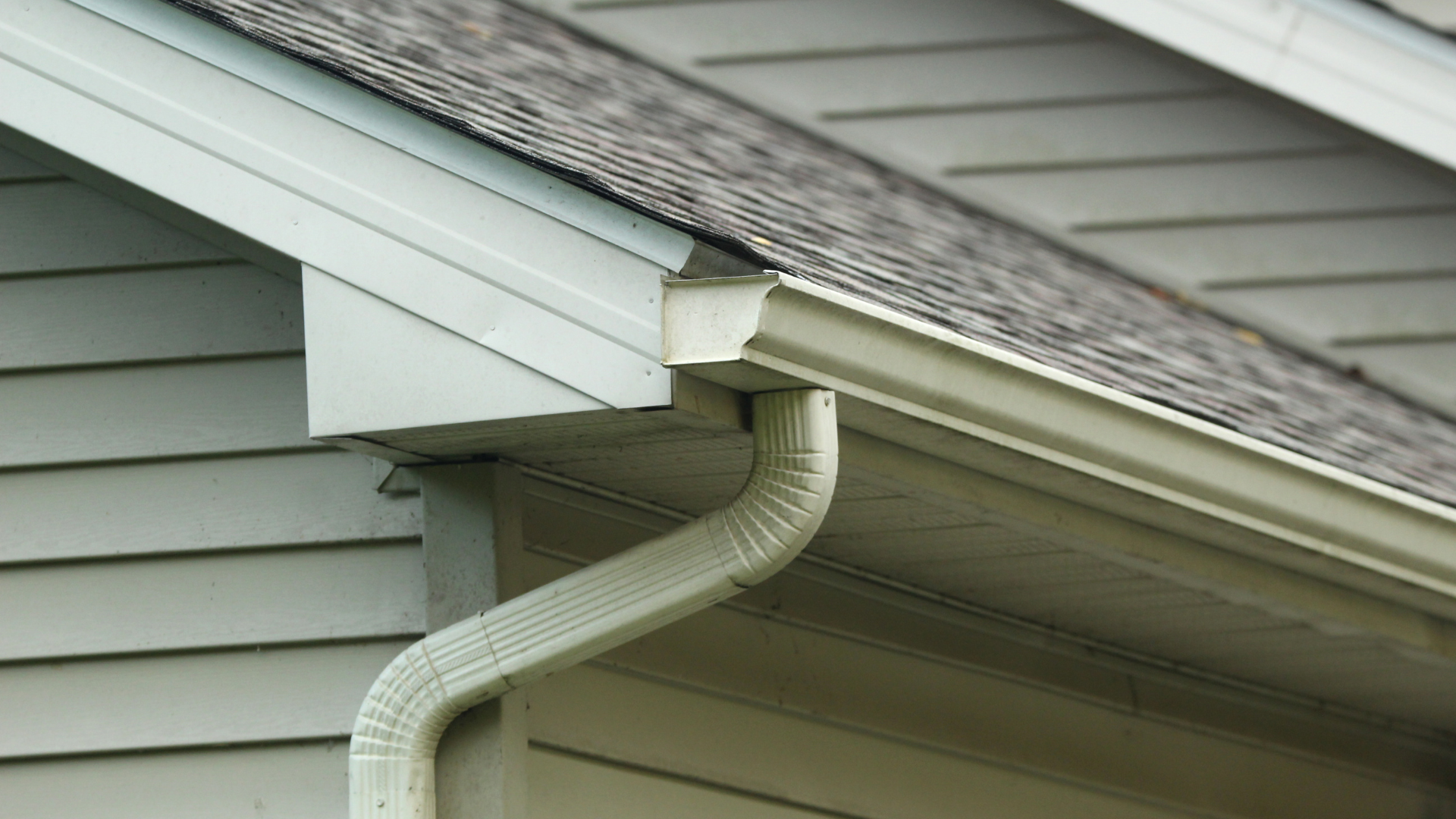
Fascia, Gutters, and Roof Edges Work Together
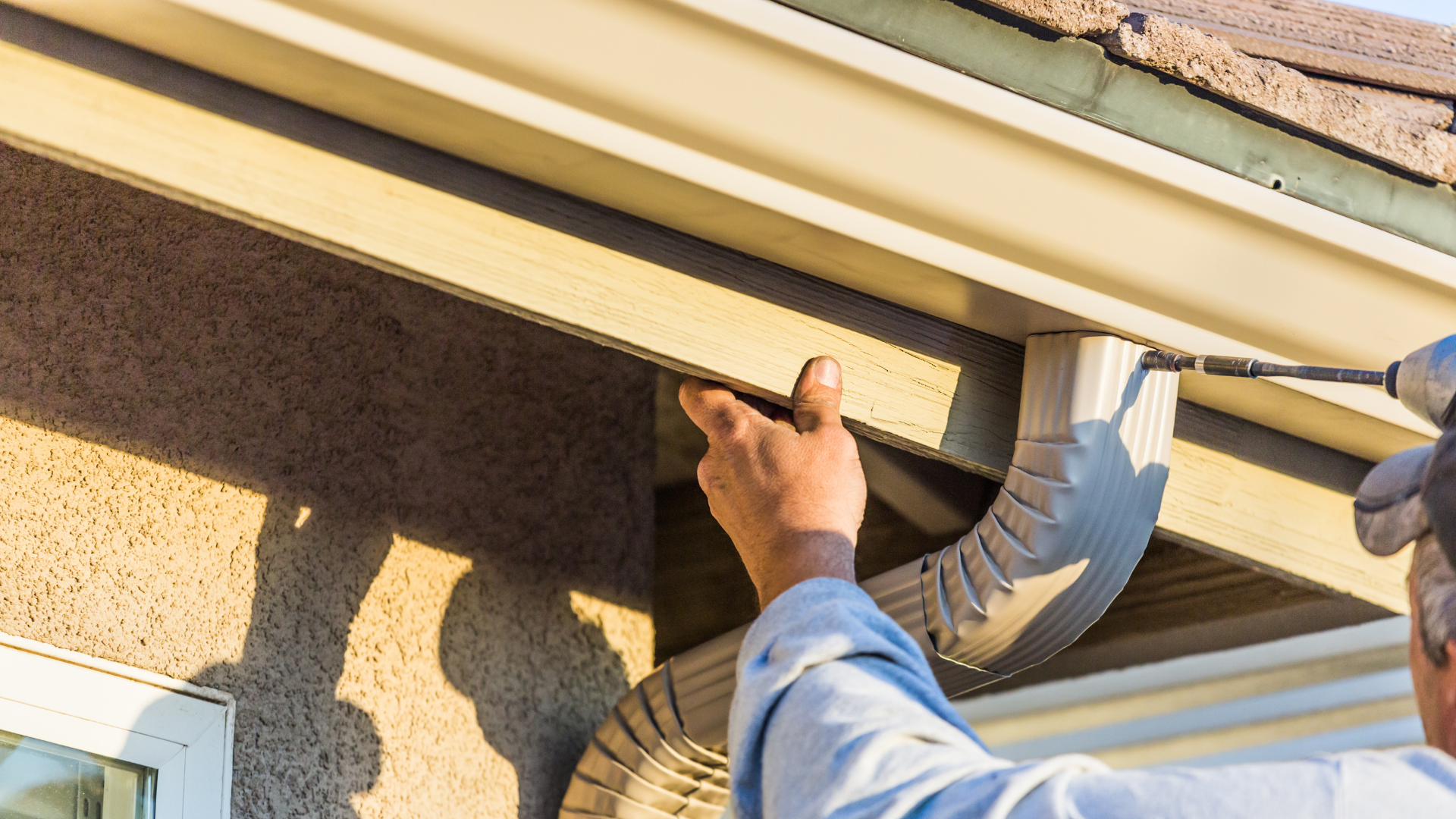
Roof edges are another place where several systems meet.
Shingles, drip edge, fascia, soffits, and gutters all interact.
If gutters overflow or pull away from the fascia, water can run where it should not.
If fascia is already rotten, installing new gutters over it only hides the problem.
Rotten fascia should be replaced, not repaired around or covered.
Paese Construction treats these components as part of a connected exterior system because one weak area can affect several others.
Water Can Travel Before It Becomes Visible
One reason transition problems are difficult to diagnose is that water does not always move straight down.
It can follow framing, sheathing, fasteners, or seams before appearing somewhere else.
That means the visible damage may be several feet from the actual entry point.
This is why surface symptoms need context.
Replacing damaged siding, trim, or drywall without finding the source of the moisture can lead to the same problem returning.
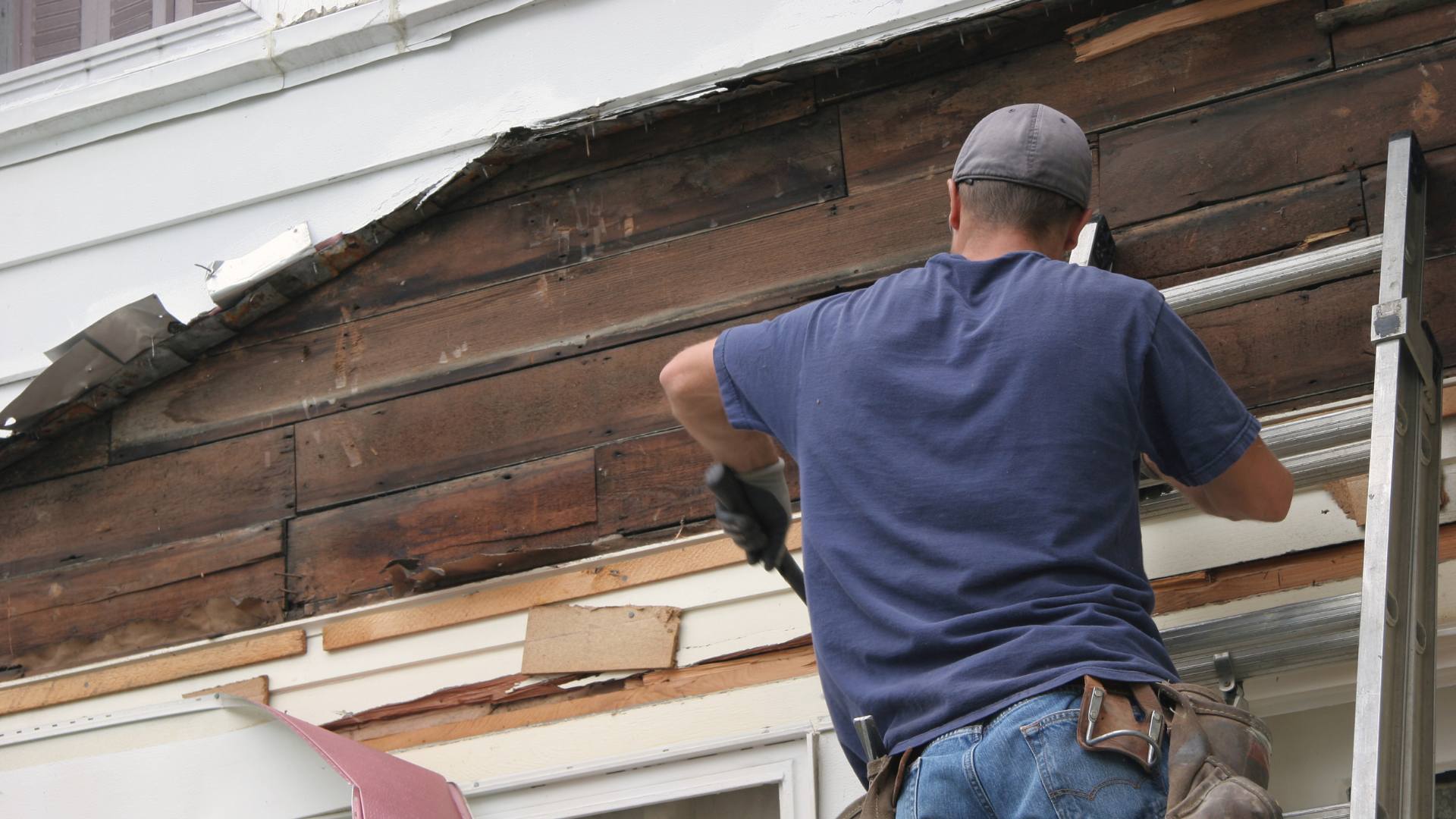
Replacement Projects Offer a Valuable Opportunity
Roof and siding replacement often reveal areas that were previously hidden.
That can be useful.
Removing old materials gives the contractor an opportunity to inspect sheathing, flashing, trim, and other transition points before the new system is installed.
If damage is found, it can be addressed rather than sealed behind brand-new materials.
That helps protect the value of the renovation.
Good Exteriors Depend on Good Connections
The strongest exterior is not simply the one with the best individual products.
It is the one where the roof, siding, trim, windows, gutters, and flashing all work together.
Paese Construction helps homeowners look beyond individual materials and evaluate how those systems connect.
If you are planning a roof or siding replacement, contact Paese Construction to discuss the transition points, hidden conditions, and water-management details that can make the difference between a surface upgrade and a more complete exterior solution.