What Homeowners Should Check on the Roof Before the First Freeze
Fall is one of the best times to look closely at the condition of a roof before colder weather arrives. Once temperatures begin dropping, small roofing problems can become harder to ignore. Moisture, wind, freezing temperatures, and repeated freeze-thaw cycles can all put additional stress on an aging roofing system.
A pre-winter review does not mean climbing onto the roof yourself. Many warning signs can be spotted from the ground or inside the attic, while a professional inspection can address areas that are difficult or unsafe to evaluate.
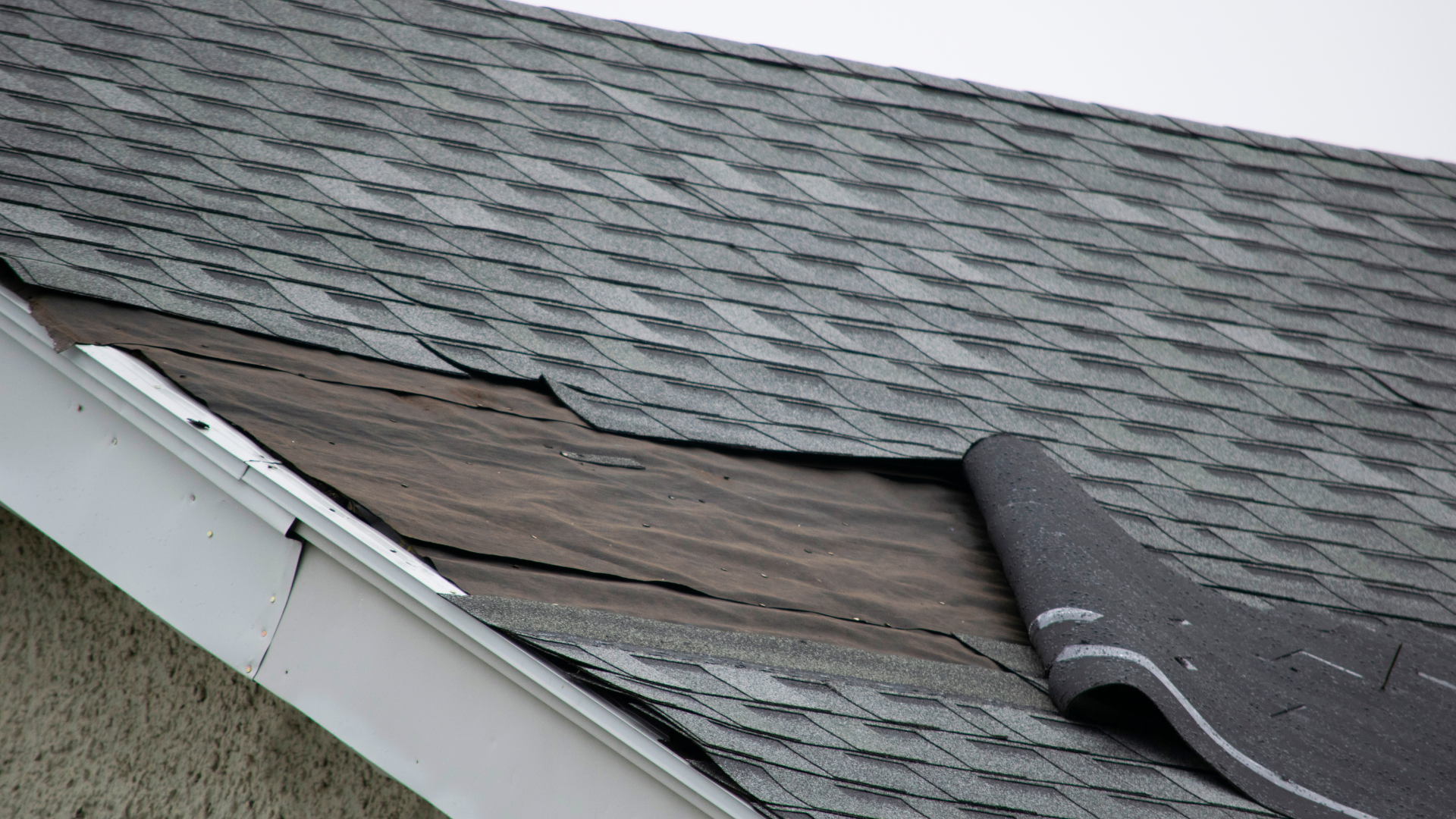
Look for Missing, Lifted, or Damaged Shingles
Start with the visible roofing surface.
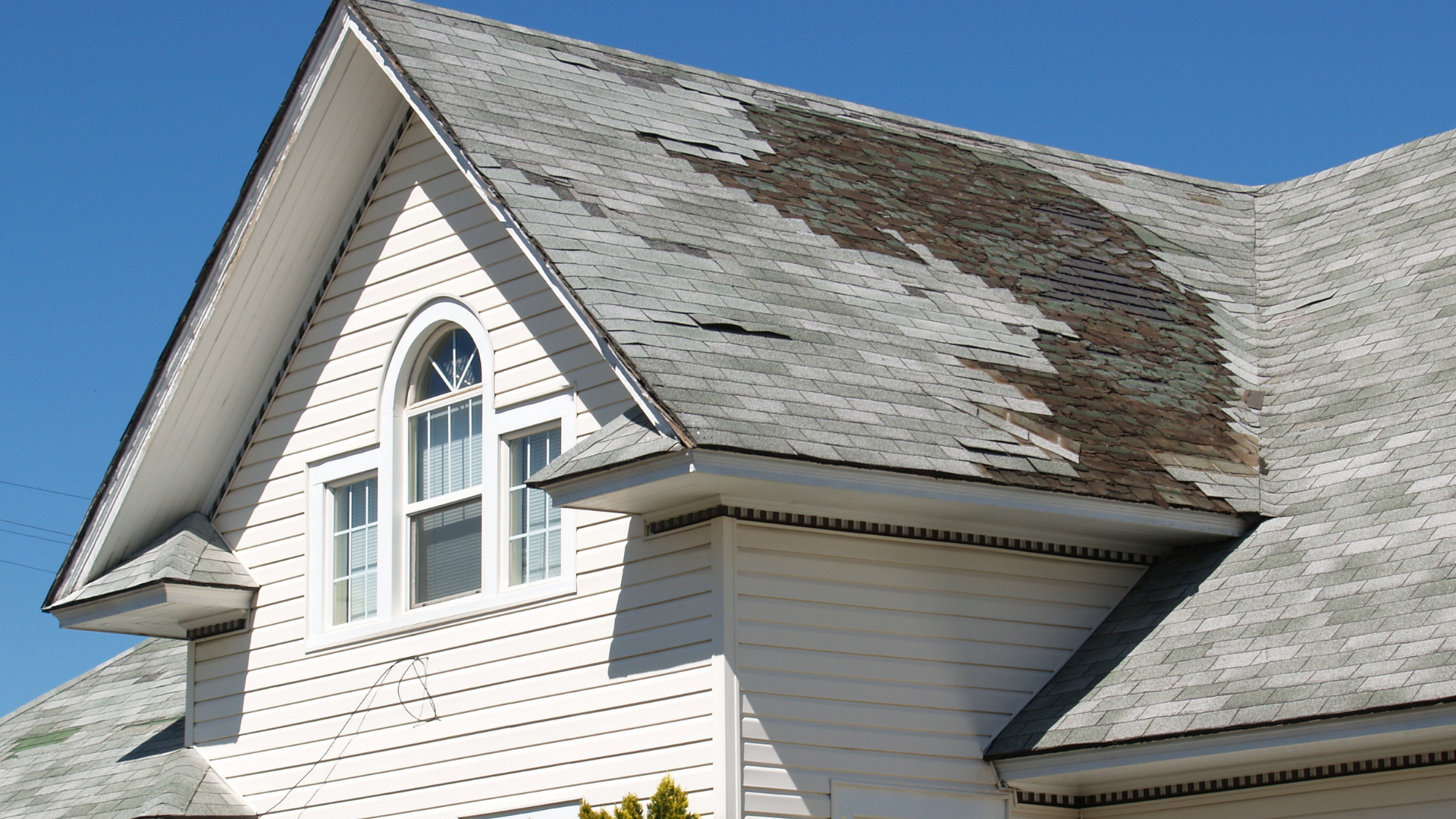
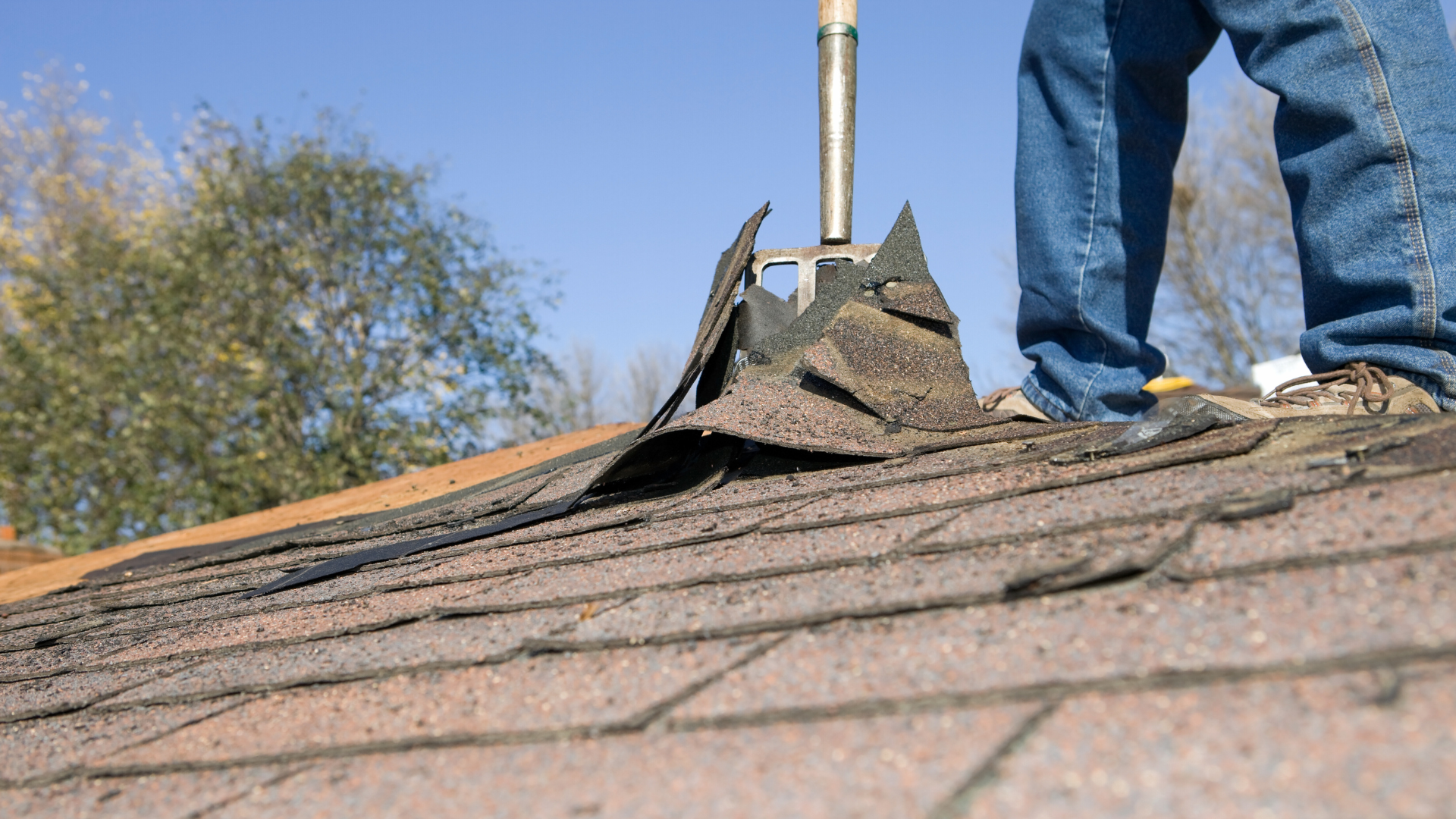
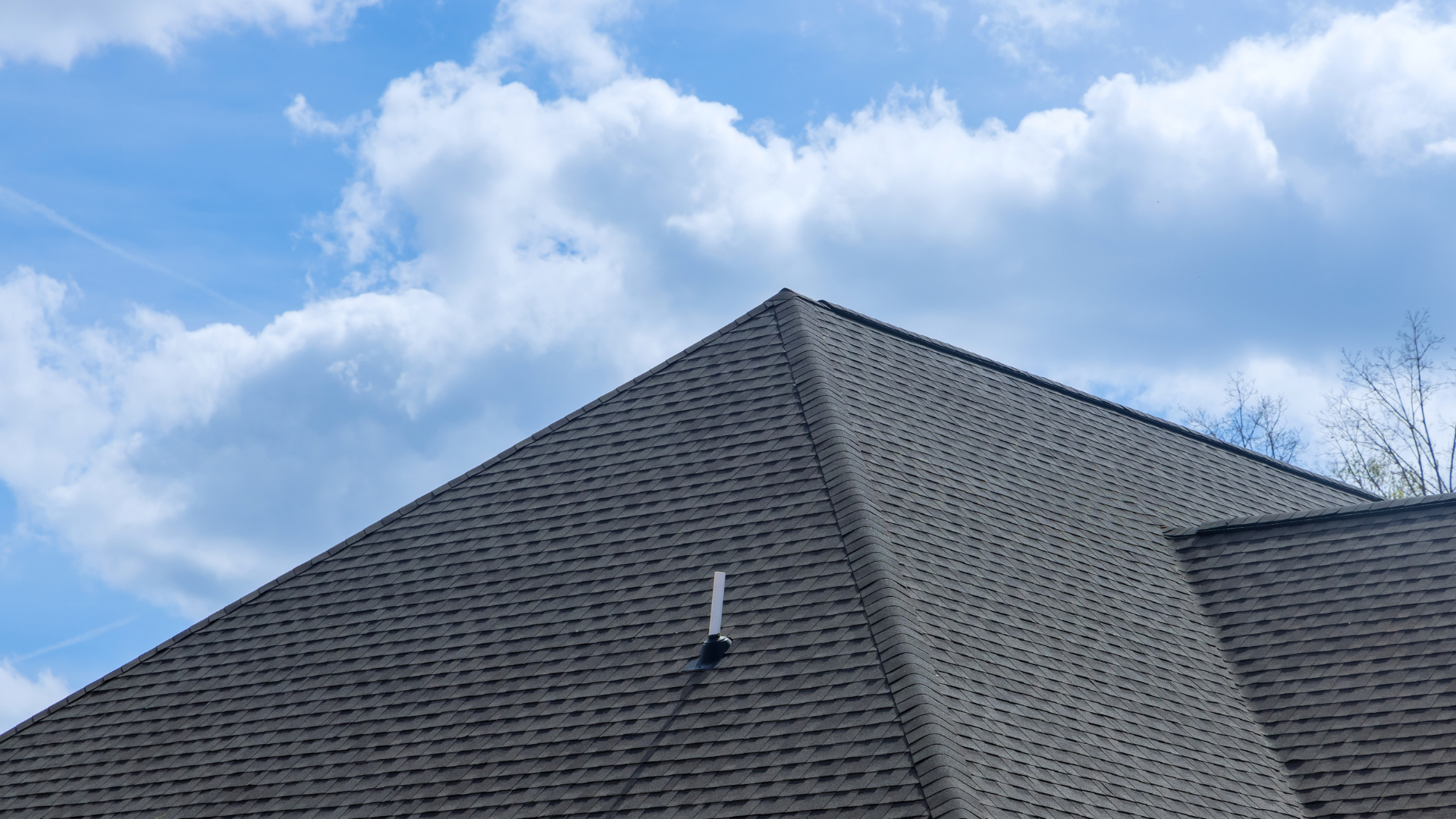
Missing shingles are easy to notice, but other damage can be more subtle. Shingles may curl, crack, lift at the edges, or lose granules as they age.
A shingle that is still technically in place may not be providing the same protection it once did.
Windy fall weather can also expose weak areas that developed during the summer, making early autumn a useful time to identify problems before winter conditions arrive.
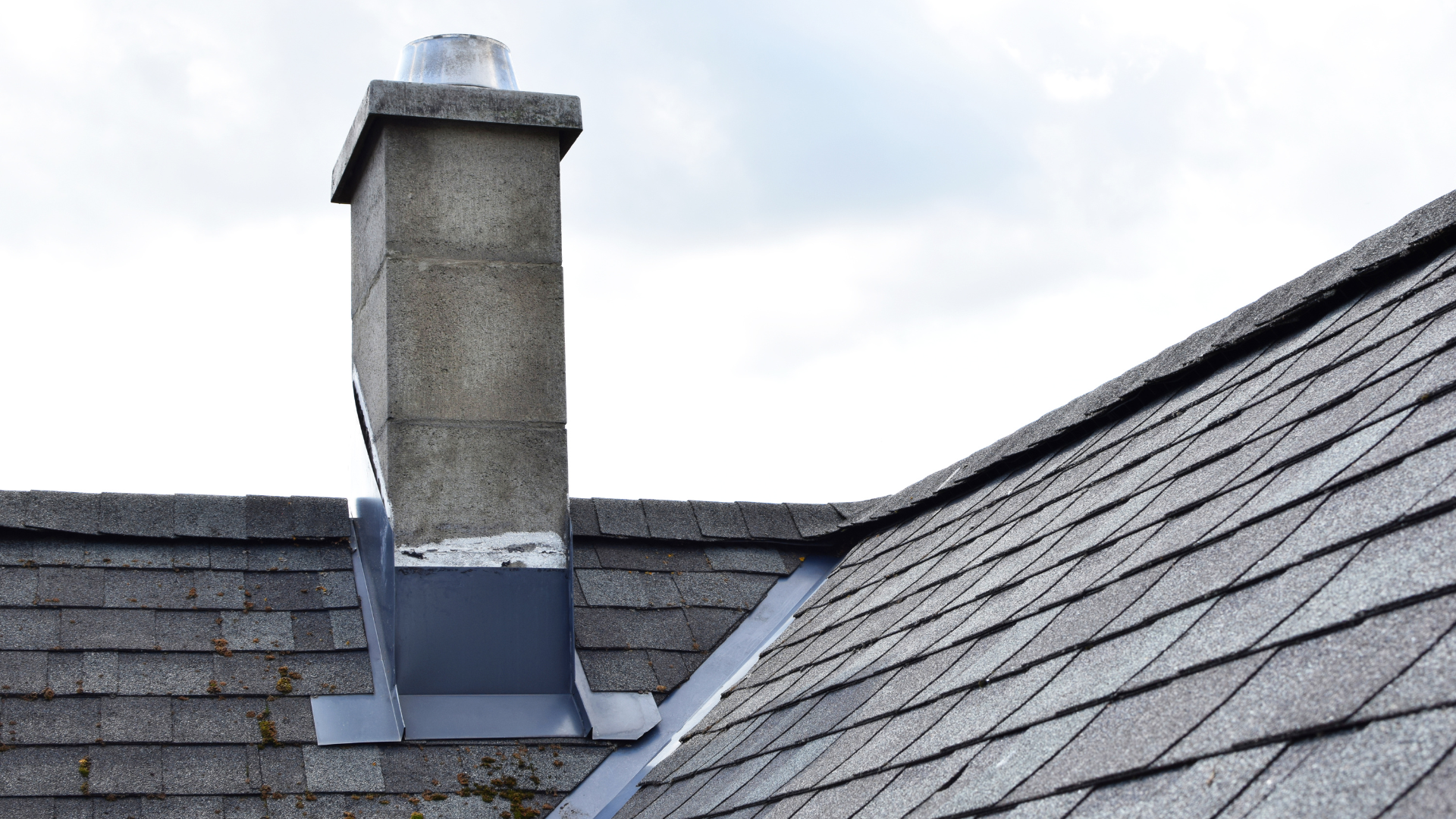
Pay Attention to Flashing
Flashing protects some of the most vulnerable transition points on a roof.
It is commonly installed around chimneys, vents, skylights, walls, valleys, and other areas where roofing surfaces meet another structure.
If flashing becomes loose, corroded, bent, or separated, moisture may be able to enter beneath the roofing system.
Because these areas are not always easy to inspect from the ground, they deserve special attention during a professional roof evaluation.
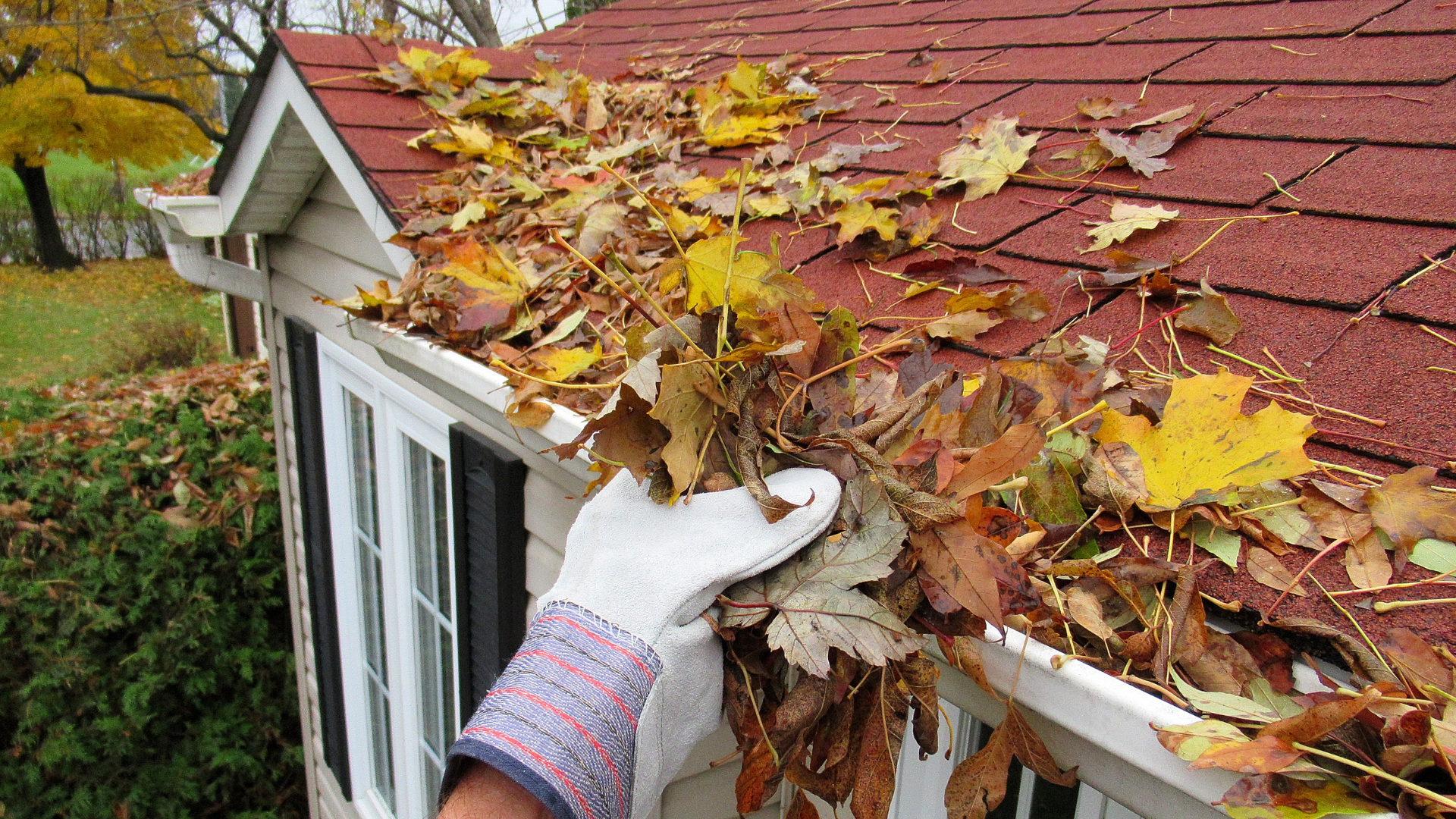
Check Gutters and Downspouts
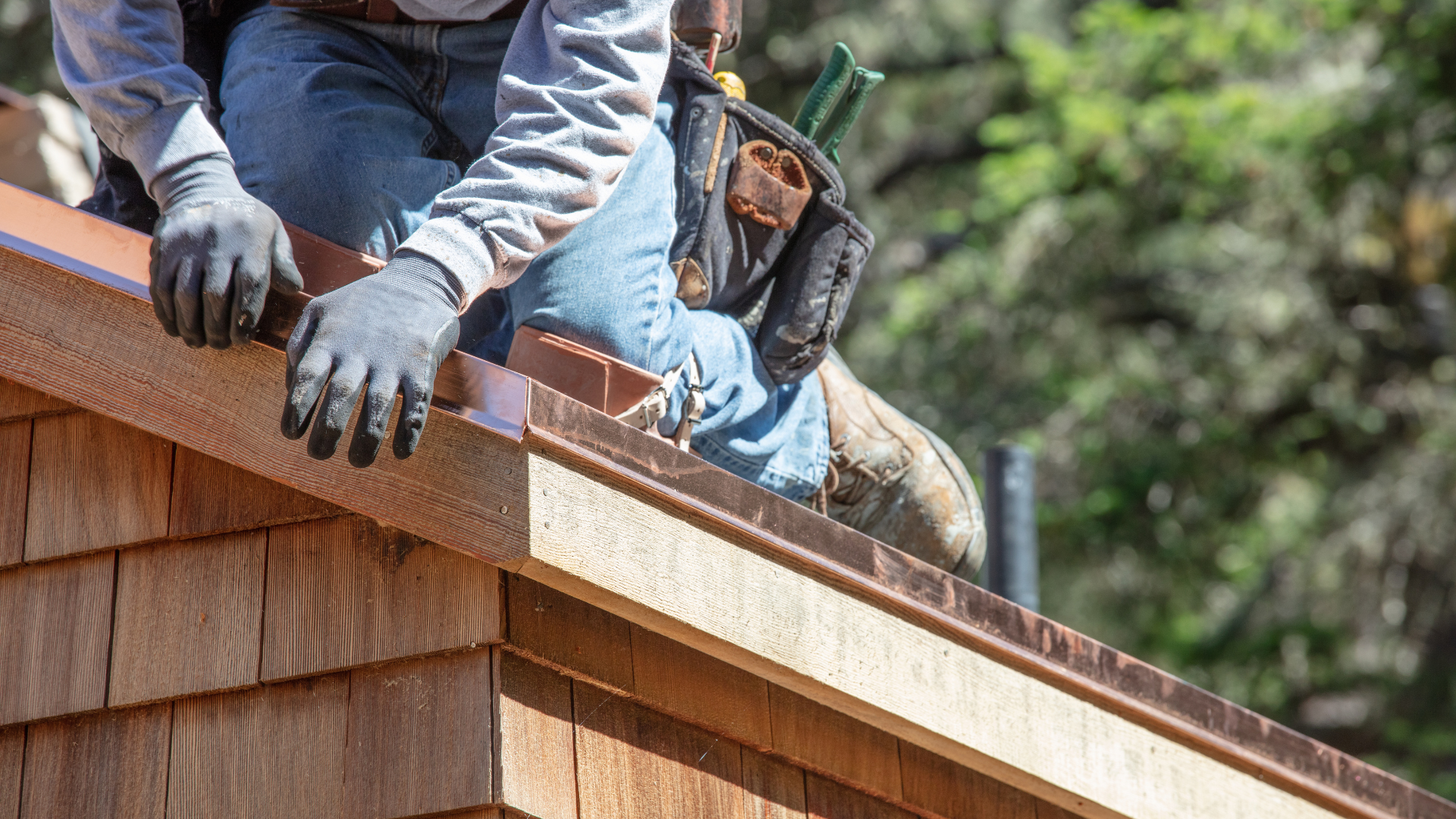
Fall leaves can quickly fill gutters and interfere with drainage.
When water cannot move efficiently through the gutter system, it may overflow near the roof edge, fascia, siding, or foundation.
Before the first freeze, gutters should be cleared of leaves, twigs, and other debris, and downspouts should be checked to make sure water is moving away from the house.
This is also a good time to look for sagging sections, loose fasteners, or water running behind the gutter.
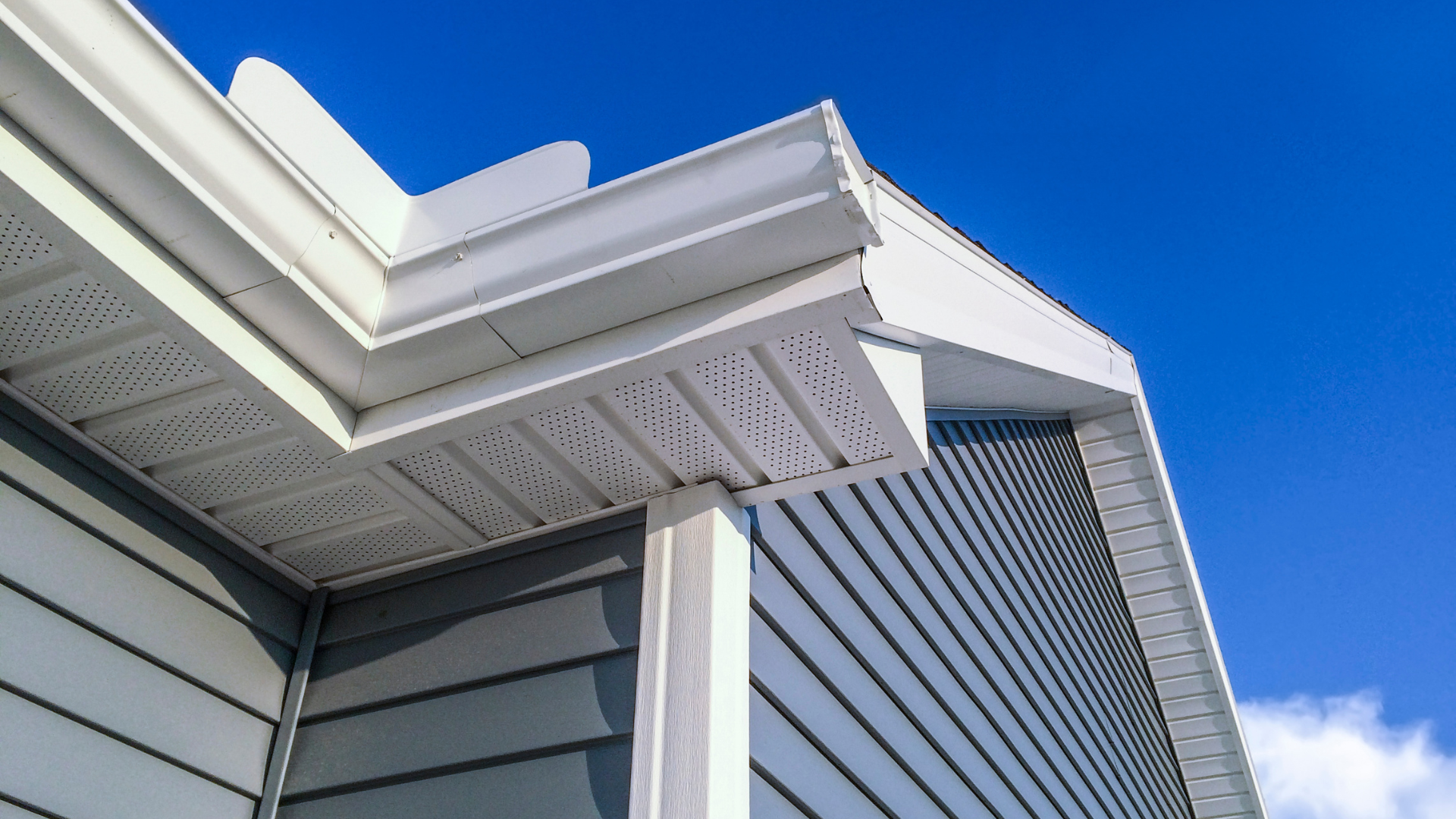
Inspect Fascia and Soffits
The roof edge can reveal problems that are easy to miss elsewhere.
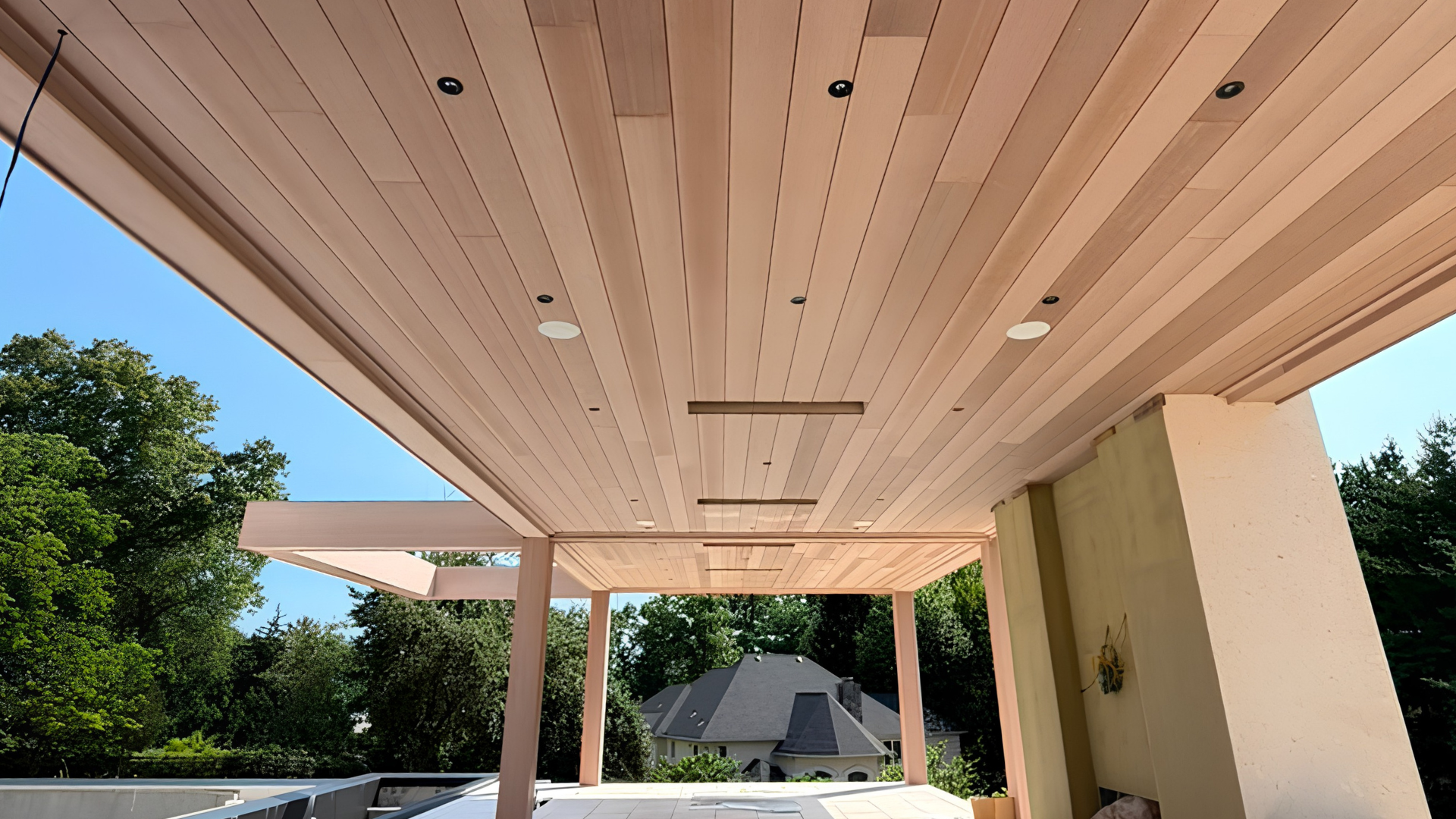
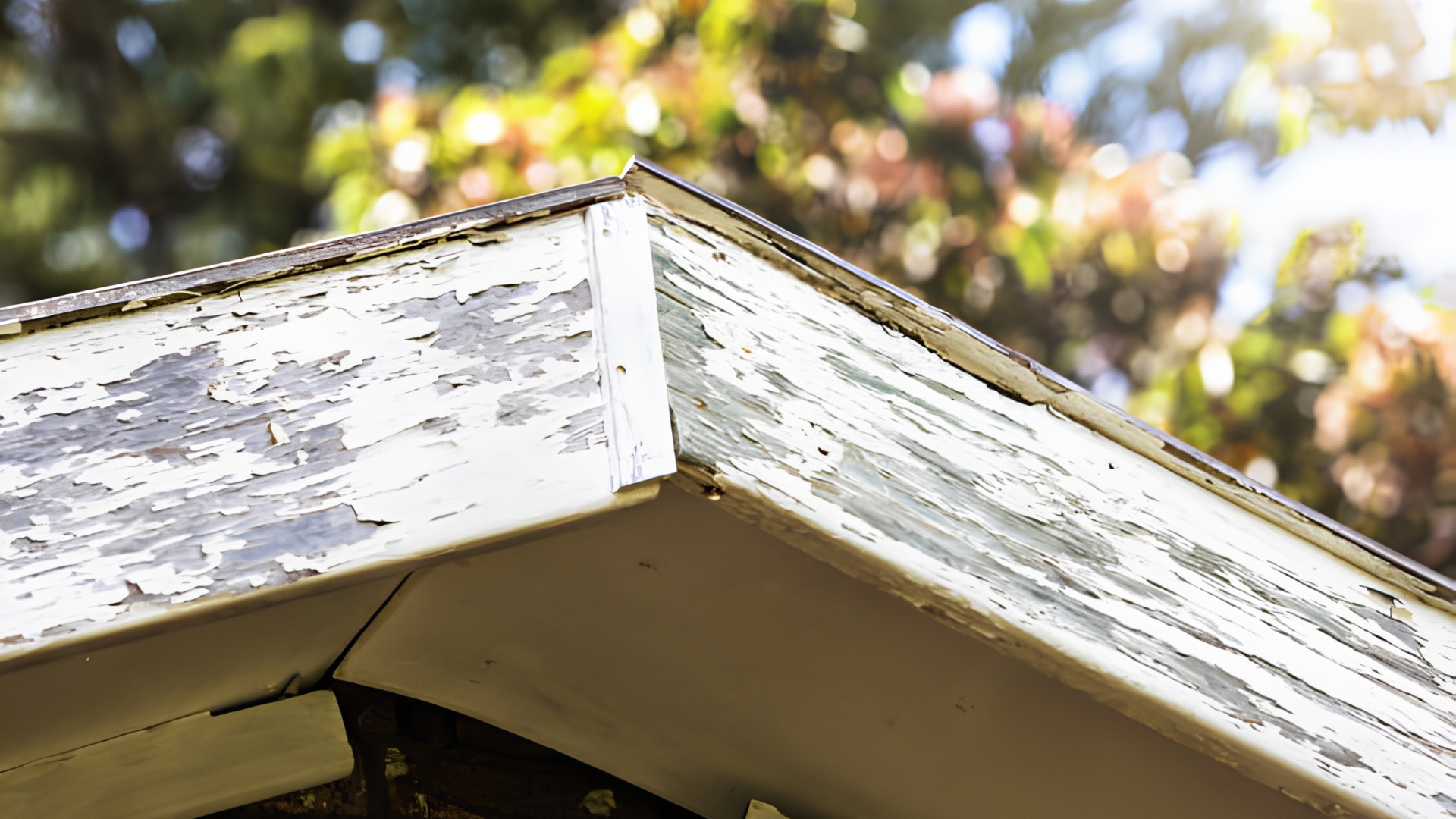
Fascia boards may show staining, peeling paint, softness, or signs of rot. Soffits may show discoloration, gaps, or other evidence that moisture has been reaching areas where it should not.
These components are important for both appearance and roof performance.
Soffits can also be part of the attic ventilation system, so damage may affect more than the exterior finish.
Look Inside the Attic
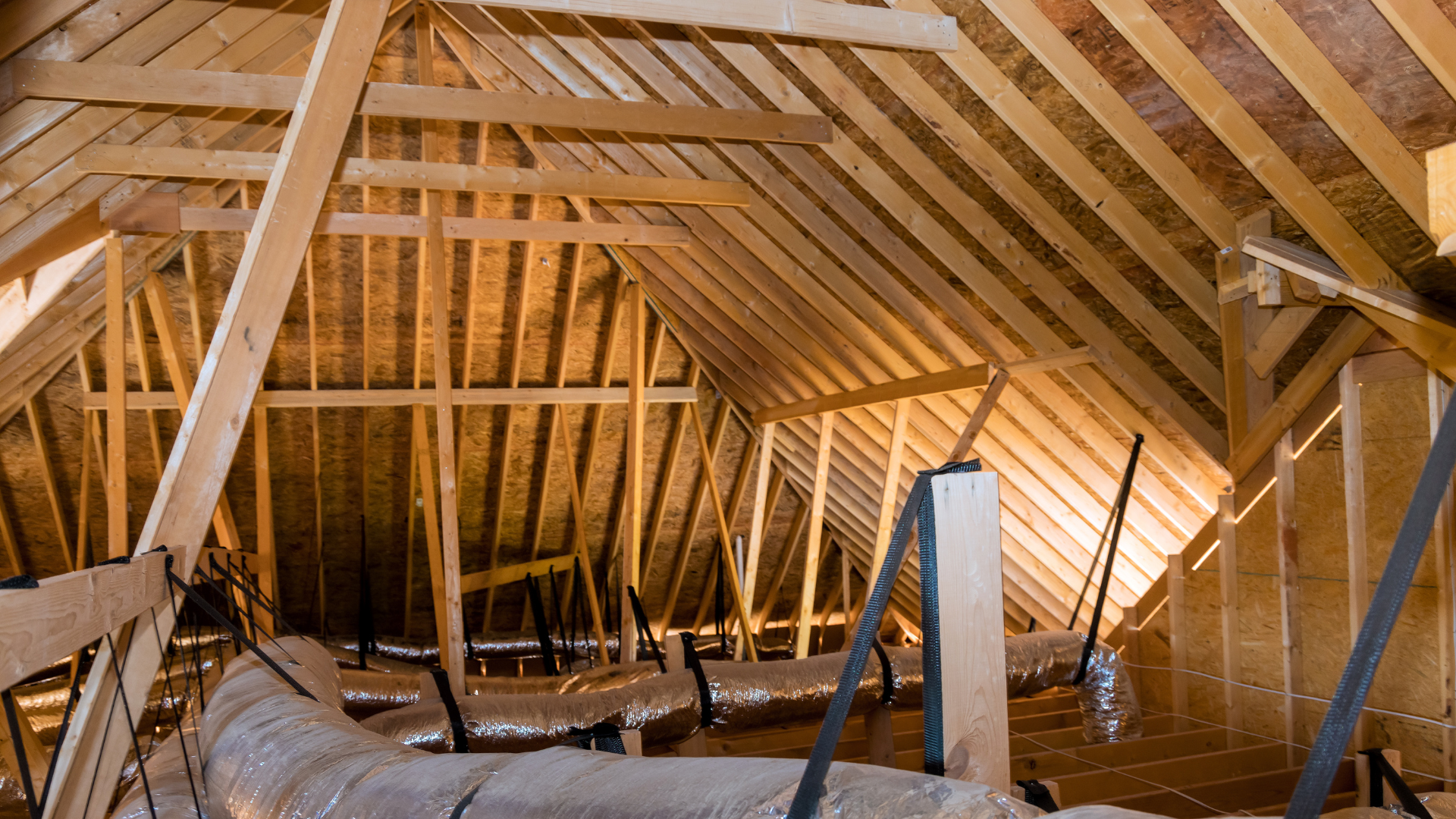
The attic can sometimes reveal roof problems before they are obvious outside.
Check for water stains, damp insulation, darkened roof decking, musty odors, or areas where daylight is visible through unexpected openings.
Ventilation also matters.
Poor airflow can contribute to excess heat and moisture in the attic, and that moisture can become especially problematic during colder months.
If the attic feels unusually damp or shows condensation, the ventilation system may need to be evaluated.
Watch for Signs of Aging Materials
A roof does not have to be actively leaking to be approaching the end of its useful life.
Brittle shingles, widespread granule loss, repeated repairs, deteriorated flashing, and visible wear across several areas can all suggest that the system is aging.
When multiple problems begin appearing at once, continuing to repair individual areas may no longer be the most practical approach.
That is where a professional evaluation can help determine whether targeted repairs are still reasonable or whether replacement should be considered.

Think About the Whole Exterior System
The roof does not work alone.
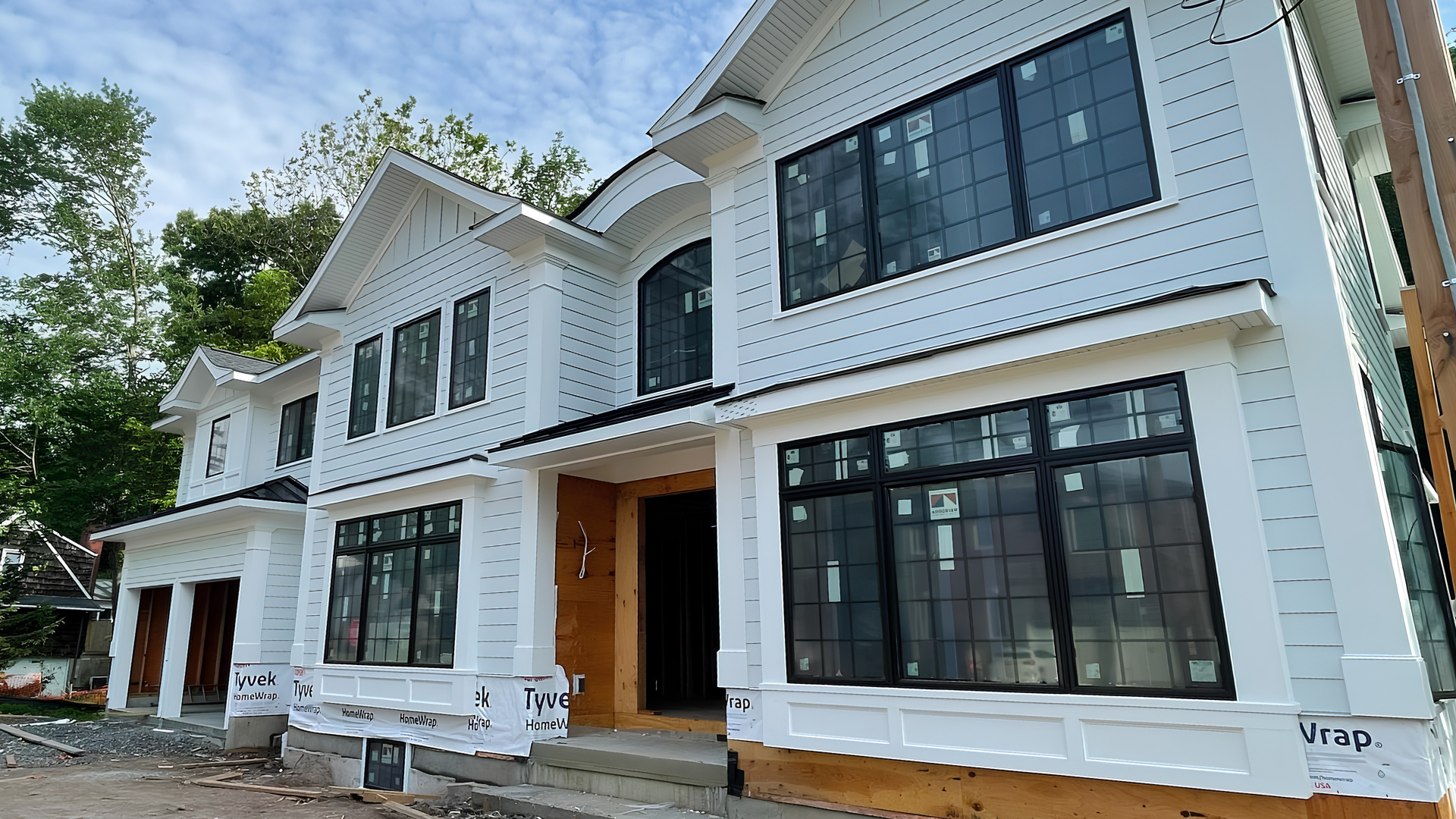
Siding, gutters, fascia, soffits, flashing, and drainage all interact with one another. A roof may be in relatively good condition while damaged gutters direct water toward trim or siding. Likewise, deteriorated fascia can complicate gutter performance.
This is why exterior maintenance is more effective when the entire system is considered together rather than as isolated parts.
Prepare Before Winter Arrives
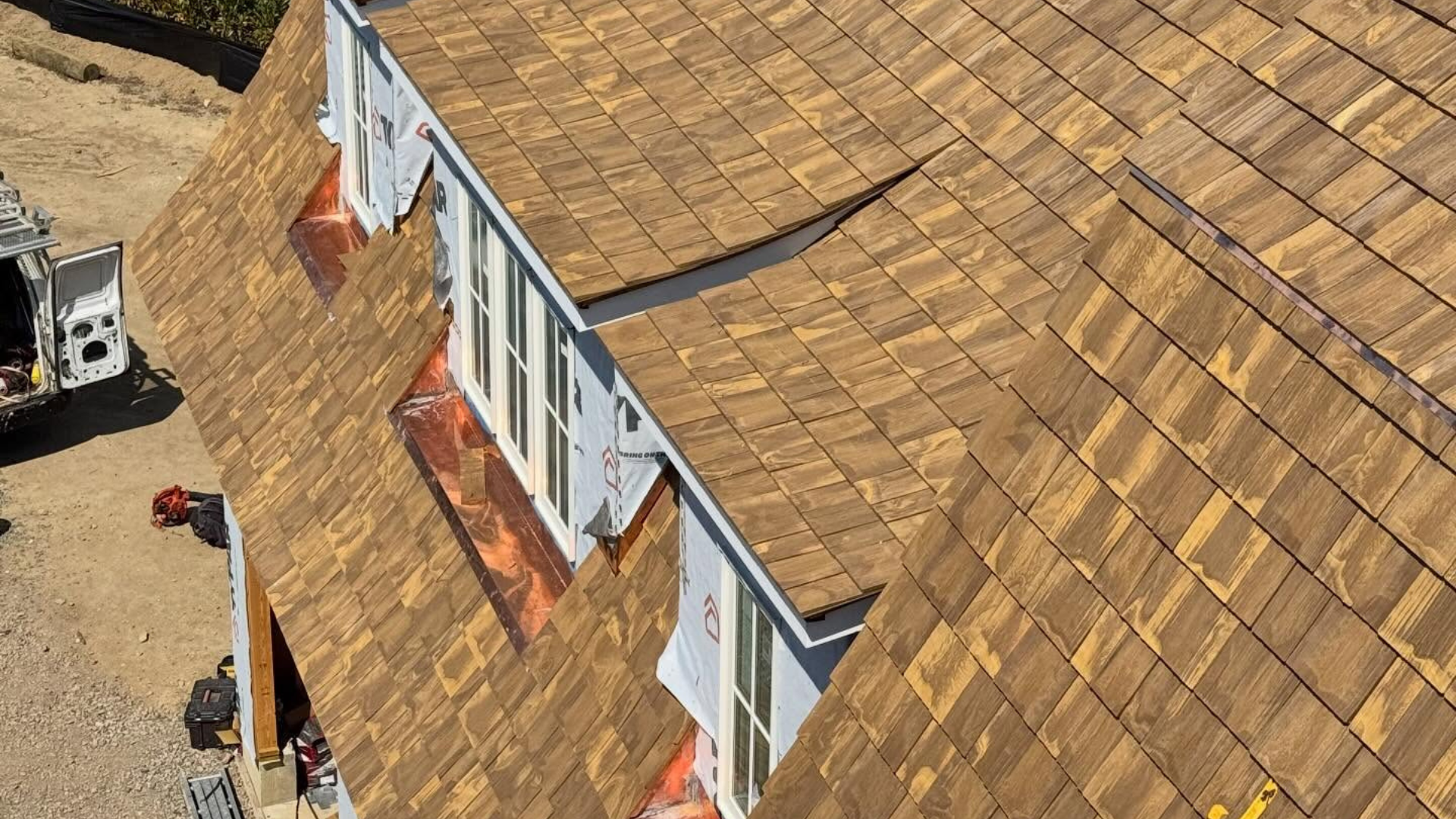
A fall roof check gives homeowners an opportunity to address concerns while weather conditions are still relatively manageable.
Paese Construction specializes in high-quality roof replacement, siding replacement, exterior trim, and gutter work using leading materials from manufacturers including GAF, Owens Corning, CertainTeed, James Hardie, and Mule-Hide.
If your roof is showing signs of age, storm damage, or repeated repair needs, contact Paese Construction before the first freeze. A careful evaluation can help you understand whether the roof is ready for winter or whether replacement should be planned before small problems become larger ones.