Why Material Compatibility Matters Across the Whole Roofing System
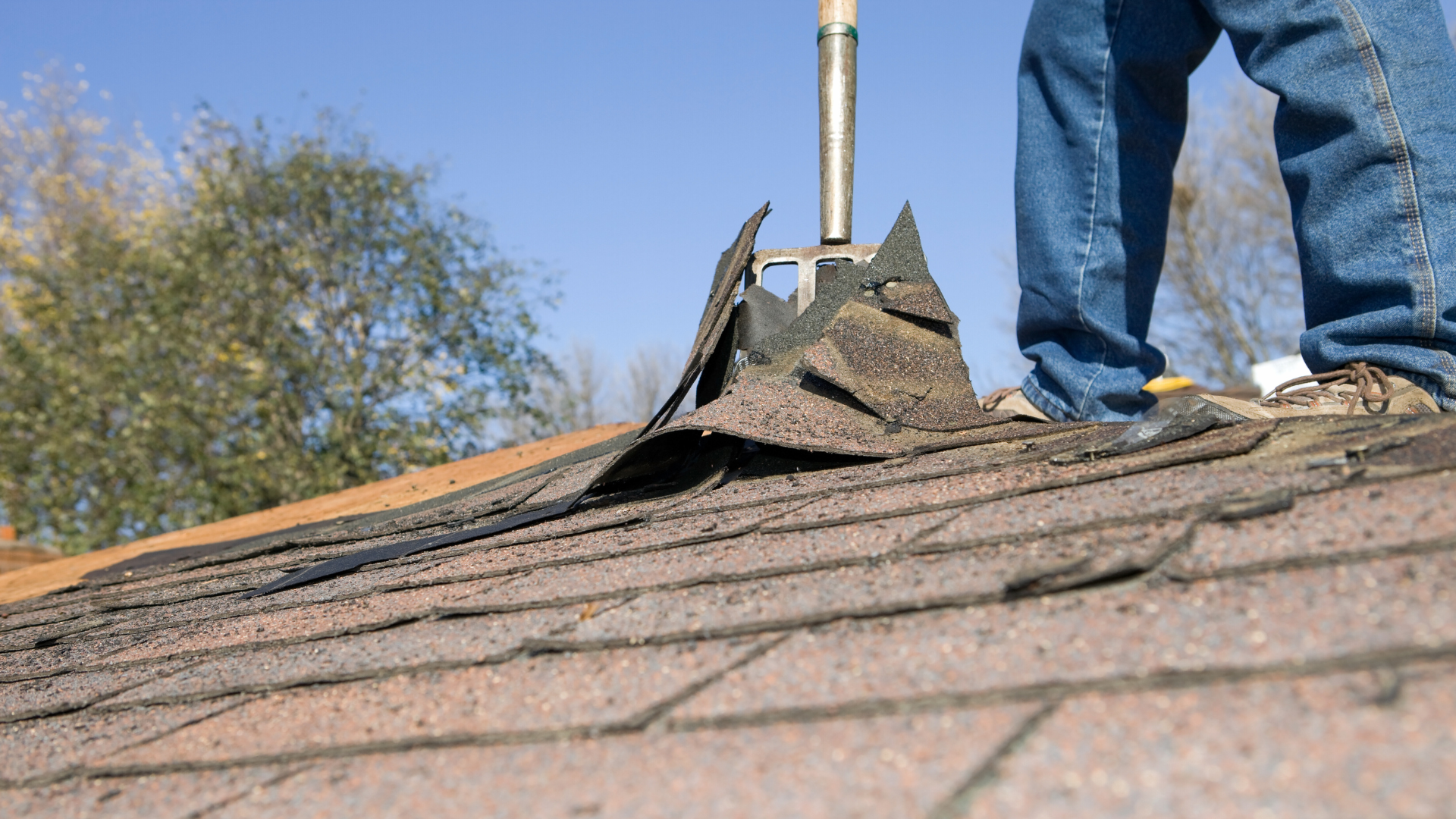
A roof is not made from one product. Shingles, underlayment, flashing, ventilation components, fasteners, sealants, and roof decking all work together as a system.
That is why material compatibility matters.
A premium shingle can only perform as intended when the surrounding components are appropriate for the roof design, climate, and installation method. Mixing materials without considering how they interact can create weak points, shorten service life, or complicate warranty coverage.
For homeowners planning a roof replacement, it helps to think beyond the visible surface.
The Shingles Are Only the Top Layer
Shingles are the most noticeable roofing material, but they are only one part of the assembly.
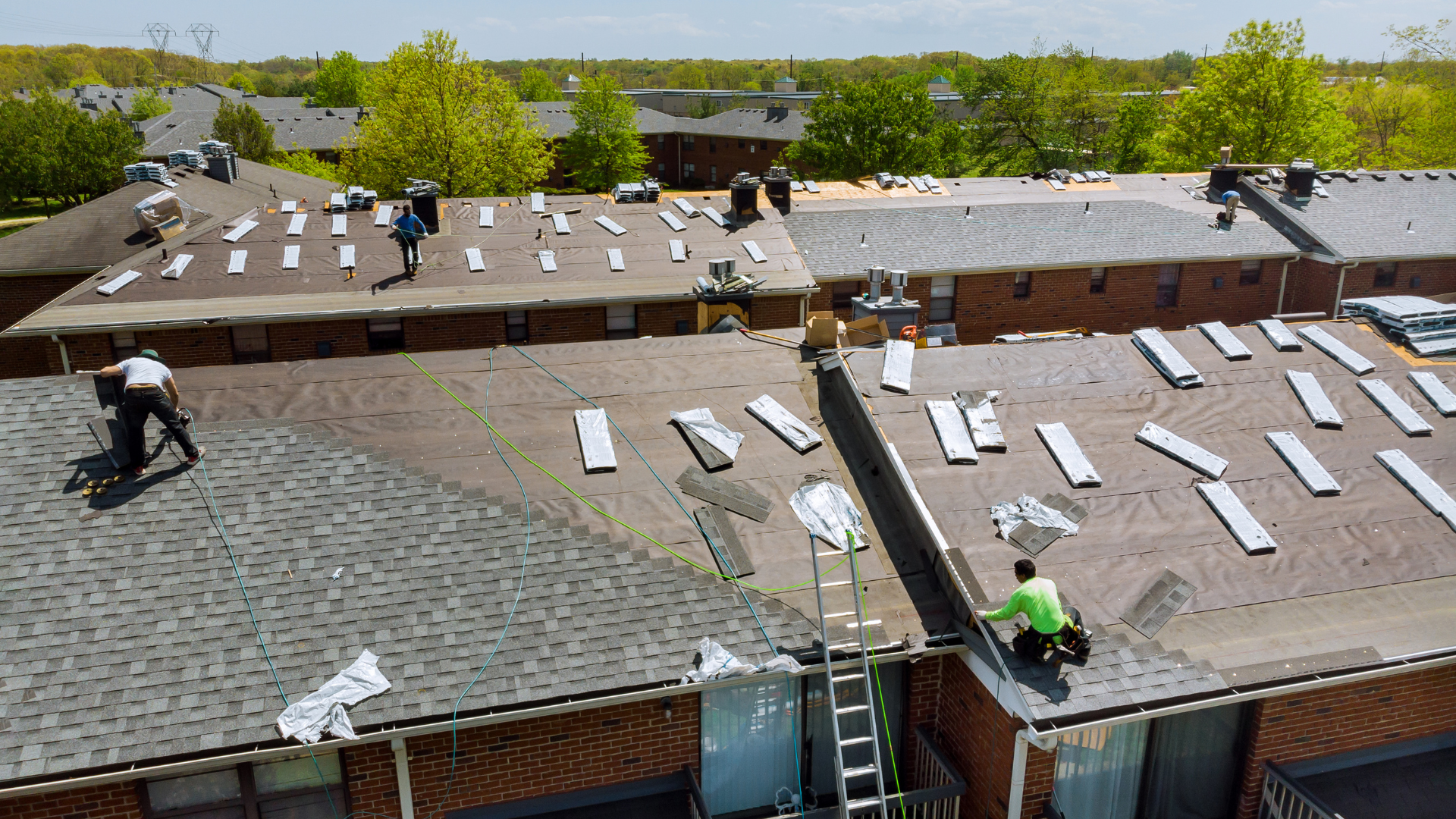
Beneath them, underlayment provides an additional layer of protection. Flashing directs water away from vulnerable transitions. Ventilation helps manage attic heat and moisture. Fasteners hold the system in place.
Each component has its own job.
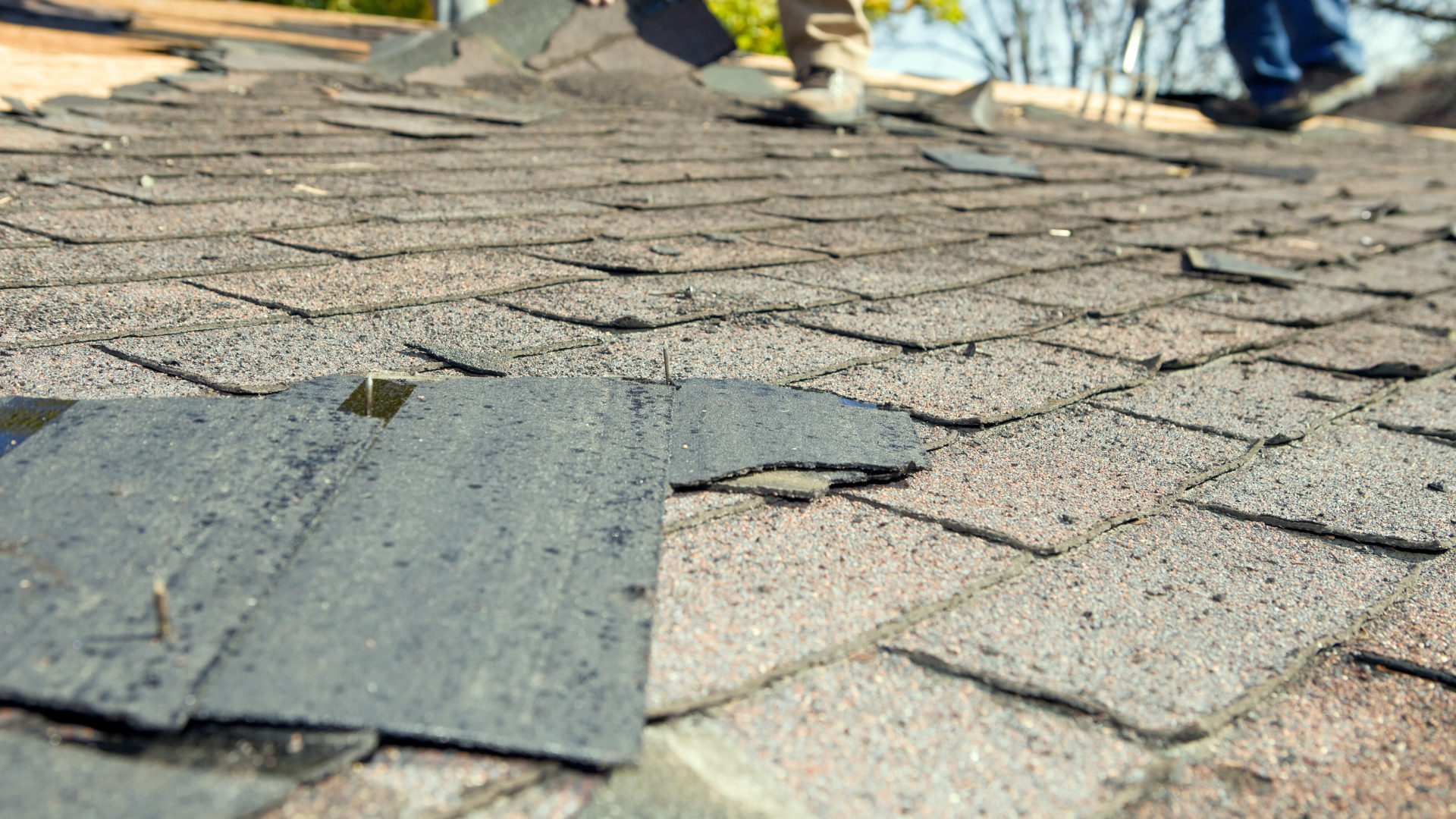
If one layer is poorly matched to the others, the roof may not perform as a complete system.
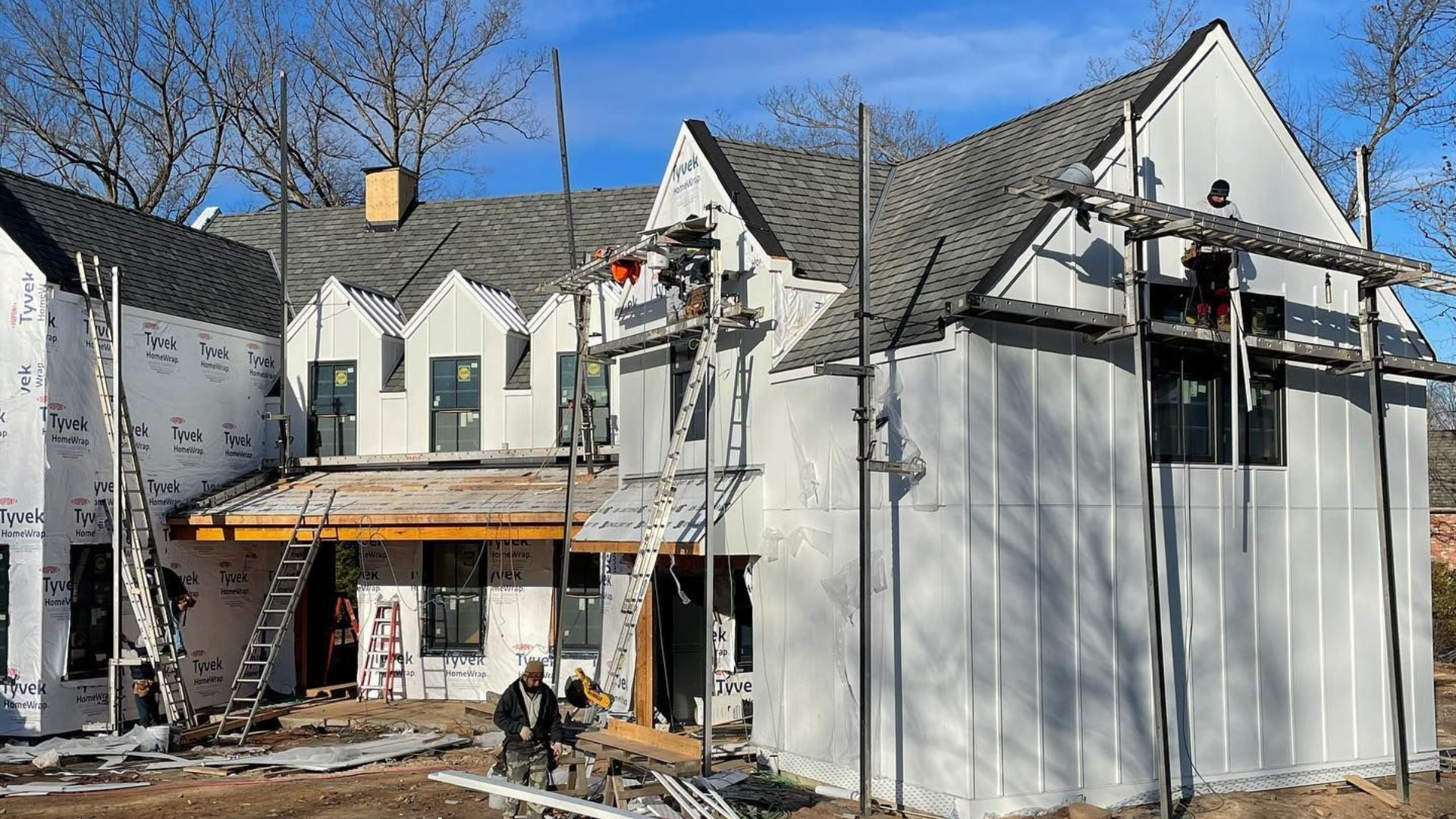
That is why roof replacement should be planned as a coordinated installation rather than a collection of separate products.
Underlayment Should Match the Roof Design
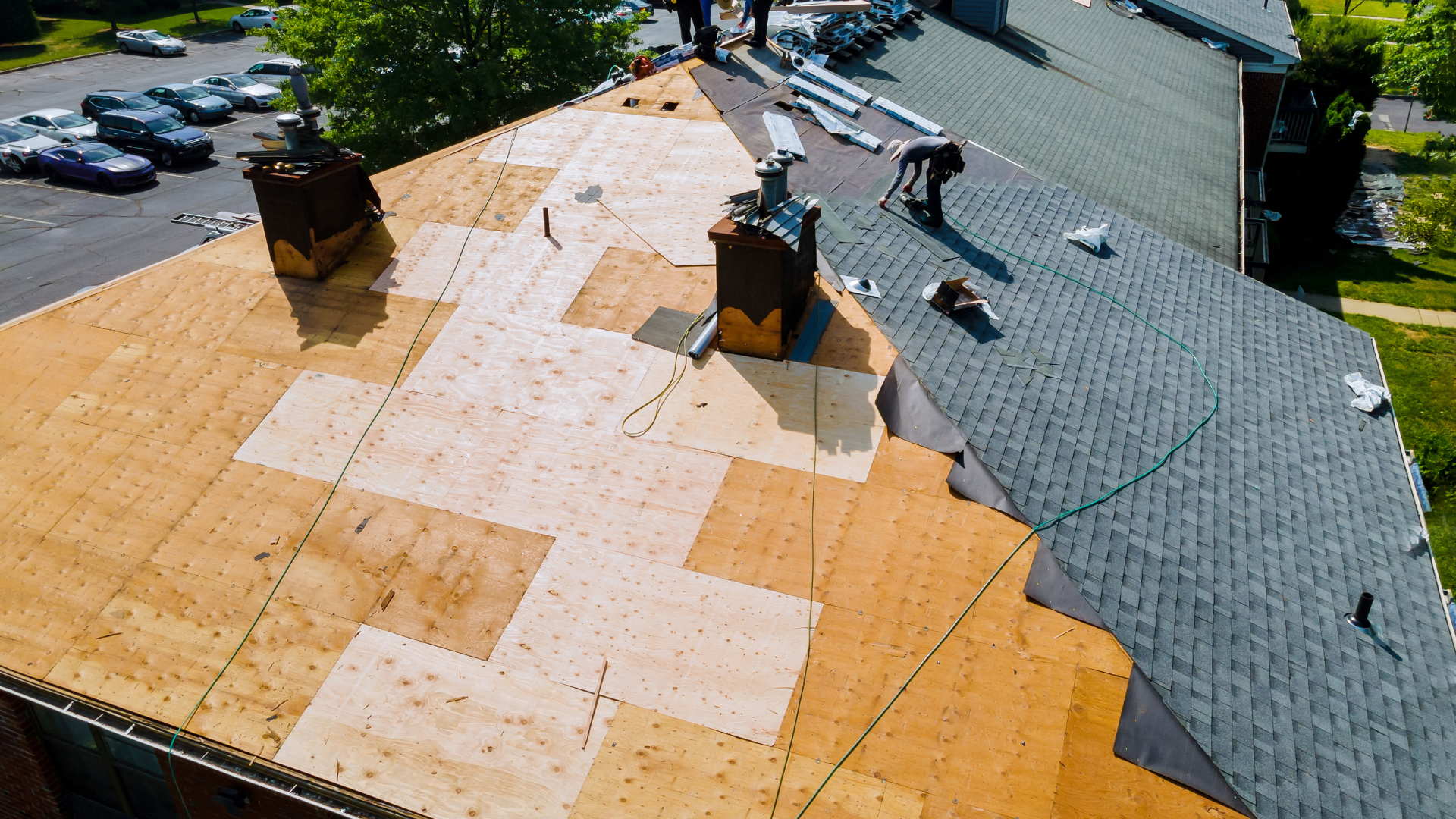
Underlayment serves as a backup barrier beneath the primary roofing material.
Different products offer different levels of durability, water resistance, and installation requirements.
The right choice can depend on roof slope, local weather, shingle type, and project specifications.
Using an underlayment that is poorly suited to the roofing system can create unnecessary risk, even when the shingles themselves are high quality.
A complete replacement plan should explain what underlayment is being used and why it fits the project.
Flashing Materials Need Careful Selection
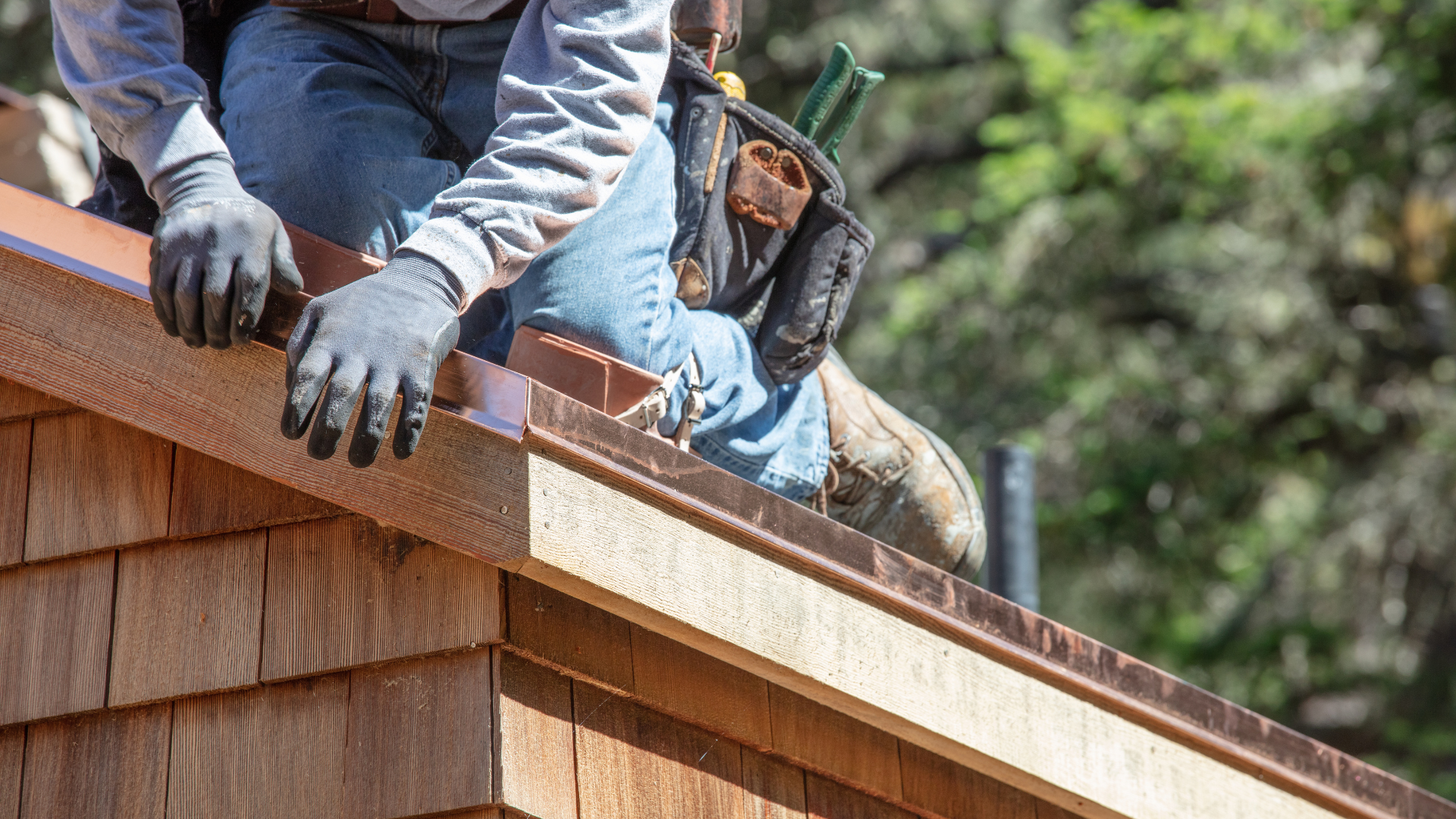
Flashing protects some of the most vulnerable areas of a roof, including valleys, chimneys, walls, skylights, vents, and other penetrations.
These materials need to work with both the roofing system and surrounding construction.
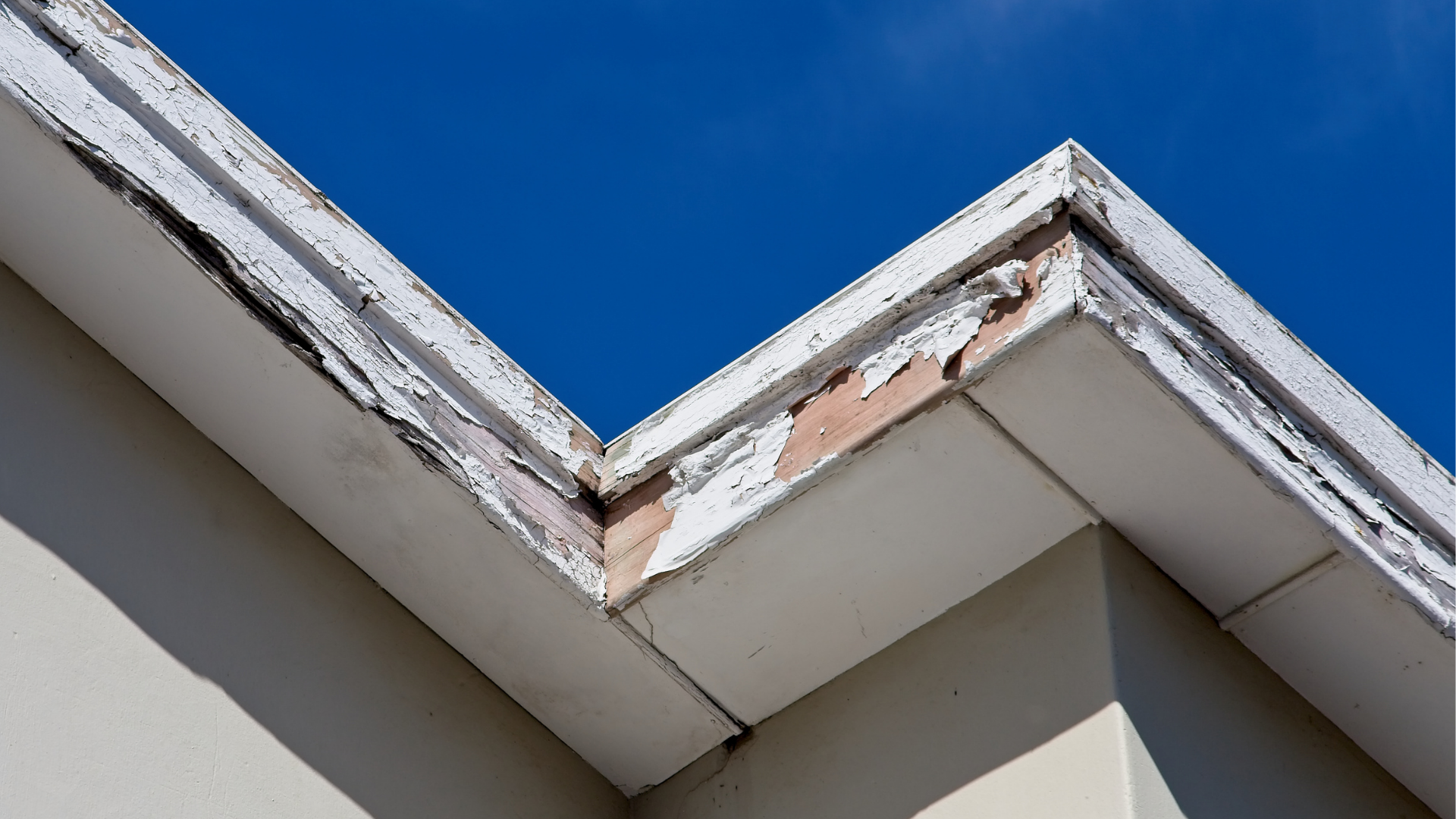
Poorly selected or improperly installed flashing can create water-entry points that undermine the rest of the roof.
Compatibility also matters where different metals are used. Certain combinations can create corrosion concerns when moisture is present.
Details like these are one reason experienced installation matters as much as the visible roofing material.
Ventilation Has to Work With the Entire Assembly
Ventilation is another system-level issue.
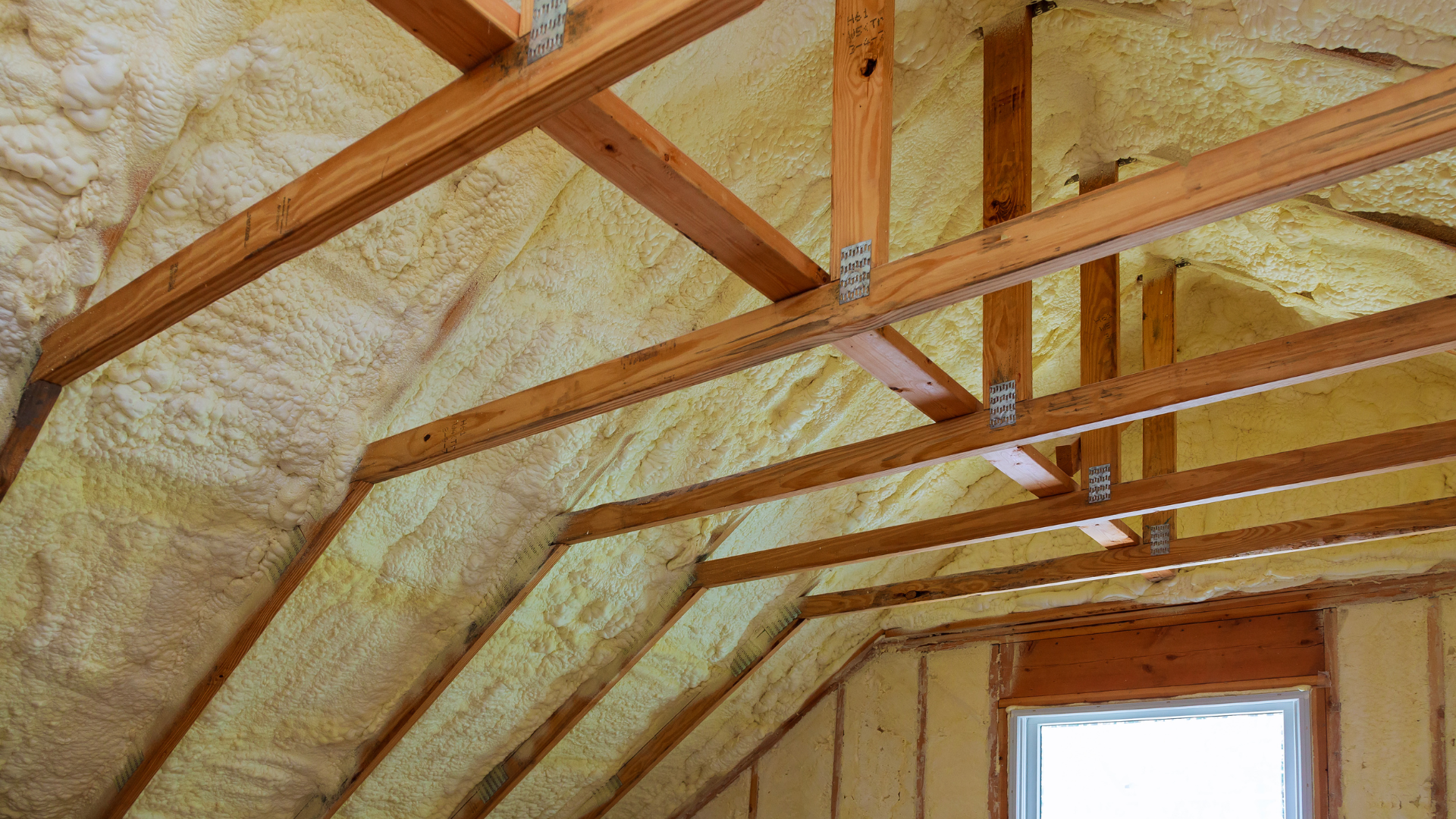
The roof, attic insulation, intake vents, and exhaust vents all influence attic temperature and moisture.
Adding a new roof without evaluating ventilation can leave an existing imbalance in place.
In some homes, that may contribute to excess heat or moisture in the attic, which can affect roofing materials and overall comfort.
A roof replacement is a good time to review whether the ventilation system supports the new materials properly.
Manufacturer Systems Can Offer Advantages
Manufacturers such as GAF, Owens Corning, and CertainTeed often design roofing components to work together.
That can include shingles, starter strips, underlayment, ridge caps, and ventilation products.
Using compatible components from a coordinated system may simplify installation requirements and, in some cases, help homeowners qualify for certain warranty options.
The exact warranty terms depend on the manufacturer and products selected, so they should always be reviewed carefully before installation.
Sealants and Fasteners Matter Too
Small components can create large problems when they are overlooked.
Fastener type, placement, and corrosion resistance all matter. Sealants also need to be appropriate for the materials and conditions where they are used.
A shortcut involving the wrong fastener or sealant can affect durability even if the major roofing products are excellent.
That is why high-quality roof replacement depends on attention to both major materials and smaller details.
Build the Roof as One System
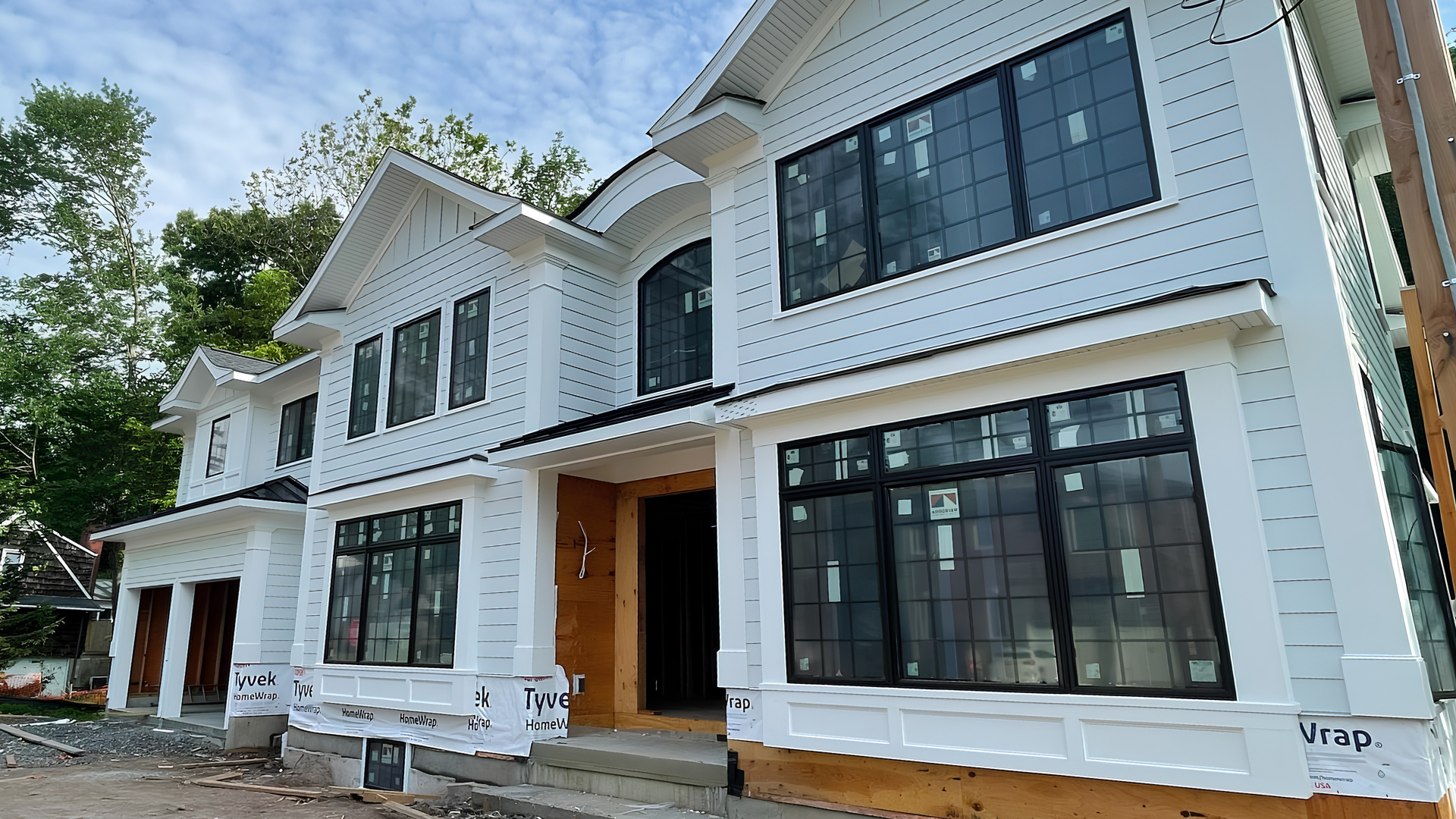
The best roofing projects are planned from the decking up.
Every layer should support the next, and every material should be selected with the entire assembly in mind.
Paese Construction specializes in high-end roof replacement and exterior renovations using trusted manufacturers such as GAF, Owens Corning, CertainTeed, James Hardie, and Mule-Hide.
If you are planning a roof replacement, contact Paese Construction to discuss a complete roofing system designed around material compatibility, long-term performance, and a finished exterior that works as well as it looks.