How Siding Replacement Can Expose Problems Hidden Behind the Old Exterior

October 22, 2026

Old siding can hide more than faded color and surface wear.


Once it is removed, contractors sometimes uncover moisture damage, deteriorated sheathing, failed flashing, rot around windows and doors, or other problems that were not visible from the outside.


That does not mean every siding replacement will reveal major damage. It does mean homeowners should understand that replacing siding is not only a cosmetic project. It is also an opportunity to see what has been happening behind the exterior for years.


The Surface Does Not Tell the Whole Story

Siding is designed to protect the walls while creating a finished appearance.


Because it covers the structure underneath, homeowners may not realize there is a problem until the siding comes off.


Water can enter through failed caulking, damaged flashing, poorly sealed penetrations, or installation details around windows, doors, roof intersections, and trim.


Over time, trapped moisture may affect the materials behind the siding even when the exterior still looks relatively normal.


That is one reason replacement projects should be approached as more than a simple “remove and re-cover” job.
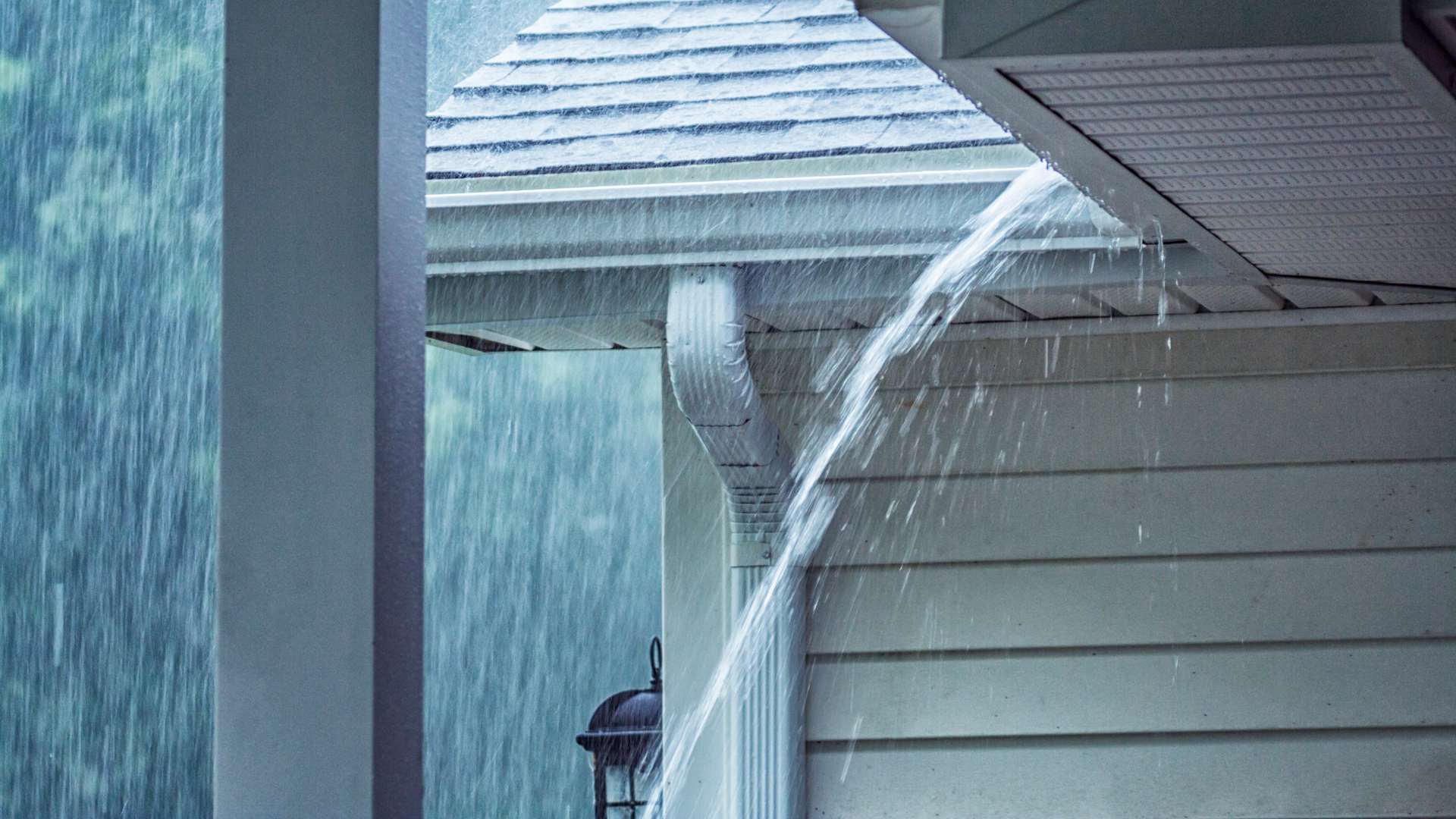
Rainwater pouring off a house roof and gutter during a heavy storm

Moisture Damage Often Starts at Transitions

The most vulnerable areas of an exterior are often the places where one material meets another.


Window trim, door openings, roof-to-wall intersections, decks, utility penetrations, and lower wall sections can all create potential entry points for water.


If flashing or water-management details are incomplete, moisture may work its way behind the siding.


The visible siding might show only subtle signs such as staining, swelling, loose panels, or recurring paint failure.


Once the old material is removed, the condition of the sheathing and framing can be evaluated directly.


Sheathing Problems Need to Be Addressed First

New siding should not simply be installed over damaged material.


If sheathing has deteriorated, softened, delaminated, or otherwise lost integrity, it may need to be replaced before the new exterior goes on.


The same is true for rotten trim or other compromised components.


Covering damage does not correct the underlying problem.


A quality replacement project should create a sound surface for the new siding and address the cause of deterioration so the same issue is less likely to return.
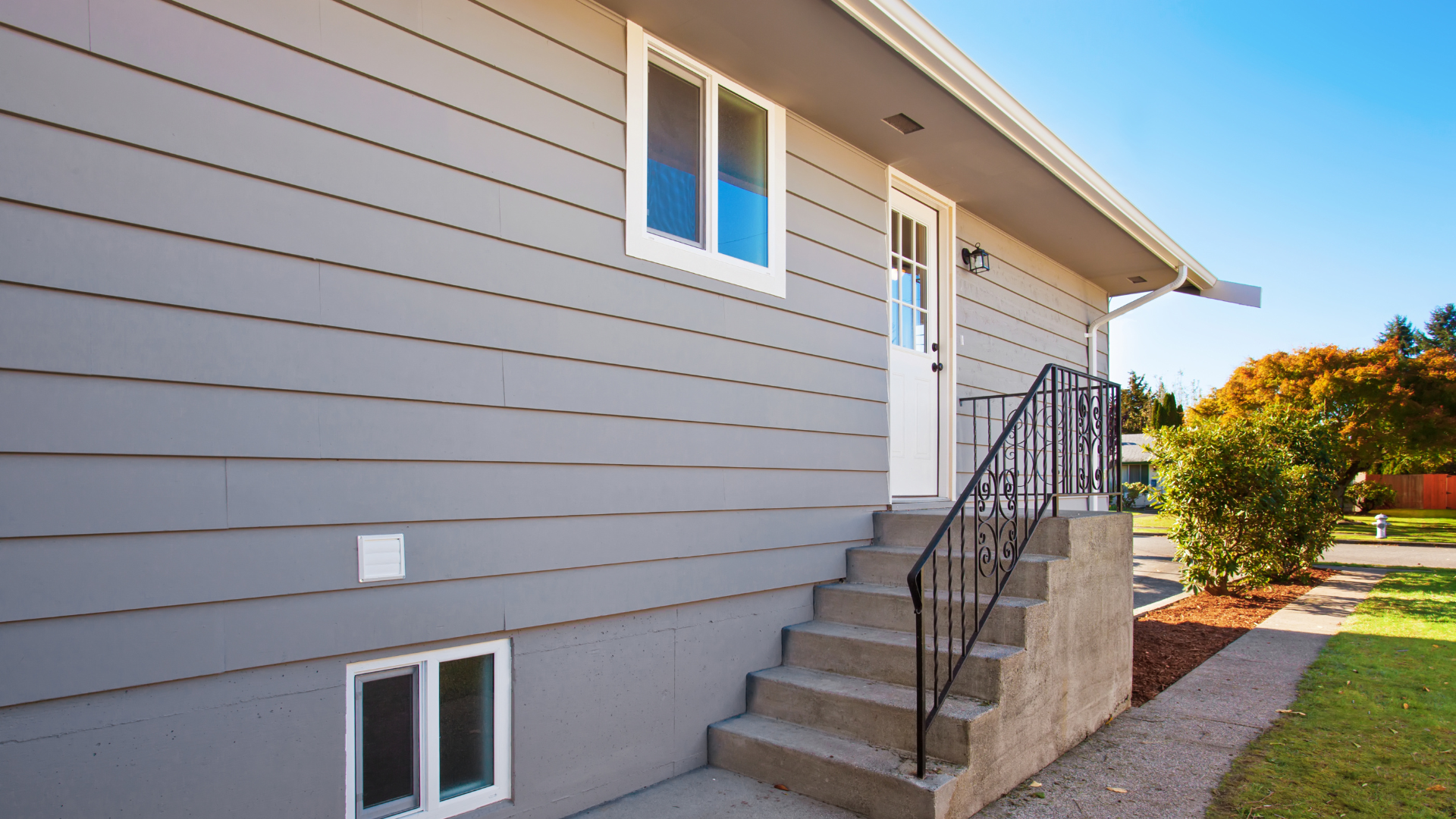
Side view of a beige house with stairs, black railing, white door, and small basement windows

Window and Door Areas Deserve Extra Attention

Windows and doors are common places for hidden problems to appear.


Improper flashing, old sealants, or previous repairs can allow water behind the siding and into surrounding materials.


The damage may not be obvious indoors.


Sometimes there is no visible stain on the wall, no active leak, and no dramatic warning sign.


Siding replacement creates a valuable opportunity to inspect these areas and improve water-management details before everything is covered again.


That can be especially important when upgrading to a premium siding product such as James Hardie fiber cement.


Hidden Problems Can Affect the Project Scope

No homeowner likes unexpected costs.


Still, it is better to discover deteriorated material during replacement than to cover it and leave the problem in place.


A professional contractor should explain what was found, show the homeowner the affected area, and discuss the appropriate next step before proceeding.


That transparency matters.


The goal should be to repair or replace what is actually damaged, not use hidden conditions as an excuse to expand the project unnecessarily.


Clear communication helps homeowners understand why the scope may need to change.
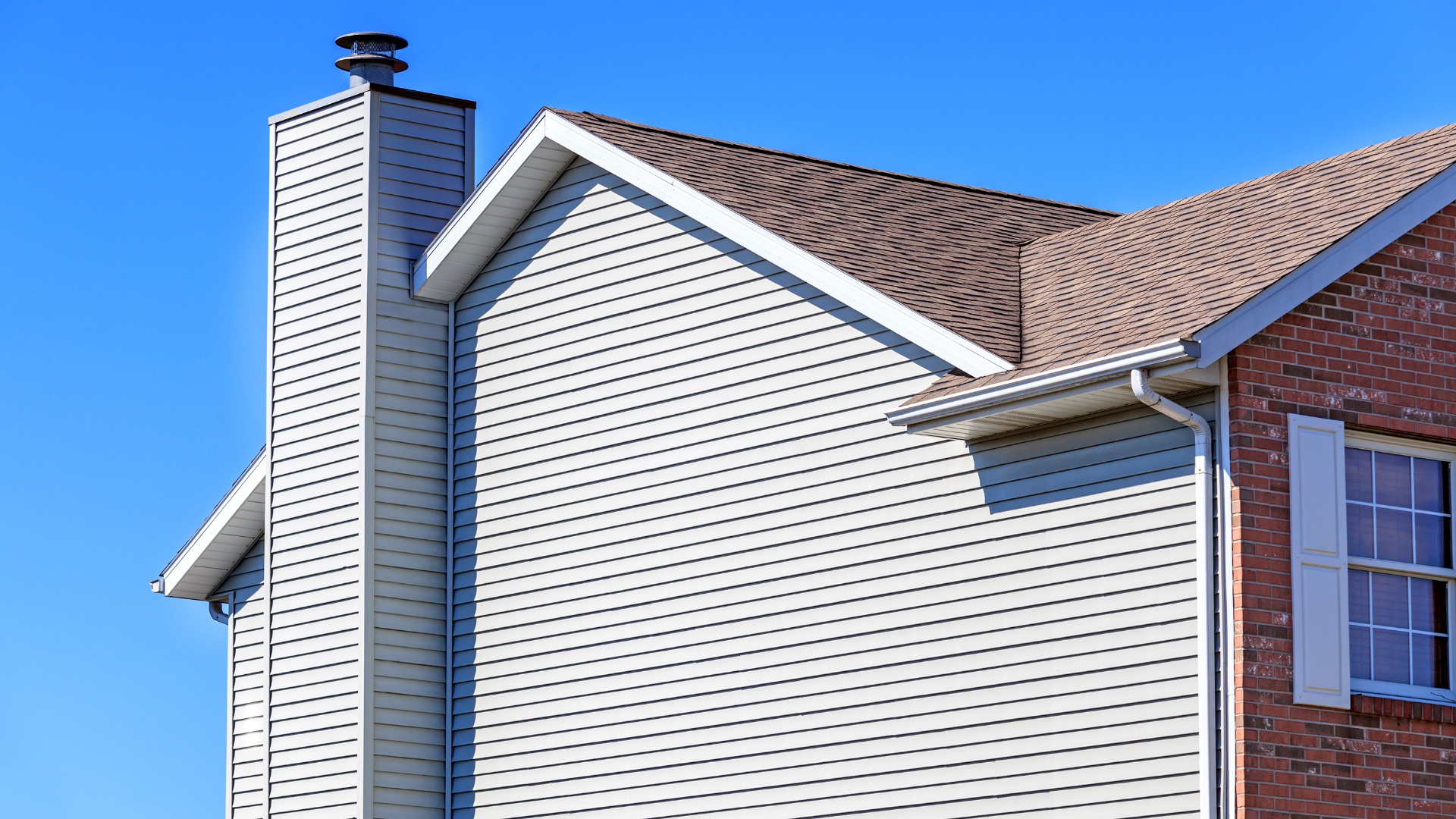
White vinyl-sided house with a tall chimney and brown shingled roof against a blue sky

Replacement Is a Chance to Improve the Entire Wall System

Siding replacement is also an opportunity to review the layers behind the finished surface.


Depending on the home and project, that may include sheathing, weather-resistant barriers, flashing, trim, insulation details, and penetrations.


Each component plays a role in helping the exterior manage water and weather.


When those elements are coordinated correctly, the new siding becomes part of a complete wall system rather than simply a fresh outer layer.


What Is Behind the Siding Matters

A beautiful exterior depends on what homeowners cannot see just as much as what they can.


Replacing siding gives contractors access to areas that may have been hidden for decades and provides an opportunity to correct deterioration before installing new materials.


Paese Construction helps homeowners approach siding replacement as a complete exterior project, with attention to the condition of the underlying structure, trim, flashing, and water-management details.


If your siding is aging, damaged, or ready for replacement, contact Paese Construction to discuss a project that looks beyond the surface and helps build a stronger exterior from the inside out.
November 3, 2026
Exterior renovations often happen one project at a time. The roof gets replaced this year. The siding comes later. Gutters are handled after that. Trim gets updated when another problem appears. There is nothing inherently wrong with phasing work. The problem starts when each project is planned in isolation. A home exterior functions as a connected system, and decisions made on one part of the house can affect what works well on another. That is why piecemeal exterior work can sometimes create compatibility problems that are harder and more expensive to solve later. The Roof and Siding Need to Work Together Roofing and siding meet at some of the most important water-management areas on a house. Wall intersections, dormers, roof edges, flashing points, and trim transitions all depend on careful coordination. If a roof is replaced without considering future siding work, some details may need to be disturbed again later. Likewise, replacing siding without accounting for roof flashing can create awkward transitions or unnecessary rework. A more coordinated plan can help reduce those conflicts.
October 28, 2026
Homeowners often spend a great deal of time comparing roofing and siding products. That makes sense. Brand reputation, warranty coverage, durability, appearance, and material performance all matter. But even a premium product can underperform if it is installed incorrectly. A high-quality shingle, fiber cement siding panel, flashing system, or membrane still depends on preparation, fastening, spacing, ventilation, water management, and dozens of other details that happen during installation. The material matters. The workmanship matters just as much. Expensive Materials Cannot Fix a Weak Substrate A new exterior system is only as reliable as the surface underneath it. If roof decking is soft, damaged, or uneven, installing premium shingles over it does not solve the problem. The same principle applies to siding. New siding should not simply cover deteriorated sheathing, rotten trim, or unresolved moisture damage. The substrate needs to be sound before the finish material goes on. That is why replacement projects should include careful evaluation of the underlying structure instead of treating the job as a cosmetic upgrade.
October 14, 2026
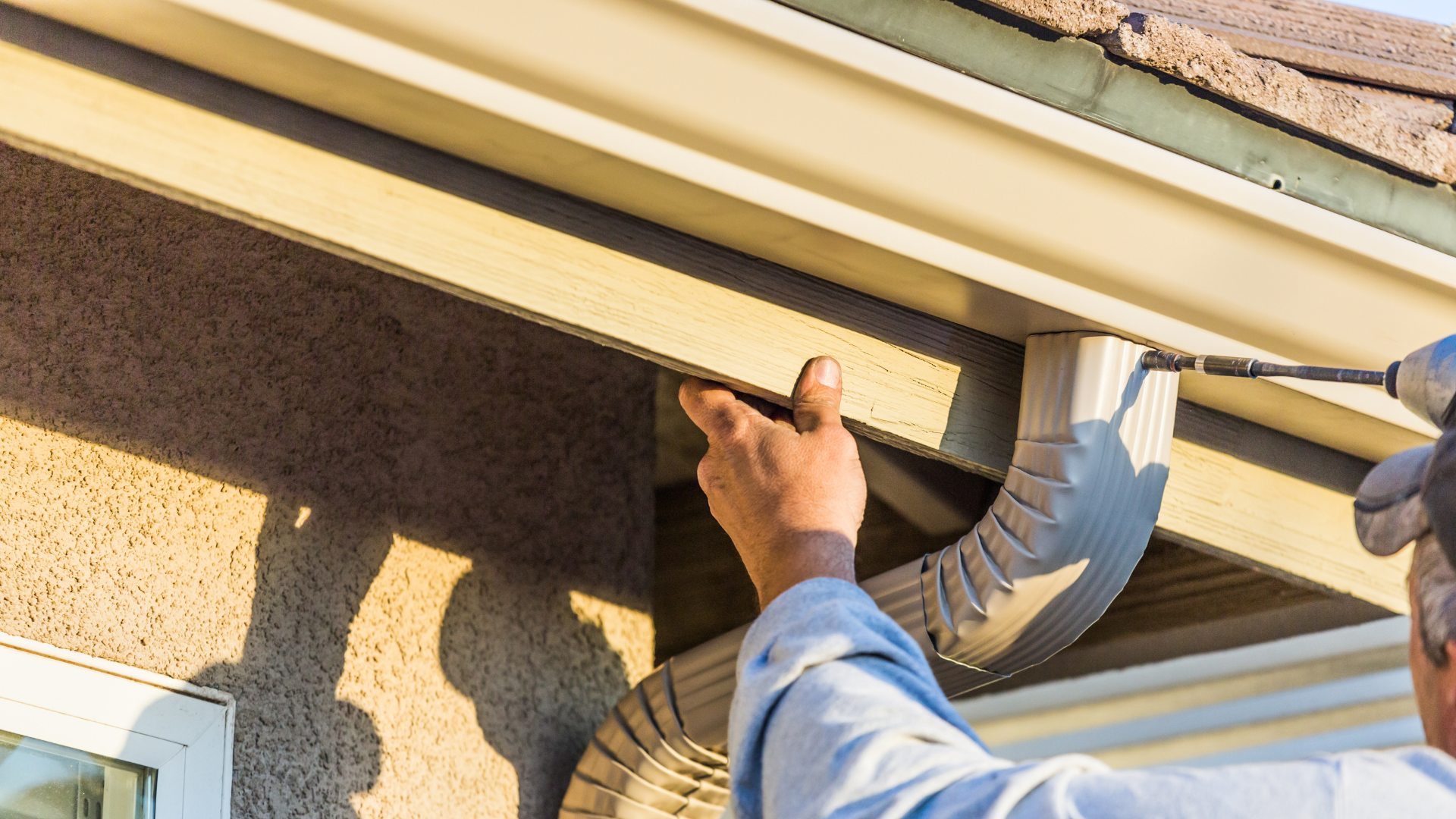
Gutters are only as secure as the surface they are attached to. When fascia boards are soft, rotted, or structurally compromised, installing new gutters without correcting the underlying damage can create problems almost immediately. Fasteners may not hold properly, sections of gutter can sag, and water can continue entering areas that should have been addressed before installation. That is why rotten fascia should be replaced before new gutters are installed. Fascia Has an Important Structural Role Fascia is the board that runs along the edge of the roof, directly behind the gutters on many homes. It helps create a finished roofline while also providing an attachment surface for the gutter system. Because it sits at the edge of the roof, fascia is regularly exposed to moisture, wind-driven rain, overflowing gutters, and water that may escape damaged roofing components. When the wood begins to rot, it loses strength. A gutter system attached to weakened material may not remain secure over time.
October 7, 2026
A roof is not made from one product . Shingles, underlayment, flashing, ventilation components, fasteners, sealants, and roof decking all work together as a system. That is why material compatibility matters. A premium shingle can only perform as intended when the surrounding components are appropriate for the roof design, climate, and installation method. Mixing materials without considering how they interact can create weak points, shorten service life, or complicate warranty coverage. For homeowners planning a roof replacement, it helps to think beyond the visible surface. The Shingles Are Only the Top Layer Shingles are the most noticeable roofing material, but they are only one part of the assembly. Beneath them, underlayment provides an additional layer of protection. Flashing directs water away from vulnerable transitions. Ventilation helps manage attic heat and moisture. Fasteners hold the system in place. Each component has its own job. If one layer is poorly matched to the others, the roof may not perform as a complete system. That is why roof replacement should be planned as a coordinated installation rather than a collection of separate products.
October 4, 2026
Roof repairs make sense when damage is limited, the surrounding materials are still in good condition, and the roofing system has plenty of useful life left. But there comes a point when repeated repairs stop being the most practical approach. An aging roof may begin developing problems in several areas at once. At that stage, homeowners can end up paying for one repair after another without addressing the broader condition of the system. Knowing when to move from repair to replacement can help prevent unnecessary spending and reduce the risk of more serious damage later. Age Is an Important Starting Point Every roofing material has a typical service life , but age alone does not determine whether replacement is necessary. Installation quality, ventilation, weather exposure, maintenance, and material type all affect how long a roof performs well. Still, an older roof that begins requiring frequent repairs deserves a closer look. If shingles are failing in several areas or leaks are becoming more common, the issue may no longer be isolated.
September 26, 2026
A home’s roof, siding, gutters, soffits, fascia, and trim all work together. When one part starts to fail, it can affect the others. That is why treating exterior problems one at a time can sometimes lead to repeated repairs, mismatched materials, or missed opportunities to address the real cause. Whole-home exterior planning takes a broader view. Instead of asking only, “What needs to be fixed today?” it looks at how the entire exterior is aging and how each component affects the next. The Roof Can Affect More Than the Roof A roofing problem does not always stay confined to shingles. If water reaches the roof edge, it may affect fascia, soffits , gutters, siding, or even the wall system below. Damaged flashing can also direct water into areas that are difficult to see from the ground. When roof replacement is being considered, it makes sense to evaluate the surrounding exterior at the same time.  This can reveal whether related components should be repaired, replaced, or coordinated with the roofing project.
September 16, 2026
Fall is one of the best times to look closely at the condition of a roof before colder weather arrives. Once temperatures begin dropping , small roofing problems can become harder to ignore. Moisture, wind, freezing temperatures, and repeated freeze-thaw cycles can all put additional stress on an aging roofing system.  A pre-winter review does not mean climbing onto the roof yourself. Many warning signs can be spotted from the ground or inside the attic, while a professional inspection can address areas that are difficult or unsafe to evaluate.
September 10, 2026
Many homeowners assume a roof is performing well as long as there are no visible leaks. Unfortunately, roofing problems can develop long before water begins dripping through the ceiling.  A roof may already be losing its ability to protect the home because of aging materials, weakened flashing, deteriorated underlayment , ventilation problems, or damaged shingles. By the time an interior leak becomes obvious, moisture may have already affected decking, insulation, trim, or other parts of the structure.
September 4, 2026
Replacing a roof or updating siding can dramatically improve a home’s appearance, weather protection, and long-term value. For homeowners who live in a community governed by a homeowners association, however, material selection may involve more than personal preference.  HOA architectural standards can influence everything from roof color and shingle style to siding materials, exterior finishes, and trim details. Understanding those requirements before construction begins can help homeowners avoid delays, rejected applications, or the expense of changing an already-planned project.
August 28, 2026
Choosing new siding is a major exterior decision because it affects appearance, durability, maintenance, and long-term protection. Homeowners often want a material that looks refined, stands up well to changing weather, and offers enough style options to complement the architecture of the house.  James Hardie siding has become a popular choice for replacement projects because it combines the look of traditional siding with the strength of fiber cement. Paese Construction works with premium exterior materials such as James Hardie to help homeowners create durable, attractive exteriors designed for long-term performance.