Why Piecemeal Exterior Work Can Create Design and Compatibility Problems
Exterior renovations often happen one project at a time.
The roof gets replaced this year. The siding comes later. Gutters are handled after that. Trim gets updated when another problem appears.
There is nothing inherently wrong with phasing work.
The problem starts when each project is planned in isolation.
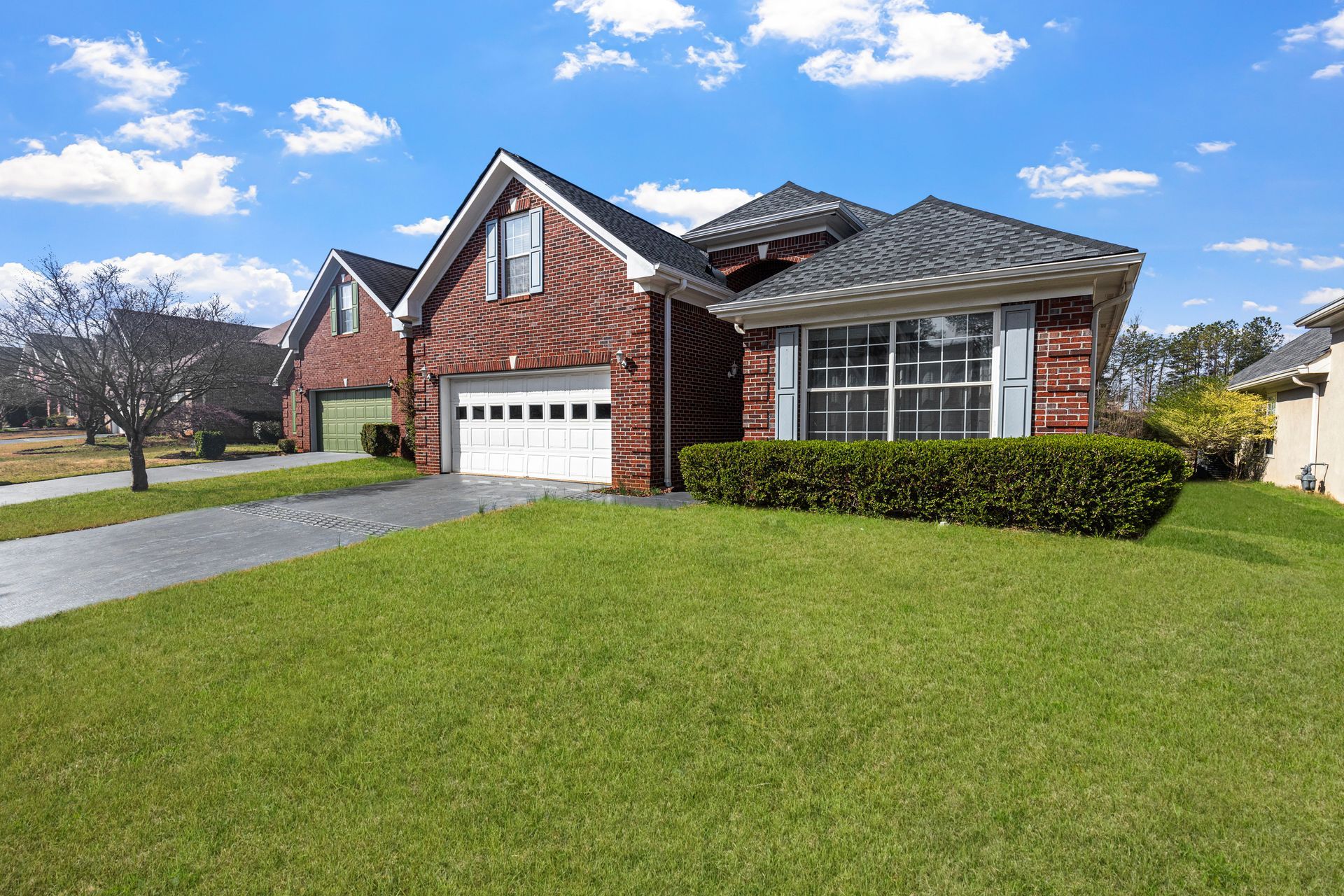
A home exterior functions as a connected system, and decisions made on one part of the house can affect what works well on another.
That is why piecemeal exterior work can sometimes create compatibility problems that are harder and more expensive to solve later.
The Roof and Siding Need to Work Together
Roofing and siding meet at some of the most important water-management areas on a house.
Wall intersections, dormers, roof edges, flashing points, and trim transitions all depend on careful coordination.
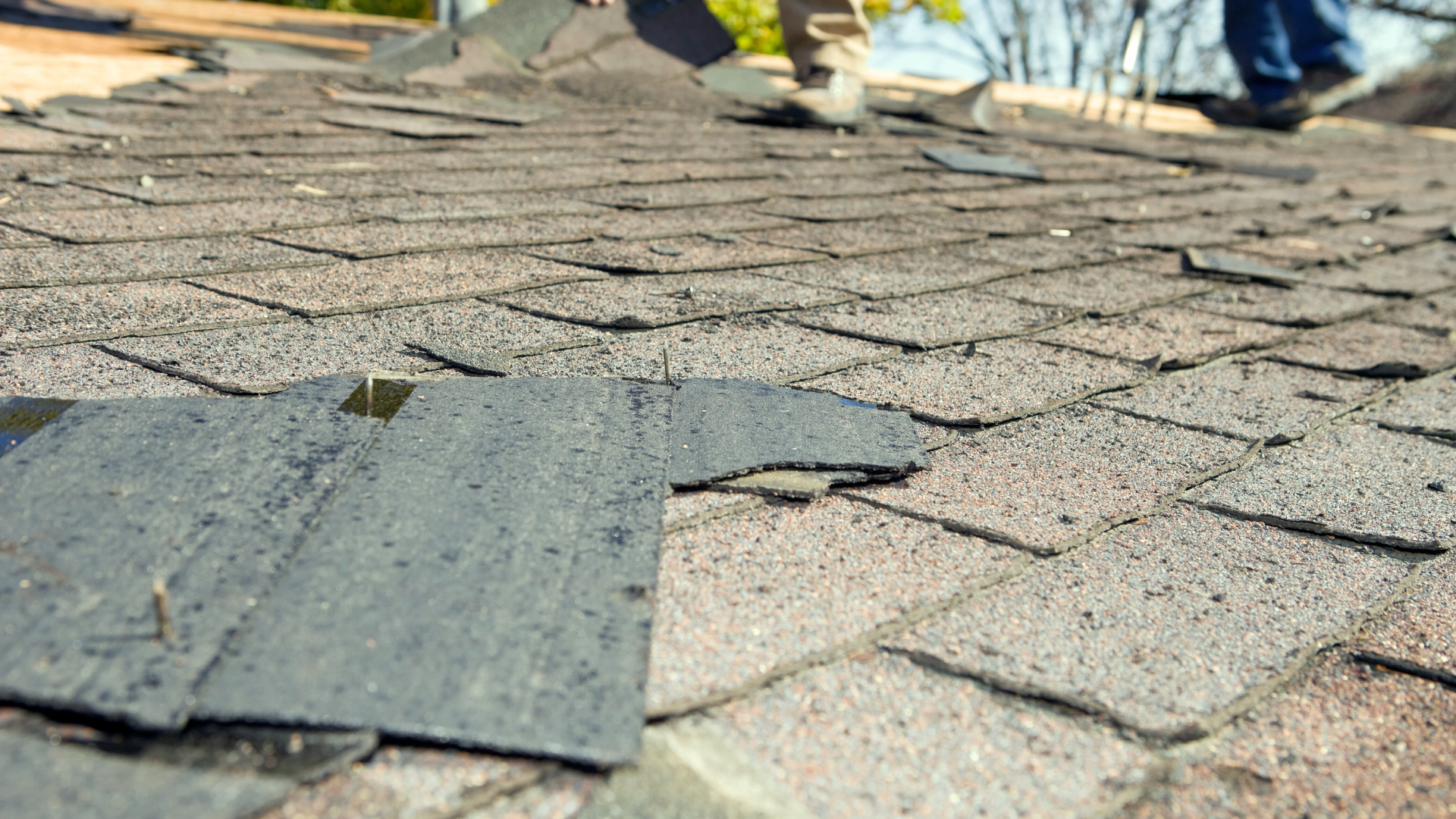
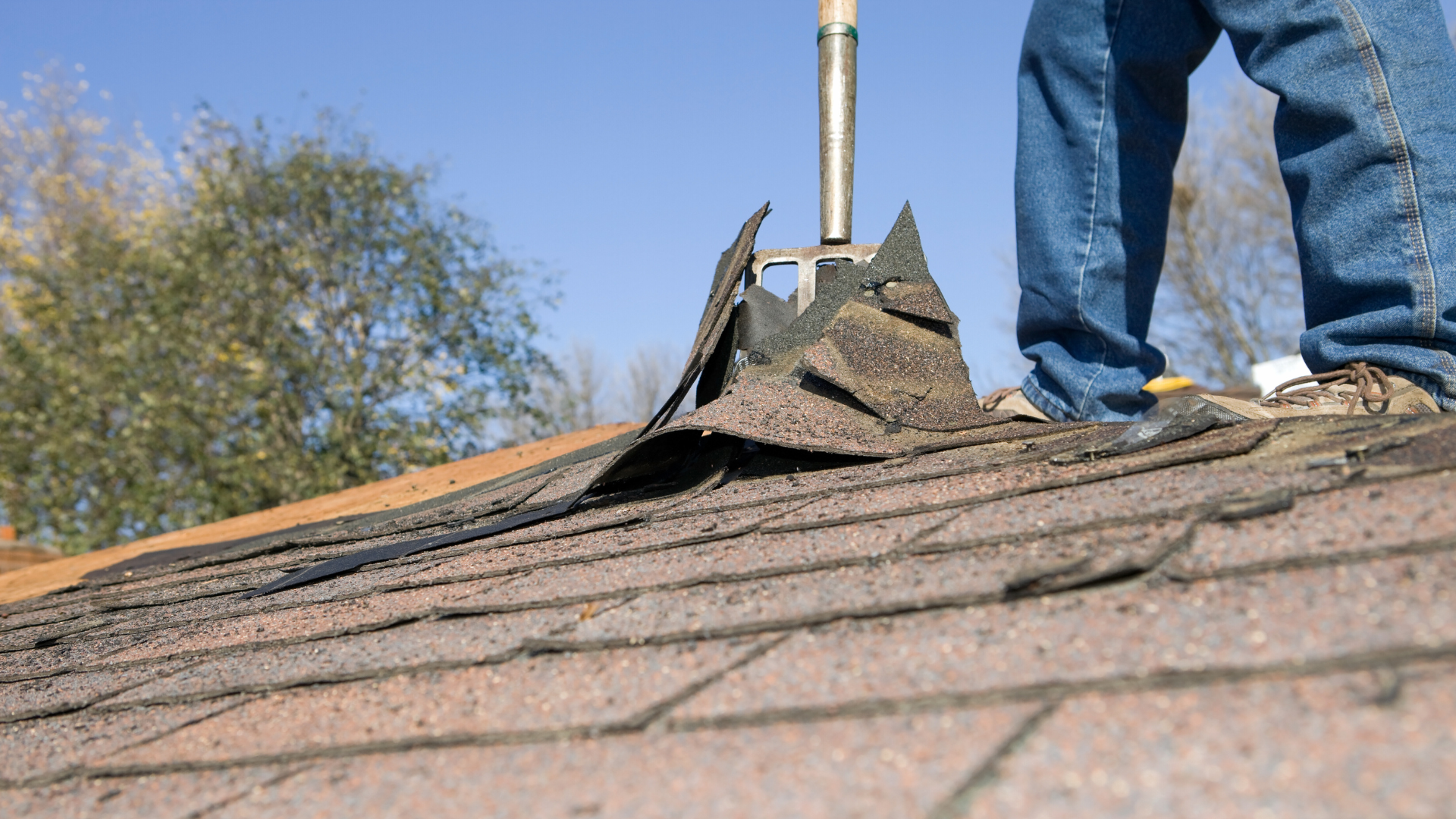
If a roof is replaced without considering future siding work, some details may need to be disturbed again later.
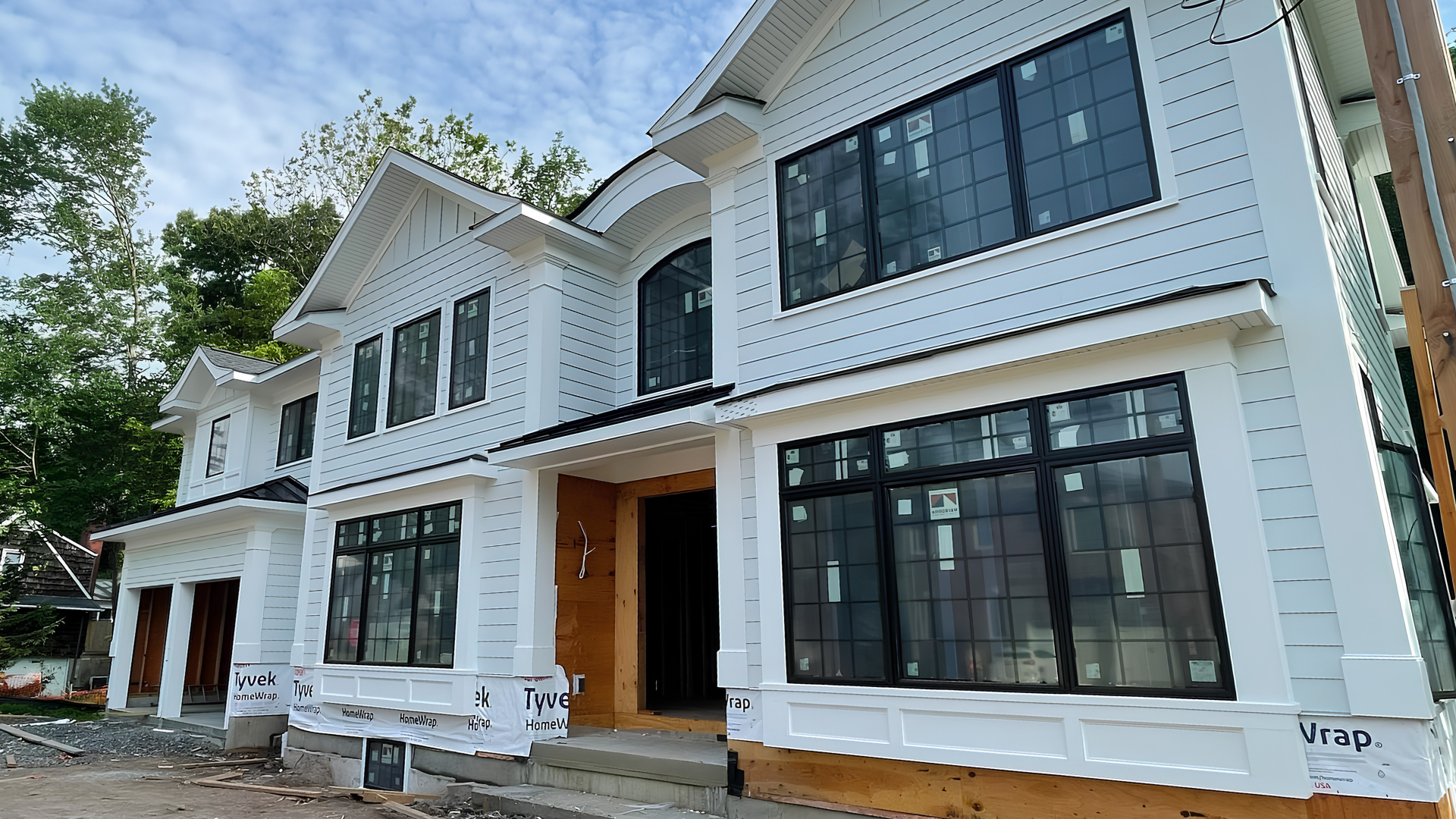
Likewise, replacing siding without accounting for roof flashing can create awkward transitions or unnecessary rework.
A more coordinated plan can help reduce those conflicts.

Color Decisions Can Become Harder Over Time
Exterior materials are not only functional.
They also need to look intentional together.
A homeowner may choose a roof color that looks great with the current siding, then replace the siding several years later and discover the new color options feel limited.
The same issue can happen with gutters, fascia, shutters, and exterior trim.
Planning the exterior as a whole does not mean everything has to be replaced at once.
It means understanding where the design is eventually going before making permanent choices.
Materials Have Different Thicknesses and Profiles
Compatibility is not always obvious from the street.
Different siding systems, trim products, roofing components, and gutter setups can change the depth and profile of exterior surfaces.
Those differences matter around windows, doors, roof edges, fascia boards, and corners.
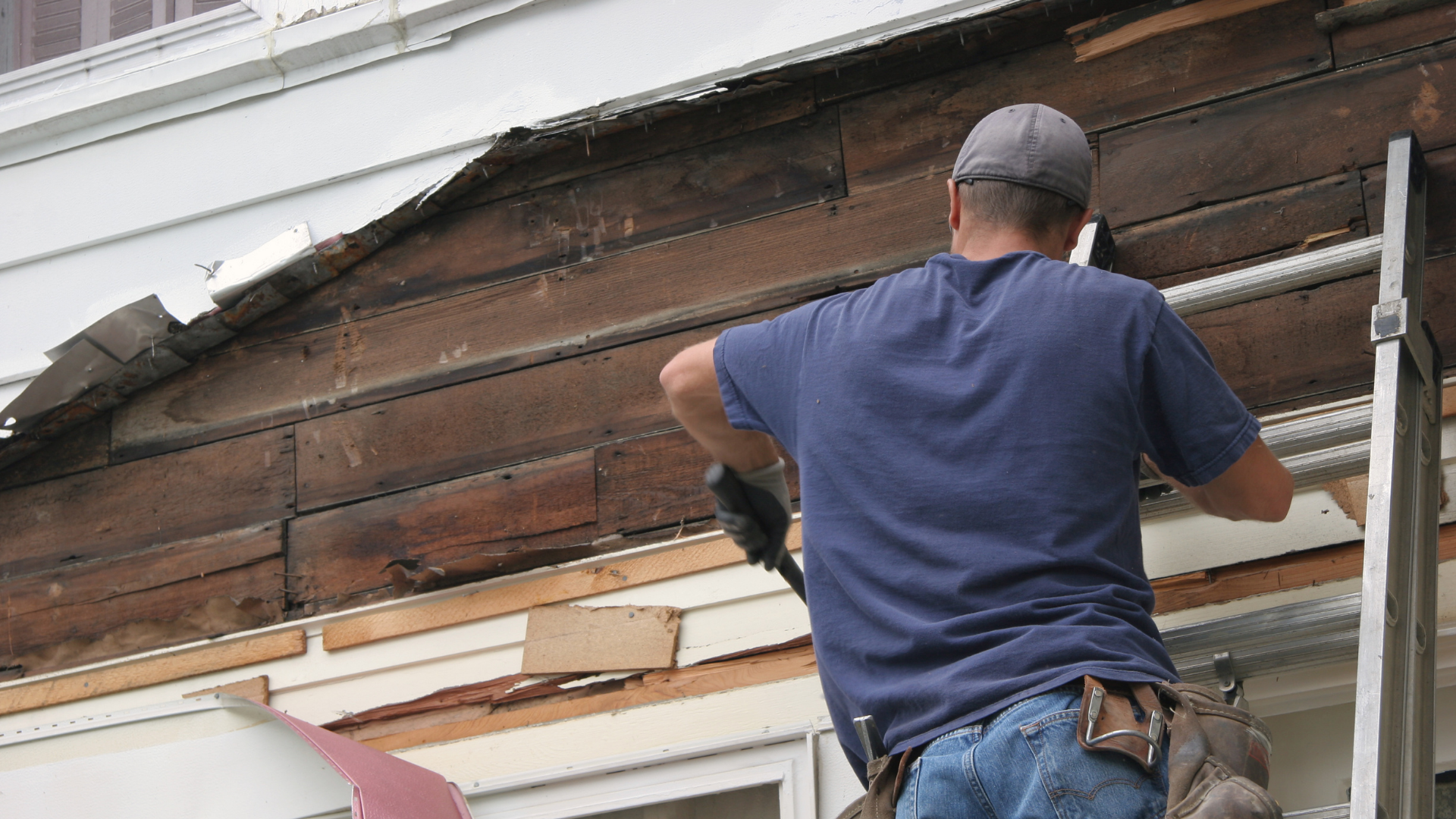
For example, replacing siding with a different material may require new trim details.
New roofing may also change how flashing needs to interact with adjacent walls.
Thinking ahead helps avoid situations where one newly installed material has to be modified because another project was never considered.
Drainage Should Be Planned Across the Entire Exterior
Water does not care which contractor handled which part of the house.
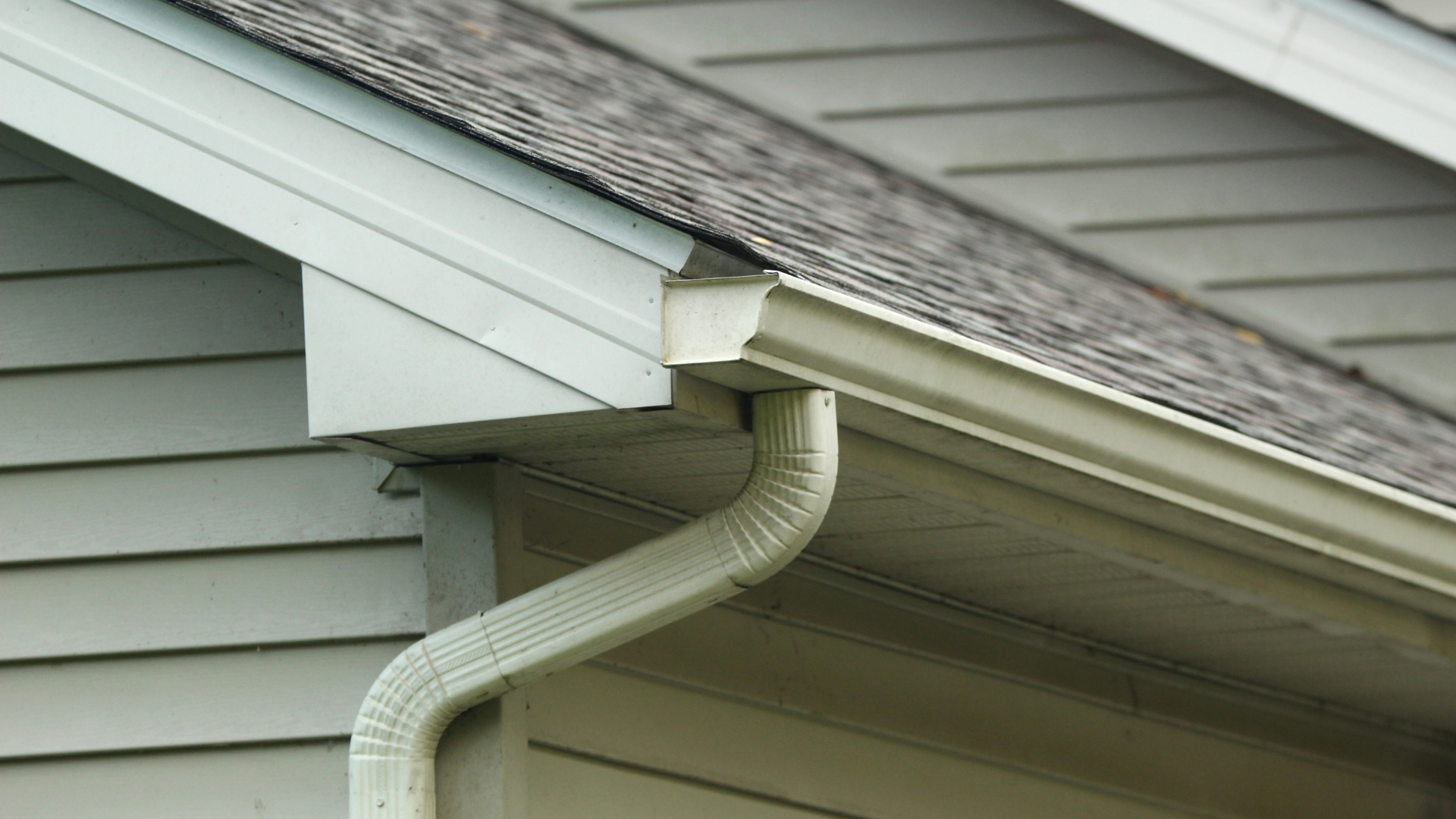
It moves from the roof into the gutters, through downspouts, across exterior walls, and eventually toward the ground.
That means drainage should be considered as one connected system.
A new roof paired with undersized or poorly placed gutters may still create water problems.
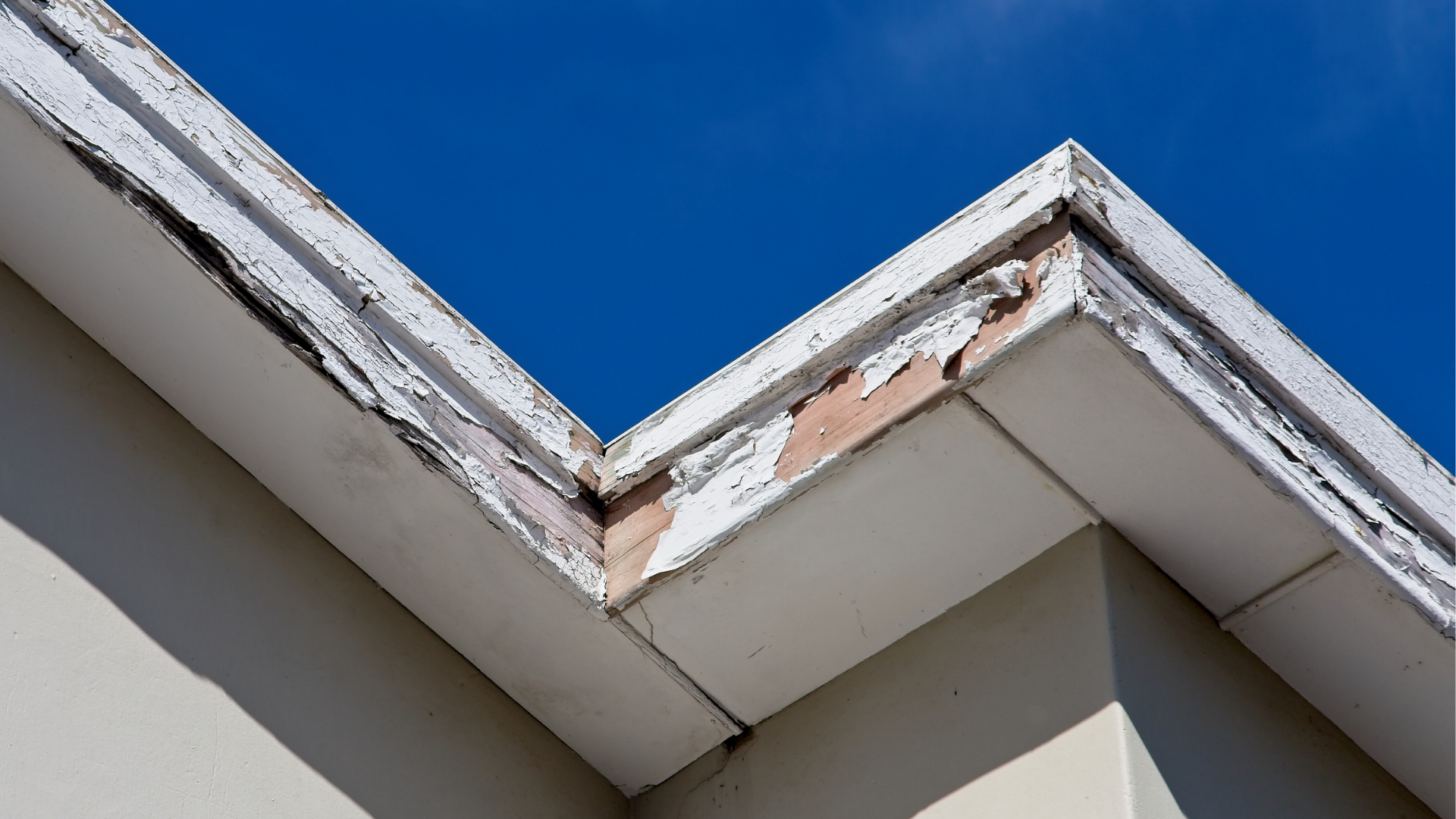
New siding installed beneath damaged fascia can leave an unresolved weak point.
If fascia is rotten, it should be replaced rather than covered or patched around before installing new gutters.
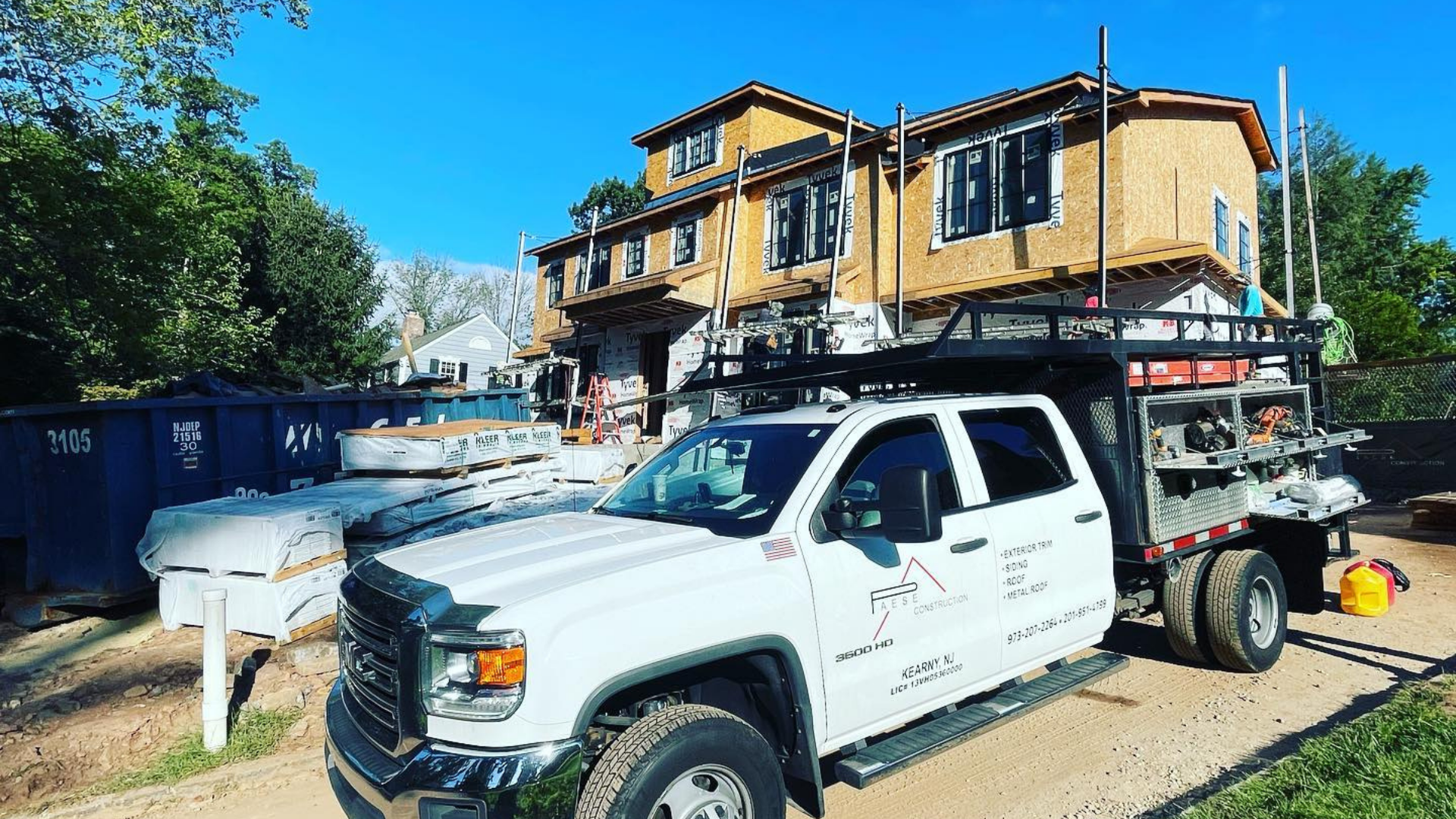
Paese Construction approaches roofing, siding, trim, and gutter work with that broader exterior relationship in mind.
Phased Projects Still Need a Long-Term Plan
Budget, timing, and priorities may make it practical to complete exterior work in stages.
That is perfectly reasonable.
But phased work is easier when each phase supports the next one.
A homeowner might replace the roof first because it is the most urgent need while choosing a color and edge detail that will work with planned siding later.
Trim and gutter choices can be approached the same way.
This turns separate projects into parts of one larger renovation instead of a series of disconnected decisions.
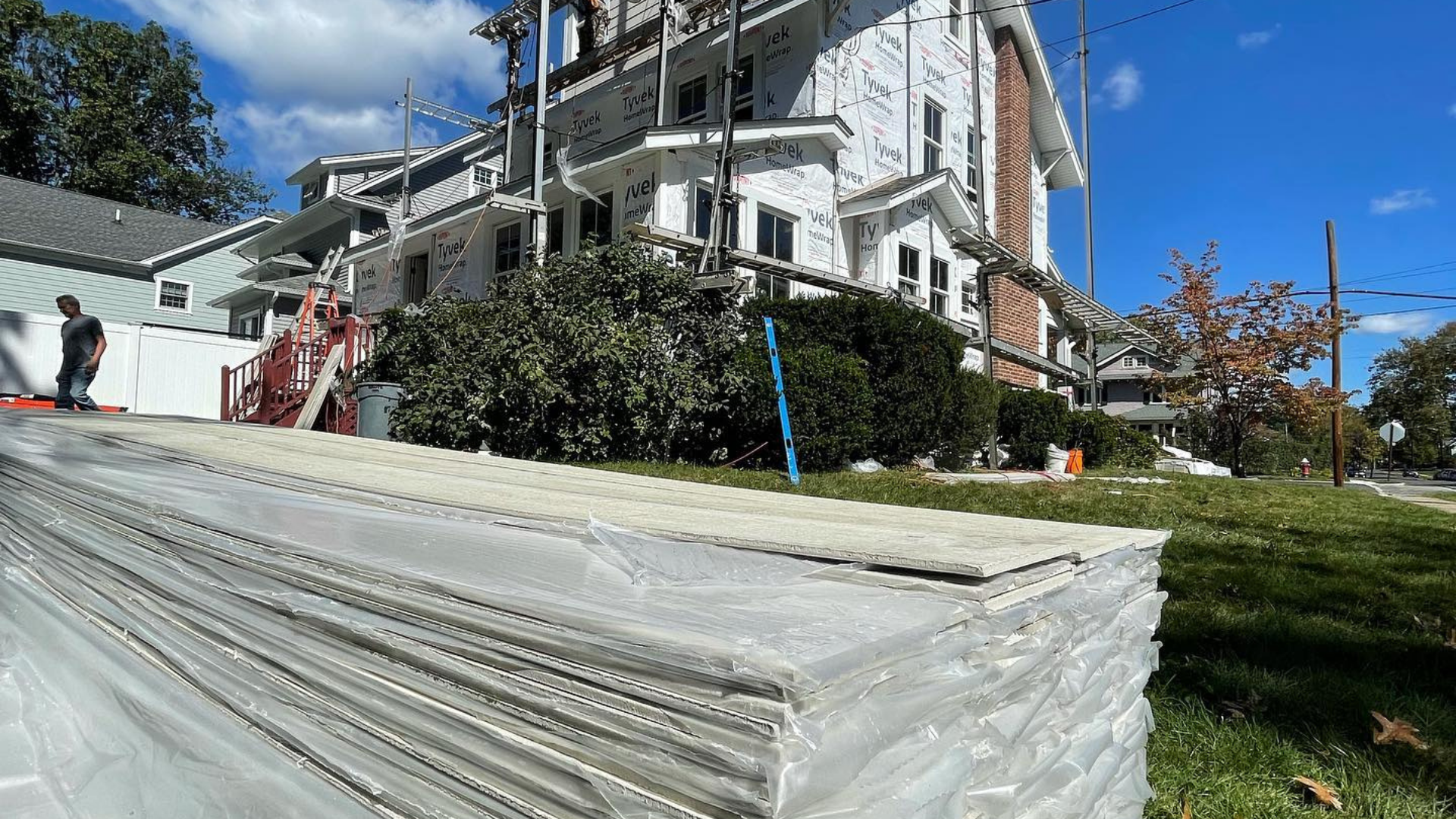
Coordination Can Reduce Rework
One of the biggest drawbacks of unplanned piecemeal work is having to undo something that was recently completed.
Flashing may need to be removed.
Trim may need to be changed.
Gutters may need to come down.
New materials may need to be cut or altered.
That adds labor and can create unnecessary disruption.
Good planning helps protect previous investments.
Build the Exterior With the Final Picture in Mind
Not every homeowner needs a complete exterior renovation at once.
But every major exterior decision benefits from understanding what may come next.
Paese Construction helps homeowners plan roof replacement, siding replacement, trim, fascia, and gutter projects with the entire exterior in mind.
A phased approach can work very well when the materials, colors, drainage, and transitions are coordinated from the beginning.
The goal is not simply to complete the next project.
It is to make sure every project moves the home toward a stronger, more cohesive finished exterior.