How HOA Requirements Can Affect Roofing and Siding Choices

September 4, 2026

Replacing a roof or updating siding can dramatically improve a home’s appearance, weather protection, and long-term value. For homeowners who live in a community governed by a homeowners association, however, material selection may involve more than personal preference.


HOA architectural standards can influence everything from roof color and shingle style to siding materials, exterior finishes, and trim details. Understanding those requirements before construction begins can help homeowners avoid delays, rejected applications, or the expense of changing an already-planned project.
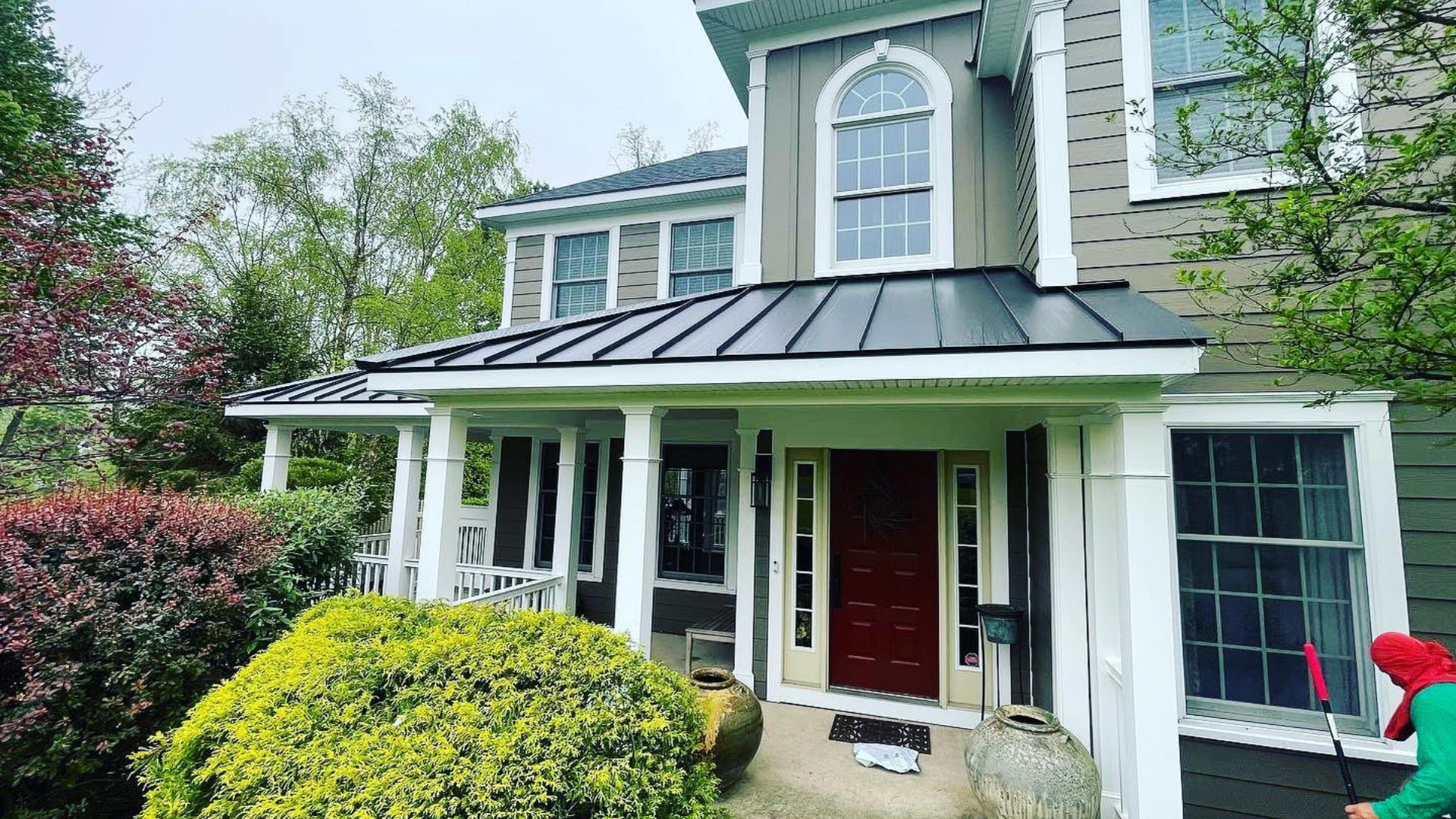
Two-story green house with white trim, red front door, and covered porch surrounded by lush landscaping (a project of Paese Construction LLC)

Why HOAs Regulate Exterior Changes

One of the primary purposes of architectural guidelines is to maintain a consistent appearance throughout a community.


Because roofs and siding make up such a large portion of a home’s exterior, they are commonly included in HOA design standards. Depending on the community, homeowners may be required to choose from an approved range of colors, materials, styles, or manufacturers.


A roof that looks perfect in a product catalog, for example, may not comply with neighborhood requirements if its color or profile differs significantly from surrounding homes.


The same can apply to siding. An HOA may specify acceptable colors, textures, lap widths, or exterior combinations to preserve the character of the neighborhood.
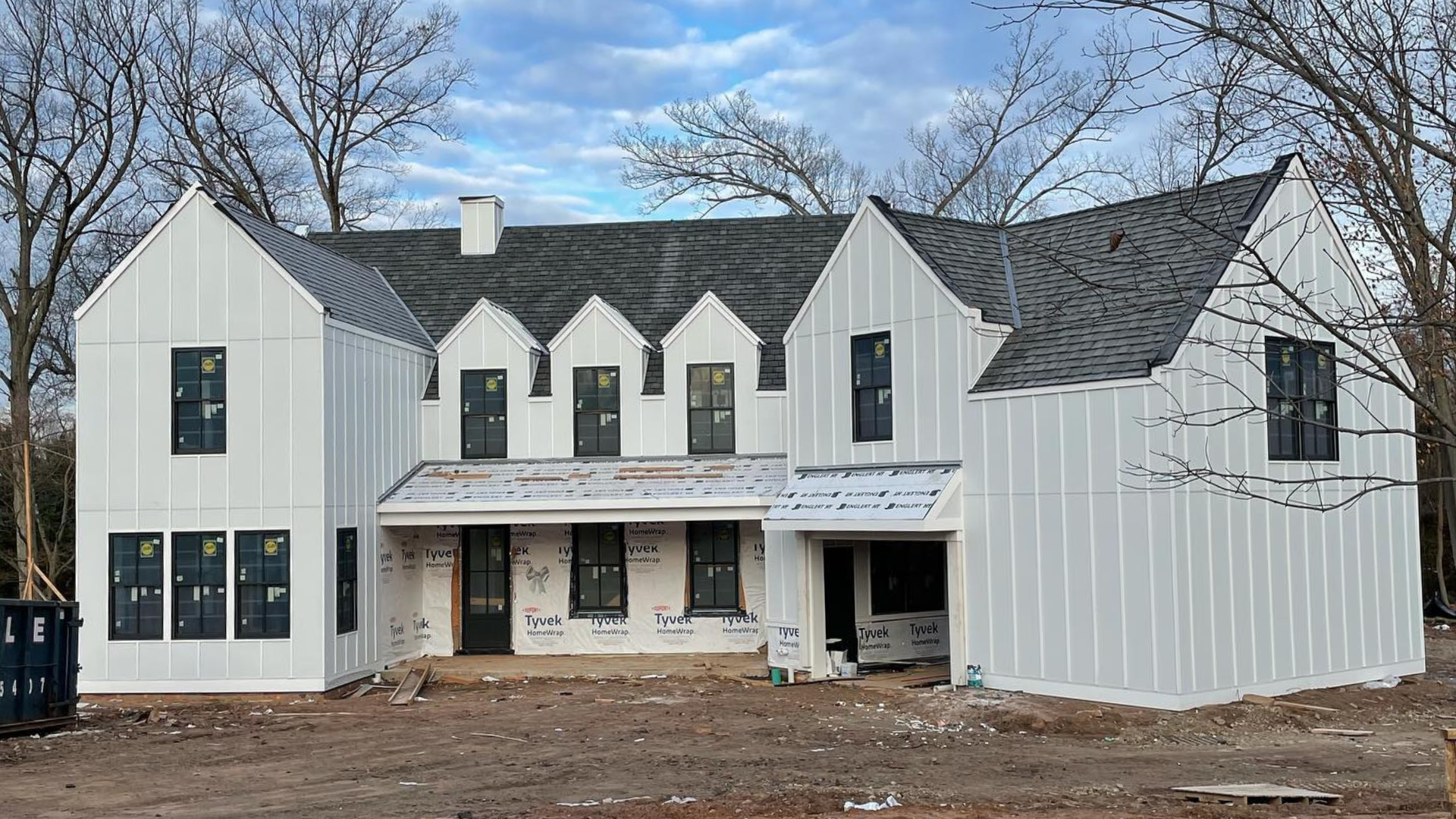
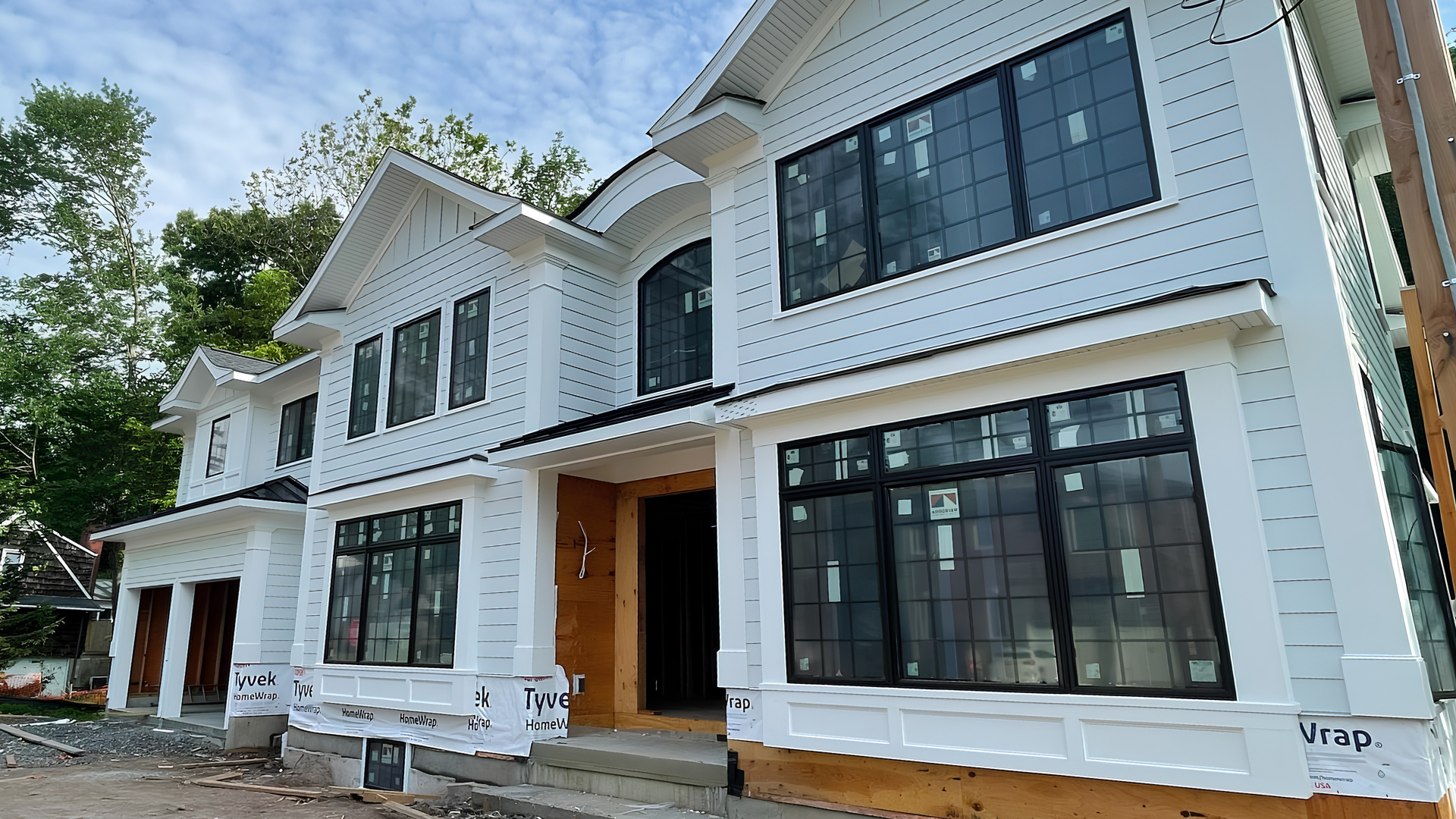
Partially built white two-story house with dark roof and unfinished front yard (a project of Paese Construction LLC)

Roofing Materials May Need Approval

Roof replacement often involves several decisions beyond choosing a basic shingle color.


Architectural shingles are available in numerous profiles and blended color combinations. Premium products from manufacturers such as GAF, Owens Corning, and CertainTeed can produce very different visual effects depending on the home.


An HOA may restrict certain colors or require a particular general appearance. Some communities may also have standards concerning roofing materials or visible design features.


Homeowners should review the architectural guidelines before purchasing materials. If formal approval is required, obtaining it before materials are ordered can help keep the project moving smoothly.
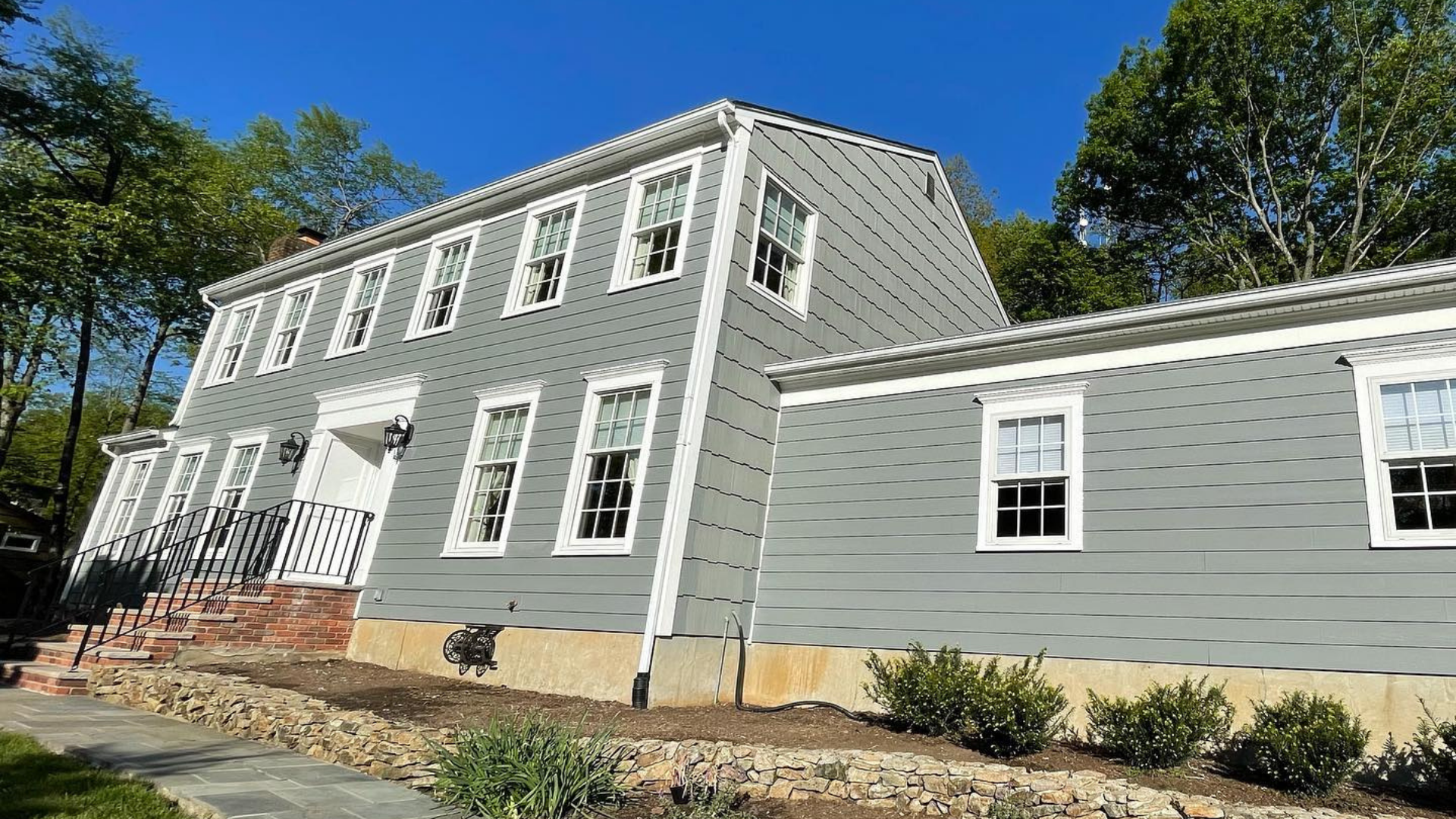
Gray two-story house with white trim and attached single-story wing, viewed from the front on a sunny day (a project of Paese Construction LLC)

Siding Can Involve Even More Design Decisions

Siding replacement can create an even greater visual transformation than a new roof.


Homeowners may need to select the siding material, color, profile, trim treatment, and accent colors around doors, windows, gables, and other architectural features. Products such as James Hardie fiber cement siding offer numerous combinations, but HOA rules may limit which ones are appropriate for a particular neighborhood.


In some communities, changing from one siding material to another may require architectural review even when the new material closely resembles the existing exterior.


This does not necessarily prevent homeowners from upgrading their siding. It simply means the design should be planned with the community requirements in mind.
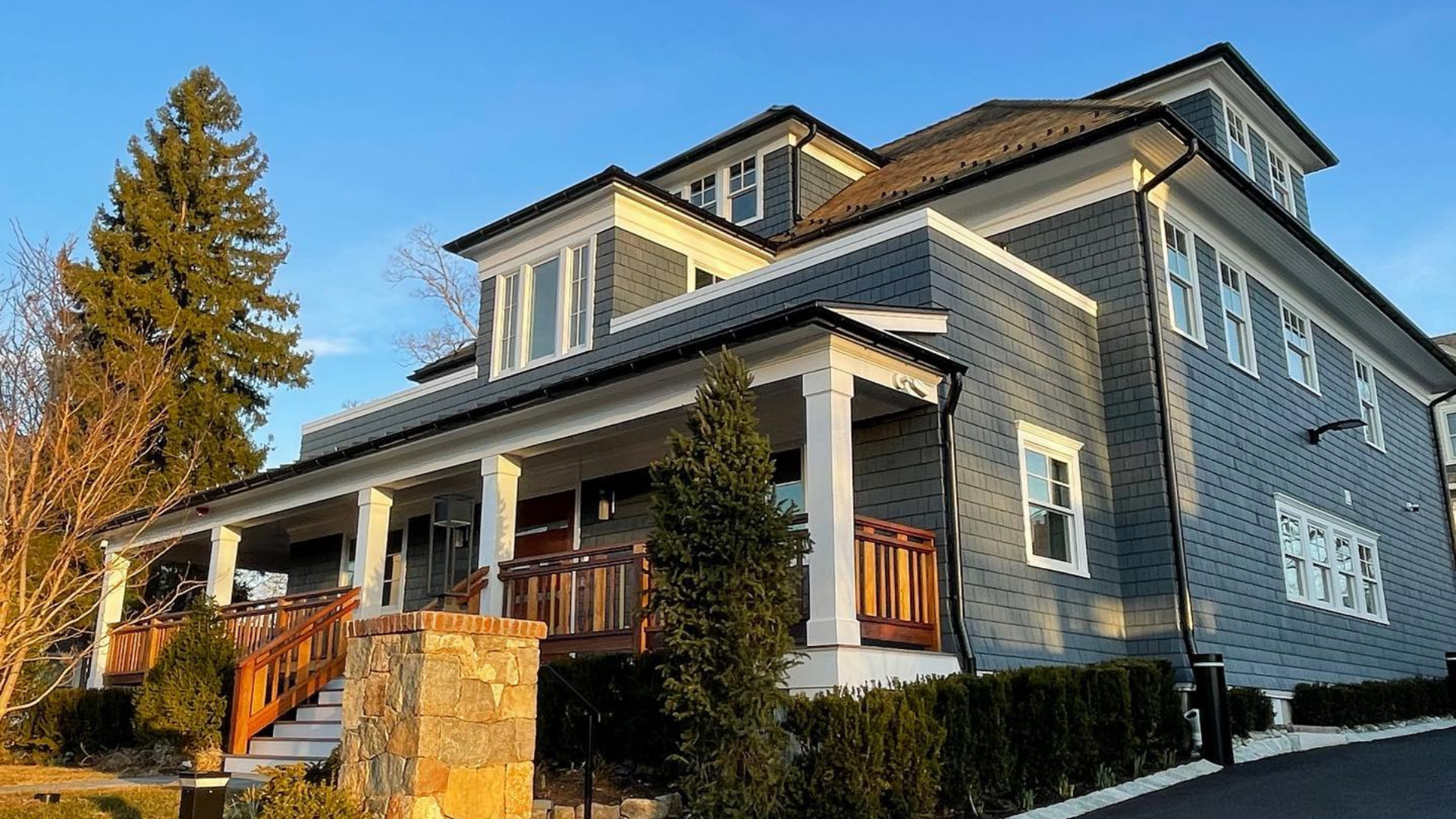
Gray house with a wraparound porch and gabled roof in warm sunlight, beside a tall evergreen tree, a project of Paese Construction LLC

Roofing, Siding, and Trim Should Work Together

An exterior renovation is most successful when the major components complement one another.


A new roof color can affect how siding appears. New siding can make existing trim look dated. Gutters, fascia, soffits, shutters, and other details can also change the overall balance of the exterior.


When HOA restrictions narrow the available colors or materials, thoughtful coordination becomes even more important.


For example, if the roof must remain within a specific neutral palette, homeowners may be able to create more visual interest through siding texture, trim contrast, or other approved architectural details.


Planning these elements together creates a more cohesive result than making each decision independently.
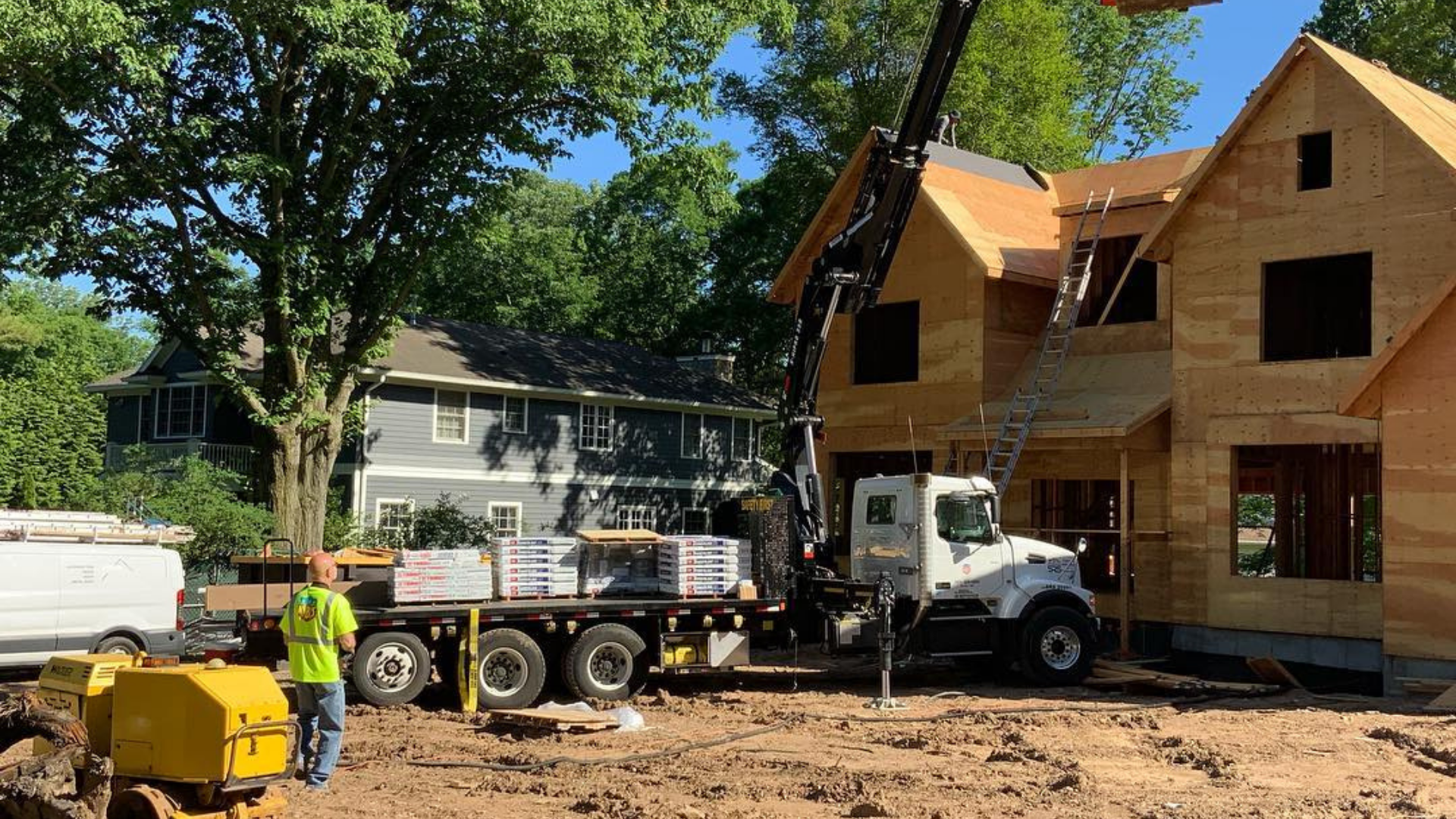
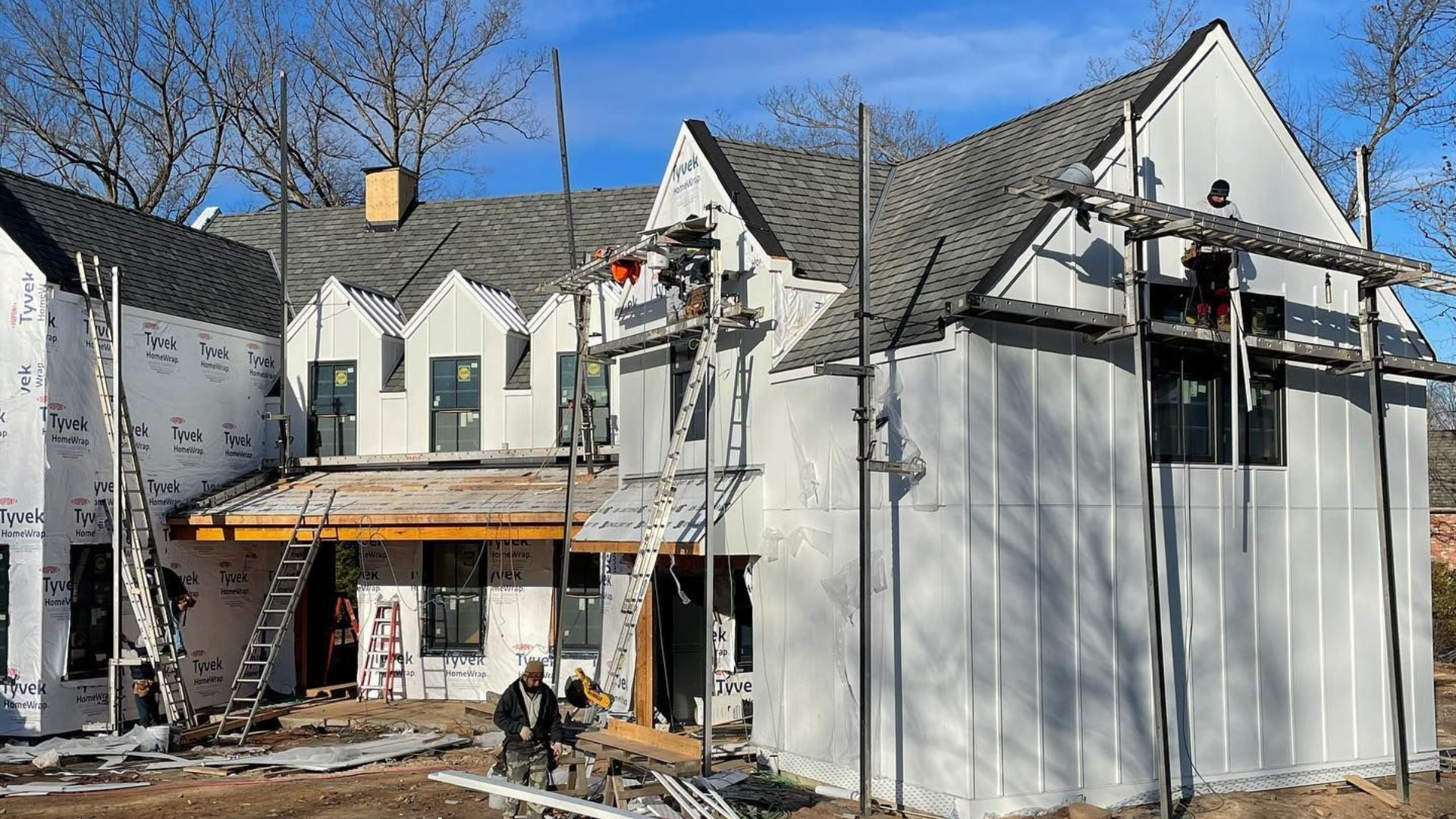
Construction site with two workers of Paese Construction LLC, a crane, and a white truck beside a house under construction

Ask About the Approval Process Early

Homeowners should determine whether their HOA requires an architectural application before scheduling the project.


The association may request information such as:

  • Product manufacturer and model
  • Roofing or siding color
  • Material samples
  • Photographs or product literature
  • Contractor information
  • Drawings or descriptions of the proposed exterior changes


Approval procedures vary by community, so homeowners should consult their individual governing documents rather than assume that a neighbor’s recent project establishes what is permitted.


Allowing time for review before construction begins can help prevent unnecessary scheduling problems.
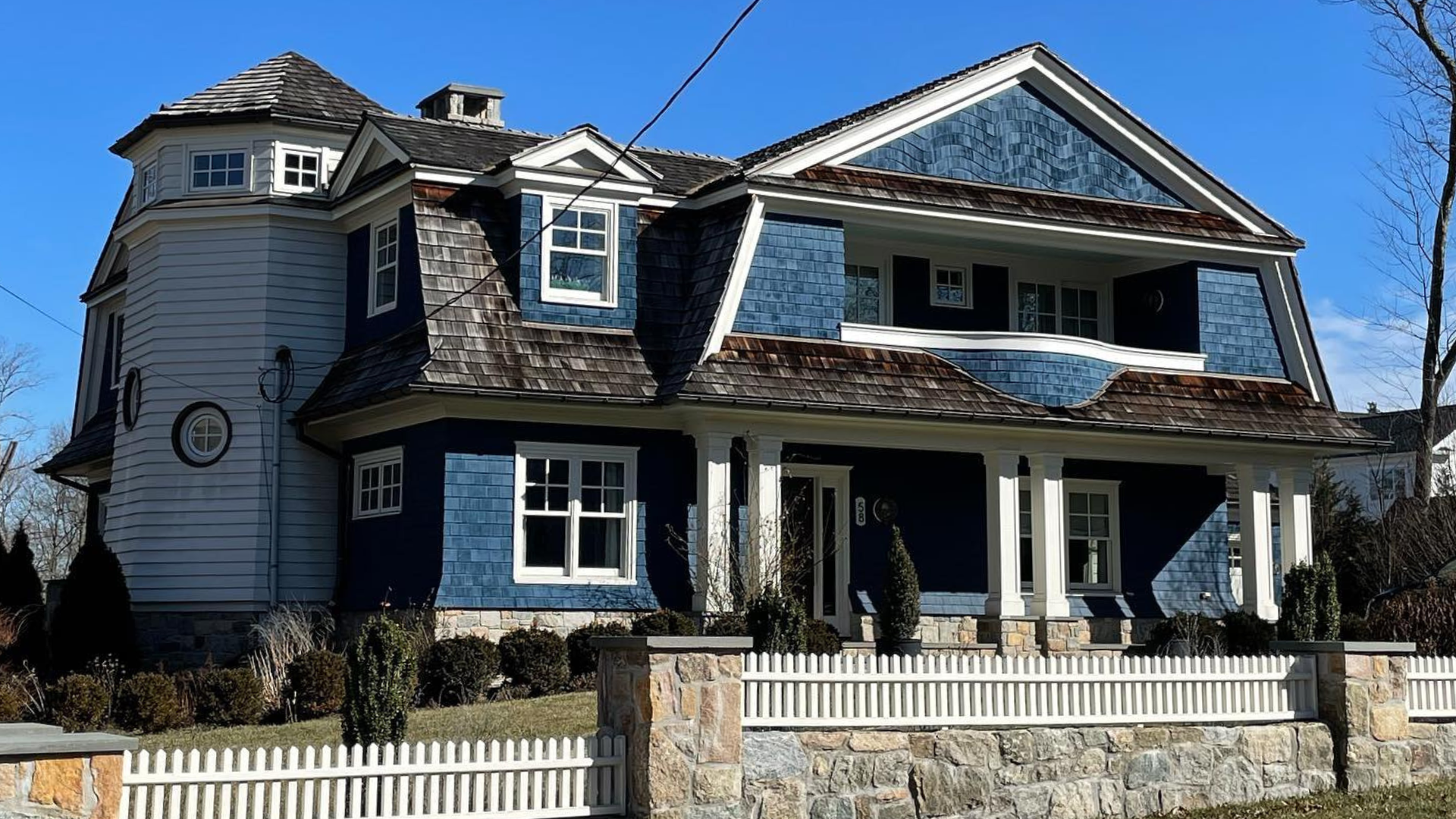
Large blue Victorian house with white trim, porch, and picket fence, a project of Paese Construction LLC

Do Not Let Restrictions Eliminate Good Design

HOA guidelines can limit choices, but they do not necessarily prevent homeowners from creating an attractive, high-quality exterior.


A carefully selected roofing system, premium siding, coordinated trim, and properly designed gutters can still significantly improve the appearance of a home while remaining within community standards.


The key is to begin with the requirements and then identify the strongest options within them.


Experienced exterior contractors can also help homeowners compare materials, understand how different combinations will look, and prepare the product information needed for an architectural review.
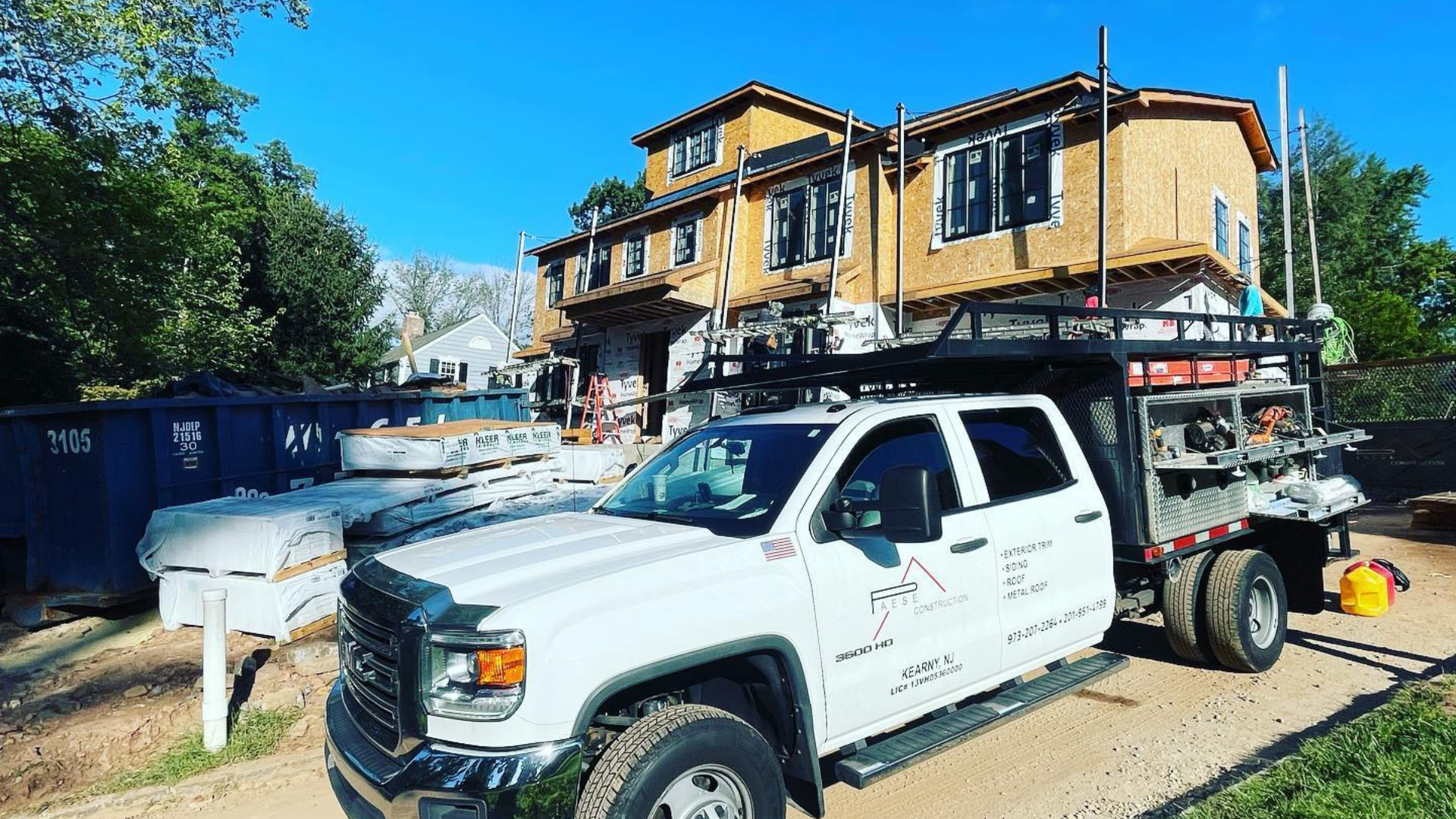
Paese Construction LLC is doing a house construction project

Plan Your Exterior Project With Confidence

Roofing and siding replacement are significant investments, and HOA requirements should be addressed before materials are ordered or installation begins. Reviewing the rules early makes it easier to choose products that satisfy both the homeowner’s goals and the community’s architectural standards.


Paese Construction specializes in high-quality roof replacement, siding replacement, exterior trim, and gutter projects using trusted manufacturers such as GAF, Owens Corning, CertainTeed, and James Hardie. If you are planning an exterior renovation in an HOA-governed community, contact Paese Construction to discuss your options and create a coordinated project plan that works with your home, your neighborhood, and your long-term goals.
September 22, 2026
Roof repairs make sense when damage is limited, the surrounding materials are still in good condition, and the roofing system has plenty of useful life left. But there comes a point when repeated repairs stop being the most practical approach. An aging roof may begin developing problems in several areas at once. At that stage, homeowners can end up paying for one repair after another without addressing the broader condition of the system. Knowing when to move from repair to replacement can help prevent unnecessary spending and reduce the risk of more serious damage later. Age Is an Important Starting Point Every roofing material has a typical service life , but age alone does not determine whether replacement is necessary. Installation quality, ventilation, weather exposure, maintenance, and material type all affect how long a roof performs well. Still, an older roof that begins requiring frequent repairs deserves a closer look. If shingles are failing in several areas or leaks are becoming more common, the issue may no longer be isolated.
September 16, 2026
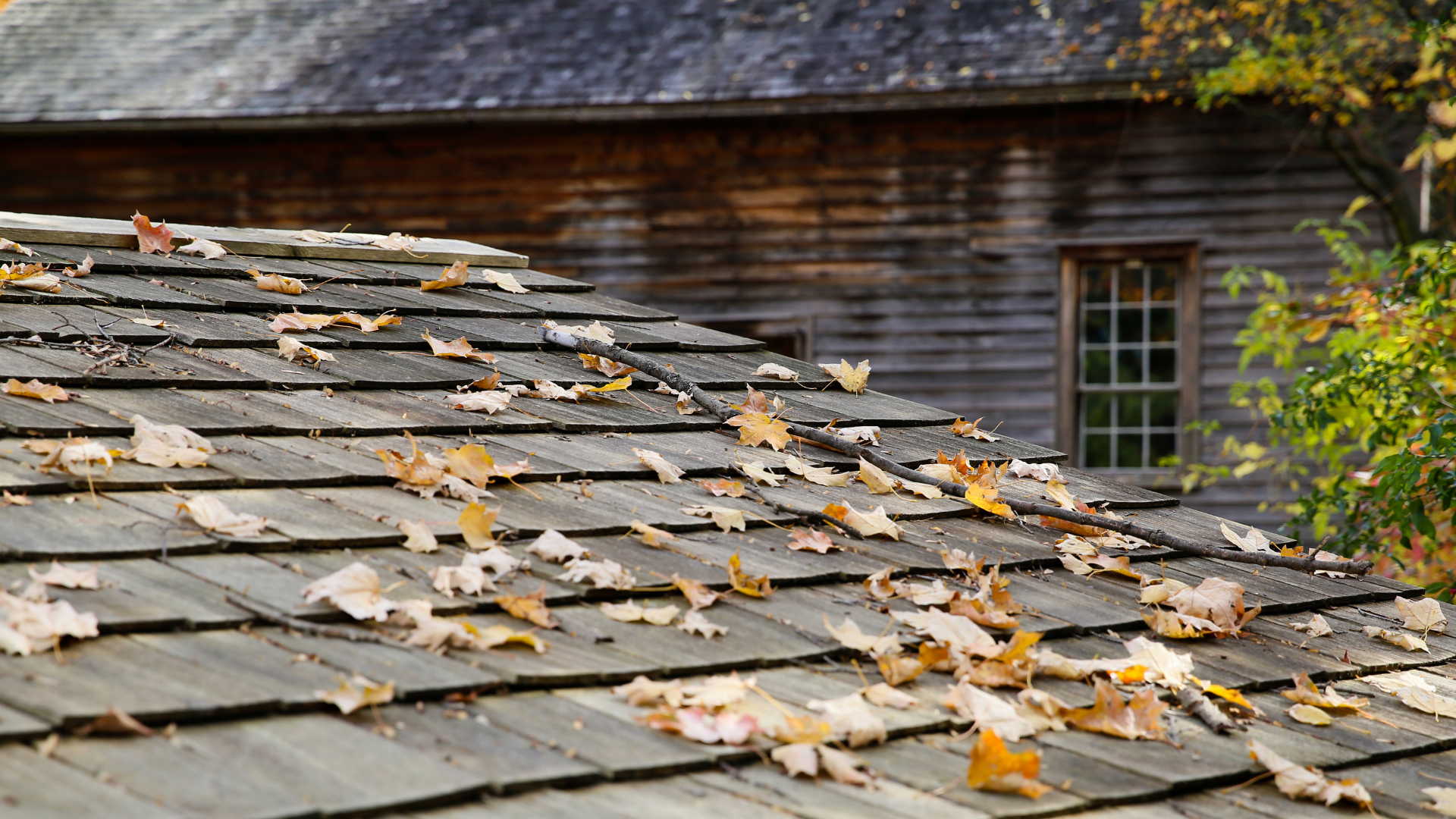
Fall is one of the best times to look closely at the condition of a roof before colder weather arrives. Once temperatures begin dropping , small roofing problems can become harder to ignore. Moisture, wind, freezing temperatures, and repeated freeze-thaw cycles can all put additional stress on an aging roofing system.  A pre-winter review does not mean climbing onto the roof yourself. Many warning signs can be spotted from the ground or inside the attic, while a professional inspection can address areas that are difficult or unsafe to evaluate.
September 10, 2026
Many homeowners assume a roof is performing well as long as there are no visible leaks. Unfortunately, roofing problems can develop long before water begins dripping through the ceiling.  A roof may already be losing its ability to protect the home because of aging materials, weakened flashing, deteriorated underlayment , ventilation problems, or damaged shingles. By the time an interior leak becomes obvious, moisture may have already affected decking, insulation, trim, or other parts of the structure.
August 28, 2026
Choosing new siding is a major exterior decision because it affects appearance, durability, maintenance, and long-term protection. Homeowners often want a material that looks refined, stands up well to changing weather, and offers enough style options to complement the architecture of the house.  James Hardie siding has become a popular choice for replacement projects because it combines the look of traditional siding with the strength of fiber cement. Paese Construction works with premium exterior materials such as James Hardie to help homeowners create durable, attractive exteriors designed for long-term performance.
August 23, 2026
When homeowners think about roofing, shingles usually get most of the attention. They are the most visible part of the system, and they play an important role in protecting the home from the elements. However, some of the most critical roofing components are far less noticeable. Flashing is one of them.  Roof flashing is installed around vulnerable areas where water is more likely to enter, such as chimneys, skylights, valleys, vent pipes, and roof-to-wall intersections. When installed correctly, flashing helps direct water away from these areas and into the normal drainage path of the roof. When it fails, even a relatively small weakness can allow moisture to penetrate the roofing system and damage the materials below.
August 18, 2026
Every season brings unique challenges for your home’s exterior. From heavy spring rains and summer heat to autumn leaves and winter snow, your roof, siding, gutters, and trim work together year-round to protect everything inside your home. While no exterior can remain maintenance-free forever, a proactive approach can help identify small issues before they become costly repairs.  By preparing your home throughout the year, you can help maximize the lifespan of your roofing system and exterior materials while protecting one of your most valuable assets.
August 7, 2026
When planning exterior improvements, many homeowners focus on one project at a time. While there are situations where that approach makes sense, replacing both the roof and siding during the same renovation can offer significant advantages. Because these two systems work together to protect your home from the elements, coordinating their replacement can create a more cohesive, durable, and visually appealing exterior.  For homeowners whose roof and siding are both showing signs of age, combining the projects may be worth considering as part of a long-term investment in the home.
July 29, 2026
When homeowners think about improving their home’s exterior, the roof and siding often receive the most attention. While these are essential components, one important detail is frequently overlooked: exterior trim. The trim surrounding windows, doors, rooflines, corners, and other architectural features provides the finishing touch that ties the entire exterior together.  High-quality exterior trim not only enhances curb appeal but also helps protect your home from the elements while complementing premium roofing and siding materials.
July 15, 2026
When homeowners think about protecting their homes from the elements, the roof is usually the first thing that comes to mind. While a quality roof is one of the most important components of any home, it is only one part of a much larger system. Your siding, trim, gutters, flashing, and other exterior elements all work together to defend your home against rain, wind, snow, temperature changes, and moisture.  Understanding how these systems function together can help homeowners make informed decisions about exterior improvements that provide long-term protection and value.
July 8, 2026
For most homeowners, their house is the largest investment they will ever make . Protecting that investment involves much more than routine maintenance or occasional repairs. The materials used on a home’s exterior play a critical role in defending it against weather, moisture, temperature changes, and the natural effects of aging.  While it can be tempting to compare roofing and siding products based primarily on price, the quality of the materials installed often has a significant impact on long-term performance, durability, and overall value. Investing in premium exterior products can help homeowners enjoy greater peace of mind while preserving both the appearance and integrity of their property.