Why Your Roof and Siding Should Be Designed as One System

May 5, 2026

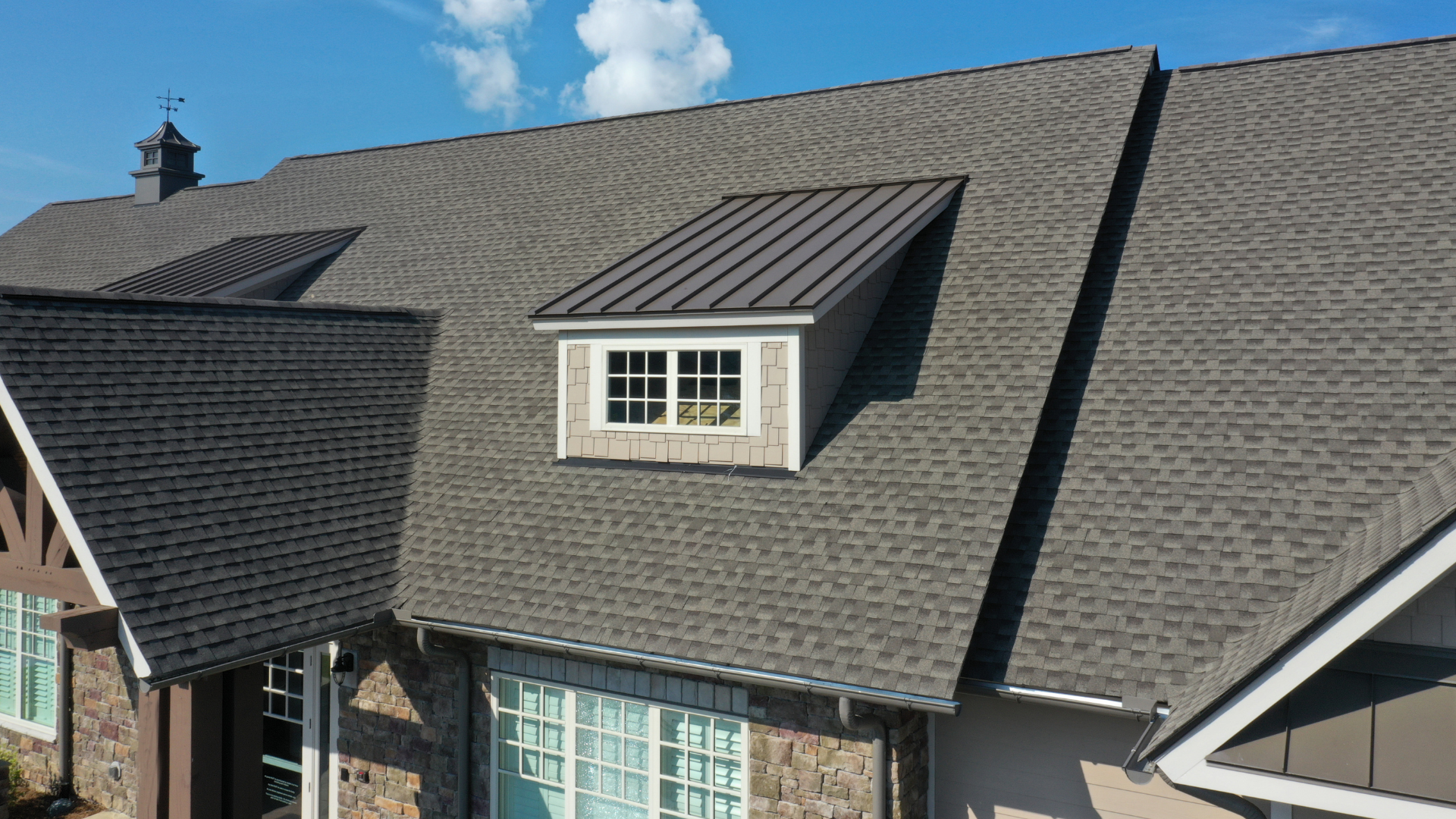
When homeowners think about exterior upgrades, roofing and siding are often treated as separate projects. One may be replaced years before the other, with decisions made independently based on immediate needs. While this approach may seem practical in the short term, it often overlooks a critical concept. A home’s exterior performs best when it is designed and installed as a unified system.


At Paese Construction, the focus is not simply on replacing materials. It is on creating an integrated exterior that delivers both performance and long-term value.
The Exterior as a Protective System

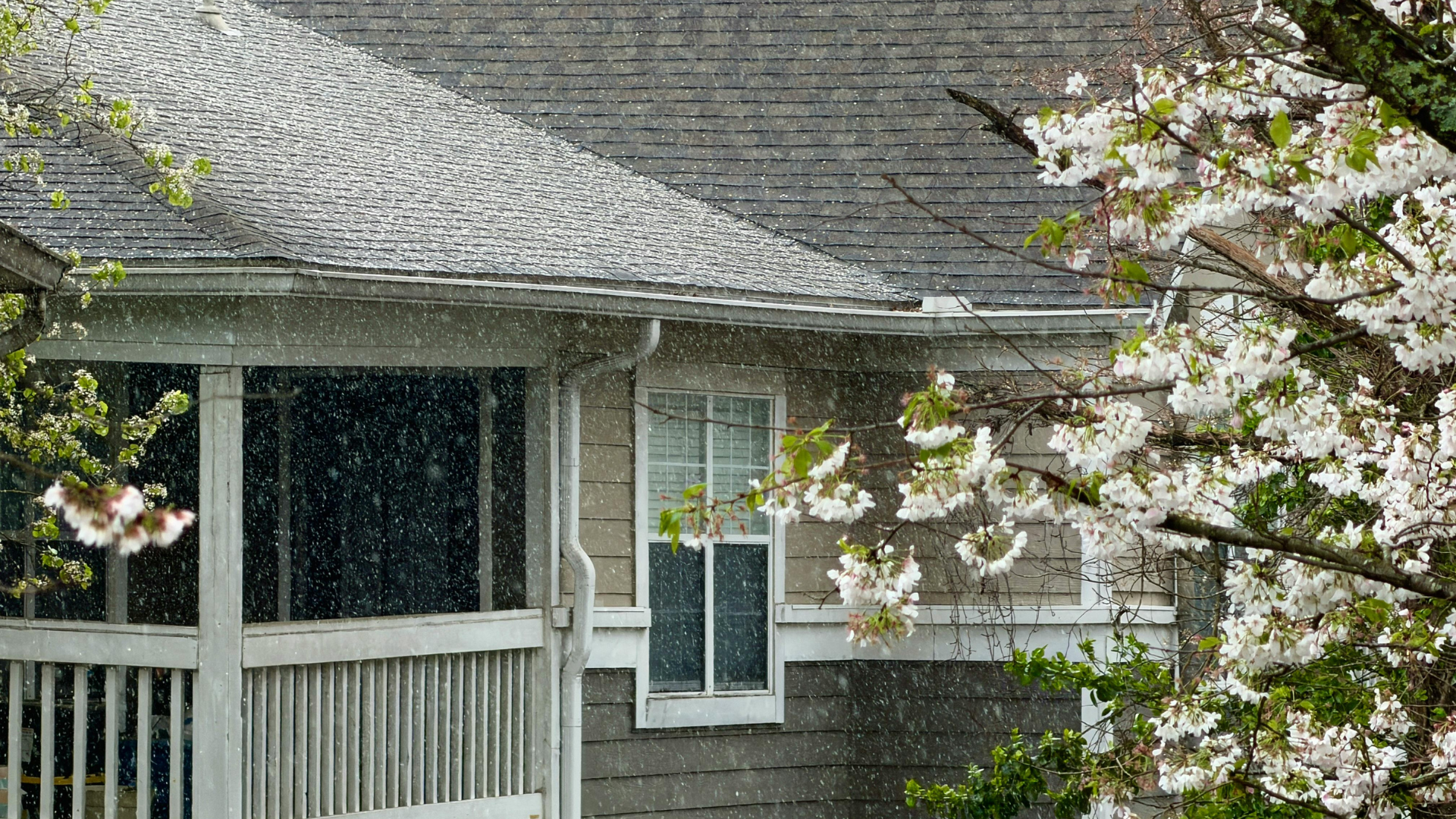
A home’s exterior is its first line of defense against the elements. Roofing, siding, trim, and related components all work together to manage water, airflow, and environmental exposure. When these elements are aligned, they create a continuous barrier that protects the structure beneath.


If these components are treated independently, gaps in performance can develop. Water management systems may not align properly, transitions between materials may be less effective, and the overall integrity of the exterior can be compromised. Designing roofing and siding as one system helps eliminate these disconnects.
Water Management and Integration

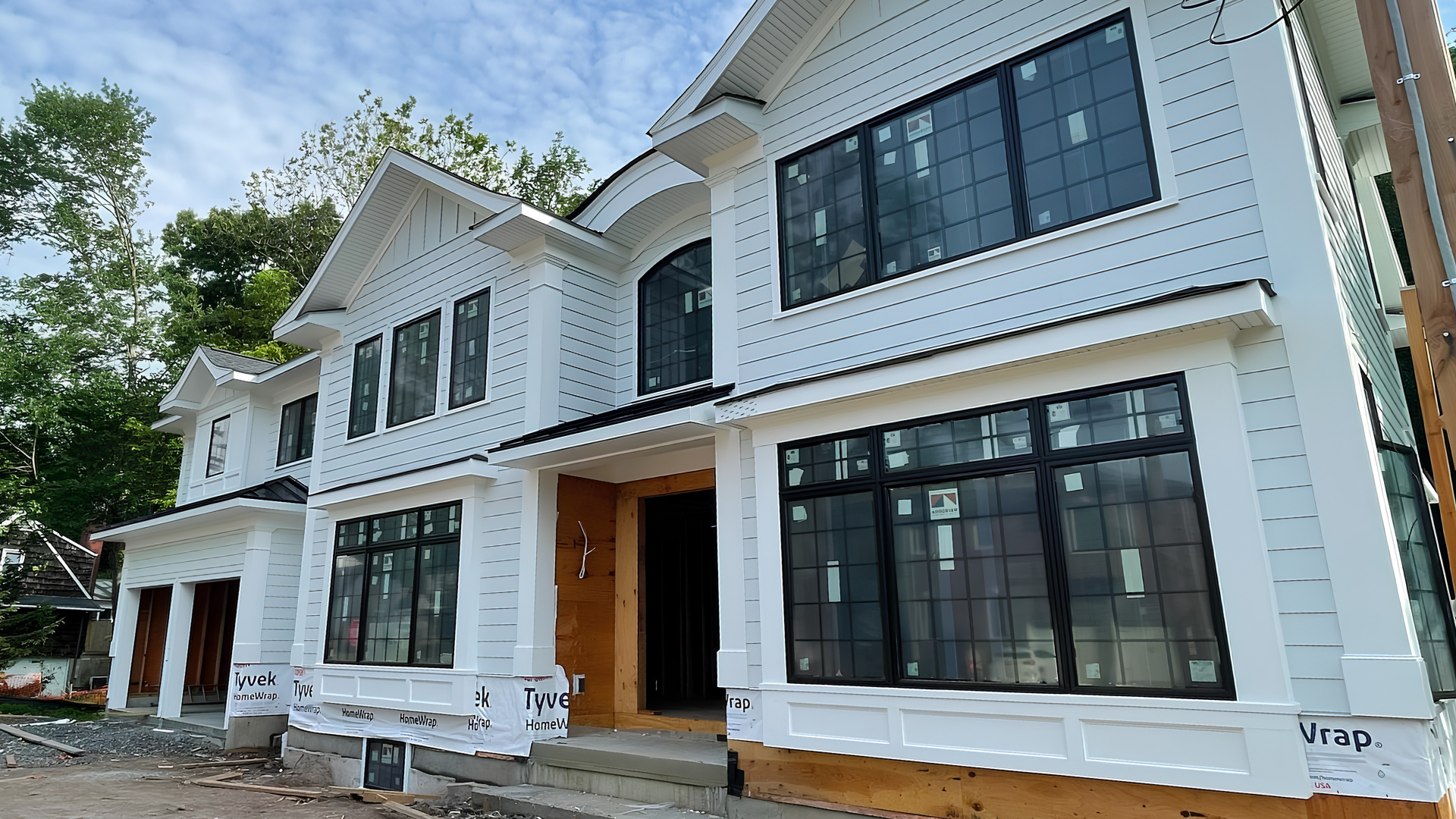
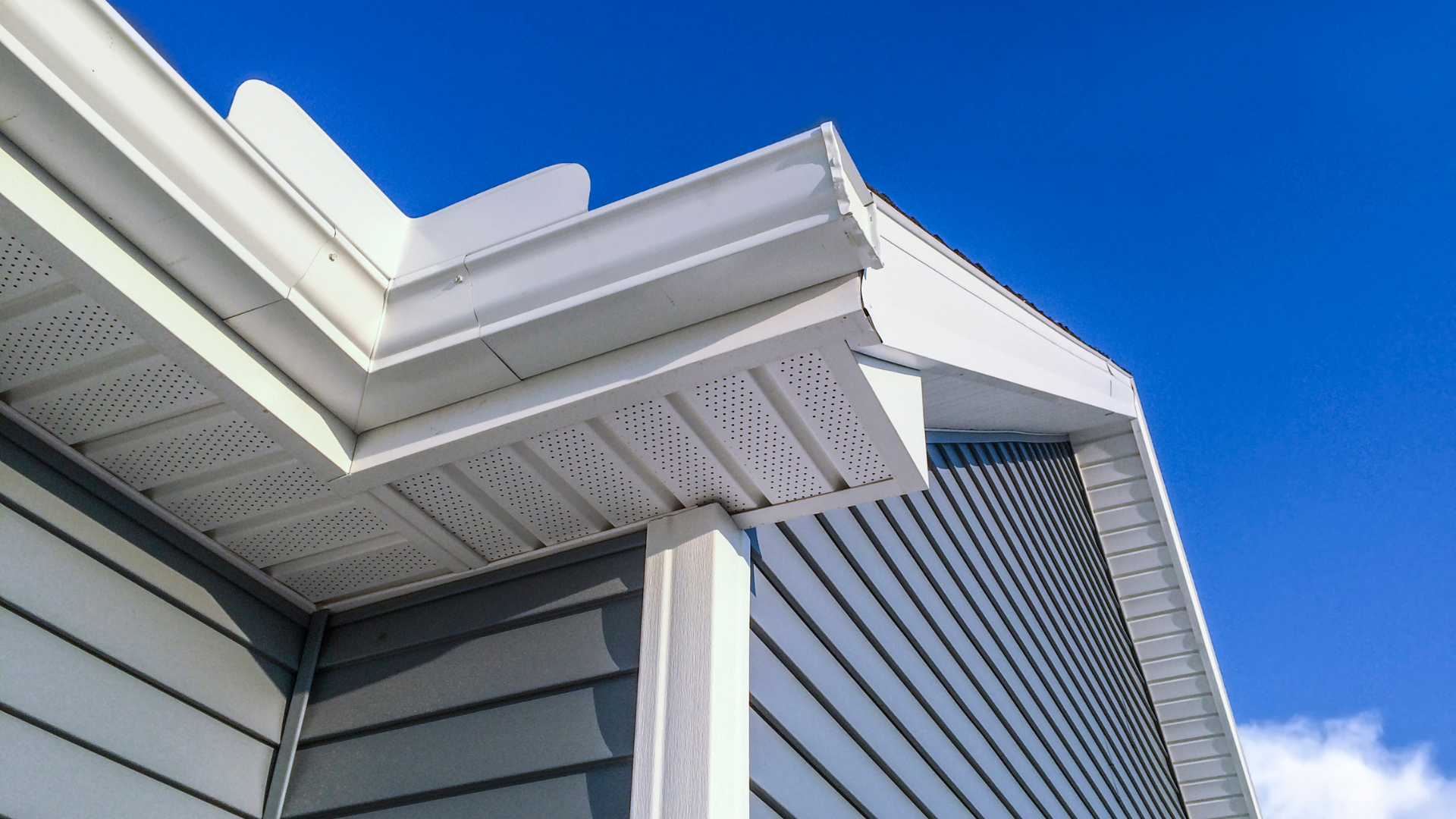
One of the most important functions of any exterior system is directing water away from the home. This process involves more than just shingles or siding panels. It includes underlayment, flashing, trim, and the way all components connect.


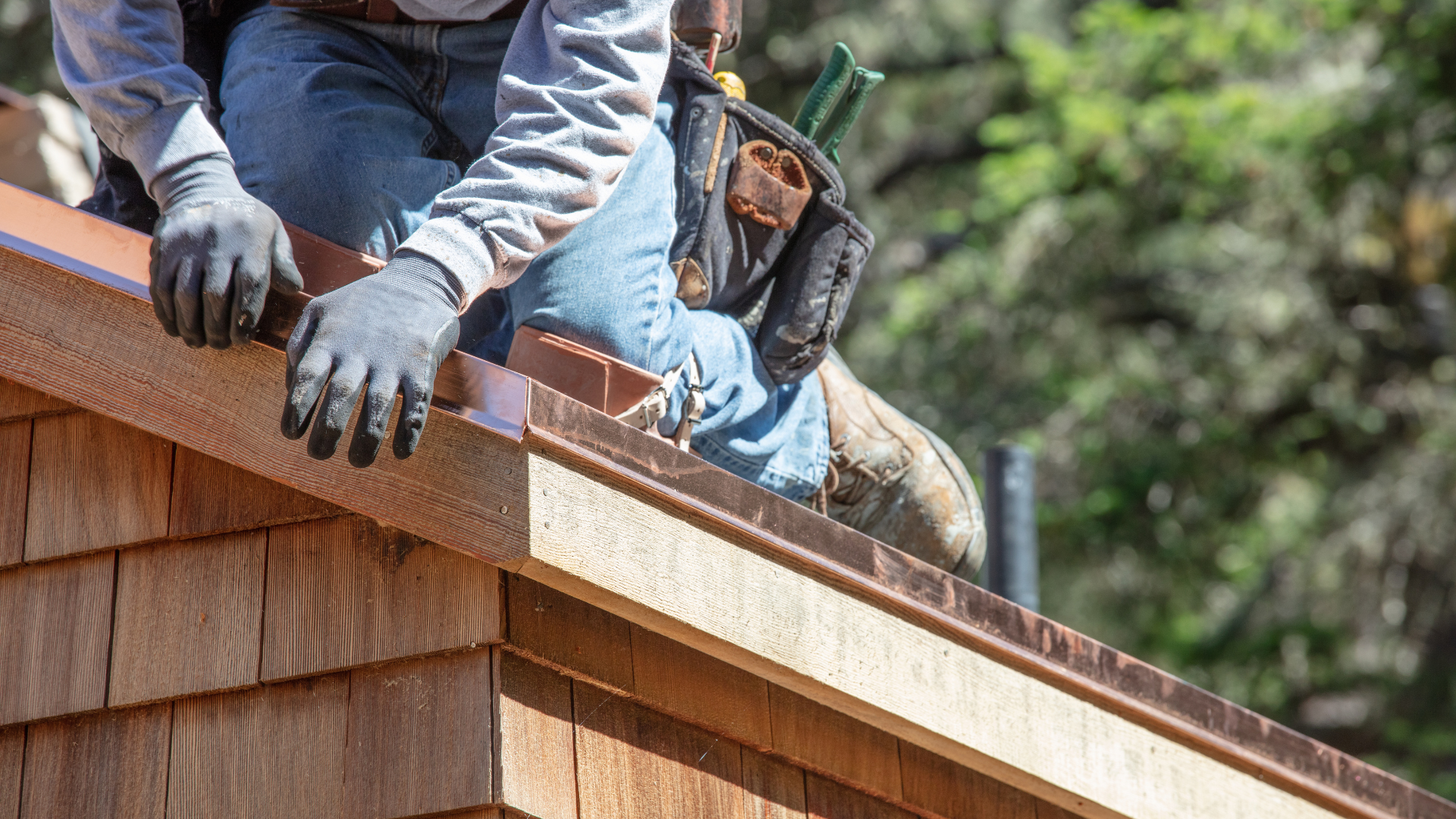
When roofing and siding are designed together, water management becomes more consistent. Flashing details can be planned to integrate seamlessly with both surfaces, reducing the risk of leaks or moisture intrusion. Transitions between the roofline and vertical walls are handled with greater precision, which improves overall performance.


This level of integration is difficult to achieve when projects are completed separately over time.
Alignment of Materials and Performance

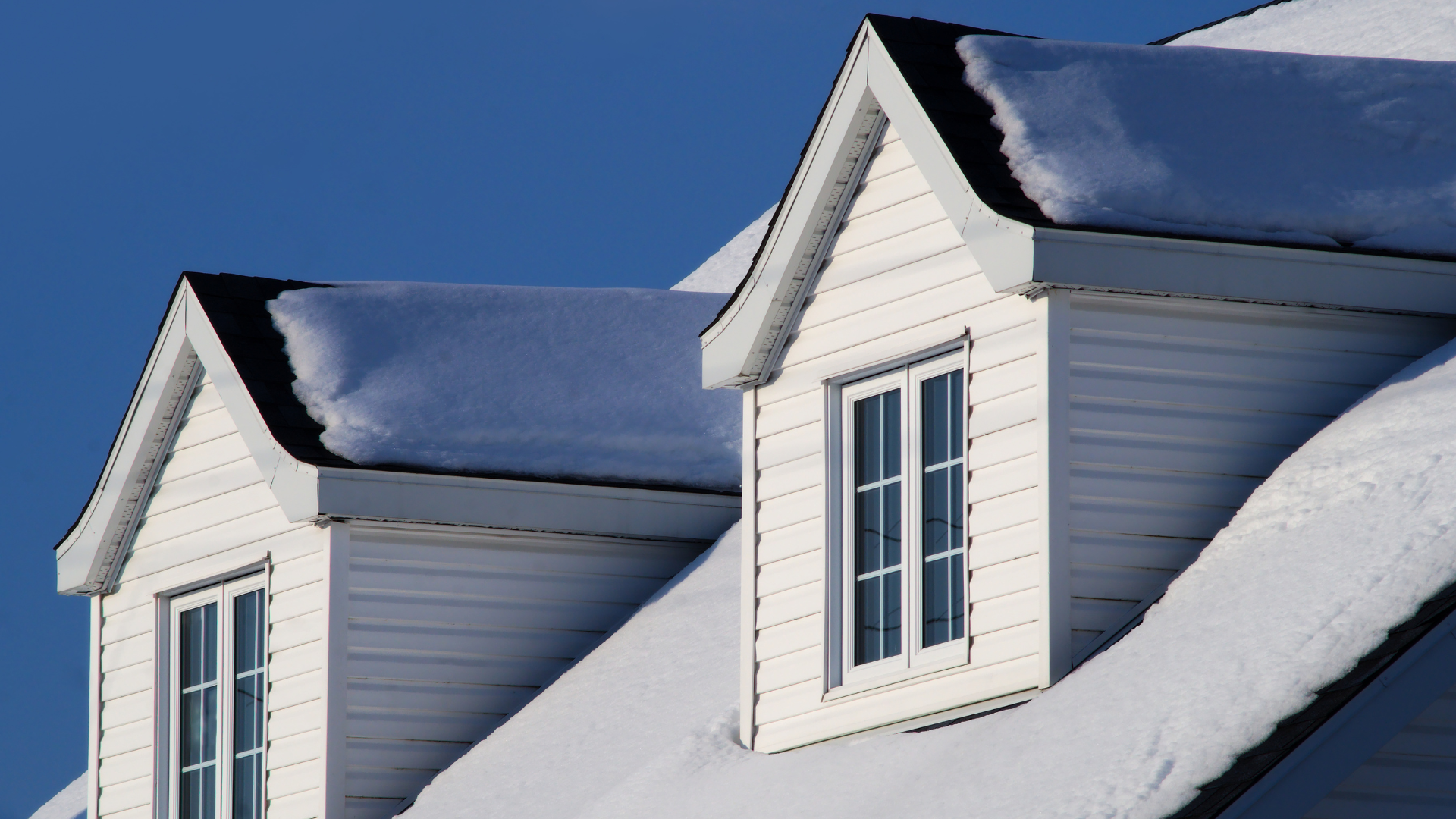
Different materials behave differently under environmental stress. Roofing and siding expand, contract, and respond to weather conditions in unique ways. When these materials are selected without considering how they interact, it can lead to long-term issues.


A system-based approach ensures that materials are compatible in both function and performance. This includes considering how they respond to temperature changes, how they manage moisture, and how they contribute to the overall durability of the structure.


By aligning these factors from the beginning, the exterior performs more reliably over time.
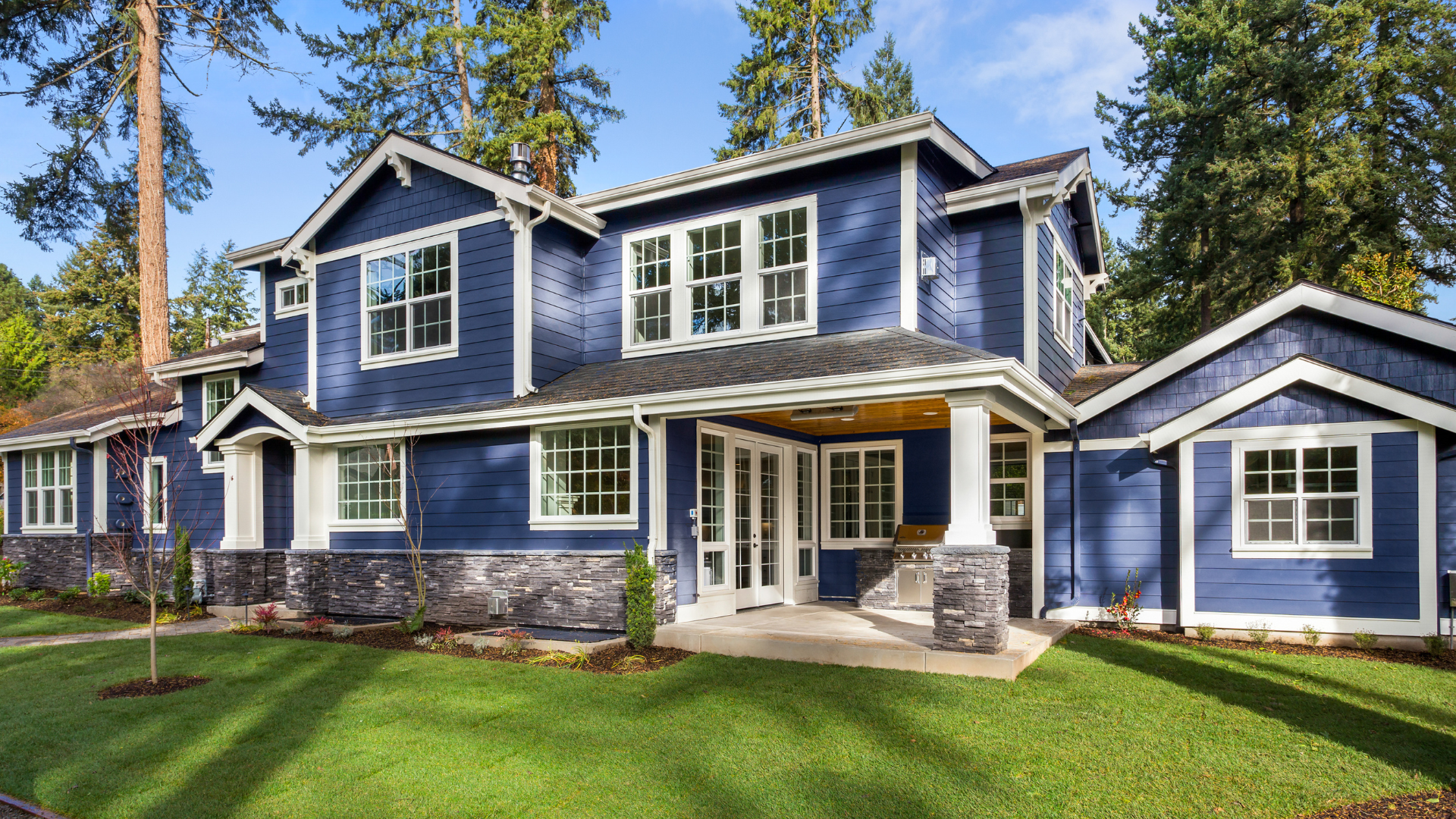
A Cohesive Visual Design

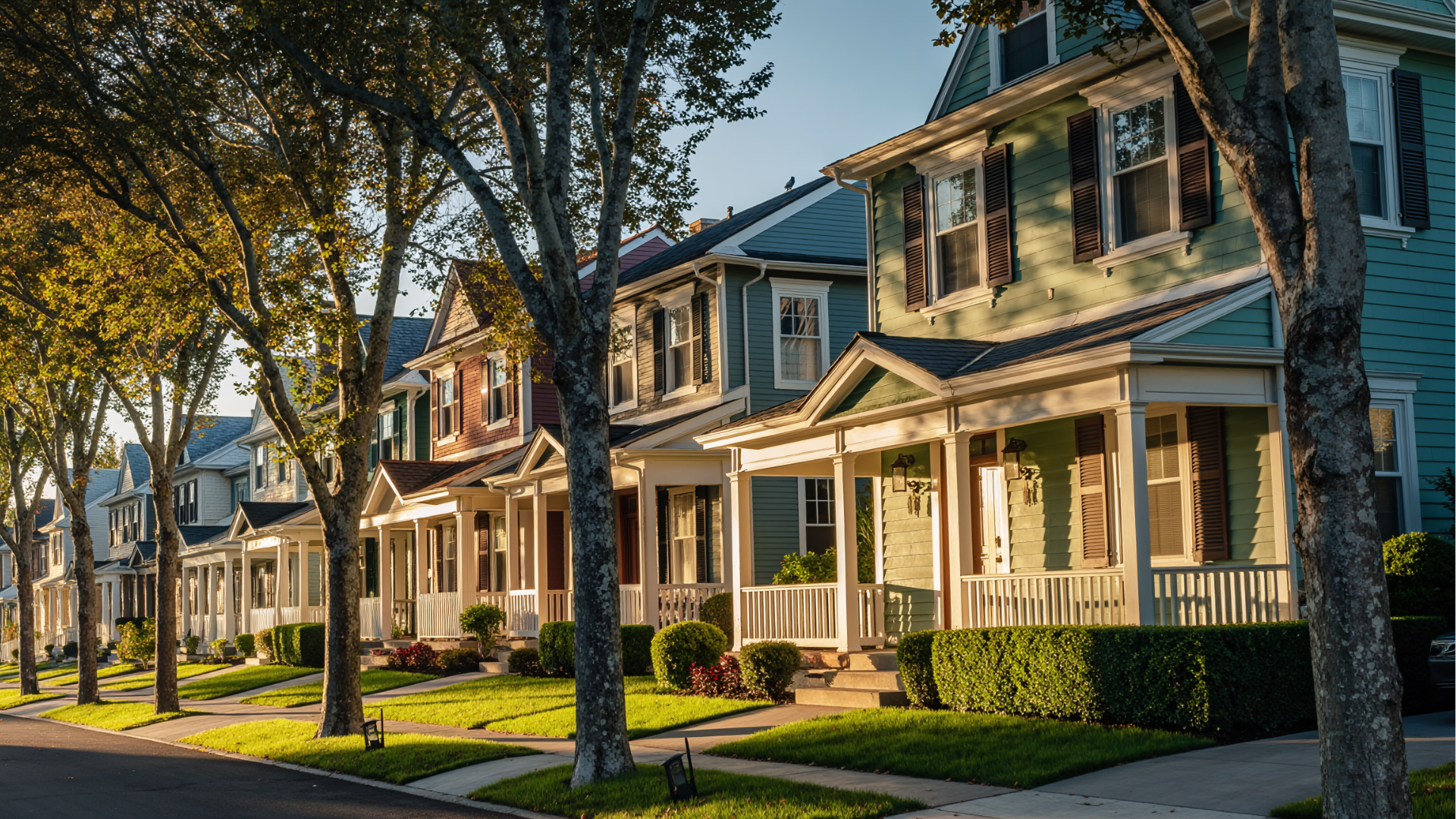
Beyond performance, designing roofing and siding as one system has a significant impact on appearance. A home’s exterior is most effective when it feels cohesive rather than assembled in separate phases.


Color, texture, and proportion all play a role in how the exterior is perceived. When these elements are selected together, the result is a more intentional and balanced design. The roof complements the siding, and the entire structure presents a unified look and stronger curb appeal.


When upgrades are done independently, it can be difficult to achieve this level of cohesion. Even high-quality materials may appear mismatched if they are not part of a coordinated plan.
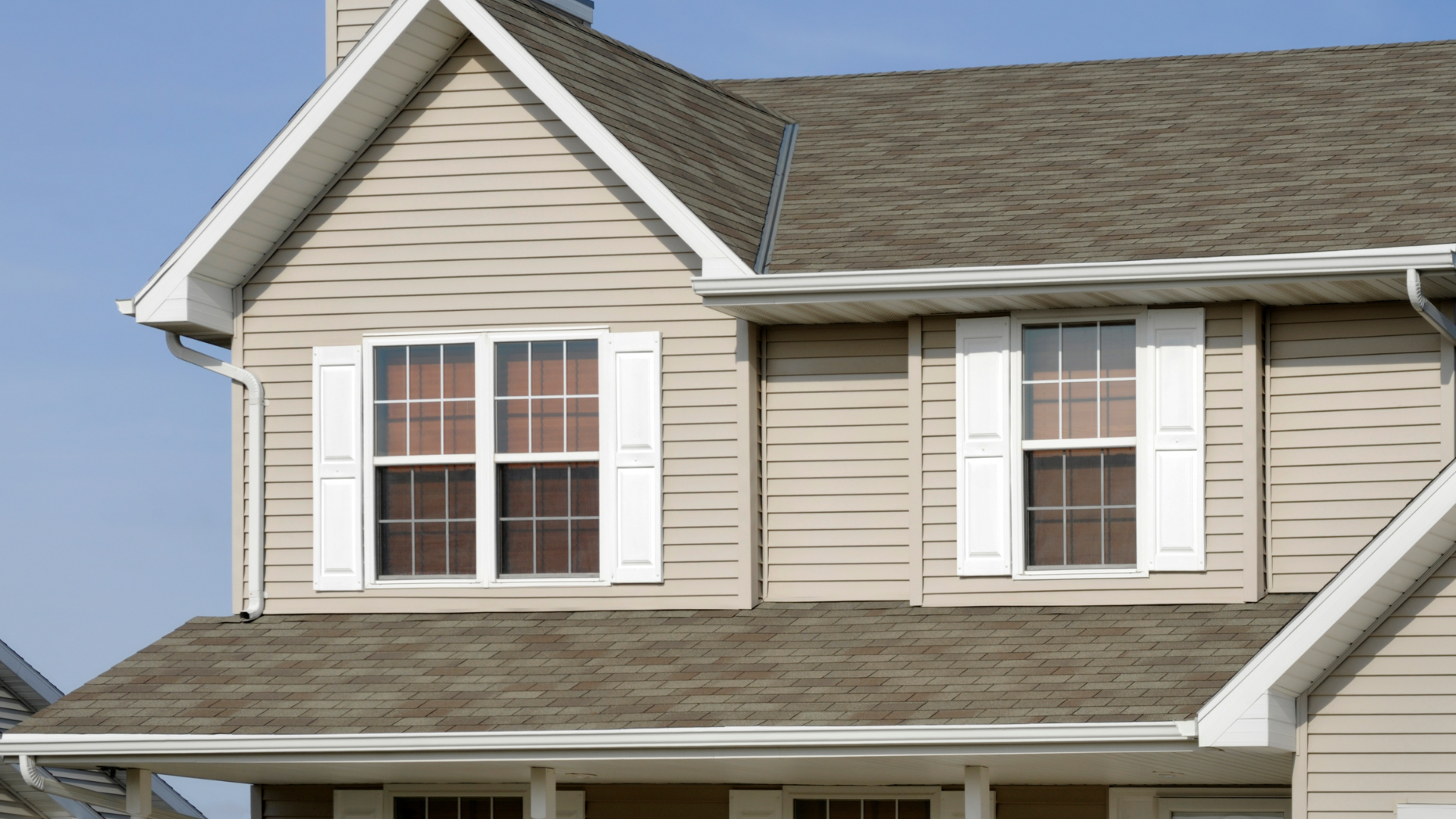
Long-Term Efficiency and Value

Approaching roofing and siding as a single system also provides long-term advantages. Coordinated projects reduce the need for repeated labor, minimize disruption, and allow for more efficient installation.


More importantly, this approach helps prevent issues that can arise from partial upgrades. When one component is replaced without addressing the others, it may need to be adjusted or reworked in the future. A system-based design reduces the likelihood of these complications.


This results in a more durable exterior and a better return on investment over time.

Planning Before Installation

The success of a system-based exterior begins with planning. Understanding how each component will function together allows for more precise execution during installation. It also ensures that the final result reflects both performance goals and design preferences.


At Paese Construction, this planning process is a central part of every project. By evaluating the home as a complete system, the team can recommend solutions that address both immediate needs and long-term performance.
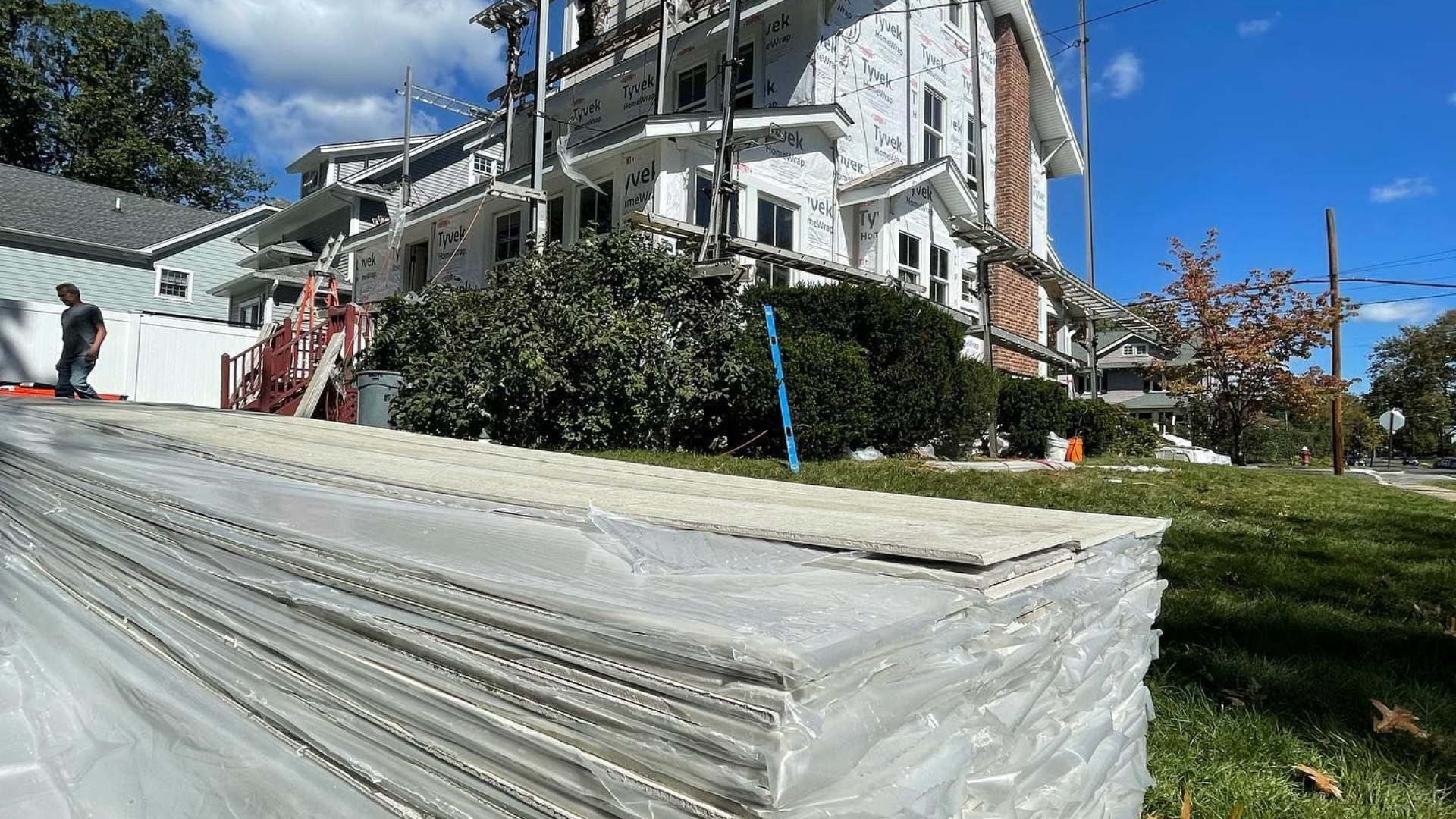
A More Complete Approach to Exterior Upgrades

Roofing and siding are not isolated features. They are part of a larger system that protects and defines the home. Treating them as such leads to better results in both function and appearance.


Paese Construction specializes in high-end roof and siding replacement with a focus on integration, quality materials, and precise installation. If you are considering an exterior upgrade, contact Paese Construction to explore a system-based approach that delivers lasting performance and a cohesive design.
August 28, 2026
Choosing new siding is a major exterior decision because it affects appearance, durability, maintenance, and long-term protection. Homeowners often want a material that looks refined, stands up well to changing weather, and offers enough style options to complement the architecture of the house.  James Hardie siding has become a popular choice for replacement projects because it combines the look of traditional siding with the strength of fiber cement. Paese Construction works with premium exterior materials such as James Hardie to help homeowners create durable, attractive exteriors designed for long-term performance.
August 23, 2026
When homeowners think about roofing, shingles usually get most of the attention. They are the most visible part of the system, and they play an important role in protecting the home from the elements. However, some of the most critical roofing components are far less noticeable. Flashing is one of them.  Roof flashing is installed around vulnerable areas where water is more likely to enter, such as chimneys, skylights, valleys, vent pipes, and roof-to-wall intersections. When installed correctly, flashing helps direct water away from these areas and into the normal drainage path of the roof. When it fails, even a relatively small weakness can allow moisture to penetrate the roofing system and damage the materials below.
August 18, 2026
Every season brings unique challenges for your home’s exterior. From heavy spring rains and summer heat to autumn leaves and winter snow, your roof, siding, gutters, and trim work together year-round to protect everything inside your home. While no exterior can remain maintenance-free forever, a proactive approach can help identify small issues before they become costly repairs.  By preparing your home throughout the year, you can help maximize the lifespan of your roofing system and exterior materials while protecting one of your most valuable assets.
August 7, 2026
When planning exterior improvements, many homeowners focus on one project at a time. While there are situations where that approach makes sense, replacing both the roof and siding during the same renovation can offer significant advantages. Because these two systems work together to protect your home from the elements, coordinating their replacement can create a more cohesive, durable, and visually appealing exterior.  For homeowners whose roof and siding are both showing signs of age, combining the projects may be worth considering as part of a long-term investment in the home.
July 29, 2026
When homeowners think about improving their home’s exterior, the roof and siding often receive the most attention. While these are essential components, one important detail is frequently overlooked: exterior trim. The trim surrounding windows, doors, rooflines, corners, and other architectural features provides the finishing touch that ties the entire exterior together.  High-quality exterior trim not only enhances curb appeal but also helps protect your home from the elements while complementing premium roofing and siding materials.
July 15, 2026
When homeowners think about protecting their homes from the elements, the roof is usually the first thing that comes to mind. While a quality roof is one of the most important components of any home, it is only one part of a much larger system. Your siding, trim, gutters, flashing, and other exterior elements all work together to defend your home against rain, wind, snow, temperature changes, and moisture.  Understanding how these systems function together can help homeowners make informed decisions about exterior improvements that provide long-term protection and value.
July 8, 2026
For most homeowners, their house is the largest investment they will ever make . Protecting that investment involves much more than routine maintenance or occasional repairs. The materials used on a home’s exterior play a critical role in defending it against weather, moisture, temperature changes, and the natural effects of aging.  While it can be tempting to compare roofing and siding products based primarily on price, the quality of the materials installed often has a significant impact on long-term performance, durability, and overall value. Investing in premium exterior products can help homeowners enjoy greater peace of mind while preserving both the appearance and integrity of their property.
June 30, 2026
Most homeowners rarely think about their roof until something goes wrong. A leak appears after a storm, shingles begin to deteriorate, or an inspection reveals signs of aging. Yet every day, without much notice, your roof performs one of the most important jobs in protecting your home.  From the moment the sun rises until long after it sets, your roof quietly shields your family, belongings, and the structure itself from the elements. It withstands changing weather, seasonal temperature swings, and years of exposure while asking for very little in return. Understanding the silent work your roof performs can help homeowners appreciate why regular inspections and timely roof replacement are such valuable investments.
June 25, 2026
When people think about home maintenance, they often focus on major systems such as the roof, HVAC equipment, plumbing, or electrical components. While these elements are certainly important, first impressions are usually shaped by something much simpler: appearance.  Whether welcoming guests, attracting potential buyers, or simply taking pride in homeownership, many people can quickly recognize a home that appears well cared for. Interestingly, this impression is rarely created by one dramatic feature. Instead, it is the result of many small details working together to communicate that the property receives consistent attention. So what exactly makes a home look well-maintained?
June 17, 2026
When homeowners hear the term “ roof replacement ,” they often picture stacks of shingles being removed and replaced. While shingles are certainly one of the most visible components of a roofing system, a successful roof replacement involves much more than simply installing new roofing material.  A roof is a complex system designed to protect the entire home from weather, moisture, temperature fluctuations, and environmental exposure. When it comes time for a replacement, the project is not just about improving appearance. It is about restoring and strengthening one of the most important protective systems a home has. Understanding what goes into a modern roof replacement can help homeowners appreciate the value of investing in quality workmanship and materials.