Why Flashing Is One of the Most Important Parts of a Roof
When homeowners think about roofing, shingles usually get most of the attention. They are the most visible part of the system, and they play an important role in protecting the home from the elements. However, some of the most critical roofing components are far less noticeable. Flashing is one of them.
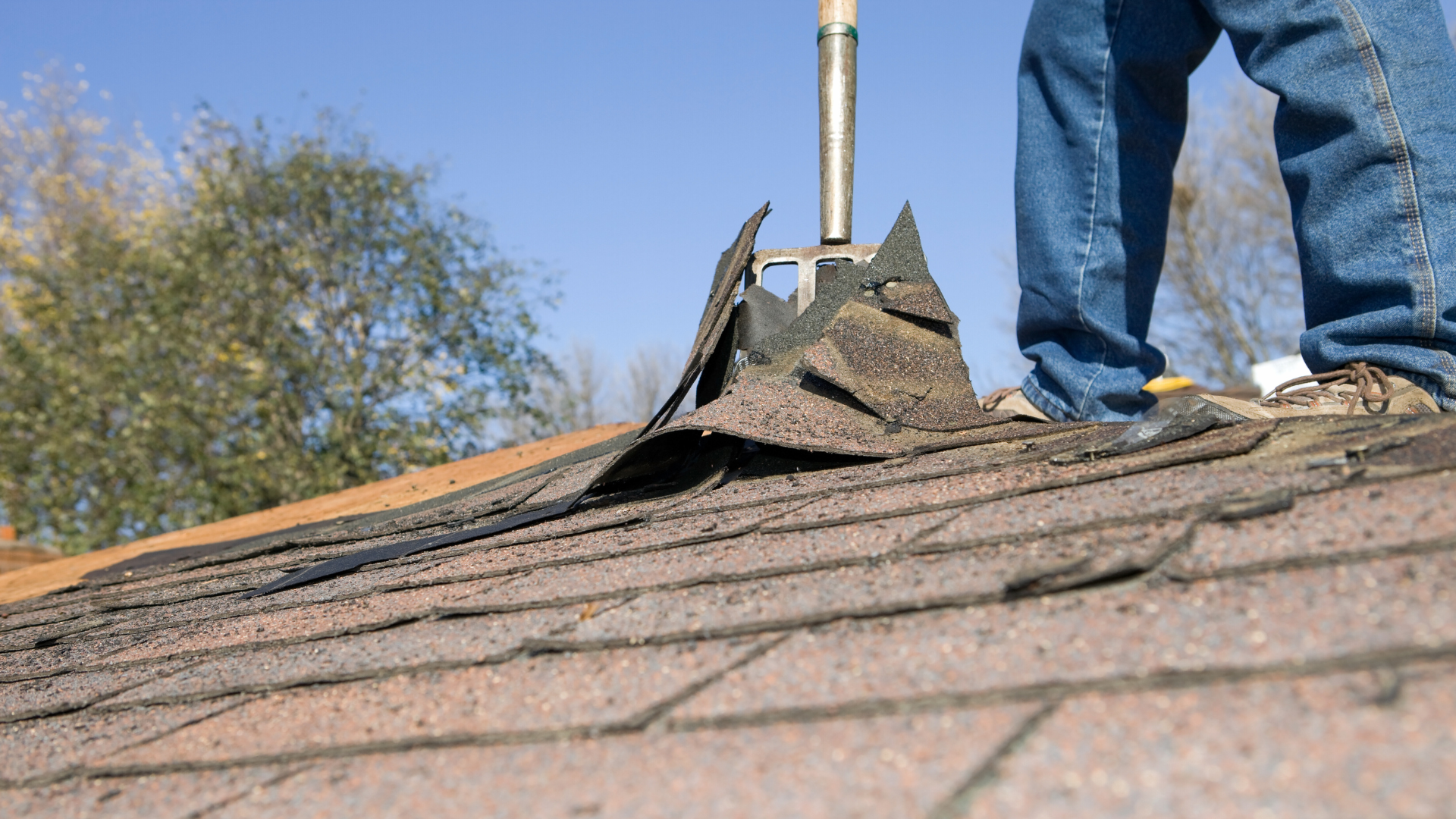
Roof flashing is installed around vulnerable areas where water is more likely to enter, such as chimneys, skylights, valleys, vent pipes, and roof-to-wall intersections. When installed correctly, flashing helps direct water away from these areas and into the normal drainage path of the roof. When it fails, even a relatively small weakness can allow moisture to penetrate the roofing system and damage the materials below.
What Is Roof Flashing?
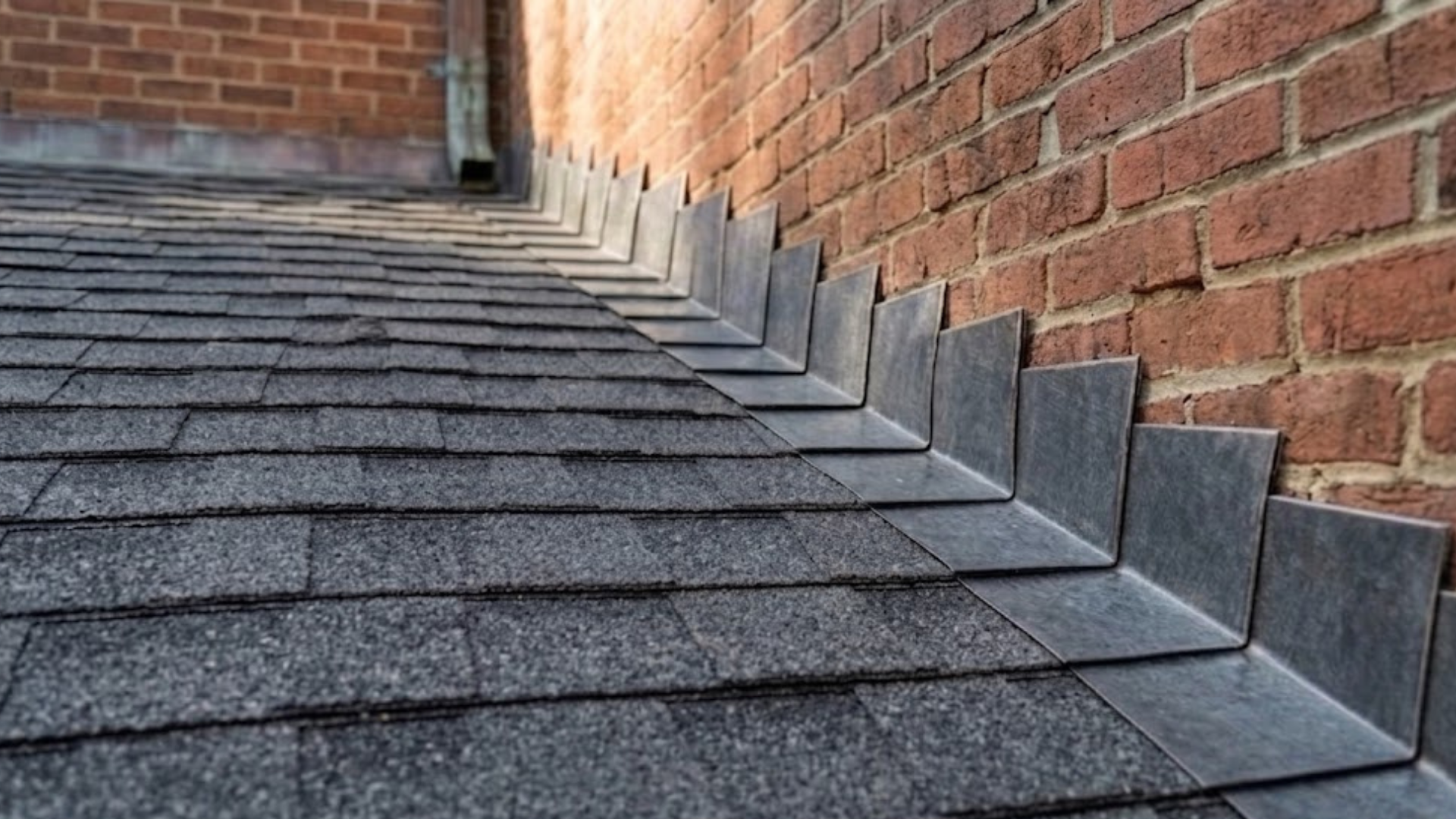
Flashing is typically made from thin, durable metal such as aluminum, galvanized steel, or copper. It is strategically installed around joints, transitions, and penetrations where roofing materials alone may not provide sufficient protection from water.
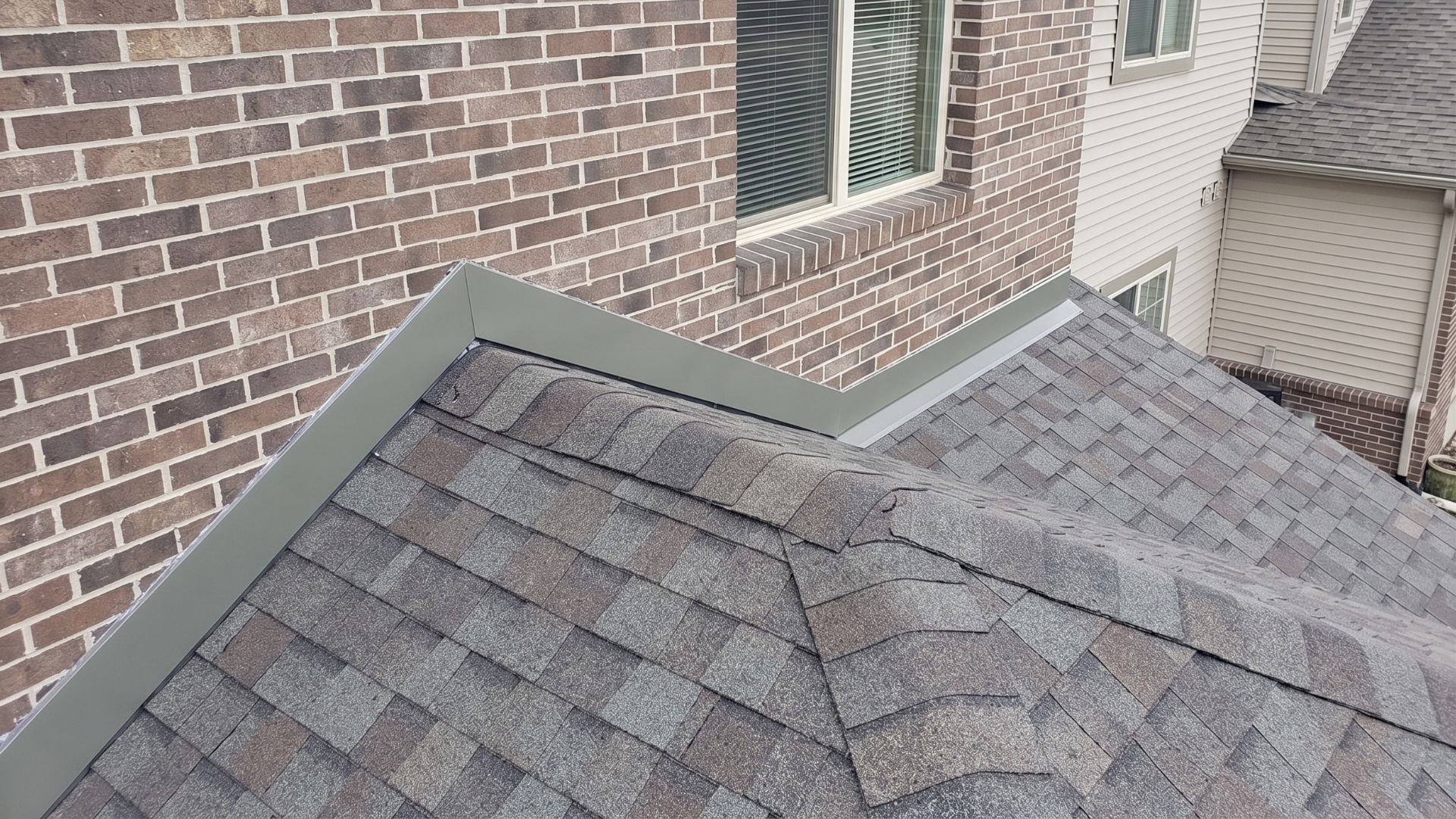
Different areas of a roof require different types of flashing. Step flashing is commonly used where a roof meets a vertical wall, while valley flashing helps manage the significant amount of water that flows where two roof slopes meet. Drip edge flashing helps guide water away from roof edges, and specialized flashing is installed around chimneys, skylights, and plumbing vents.
Each component performs a specific role within the complete roofing system.
Why Water Finds Vulnerable Areas
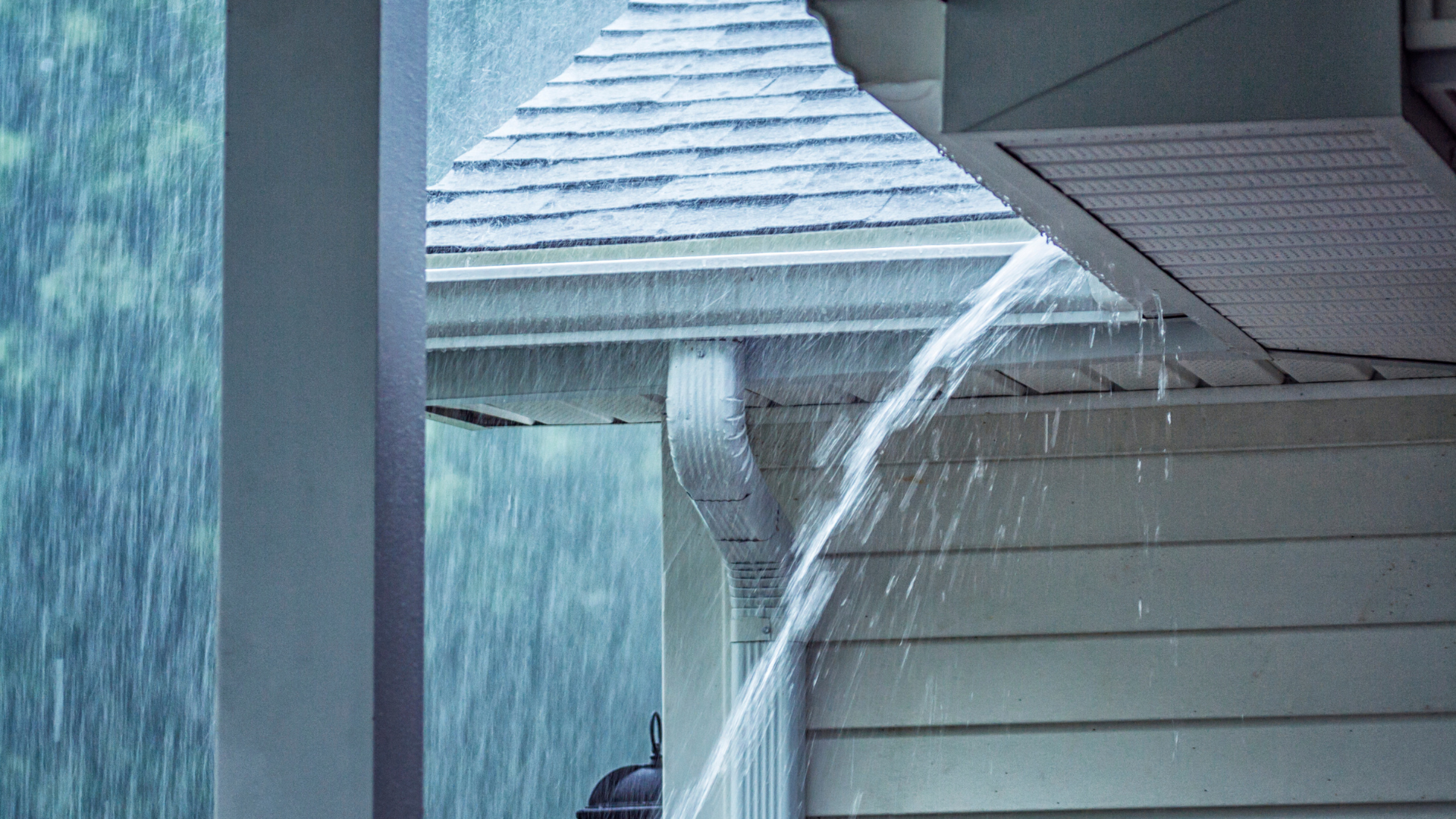
Water naturally follows the path of least resistance. During heavy rain, runoff moves rapidly across the roof surface and concentrates around valleys, edges, joints, and penetrations.
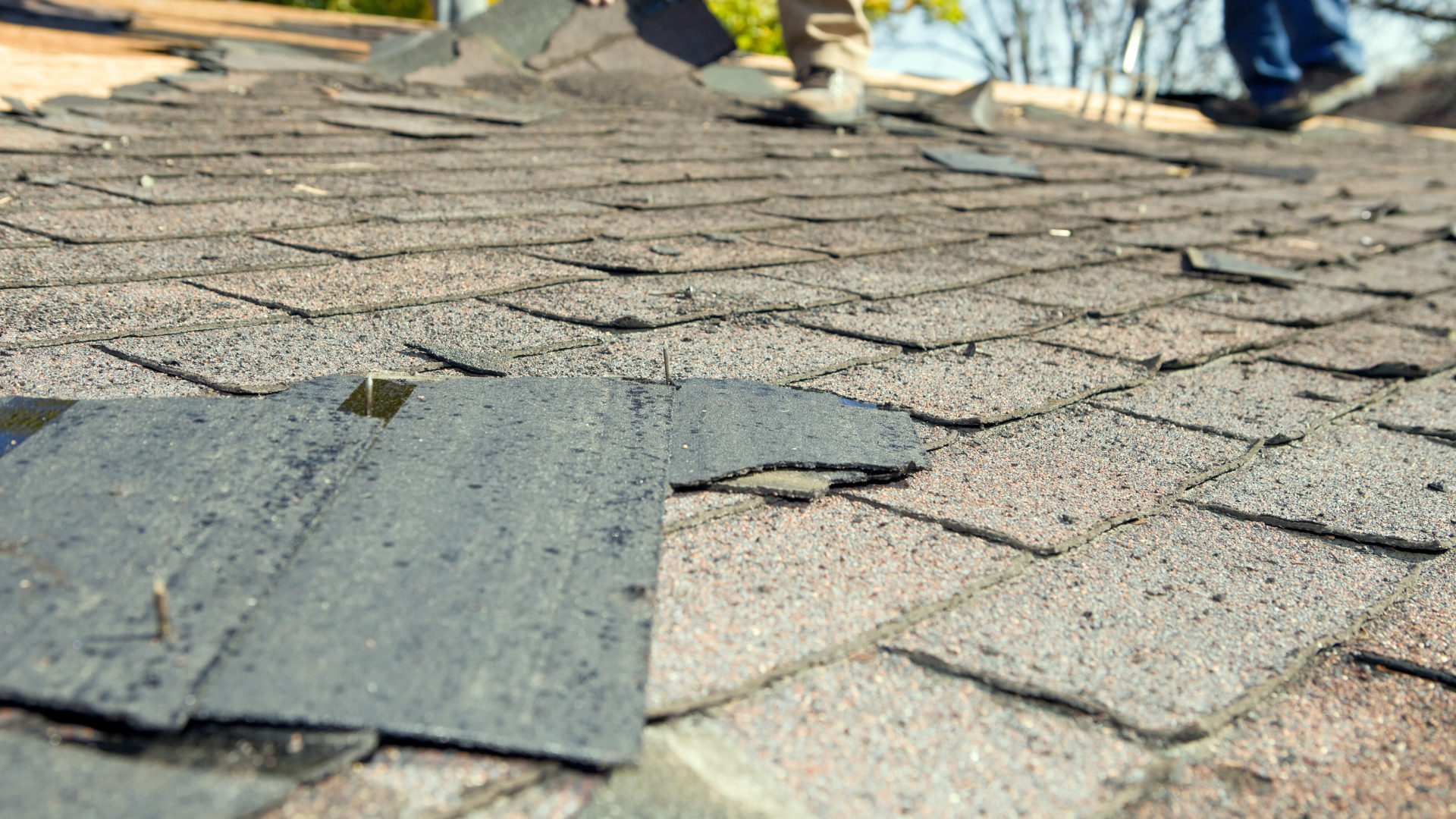
If flashing is improperly installed, damaged, corroded, or separated from surrounding materials, water may begin working its way beneath shingles or other roofing components. Once moisture enters the system, it can affect roof decking, insulation, interior finishes, and structural materials.
The resulting leak may appear far from the actual point of entry, making the source difficult to identify without a professional inspection.
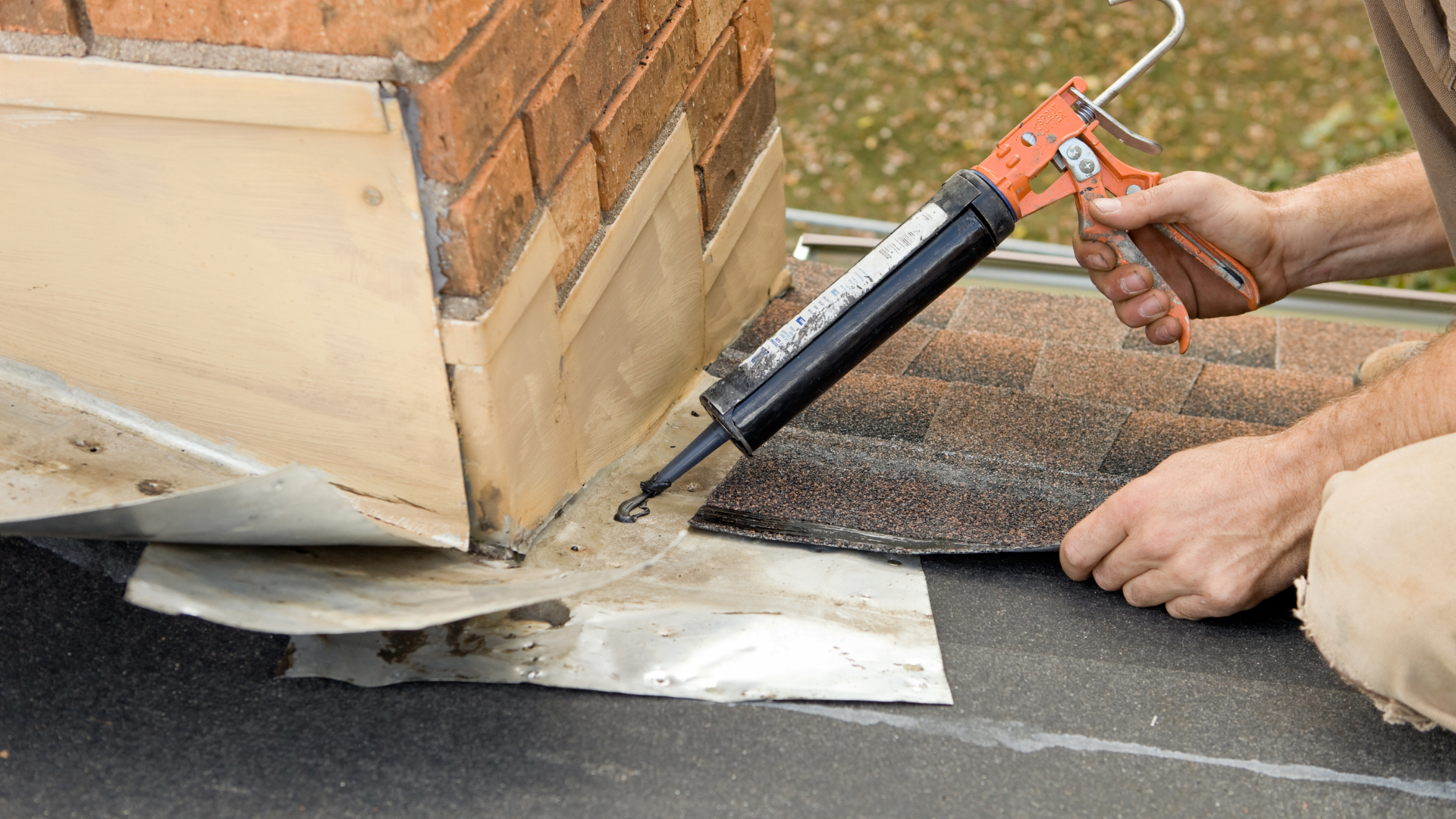
Flashing Problems Can Develop Over Time
Even correctly installed flashing can eventually deteriorate.
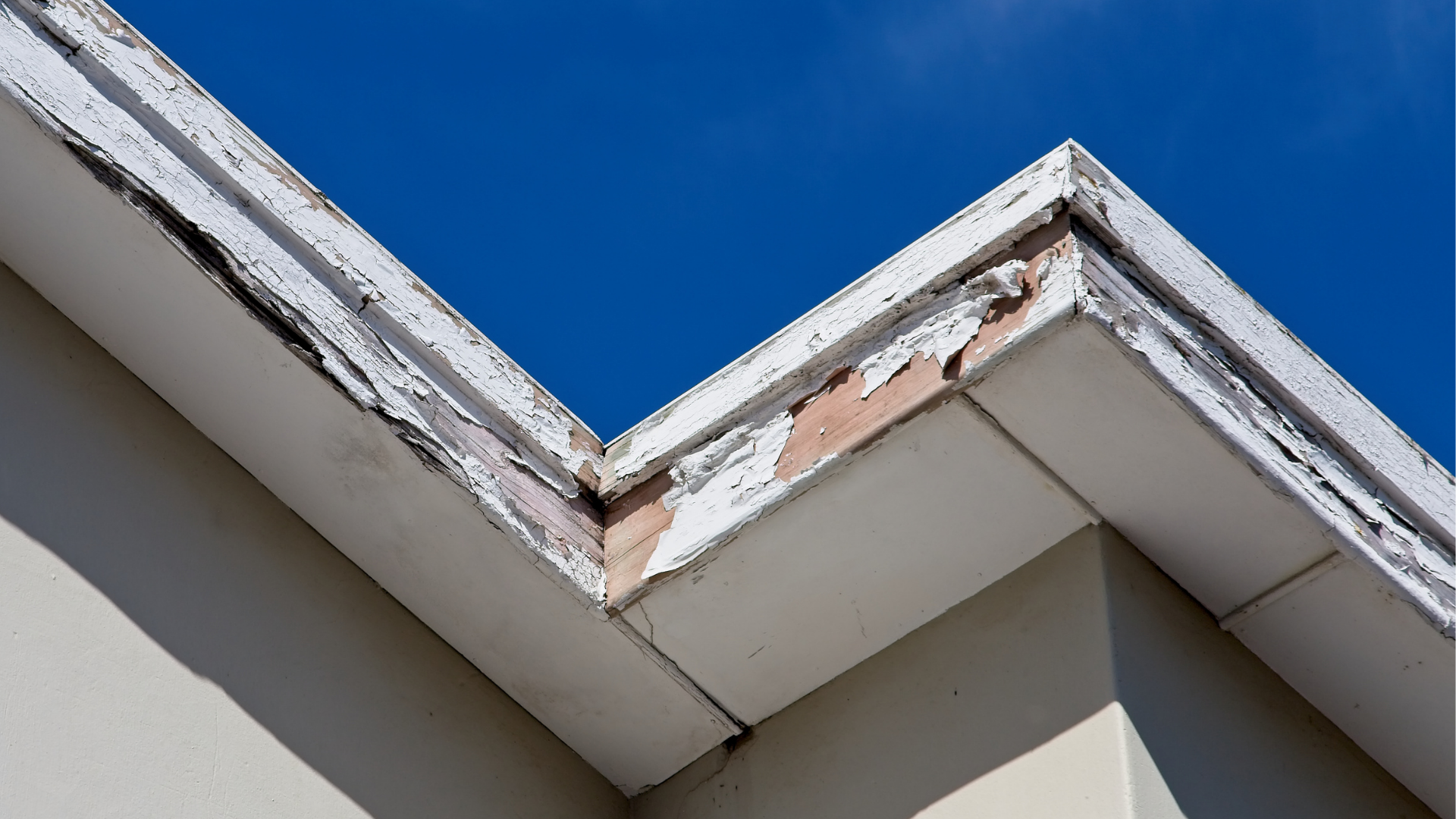
Years of temperature changes cause roofing materials to expand and contract. High winds, storms, falling debris, aging sealants, and normal material wear can gradually create small openings around flashing.
Previous repairs can also become a problem if new roofing materials are installed without properly evaluating existing flashing. Reusing worn or damaged flashing may create a weak point within an otherwise new roofing system.
For this reason,
flashing should always be carefully inspected during roof replacement and repair projects.
Proper Installation Makes the Difference
Flashing works best when it is integrated into the roofing system rather than simply placed over problem areas and covered with sealant.
Correct installation requires understanding how water moves across the roof and how different materials overlap. Flashing must be positioned so water is directed over each layer instead of behind it.
Sealants can provide additional protection in certain locations, but they should not replace proper mechanical installation. A roofing system that relies heavily on caulk to stop water around critical transitions may be more vulnerable as those materials age.
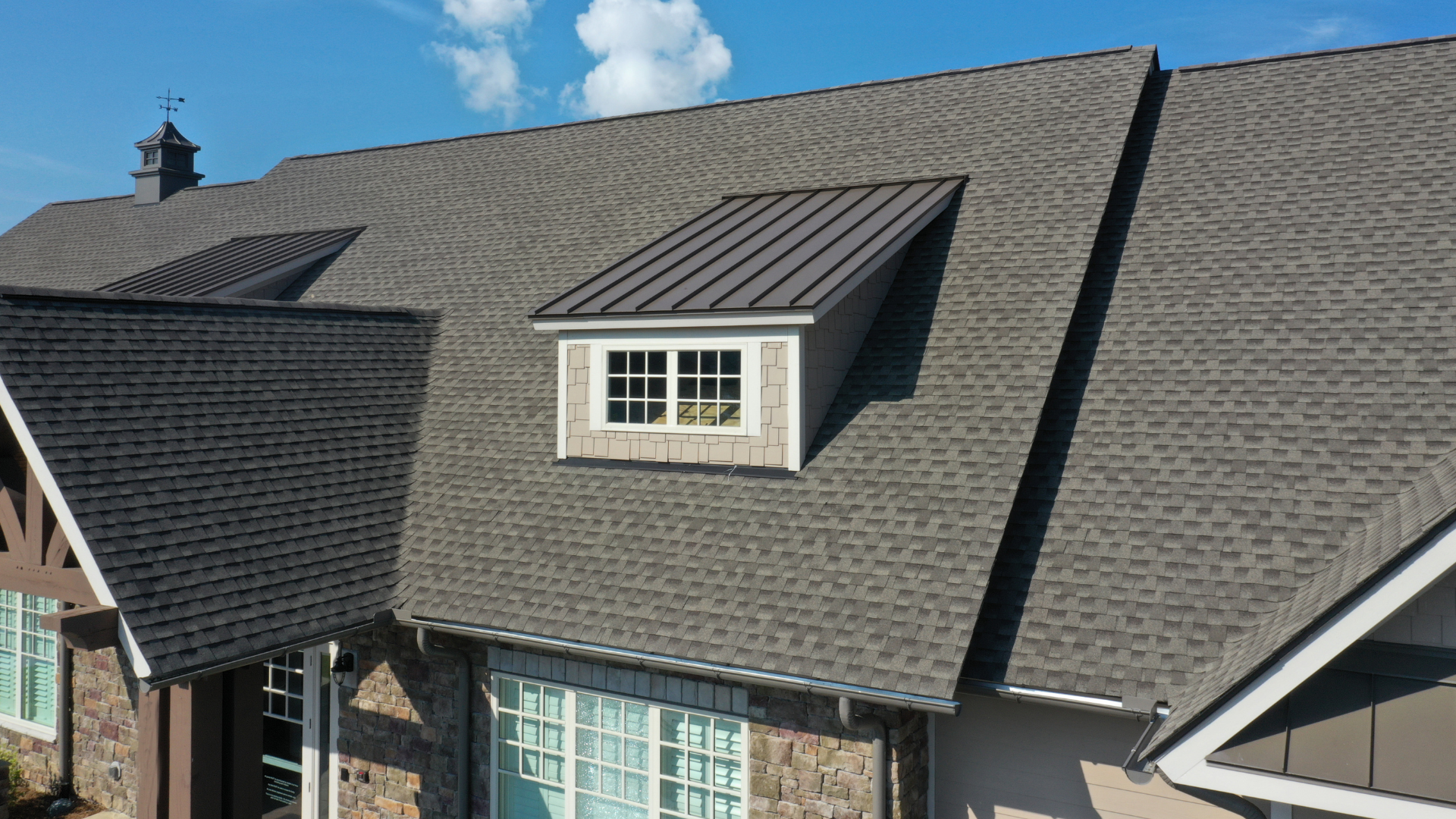
Experienced installation is especially important around complicated areas such as chimneys, dormers, skylights, and roof intersections.
Flashing Matters During Roof Replacement
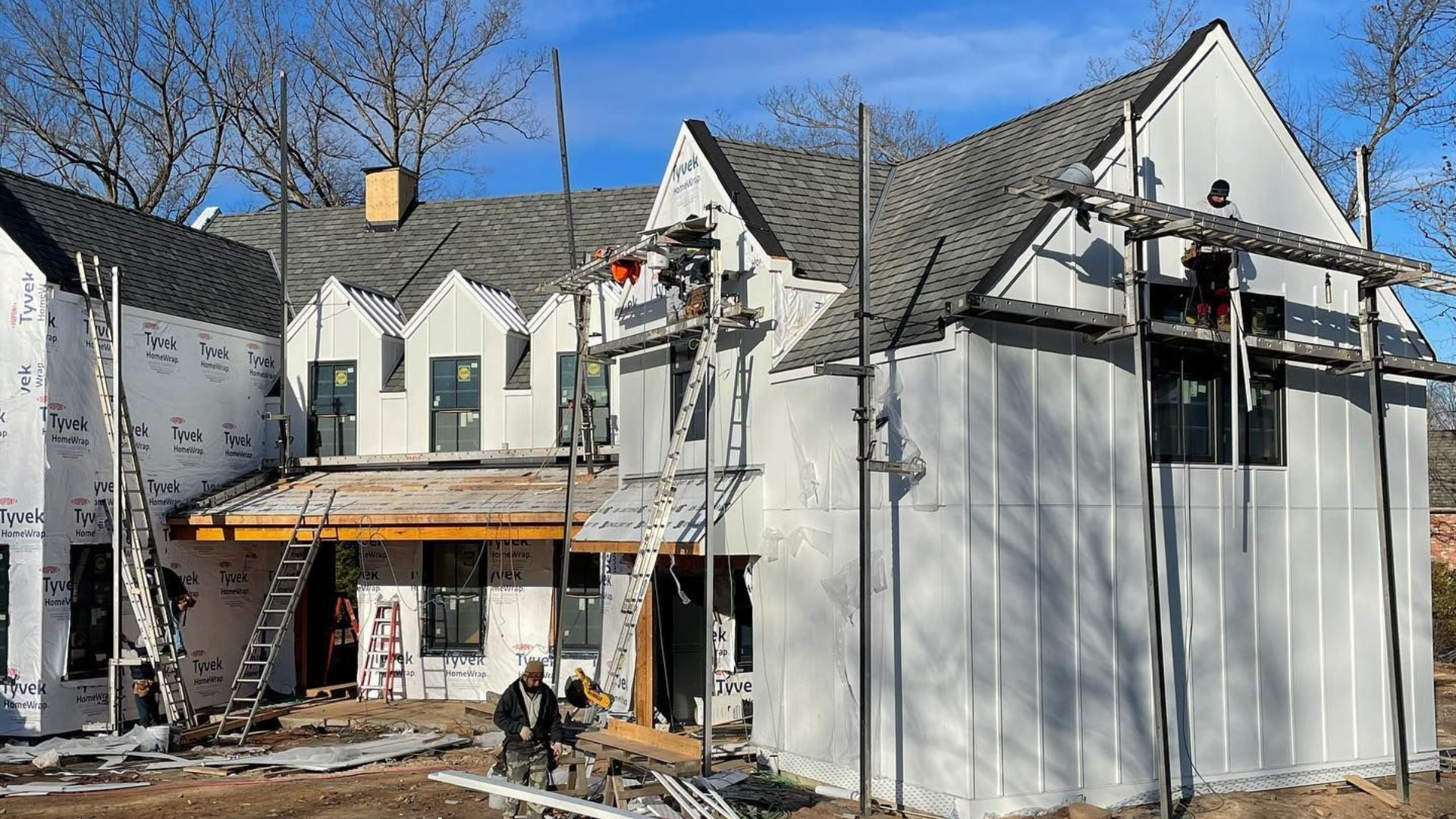
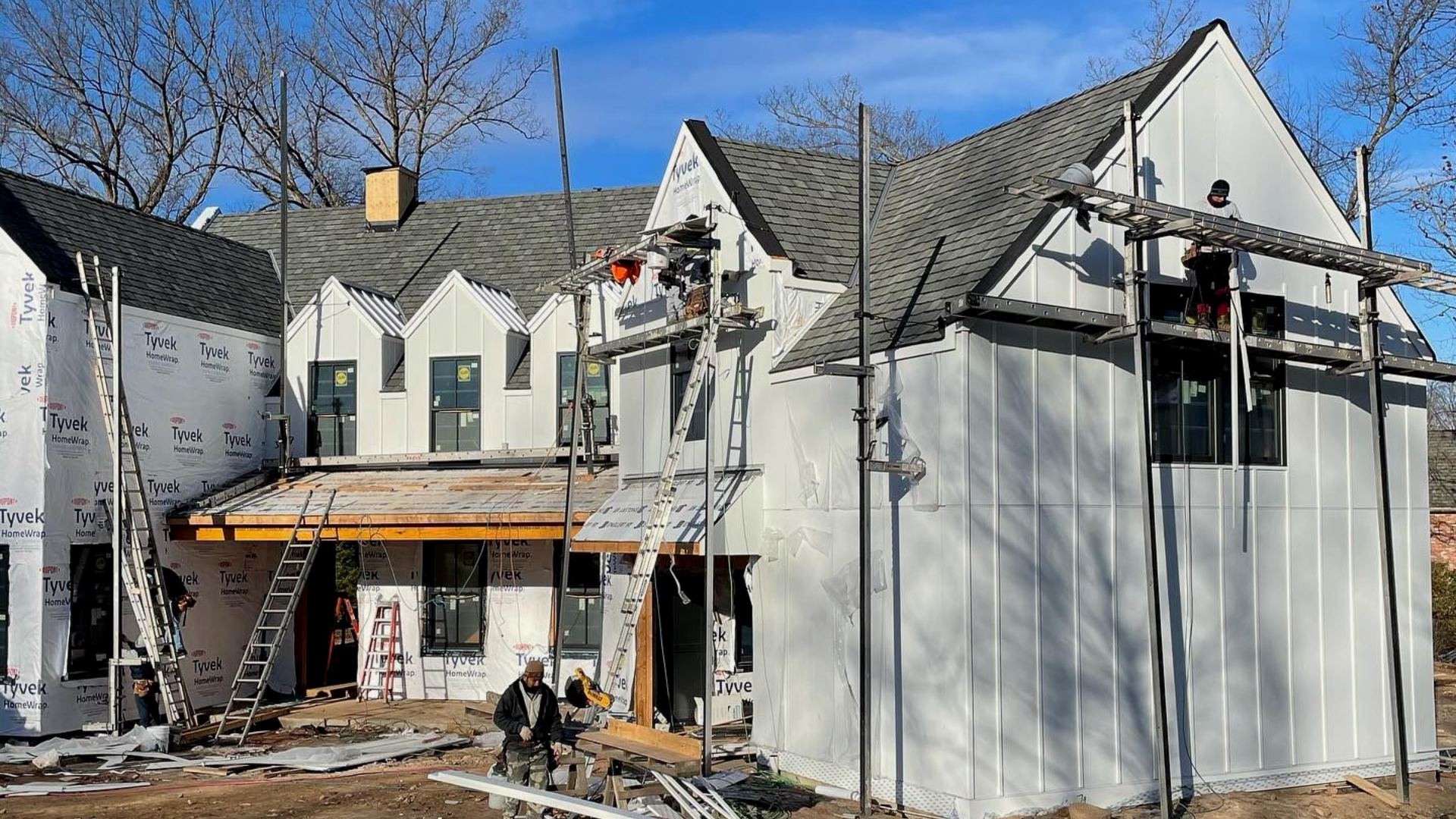
A premium roof replacement should address more than the visible surface.
When Paese Construction replaces a roof, components such as underlayment, flashing, ventilation, decking, and drainage are considered as part of the complete system. Roofing products from manufacturers such as GAF, Owens Corning, and CertainTeed are designed to perform as coordinated systems, and installation quality plays a major role in long-term results.
Careful attention to flashing helps protect the investment homeowners make in new roofing materials and reduces the likelihood that vulnerable transitions will become future leak points.
Protecting the Most Vulnerable Parts of Your Roof
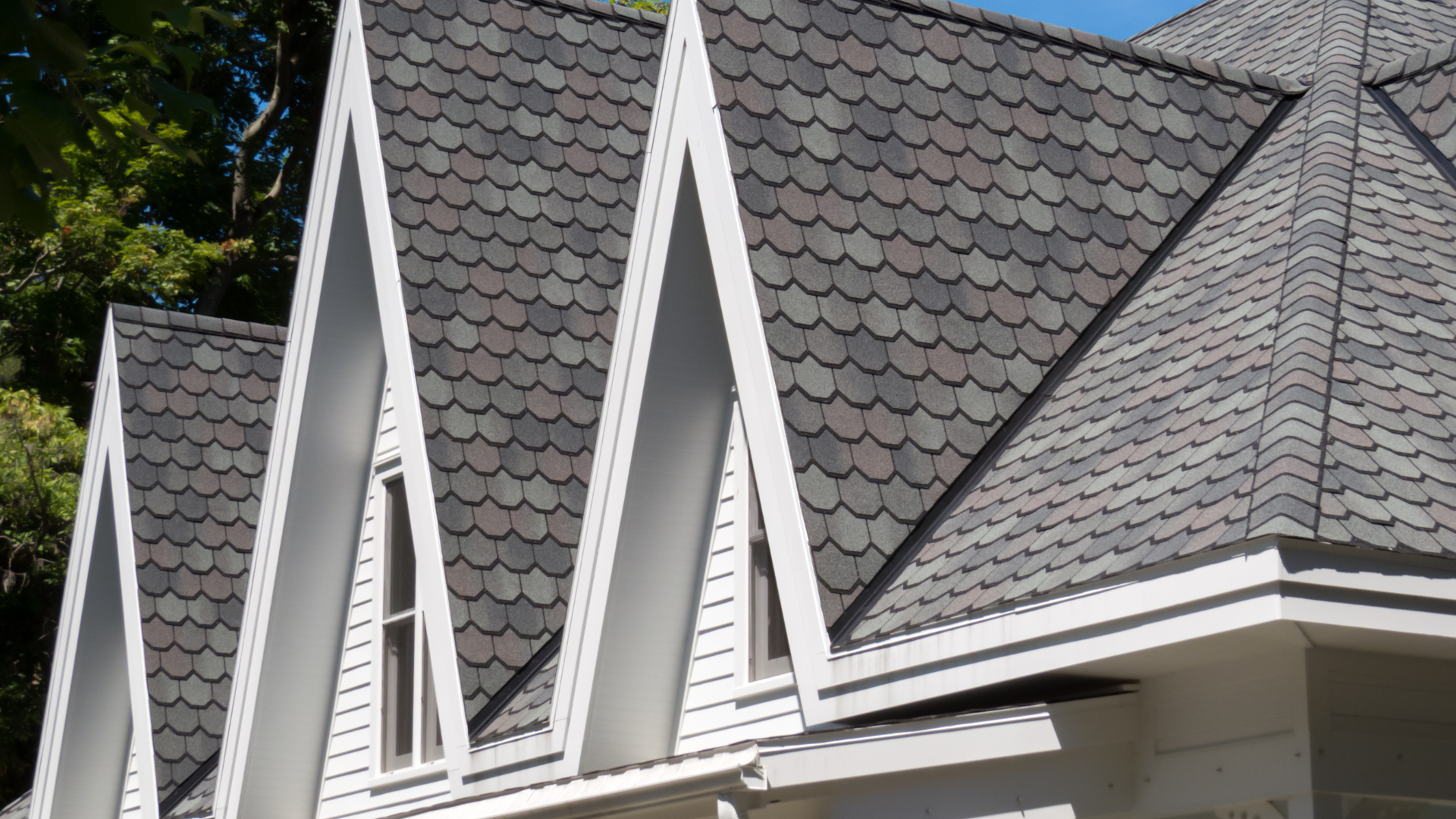
A roof does not usually fail in the middle of a perfectly intact shingle field. Problems often develop around transitions, penetrations, and other details where different materials meet.
That is why flashing deserves just as much attention as shingles when evaluating the condition of a roof. Properly installed flashing helps manage water, protect the structure below, and support the long-term performance of the entire roofing system.
Paese Construction specializes in high-end roof replacement, siding replacement, gutters, and exterior trim using premium materials. If you are planning a roof replacement or are concerned about leaks around chimneys, skylights, valleys, or other vulnerable areas, contact Paese Construction to schedule a professional evaluation and discuss the best approach for protecting your home.