The Science Behind Modern Roofing Materials
When homeowners think about replacing a roof, they often focus on color, cost, and curb appeal. While those factors matter, what truly determines performance is the science behind modern roofing materials. Today’s roofing systems from manufacturers like GAF, Owens Corning, and CertainTeed are the result of decades of engineering, testing, and material innovation. At Paese Construction, we work with these premium products because they are built to withstand the elements, improve energy efficiency, and protect homes for the long term.
Understanding how modern roofing materials work can help homeowners make informed decisions that go beyond surface appearance.
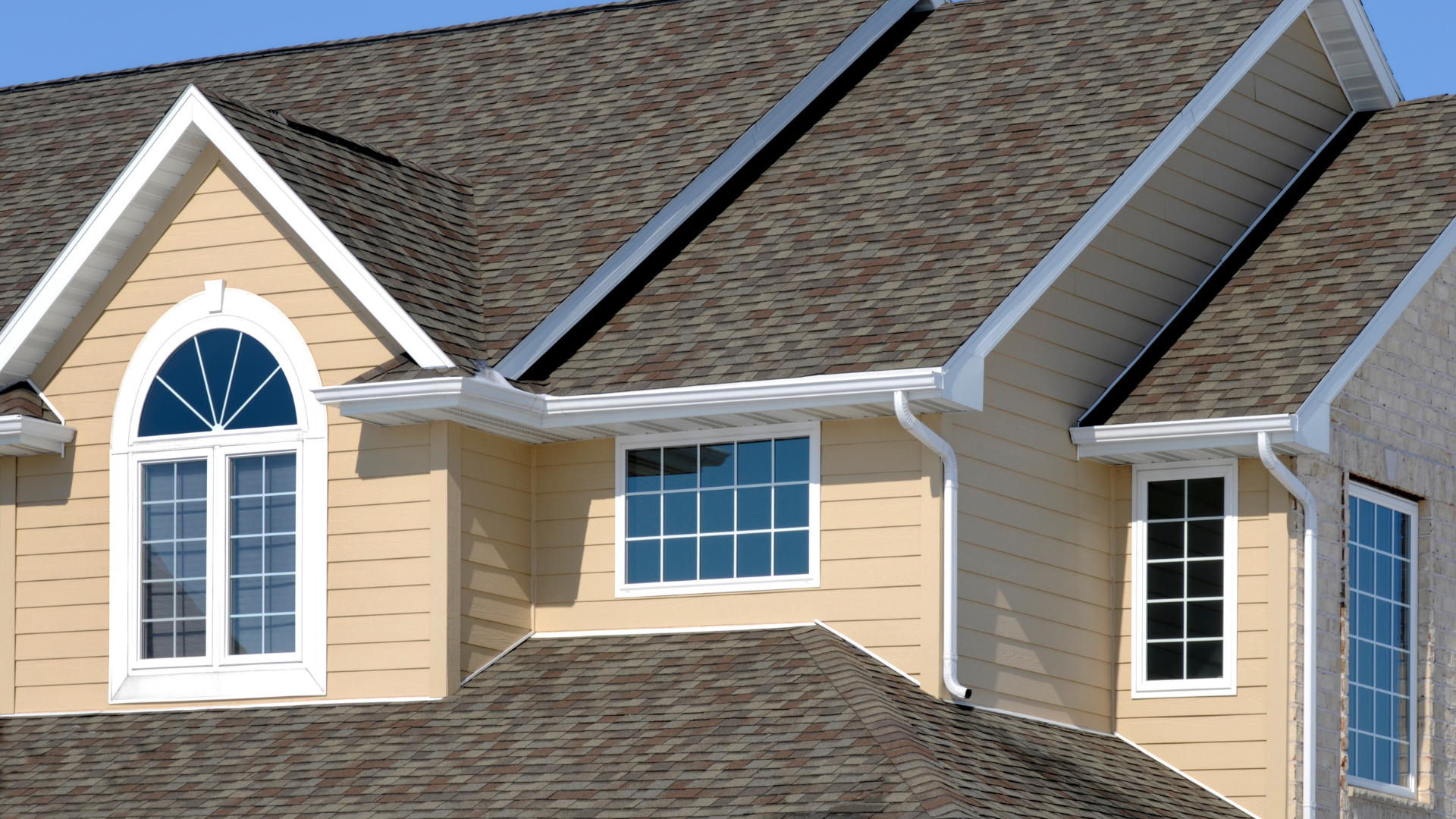
Advanced Shingle Composition
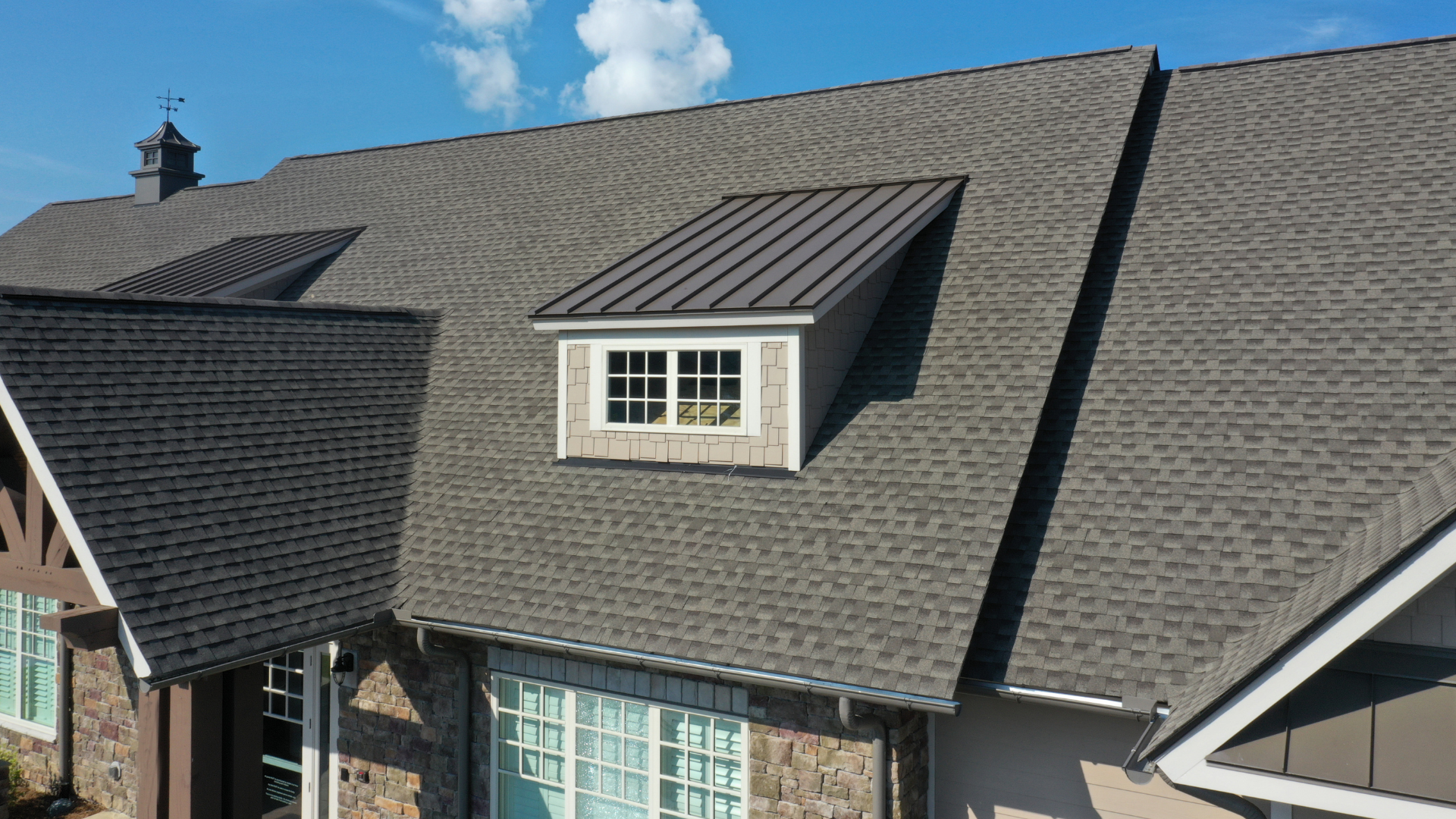
Modern asphalt shingles are far more sophisticated than the basic three-tab shingles of the past. Architectural shingles from GAF, Owens Corning, and CertainTeed are built with multiple layers that increase thickness, durability, and wind resistance.
At their core, these shingles use a fiberglass mat base. This fiberglass reinforcement adds structural strength while keeping the shingle lightweight. The mat is then coated with specially formulated asphalt that is engineered for flexibility, waterproofing, and long-term performance.
Granules embedded on the surface are not just decorative. These ceramic-coated mineral granules serve several essential purposes:
- Protecting the asphalt from ultraviolet degradation
- Enhancing fire resistance
- Adding impact resistance
- Improving color retention
The granule adhesion process has also improved significantly. Modern bonding techniques help prevent premature granule loss, which extends the lifespan of the roof.
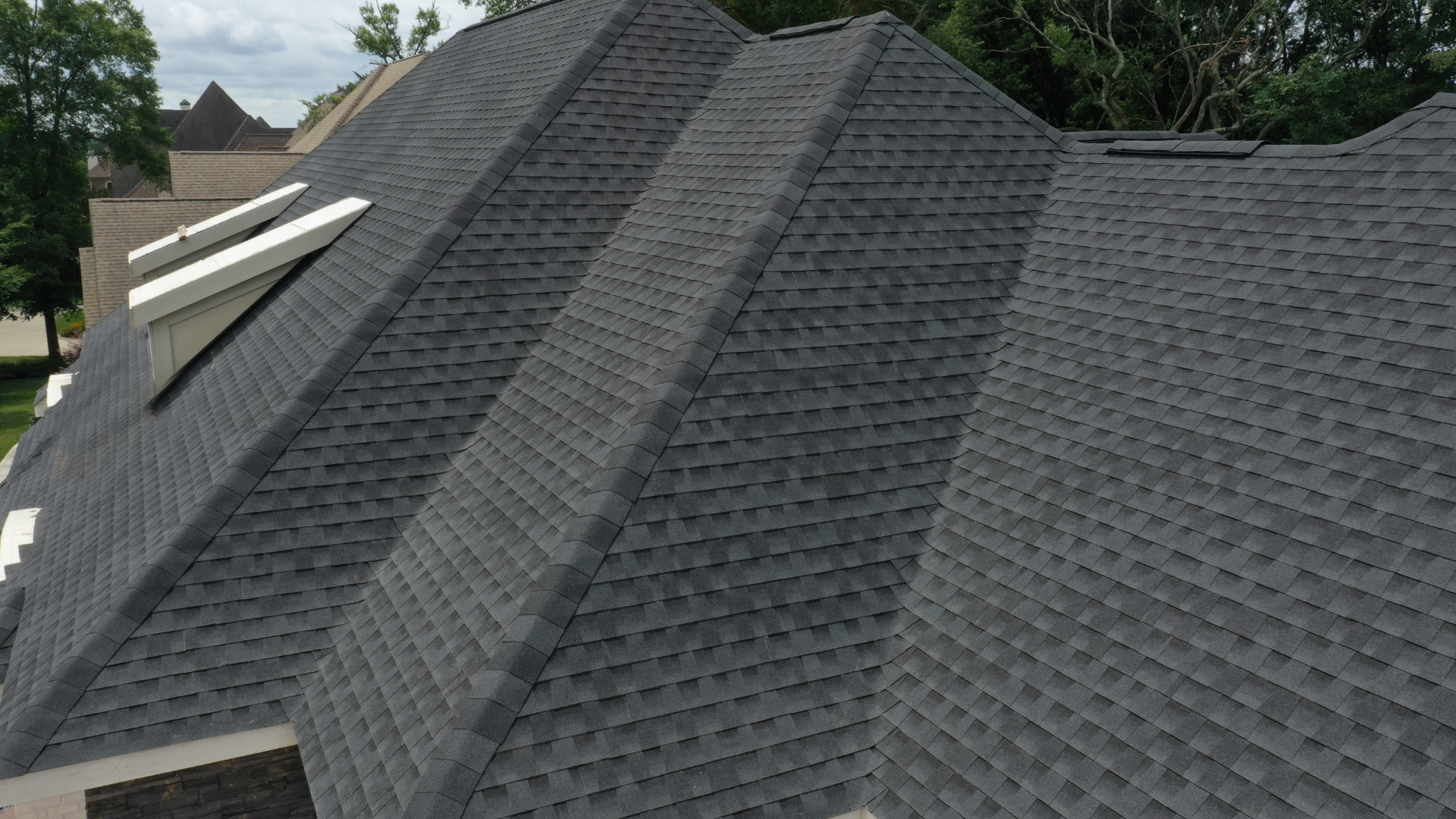
Wind Resistance Engineering
High winds are one of the leading causes of roof damage. Modern roofing materials are engineered with wind resistance in mind. Adhesive sealant strips are strategically placed to bond shingles together once installed. This creates a layered barrier that resists uplift during storms.
Premium shingles undergo rigorous wind testing to ensure they can perform under demanding conditions. Some systems are rated to withstand winds up to 130 miles per hour when installed according to manufacturer specifications.
This engineering gives homeowners confidence that their roof is not just aesthetically appealing but structurally resilient.
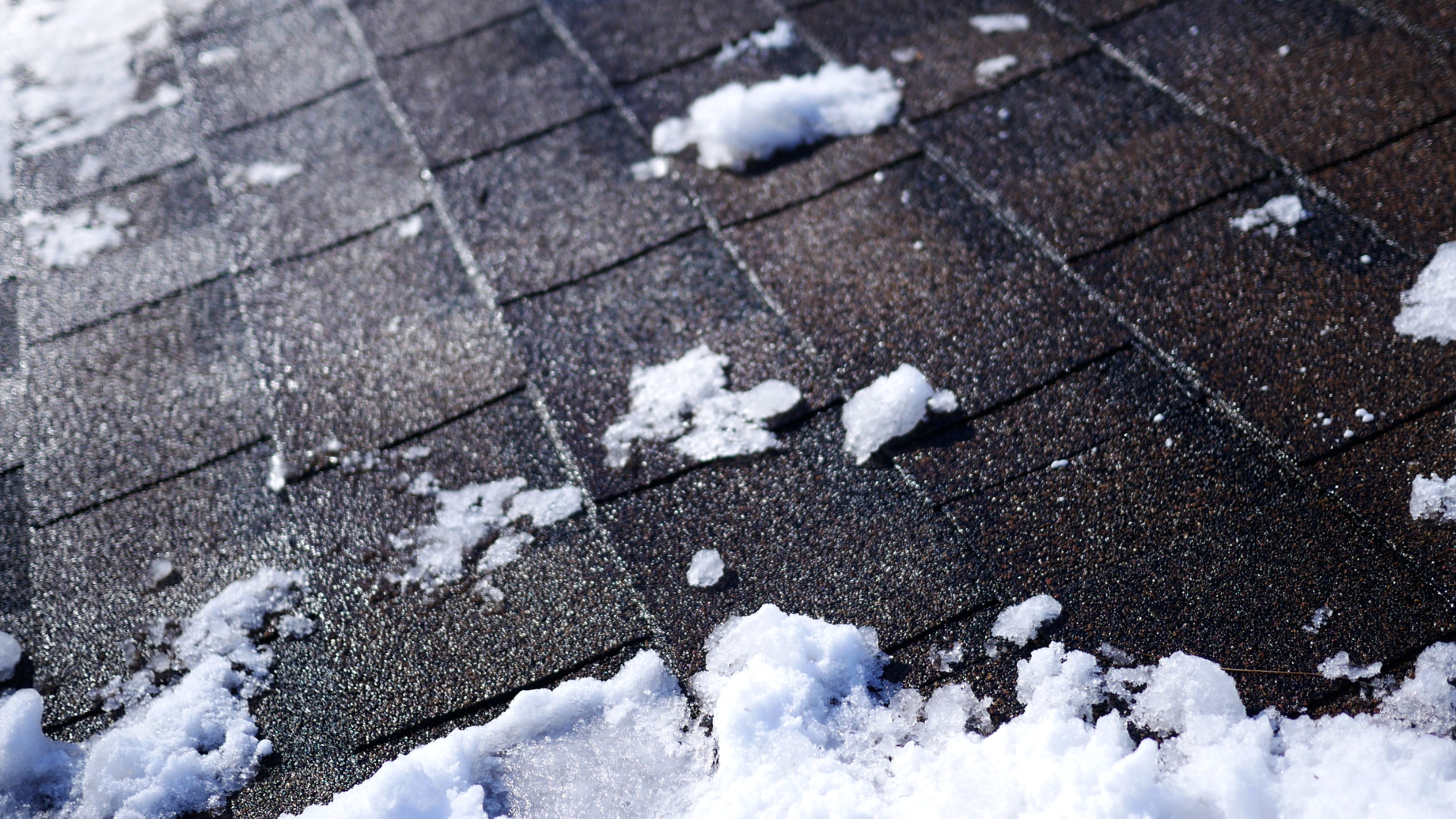
Impact Resistance and Durability
Modern roofing science also addresses impact resistance. Hail and flying debris can cause significant roof damage. Certain premium shingles are designed with reinforced layers that help absorb and disperse impact forces.
The multi-layer construction of architectural shingles enhances strength compared to traditional flat shingles. This thicker design also reduces the risk of cracking, splitting, and curling over time.
Durability is not just about handling storms. Temperature fluctuations cause roofing materials to expand and contract. Advanced asphalt formulations are designed to remain flexible in cold weather while resisting softening in extreme heat. This balance reduces stress fractures and premature aging.
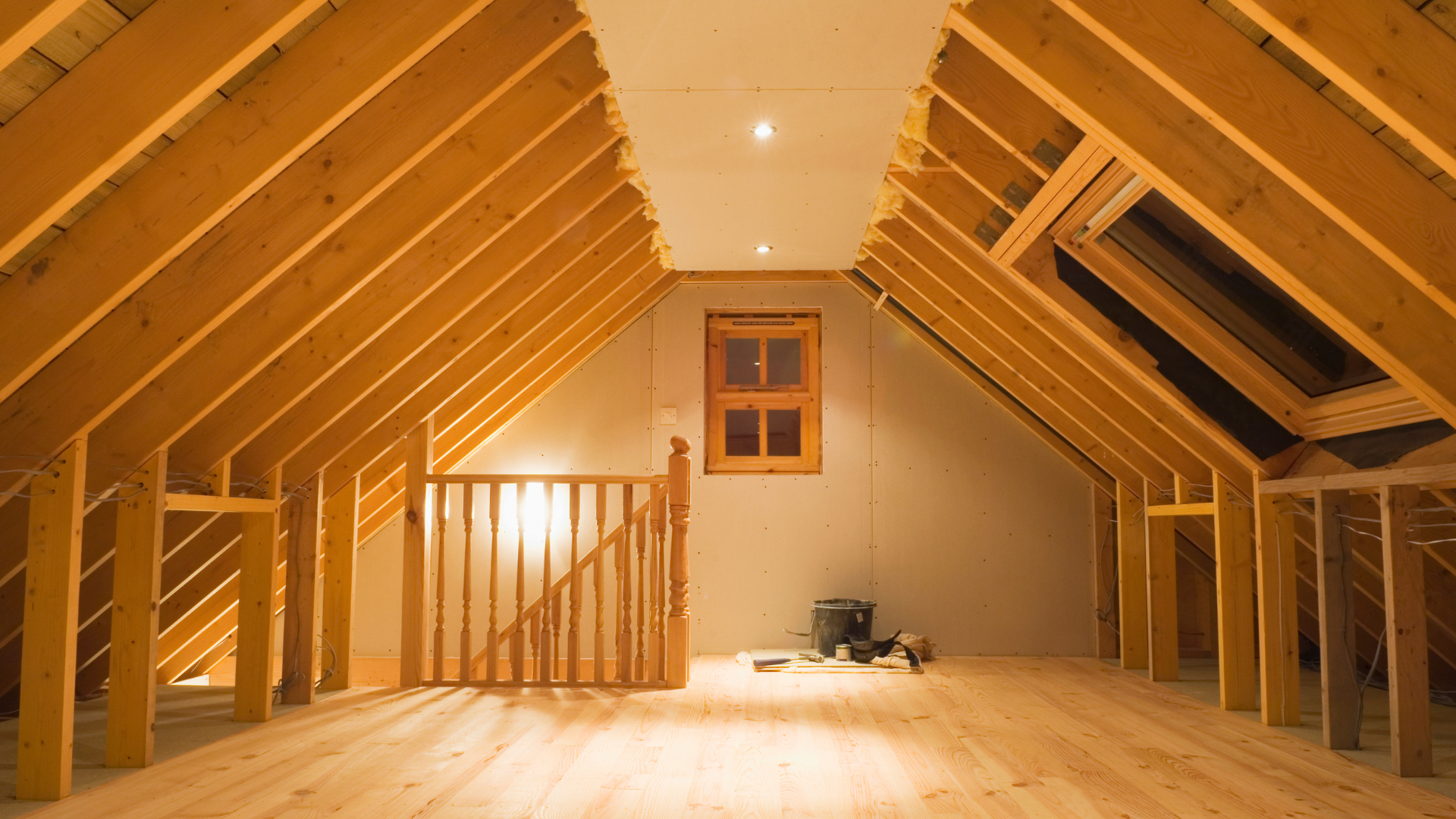
Energy Efficiency and Reflectivity
Energy performance has become an increasingly important part of roofing science. Modern shingles can help regulate attic temperatures through improved reflectivity and ventilation compatibility.
Some roofing systems are engineered with reflective granules that reduce solar heat absorption. By reflecting more sunlight, these shingles can help lower attic temperatures, which may reduce strain on HVAC systems during warmer months.
Proper ventilation also plays a scientific role in roof performance. When roofing systems are installed correctly with balanced intake and exhaust ventilation, they help prevent moisture buildup and heat accumulation in the attic. This extends the life of both the roof and the home’s structural components.
System-Based Installation Matters
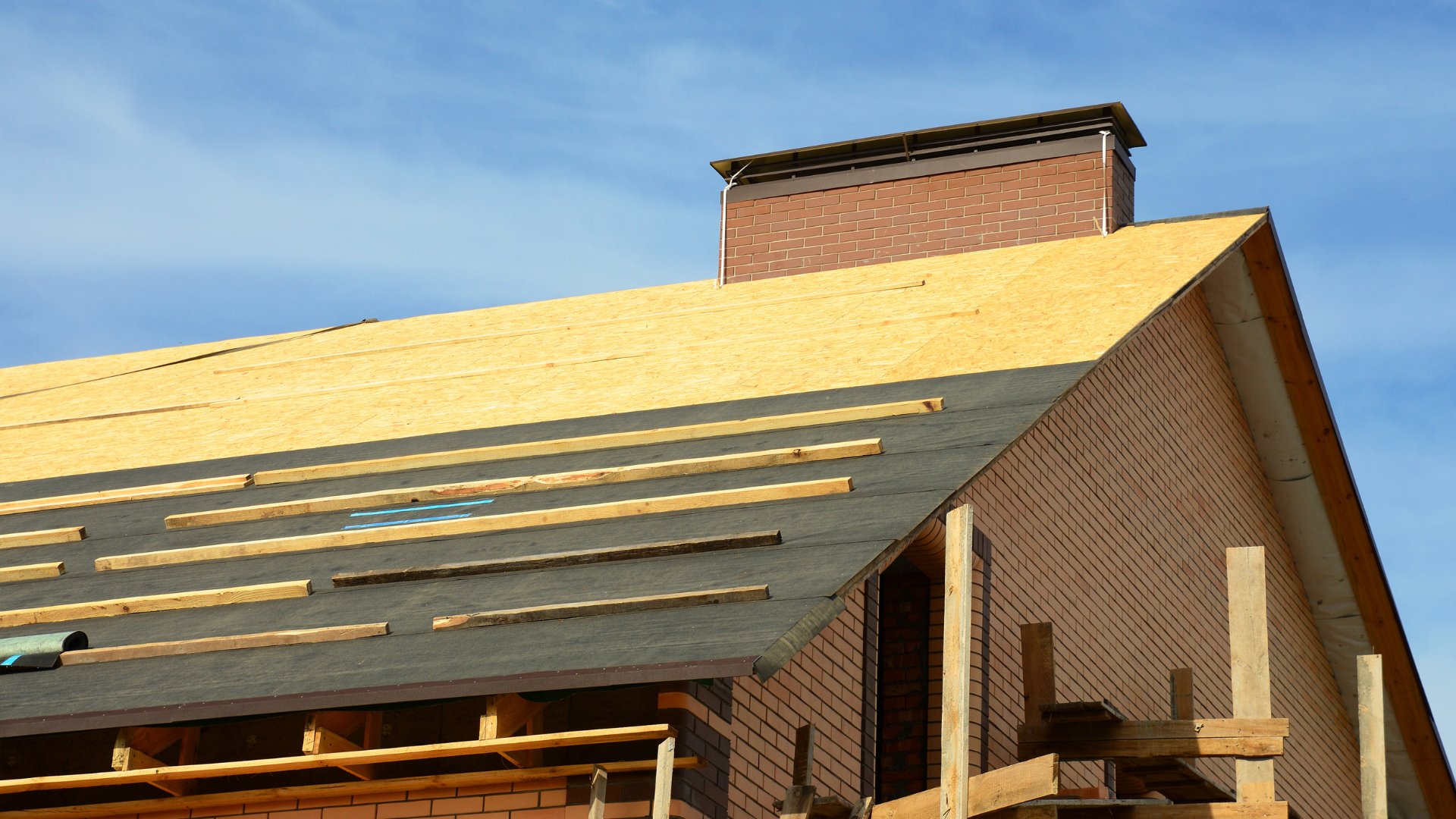
Another key advancement in roofing science is the concept of a complete roofing system. Reputable companies design their products to work together, including:
- Underlayment
- Starter shingles
- Ice and water barriers
- Ridge caps
- Ventilation components
When these elements are installed as an integrated system, they provide layered protection against leaks and weather intrusion. The science of modern roofing is not limited to the visible shingles. It includes everything beneath the surface.
Why Product Selection and Installation Both Matter
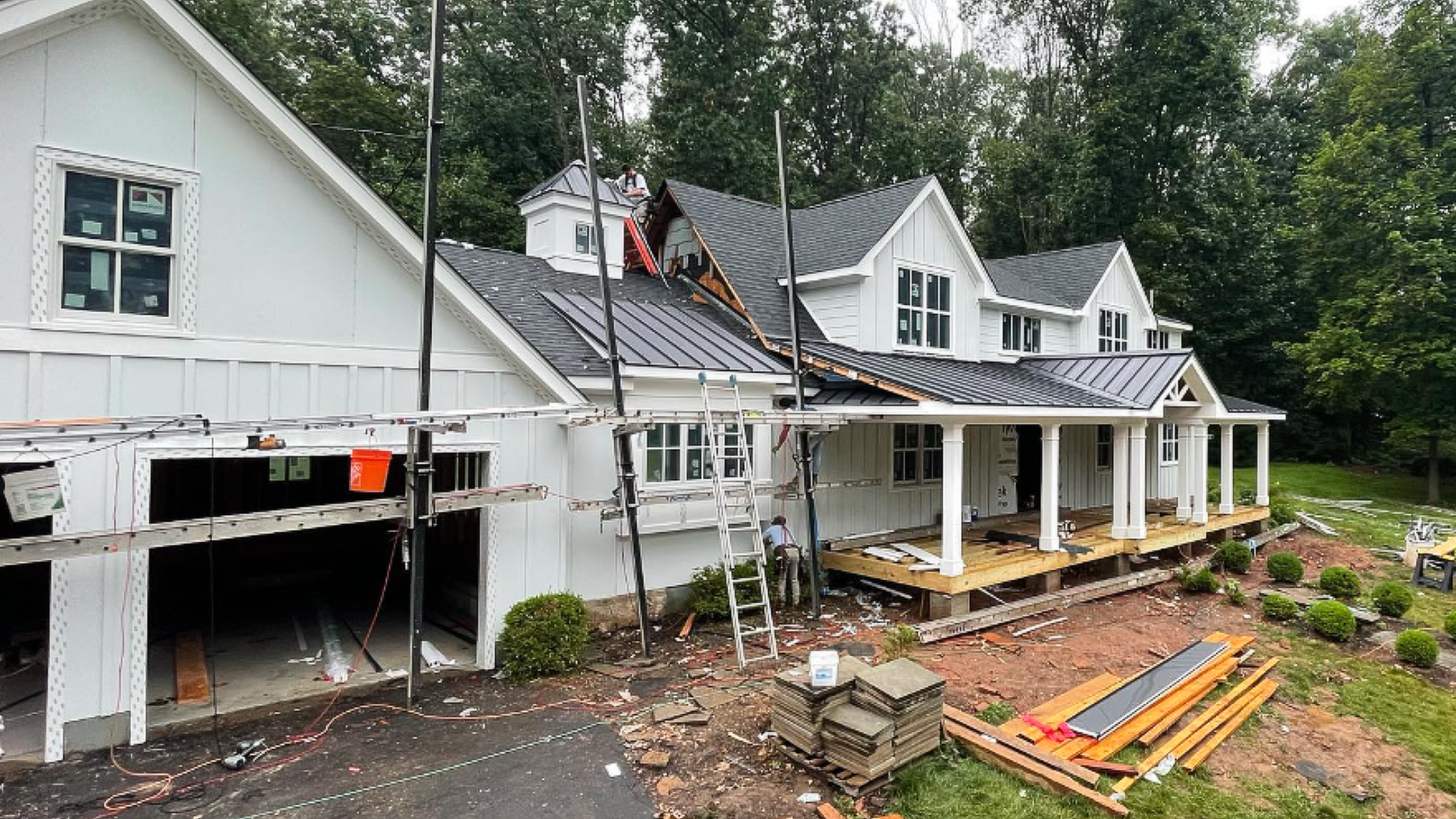
Even the most advanced materials require proper installation to perform as intended. Manufacturer guidelines are based on extensive laboratory and field testing. Following these specifications ensures that wind ratings, waterproofing capabilities, and warranty protections remain valid.
At Paese Construction, we rely on trusted brands like GAF, Owens Corning, and CertainTeed because their engineering standards align with our commitment to quality craftsmanship. Modern roofing materials are the result of scientific advancement, but it takes skilled professionals to translate that innovation into real-world performance.
Building Protection Through Innovation
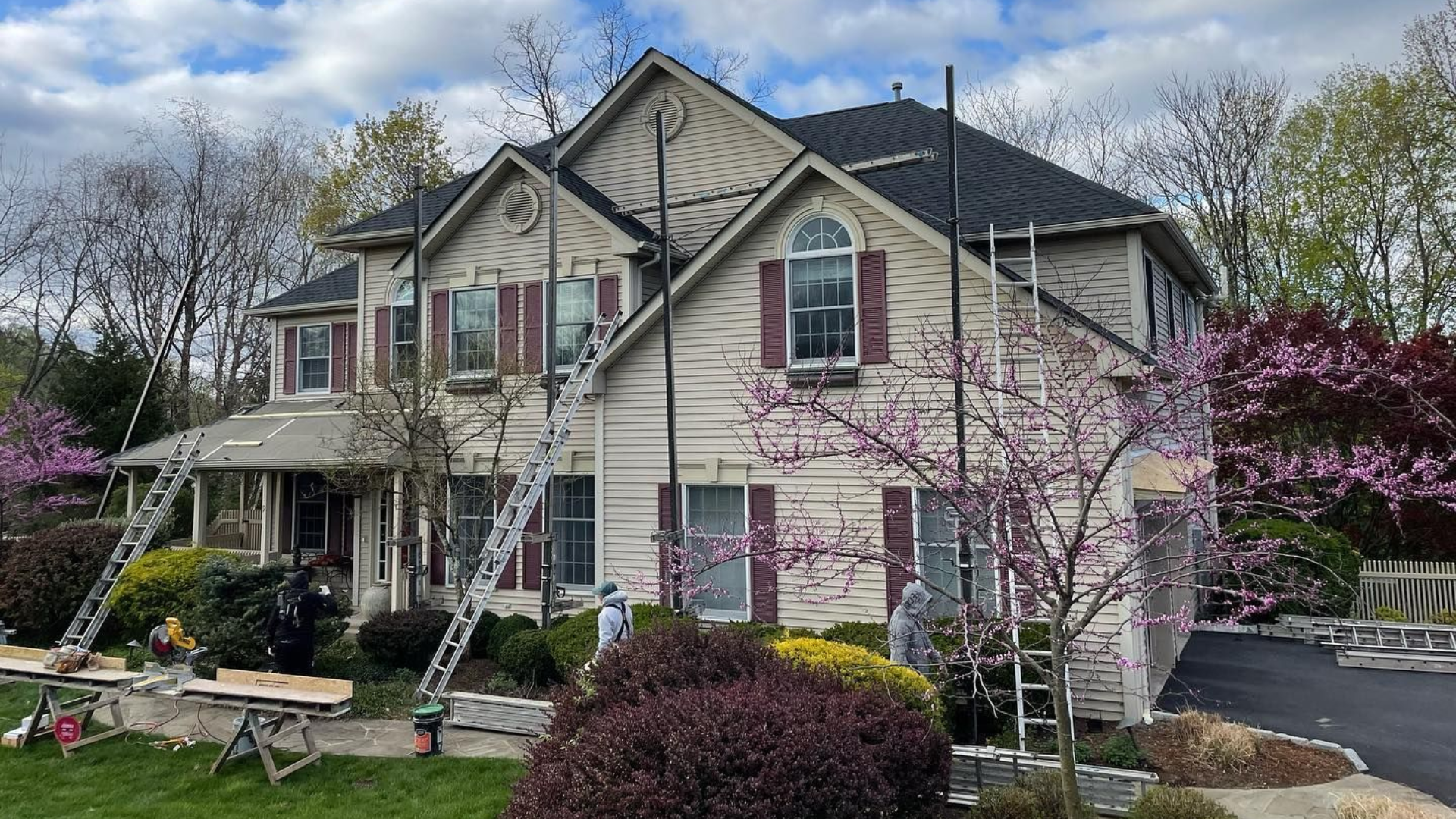
A roof is more than a layer of shingles. It is a scientifically engineered system designed to protect against wind, water, heat, and impact. Advances in material science have transformed roofing into a high-performance component of the home’s exterior envelope.
When homeowners invest in modern roofing systems they are investing in decades of research, testing, and refinement. With proper installation and quality materials, a roof becomes not just a necessity, but a durable, energy-efficient shield designed to protect what matters most.