How to Tell When an Aging Roof Is No Longer Worth Repairing

September 22, 2026

Roof repairs make sense when damage is limited, the surrounding materials are still in good condition, and the roofing system has plenty of useful life left. But there comes a point when repeated repairs stop being the most practical approach.


An aging roof may begin developing problems in several areas at once. At that stage, homeowners can end up paying for one repair after another without addressing the broader condition of the system.


Knowing when to move from repair to replacement can help prevent unnecessary spending and reduce the risk of more serious damage later.


Age Is an Important Starting Point

Every roofing material has a typical service life, but age alone does not determine whether replacement is necessary.


Installation quality, ventilation, weather exposure, maintenance, and material type all affect how long a roof performs well.


Still, an older roof that begins requiring frequent repairs deserves a closer look.

If shingles are failing in several areas or leaks are becoming more common, the issue may no longer be isolated.

Damaged gray asphalt shingles on a roof with patches and missing sections

Multiple Problem Areas Are a Warning Sign

A repair is usually most effective when the damage is concentrated in one location.


For example, a small flashing issue or a limited section of damaged shingles may be straightforward to correct.


The situation changes when problems appear across several parts of the roof.


Widespread curling, cracking, granule loss, exposed fasteners, damaged flashing, or repeated leaks may indicate that the roofing system is aging as a whole.


Continuing to patch individual areas can become inefficient.


Repeated Leaks Can Signal Broader Deterioration

One leak does not automatically mean a roof needs replacement.


But when leaks keep appearing in different locations, it may be a sign that the roof is losing its ability to keep water out consistently.


Repeated water intrusion can also affect roof decking, insulation, ceilings, and interior finishes.


At that point, the cost of waiting can extend beyond the roofing materials themselves.


A professional inspection can help determine whether the problem is still localized or whether the roof has entered a more advanced stage of deterioration.

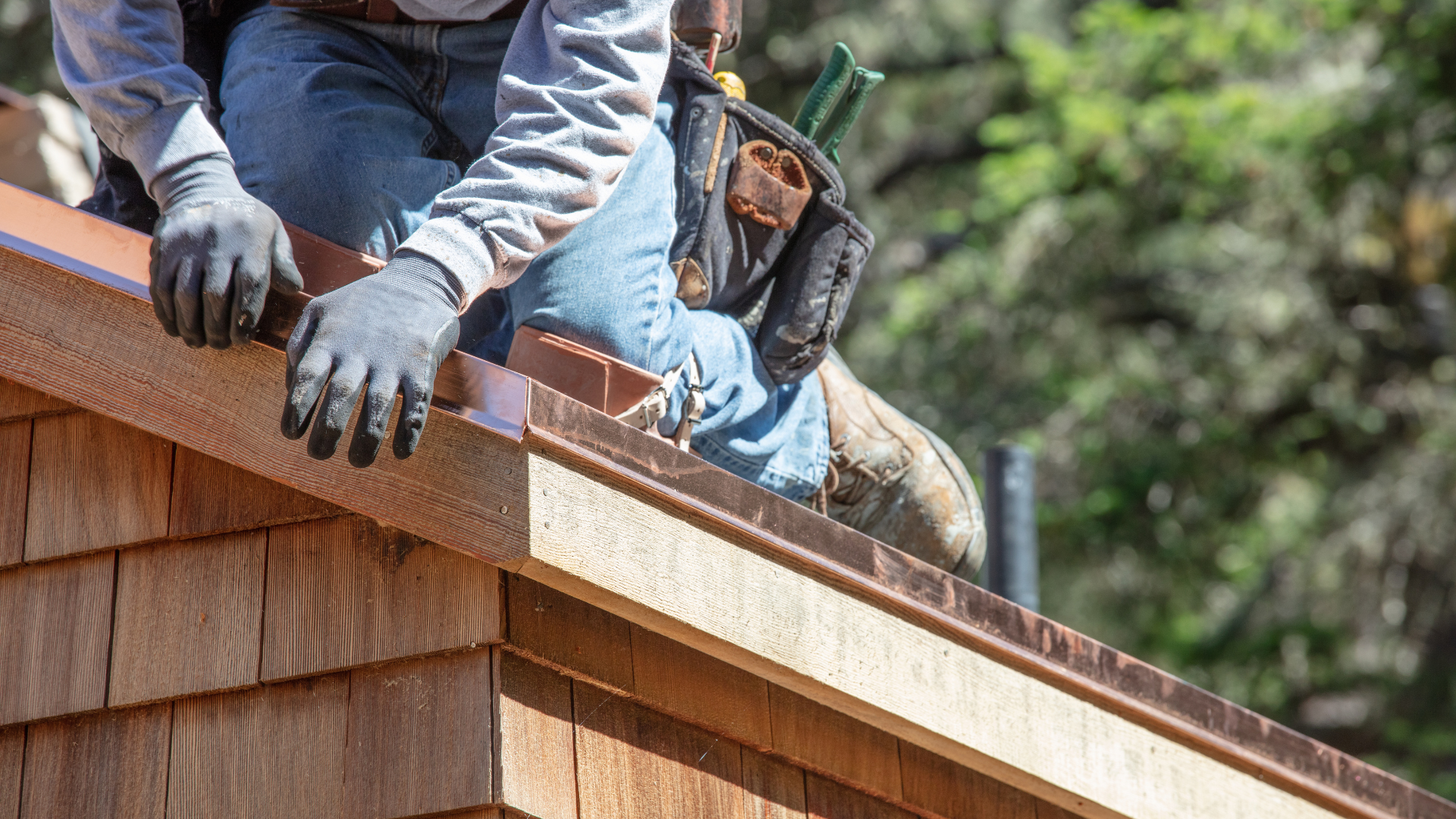
Hands laying dark roofing shingles on a roof during repair work

Matching Old Materials Can Become Difficult

Repairs on an older roof may also become more noticeable.


Shingles fade over time, manufacturers discontinue colors, and newer products may not match the original material exactly.


That can create patchwork areas that affect curb appeal.


For homeowners with higher-end properties, the visual impact may matter almost as much as the repair itself.


A full replacement provides the opportunity to create a consistent appearance across the entire roof.


Decking Condition Can Change the Decision

What is underneath the shingles matters too.


If leaks have been present for a long time, the roof decking may have soft spots, rot, or other damage.


In some cases, a repair at the surface does not address what is happening beneath it.


During a full roof replacement, the existing materials are removed so the decking can be inspected more thoroughly.


That allows damaged sections to be corrected before the new roofing system is installed.

Worker installing roof shingles with a hammer on a sloped house roof

Repair Costs Can Start Adding Up

Homeowners should also look at the total amount spent on recent repairs.


A series of moderate repair bills can quickly approach the cost of a more comprehensive solution.


If the roof is already near the end of its expected service life, repeated repairs may only postpone replacement for a short period.


That is when it becomes important to compare short-term savings with long-term value.


Replacement Creates an Opportunity to Upgrade

A roof replacement is not only about fixing damage.


It also creates an opportunity to improve ventilation, underlayment, flashing, materials, and overall system performance.


Homeowners can compare options from manufacturers such as GAF, Owens Corning, and CertainTeed and choose a roofing system that fits both the architecture of the home and long-term ownership goals.

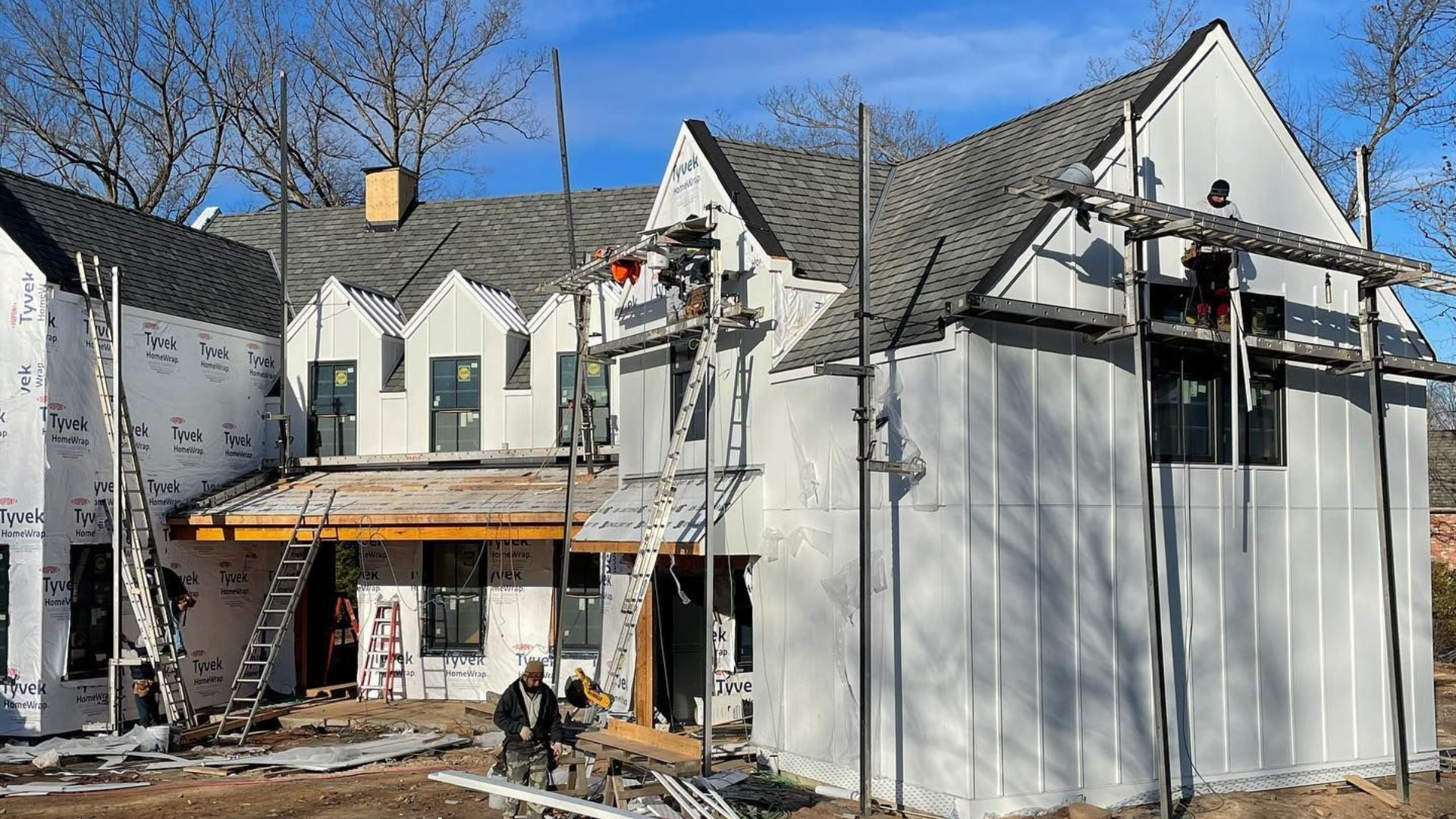
Workers installing roof sheathing on a house, with exposed plywood and shingles on nearby sections

Know When Repair Has Reached Its Limit

The best time to consider replacement is before emergency failure forces the decision.


Paese Construction specializes in high-end roof replacement and exterior renovation, including siding, gutters, and trim.


If your roof is aging, leaking repeatedly, or requiring repairs in multiple areas, contact Paese Construction for an evaluation. A clear understanding of the roof’s condition can help you decide whether another repair is worthwhile or whether replacement is the better long-term investment.
September 16, 2026
Fall is one of the best times to look closely at the condition of a roof before colder weather arrives. Once temperatures begin dropping , small roofing problems can become harder to ignore. Moisture, wind, freezing temperatures, and repeated freeze-thaw cycles can all put additional stress on an aging roofing system.  A pre-winter review does not mean climbing onto the roof yourself. Many warning signs can be spotted from the ground or inside the attic, while a professional inspection can address areas that are difficult or unsafe to evaluate.
September 10, 2026
Many homeowners assume a roof is performing well as long as there are no visible leaks. Unfortunately, roofing problems can develop long before water begins dripping through the ceiling.  A roof may already be losing its ability to protect the home because of aging materials, weakened flashing, deteriorated underlayment , ventilation problems, or damaged shingles. By the time an interior leak becomes obvious, moisture may have already affected decking, insulation, trim, or other parts of the structure.
September 4, 2026
Replacing a roof or updating siding can dramatically improve a home’s appearance, weather protection, and long-term value. For homeowners who live in a community governed by a homeowners association, however, material selection may involve more than personal preference.  HOA architectural standards can influence everything from roof color and shingle style to siding materials, exterior finishes, and trim details. Understanding those requirements before construction begins can help homeowners avoid delays, rejected applications, or the expense of changing an already-planned project.
August 28, 2026
Choosing new siding is a major exterior decision because it affects appearance, durability, maintenance, and long-term protection. Homeowners often want a material that looks refined, stands up well to changing weather, and offers enough style options to complement the architecture of the house.  James Hardie siding has become a popular choice for replacement projects because it combines the look of traditional siding with the strength of fiber cement. Paese Construction works with premium exterior materials such as James Hardie to help homeowners create durable, attractive exteriors designed for long-term performance.
August 23, 2026
When homeowners think about roofing, shingles usually get most of the attention. They are the most visible part of the system, and they play an important role in protecting the home from the elements. However, some of the most critical roofing components are far less noticeable. Flashing is one of them.  Roof flashing is installed around vulnerable areas where water is more likely to enter, such as chimneys, skylights, valleys, vent pipes, and roof-to-wall intersections. When installed correctly, flashing helps direct water away from these areas and into the normal drainage path of the roof. When it fails, even a relatively small weakness can allow moisture to penetrate the roofing system and damage the materials below.
August 18, 2026
Every season brings unique challenges for your home’s exterior. From heavy spring rains and summer heat to autumn leaves and winter snow, your roof, siding, gutters, and trim work together year-round to protect everything inside your home. While no exterior can remain maintenance-free forever, a proactive approach can help identify small issues before they become costly repairs.  By preparing your home throughout the year, you can help maximize the lifespan of your roofing system and exterior materials while protecting one of your most valuable assets.
August 7, 2026
When planning exterior improvements, many homeowners focus on one project at a time. While there are situations where that approach makes sense, replacing both the roof and siding during the same renovation can offer significant advantages. Because these two systems work together to protect your home from the elements, coordinating their replacement can create a more cohesive, durable, and visually appealing exterior.  For homeowners whose roof and siding are both showing signs of age, combining the projects may be worth considering as part of a long-term investment in the home.
July 29, 2026
When homeowners think about improving their home’s exterior, the roof and siding often receive the most attention. While these are essential components, one important detail is frequently overlooked: exterior trim. The trim surrounding windows, doors, rooflines, corners, and other architectural features provides the finishing touch that ties the entire exterior together.  High-quality exterior trim not only enhances curb appeal but also helps protect your home from the elements while complementing premium roofing and siding materials.
July 15, 2026
When homeowners think about protecting their homes from the elements, the roof is usually the first thing that comes to mind. While a quality roof is one of the most important components of any home, it is only one part of a much larger system. Your siding, trim, gutters, flashing, and other exterior elements all work together to defend your home against rain, wind, snow, temperature changes, and moisture.  Understanding how these systems function together can help homeowners make informed decisions about exterior improvements that provide long-term protection and value.
July 8, 2026
For most homeowners, their house is the largest investment they will ever make . Protecting that investment involves much more than routine maintenance or occasional repairs. The materials used on a home’s exterior play a critical role in defending it against weather, moisture, temperature changes, and the natural effects of aging.  While it can be tempting to compare roofing and siding products based primarily on price, the quality of the materials installed often has a significant impact on long-term performance, durability, and overall value. Investing in premium exterior products can help homeowners enjoy greater peace of mind while preserving both the appearance and integrity of their property.