Color and Texture in Construction: How Modern Exteriors Are Redefining Neighborhood Design

October 14, 2025

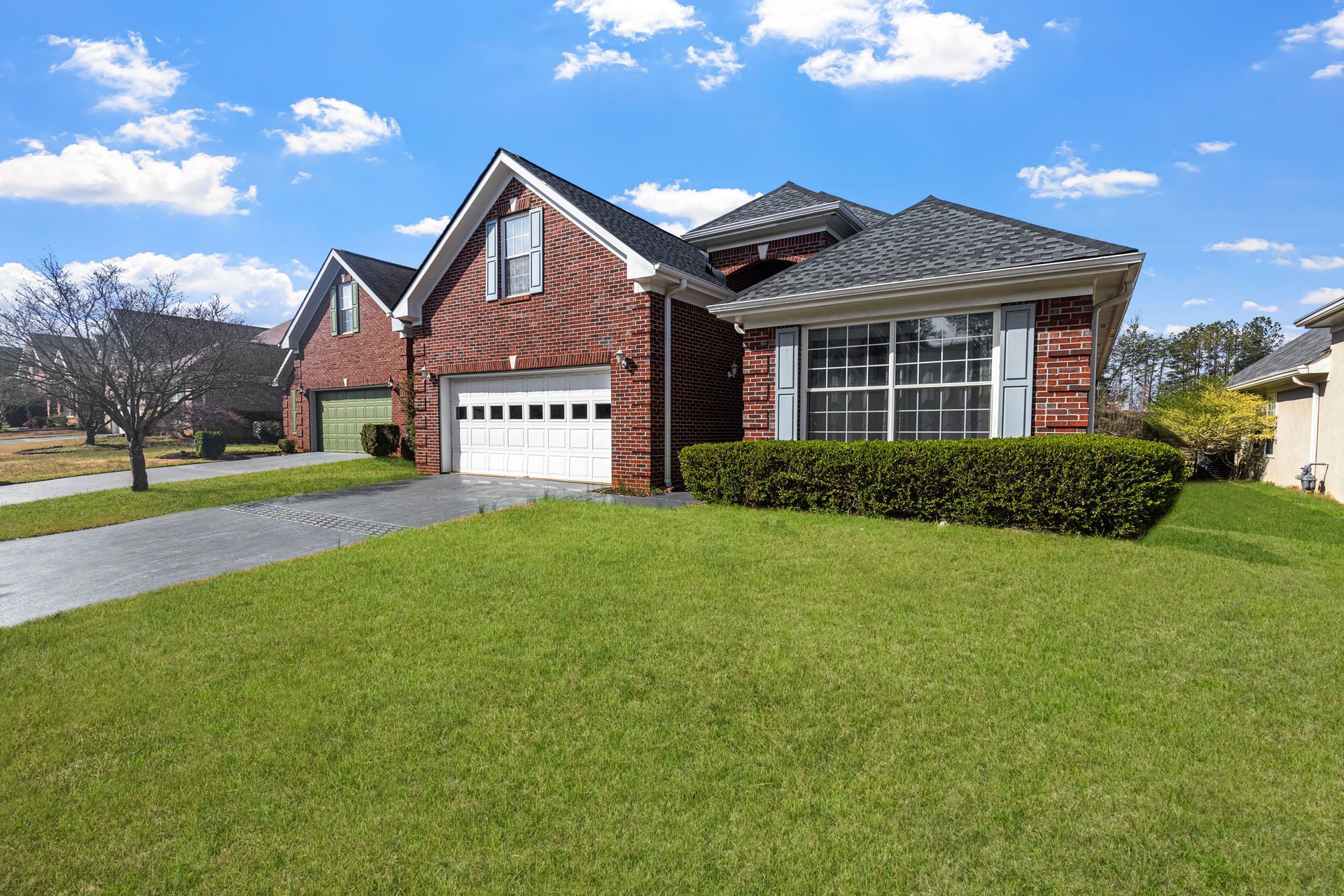
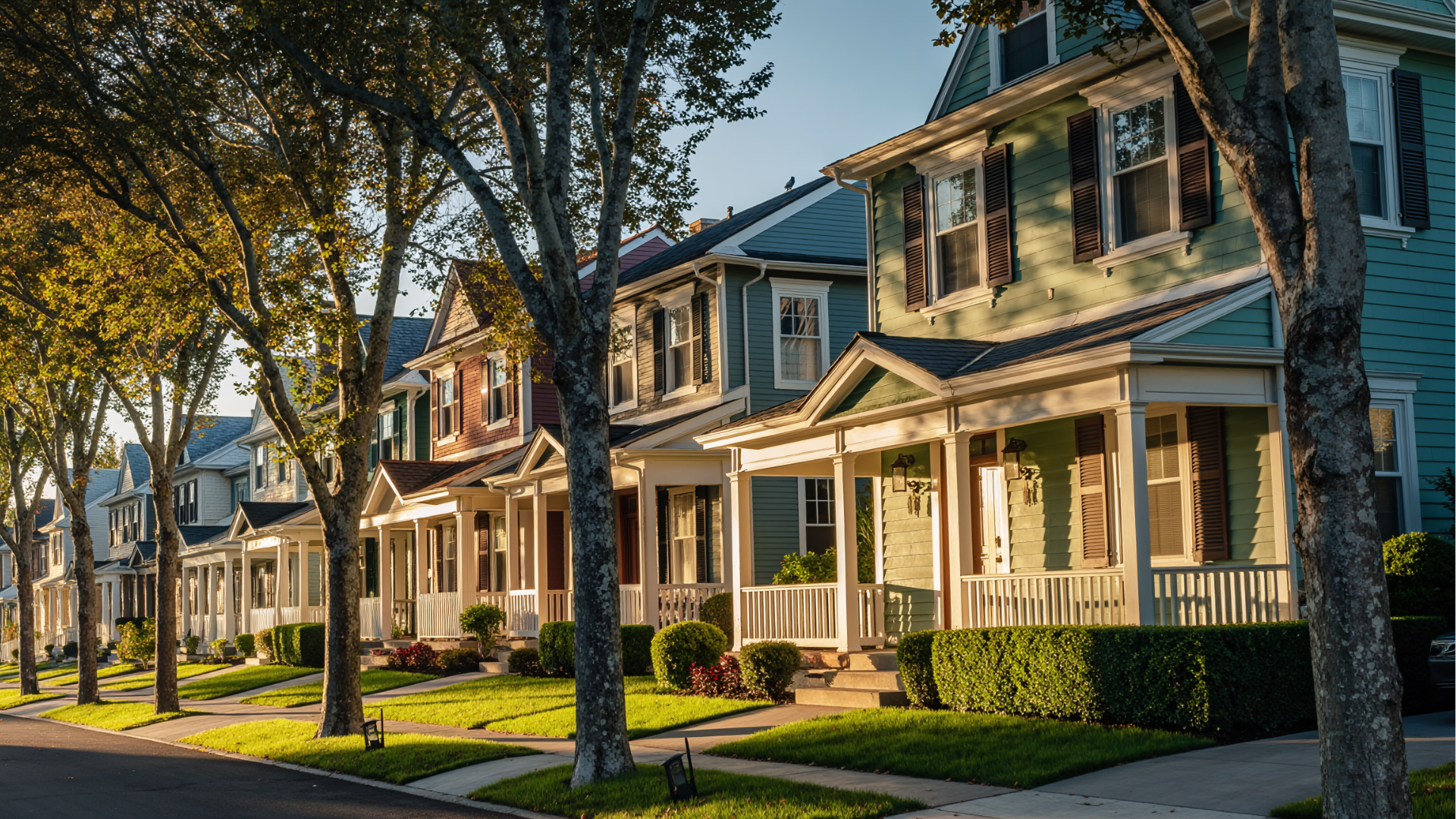
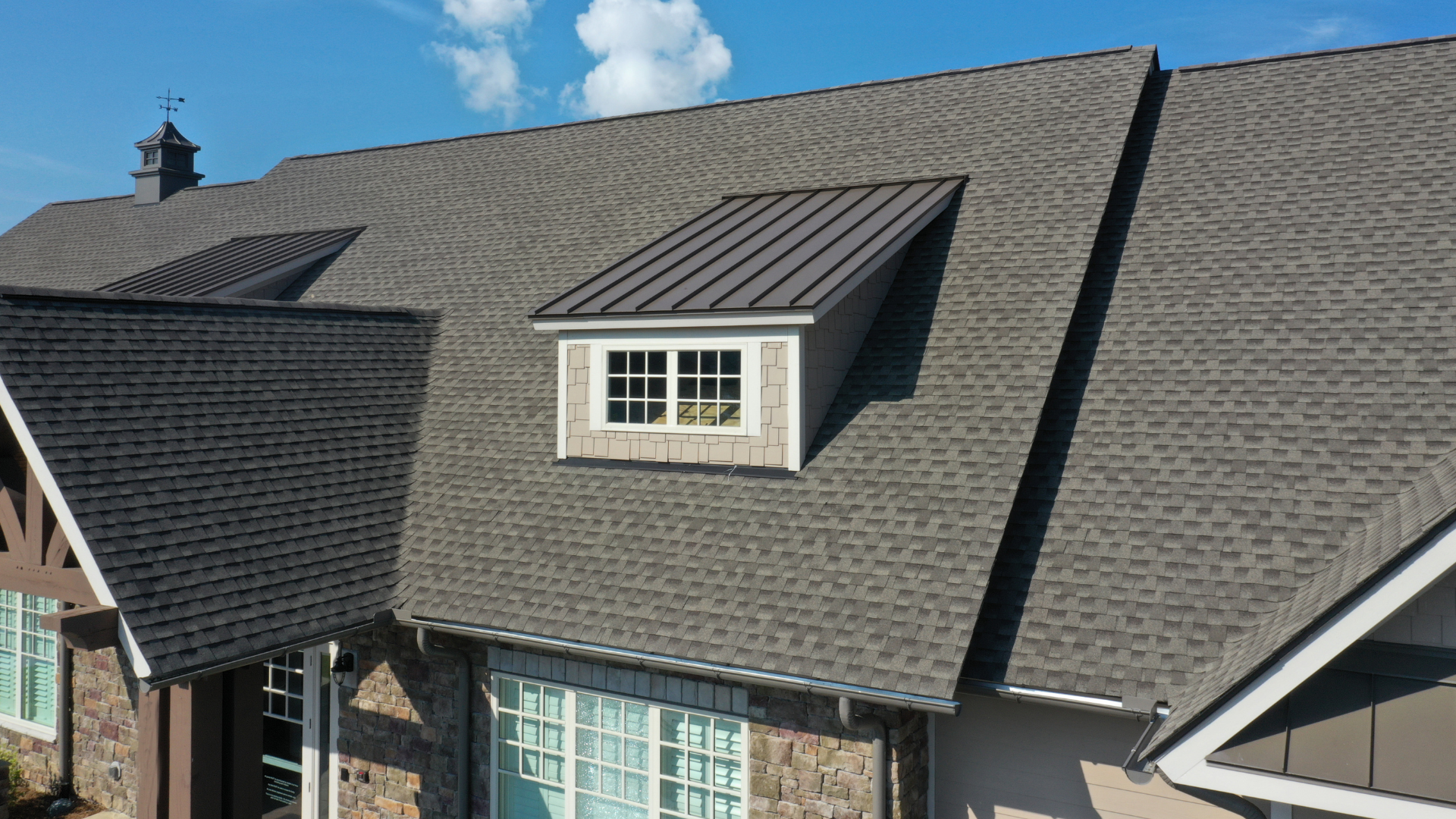
Across neighborhoods, the appearance of residential architecture is changing. Homeowners are increasingly moving away from uniform siding colors and traditional materials, embracing exterior designs that combine varied textures, tones, and finishes. The result is a landscape of distinctive homes that reflect individuality while enhancing overall community appeal. At Paese Construction, we believe that exterior design should be both timeless and expressive, using color and texture to highlight craftsmanship and elevate the visual harmony of every neighborhood we serve.

The Evolution of Exterior Design

In past decades, many homes relied on muted color palettes and predictable materials. Vinyl siding in beige or gray and asphalt shingles in black were standard choices because they were practical and easy to maintain. Today’s homeowners, however, are redefining curb appeal through bold design decisions that mix complementary materials and contrast traditional tones with modern finishes.


Advances in manufacturing have made this transformation possible. High-quality composites, engineered wood, and premium fiber cement siding allow for more variety in color and texture while maintaining exceptional durability. These materials can replicate the appearance of wood grain, stone, or brick while offering long-term protection against moisture and UV exposure. With these innovations, modern construction allows homeowners to choose beauty without sacrificing performance.
The Power of Color in Architecture

Color is one of the most effective tools for creating character and dimension in exterior design. A well-chosen palette can enhance a home’s architectural details, create visual balance, and convey a sense of warmth and personality.


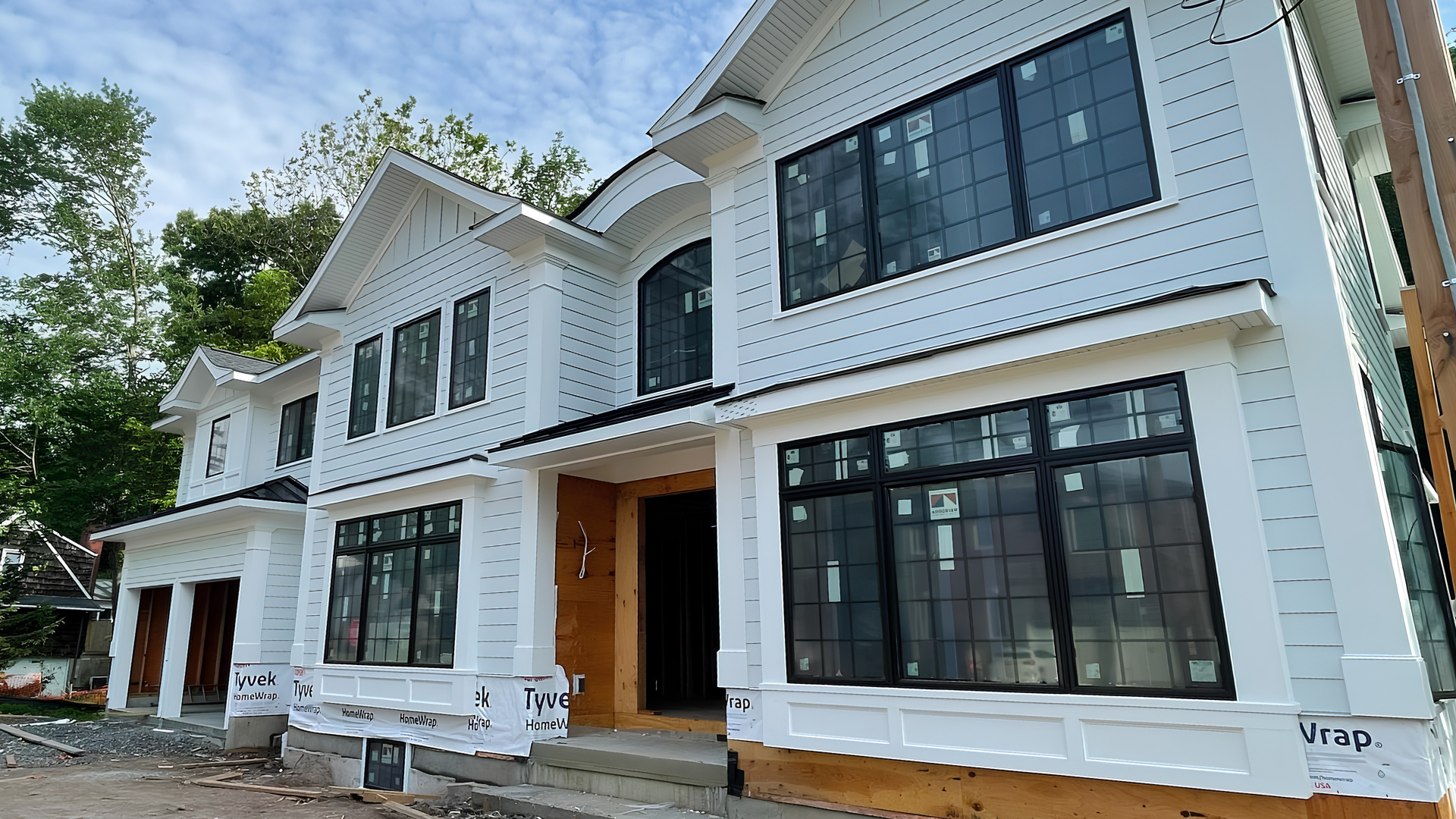
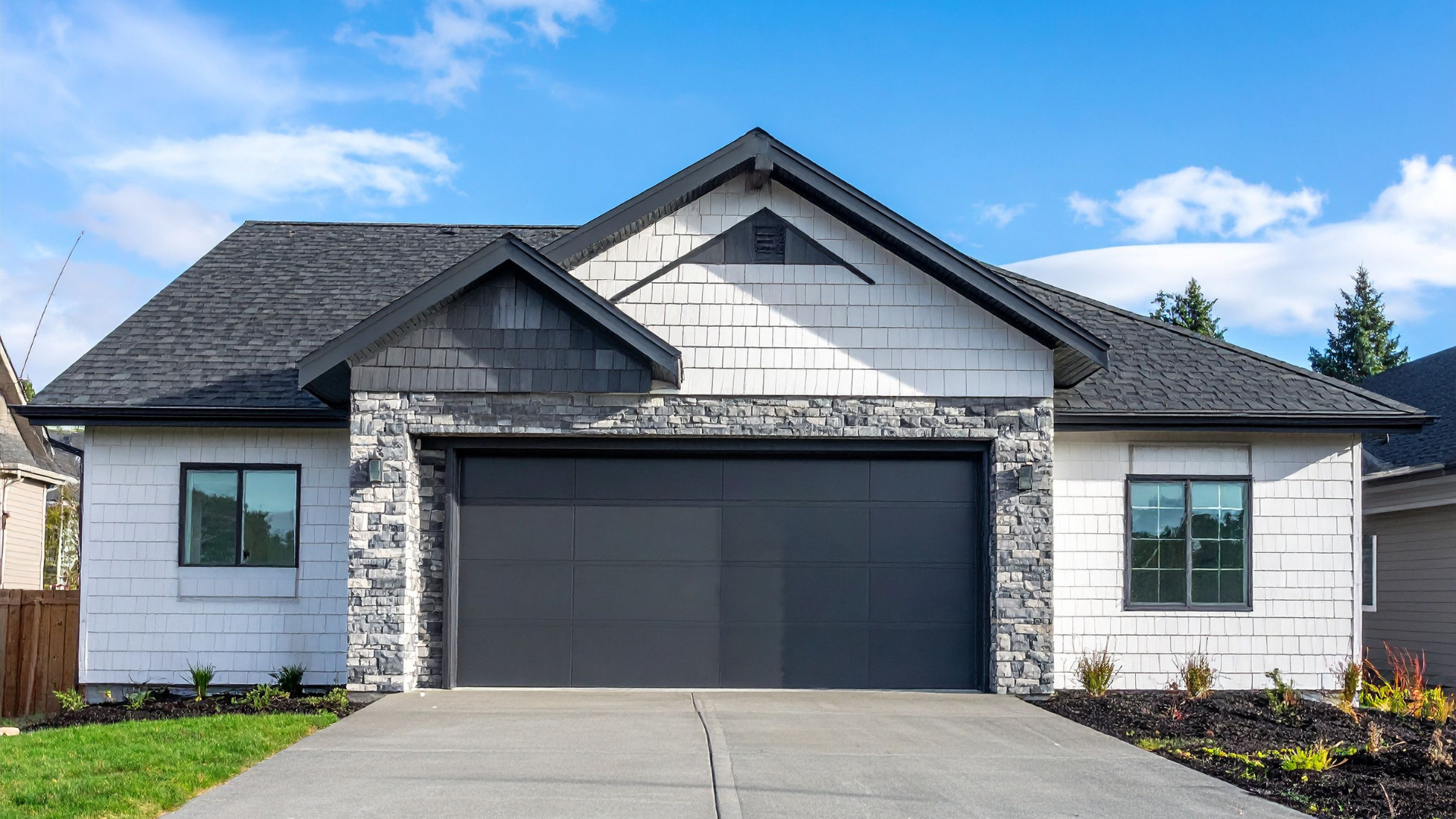
Deep, saturated tones such as charcoal, navy, or forest green continue to grow in popularity, lending a sense of sophistication and depth. Lighter colors such as white and cream remain timeless but are often paired with darker trim or accent features for contrast. Metallic finishes and natural tones inspired by stone or wood bring a grounded, organic feel that complements both traditional and contemporary homes.


At Paese Construction, we help homeowners select colors that complement their home’s architecture and surrounding environment. A well-coordinated color scheme not only increases curb appeal but also helps define a home’s place within its neighborhood, enhancing both individuality and cohesion.
The Role of Texture in Modern Design

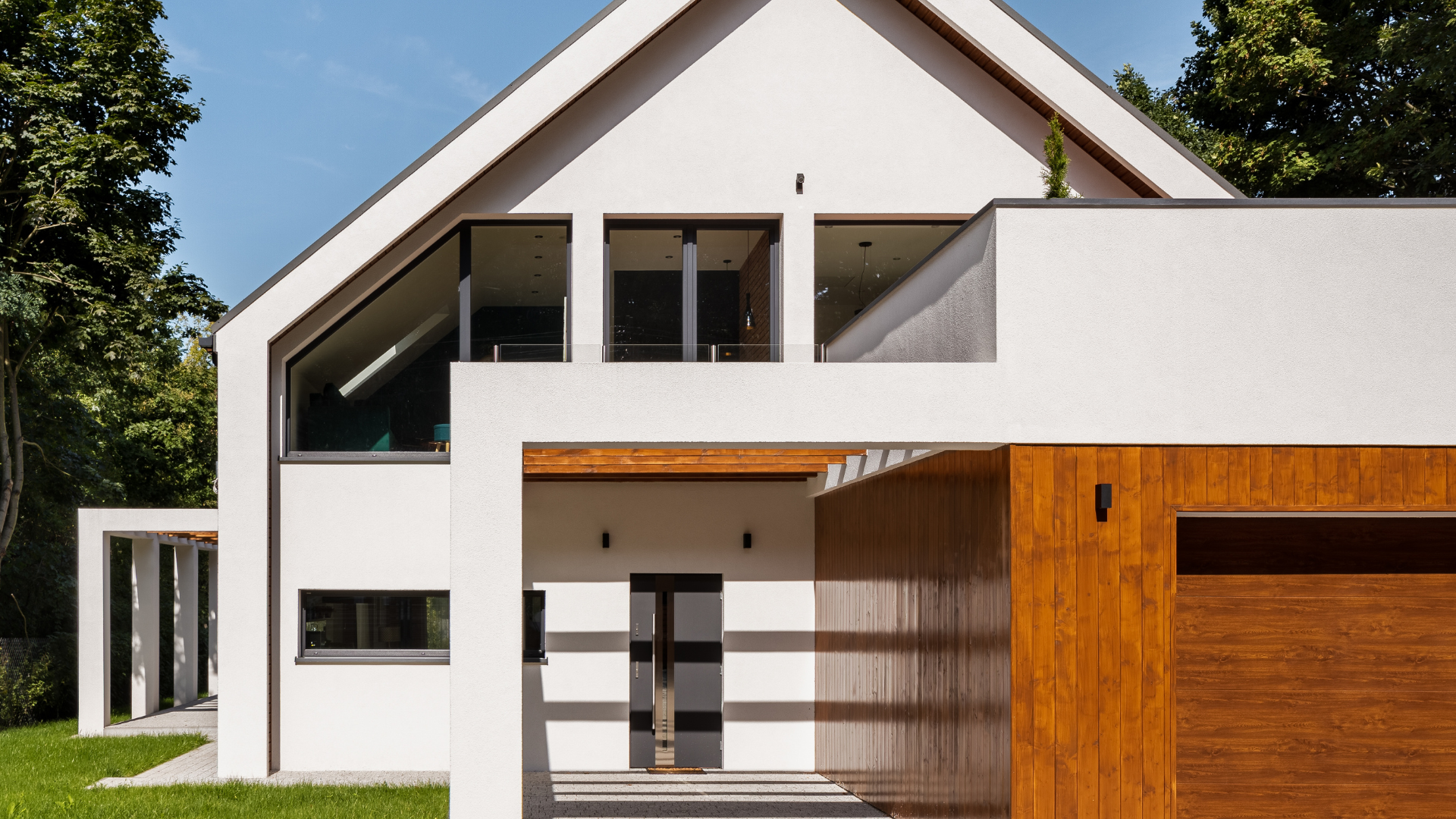
Texture adds tactile dimension to a home’s exterior, giving depth and visual interest even from a distance. Modern design trends frequently incorporate mixed materials such as stone veneers, shiplap siding, metal panels, and cedar-style accents to create balance and complexity.


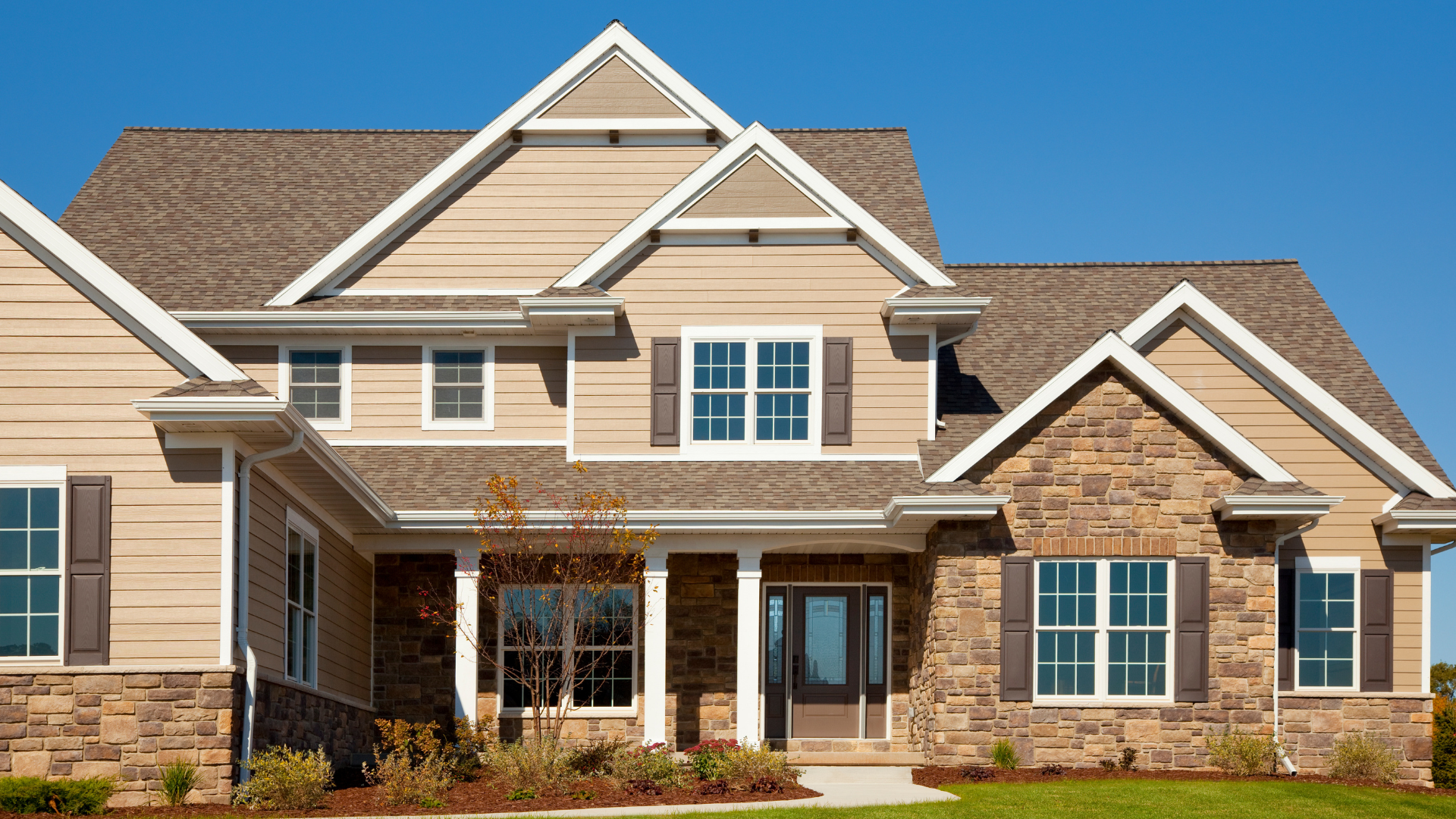
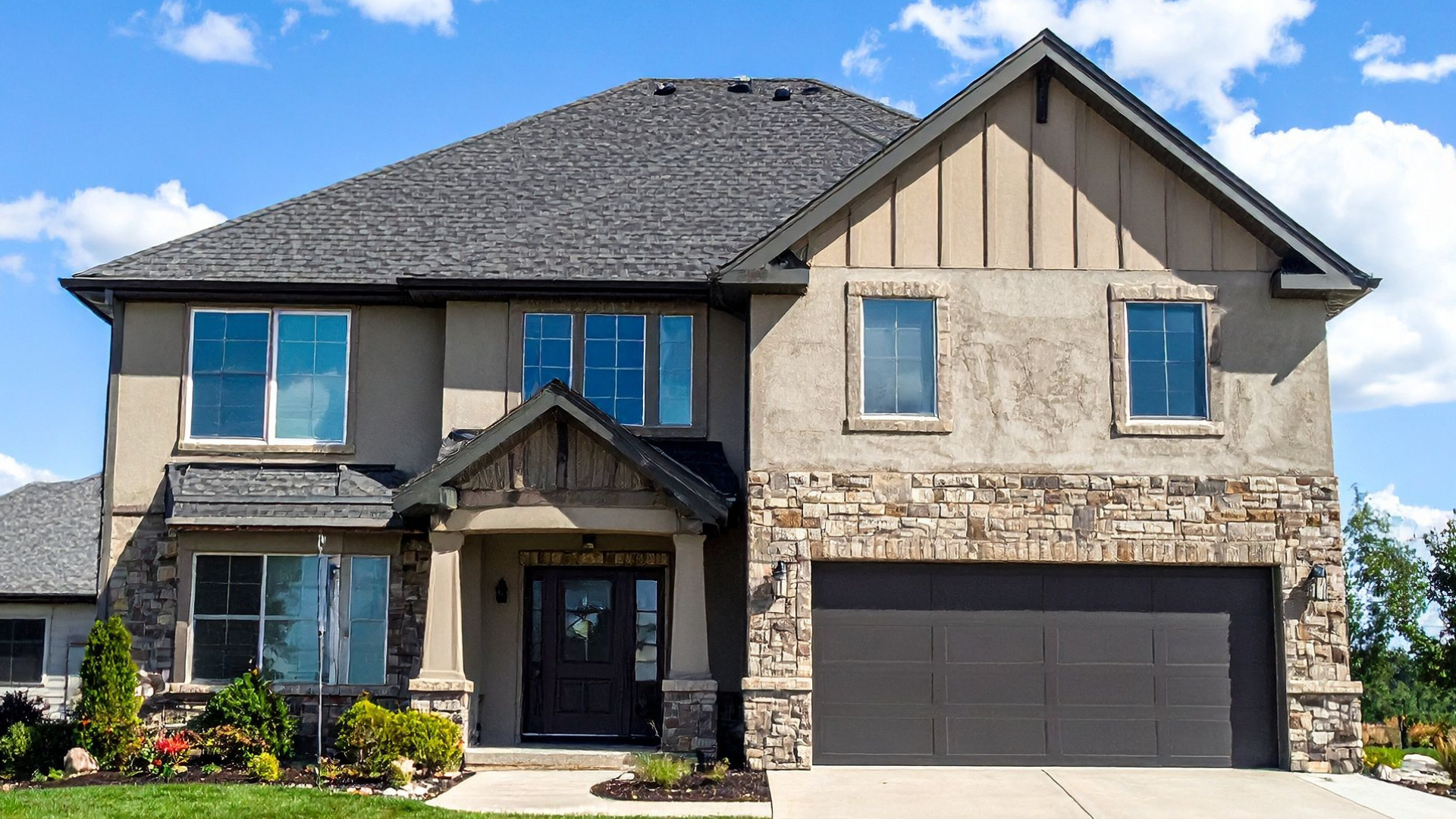
Combining smooth and rough surfaces creates contrast that draws the eye to architectural features such as gables, entryways, or rooflines. For example, pairing smooth lap siding with textured stone at the foundation level can make a home appear both anchored and elegant. Similarly, the subtle shadow lines of fiber cement siding can add sophistication to a modern façade without overwhelming the structure’s form.


Texture also affects the way light interacts with the home throughout the day. Varied surfaces create dynamic reflections that change with the sun, giving the exterior a sense of movement and vitality.
The Benefits of Thoughtful Material Pairing

Thoughtful pairing of color and texture does more than enhance visual appeal; it also adds to a home’s durability and efficiency. Premium materials such as composite siding and stone veneers resist fading, warping, and cracking, making them ideal for long-term performance. When installed by experienced professionals, these products maintain their beauty and function for decades with minimal maintenance.


At Paese Construction, we specialize in full exterior replacements rather than temporary repairs. This allows us to ensure that every component, from roofing to siding to trim, integrates seamlessly into one cohesive design. Our expertise in material selection and installation ensures not only lasting protection but also architectural harmony that transforms an ordinary home into a work of art.
Final Thoughts

Modern neighborhoods are being shaped by homeowners who view their homes as expressions of personal style and quality craftsmanship. Through the strategic use of color and texture, even subtle changes can redefine how a home feels and how it fits within its surroundings.


At Paese Construction, we take pride in helping homeowners achieve this balance. By combining high-end materials, precise craftsmanship, and design expertise, we create exteriors that are both visually stunning and built to endure. Whether the goal is bold distinction or timeless elegance, our team ensures that every project enhances the home, the neighborhood, and the way people experience their space.
October 14, 2026
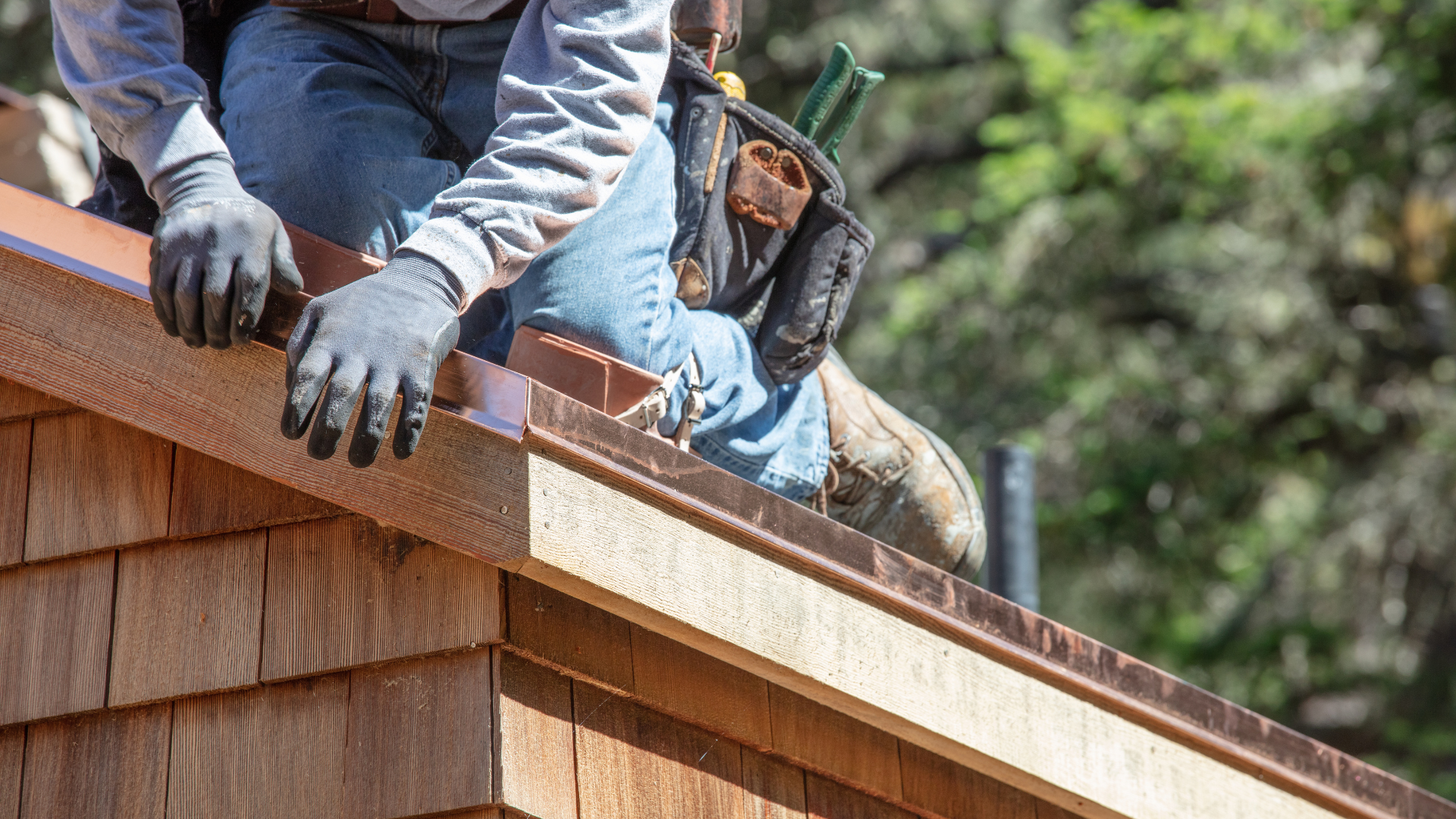
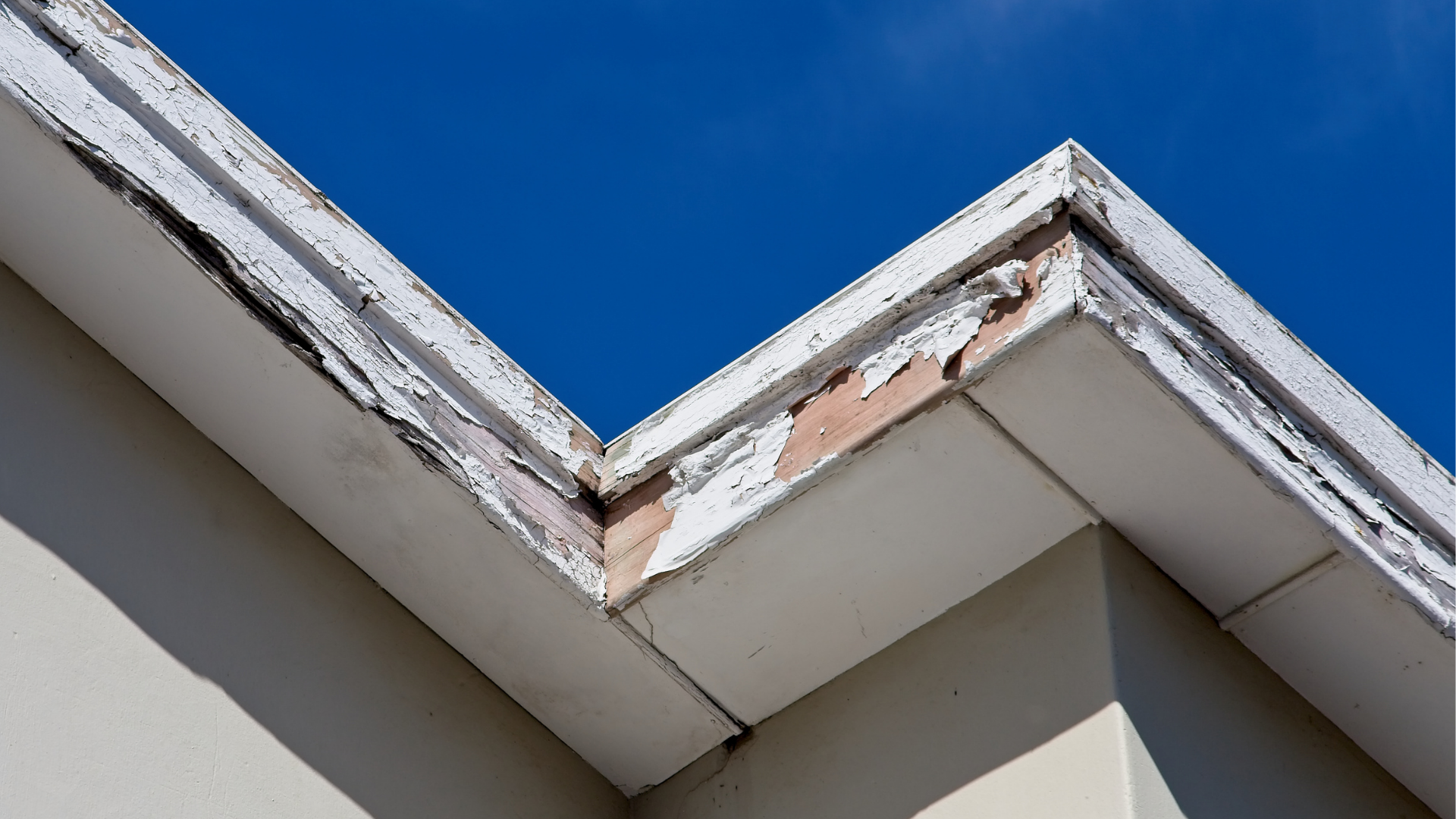
Gutters are only as secure as the surface they are attached to. When fascia boards are soft, rotted, or structurally compromised, installing new gutters without correcting the underlying damage can create problems almost immediately. Fasteners may not hold properly, sections of gutter can sag, and water can continue entering areas that should have been addressed before installation. That is why rotten fascia should be replaced before new gutters are installed. Fascia Has an Important Structural Role Fascia is the board that runs along the edge of the roof, directly behind the gutters on many homes. It helps create a finished roofline while also providing an attachment surface for the gutter system. Because it sits at the edge of the roof, fascia is regularly exposed to moisture, wind-driven rain, overflowing gutters, and water that may escape damaged roofing components. When the wood begins to rot, it loses strength. A gutter system attached to weakened material may not remain secure over time.
October 7, 2026
A roof is not made from one product . Shingles, underlayment, flashing, ventilation components, fasteners, sealants, and roof decking all work together as a system. That is why material compatibility matters. A premium shingle can only perform as intended when the surrounding components are appropriate for the roof design, climate, and installation method. Mixing materials without considering how they interact can create weak points, shorten service life, or complicate warranty coverage. For homeowners planning a roof replacement, it helps to think beyond the visible surface. The Shingles Are Only the Top Layer Shingles are the most noticeable roofing material, but they are only one part of the assembly. Beneath them, underlayment provides an additional layer of protection. Flashing directs water away from vulnerable transitions. Ventilation helps manage attic heat and moisture. Fasteners hold the system in place. Each component has its own job. If one layer is poorly matched to the others, the roof may not perform as a complete system. That is why roof replacement should be planned as a coordinated installation rather than a collection of separate products.
October 4, 2026
Roof repairs make sense when damage is limited, the surrounding materials are still in good condition, and the roofing system has plenty of useful life left. But there comes a point when repeated repairs stop being the most practical approach. An aging roof may begin developing problems in several areas at once. At that stage, homeowners can end up paying for one repair after another without addressing the broader condition of the system. Knowing when to move from repair to replacement can help prevent unnecessary spending and reduce the risk of more serious damage later. Age Is an Important Starting Point Every roofing material has a typical service life , but age alone does not determine whether replacement is necessary. Installation quality, ventilation, weather exposure, maintenance, and material type all affect how long a roof performs well. Still, an older roof that begins requiring frequent repairs deserves a closer look. If shingles are failing in several areas or leaks are becoming more common, the issue may no longer be isolated.
September 26, 2026
A home’s roof, siding, gutters, soffits, fascia, and trim all work together. When one part starts to fail, it can affect the others. That is why treating exterior problems one at a time can sometimes lead to repeated repairs, mismatched materials, or missed opportunities to address the real cause. Whole-home exterior planning takes a broader view. Instead of asking only, “What needs to be fixed today?” it looks at how the entire exterior is aging and how each component affects the next. The Roof Can Affect More Than the Roof A roofing problem does not always stay confined to shingles. If water reaches the roof edge, it may affect fascia, soffits , gutters, siding, or even the wall system below. Damaged flashing can also direct water into areas that are difficult to see from the ground. When roof replacement is being considered, it makes sense to evaluate the surrounding exterior at the same time.  This can reveal whether related components should be repaired, replaced, or coordinated with the roofing project.
September 16, 2026
Fall is one of the best times to look closely at the condition of a roof before colder weather arrives. Once temperatures begin dropping , small roofing problems can become harder to ignore. Moisture, wind, freezing temperatures, and repeated freeze-thaw cycles can all put additional stress on an aging roofing system.  A pre-winter review does not mean climbing onto the roof yourself. Many warning signs can be spotted from the ground or inside the attic, while a professional inspection can address areas that are difficult or unsafe to evaluate.
September 10, 2026
Many homeowners assume a roof is performing well as long as there are no visible leaks. Unfortunately, roofing problems can develop long before water begins dripping through the ceiling.  A roof may already be losing its ability to protect the home because of aging materials, weakened flashing, deteriorated underlayment , ventilation problems, or damaged shingles. By the time an interior leak becomes obvious, moisture may have already affected decking, insulation, trim, or other parts of the structure.
September 4, 2026
Replacing a roof or updating siding can dramatically improve a home’s appearance, weather protection, and long-term value. For homeowners who live in a community governed by a homeowners association, however, material selection may involve more than personal preference.  HOA architectural standards can influence everything from roof color and shingle style to siding materials, exterior finishes, and trim details. Understanding those requirements before construction begins can help homeowners avoid delays, rejected applications, or the expense of changing an already-planned project.
August 28, 2026
Choosing new siding is a major exterior decision because it affects appearance, durability, maintenance, and long-term protection. Homeowners often want a material that looks refined, stands up well to changing weather, and offers enough style options to complement the architecture of the house.  James Hardie siding has become a popular choice for replacement projects because it combines the look of traditional siding with the strength of fiber cement. Paese Construction works with premium exterior materials such as James Hardie to help homeowners create durable, attractive exteriors designed for long-term performance.
August 23, 2026
When homeowners think about roofing, shingles usually get most of the attention. They are the most visible part of the system, and they play an important role in protecting the home from the elements. However, some of the most critical roofing components are far less noticeable. Flashing is one of them.  Roof flashing is installed around vulnerable areas where water is more likely to enter, such as chimneys, skylights, valleys, vent pipes, and roof-to-wall intersections. When installed correctly, flashing helps direct water away from these areas and into the normal drainage path of the roof. When it fails, even a relatively small weakness can allow moisture to penetrate the roofing system and damage the materials below.
August 18, 2026
Every season brings unique challenges for your home’s exterior. From heavy spring rains and summer heat to autumn leaves and winter snow, your roof, siding, gutters, and trim work together year-round to protect everything inside your home. While no exterior can remain maintenance-free forever, a proactive approach can help identify small issues before they become costly repairs.  By preparing your home throughout the year, you can help maximize the lifespan of your roofing system and exterior materials while protecting one of your most valuable assets.