How Roof Replacement Impacts Home Energy Efficiency
When homeowners think about roof replacement, durability and appearance are often the first considerations. Energy efficiency, however, is an equally important factor and one that is frequently overlooked. A properly planned roof replacement can significantly influence how a home manages heat, airflow, and moisture throughout the year.
For homes with aging or outdated roofing systems, replacement is often the most effective opportunity to improve overall energy performance.
The Roof’s Role in Energy Performance
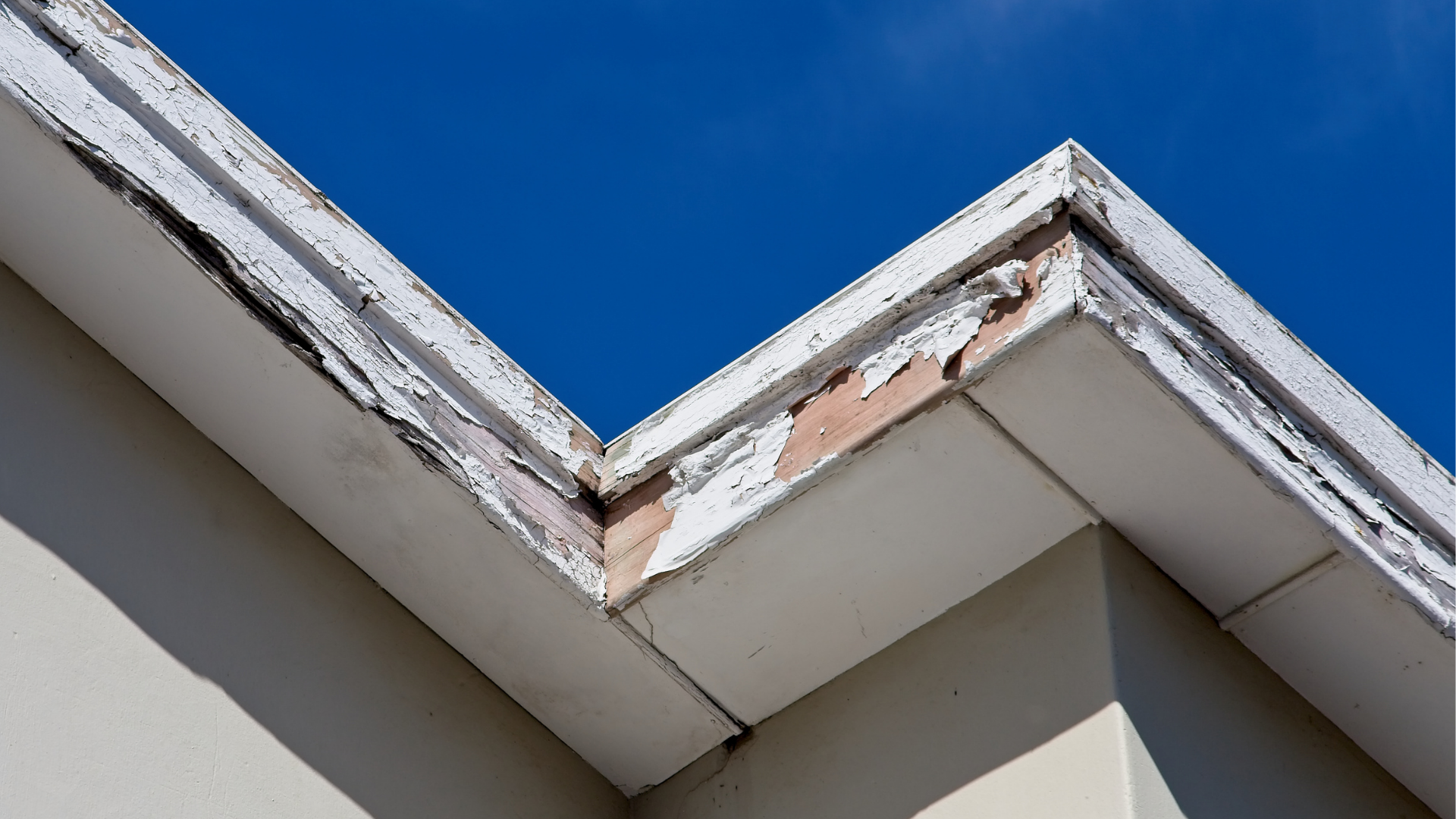
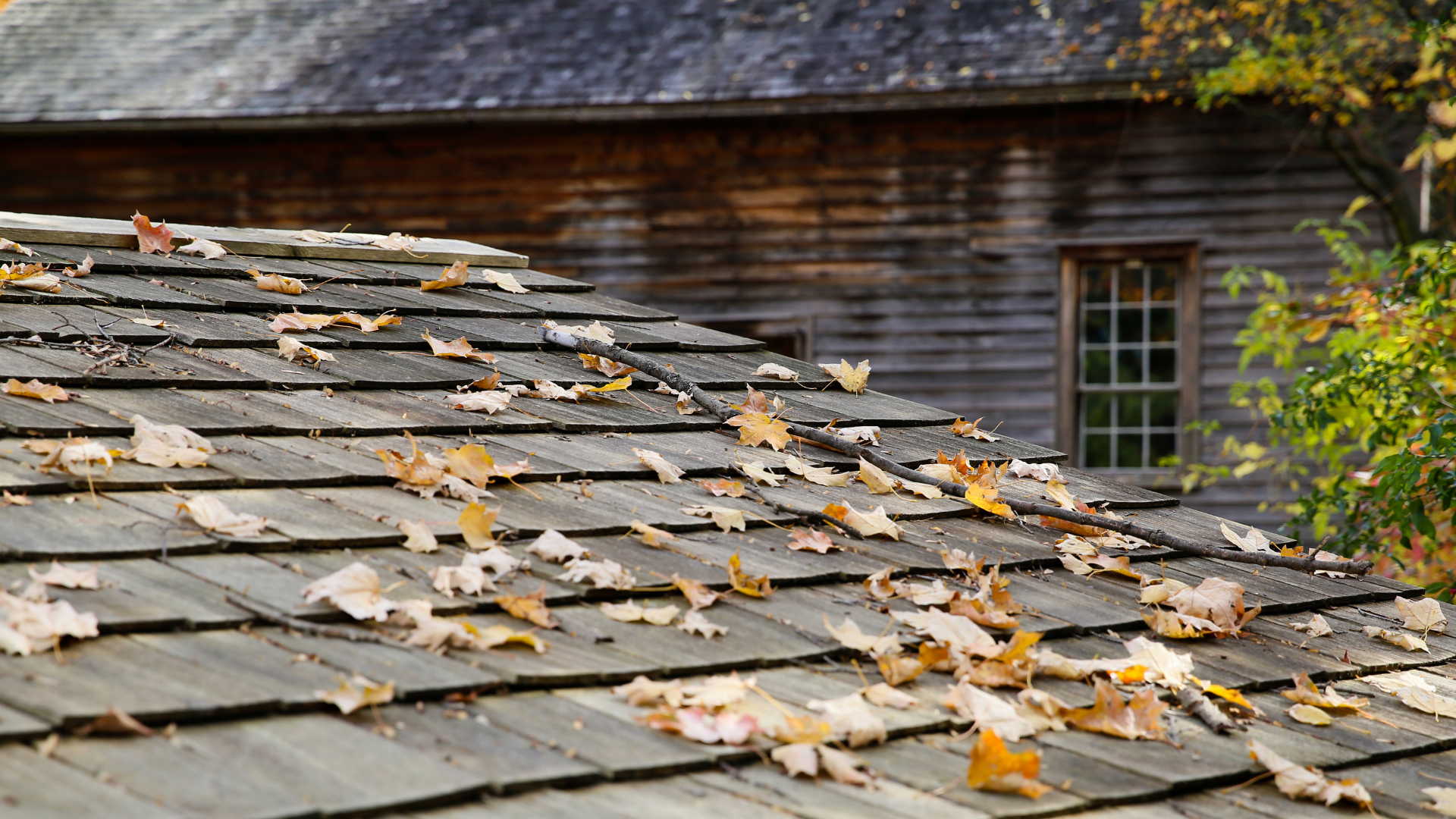
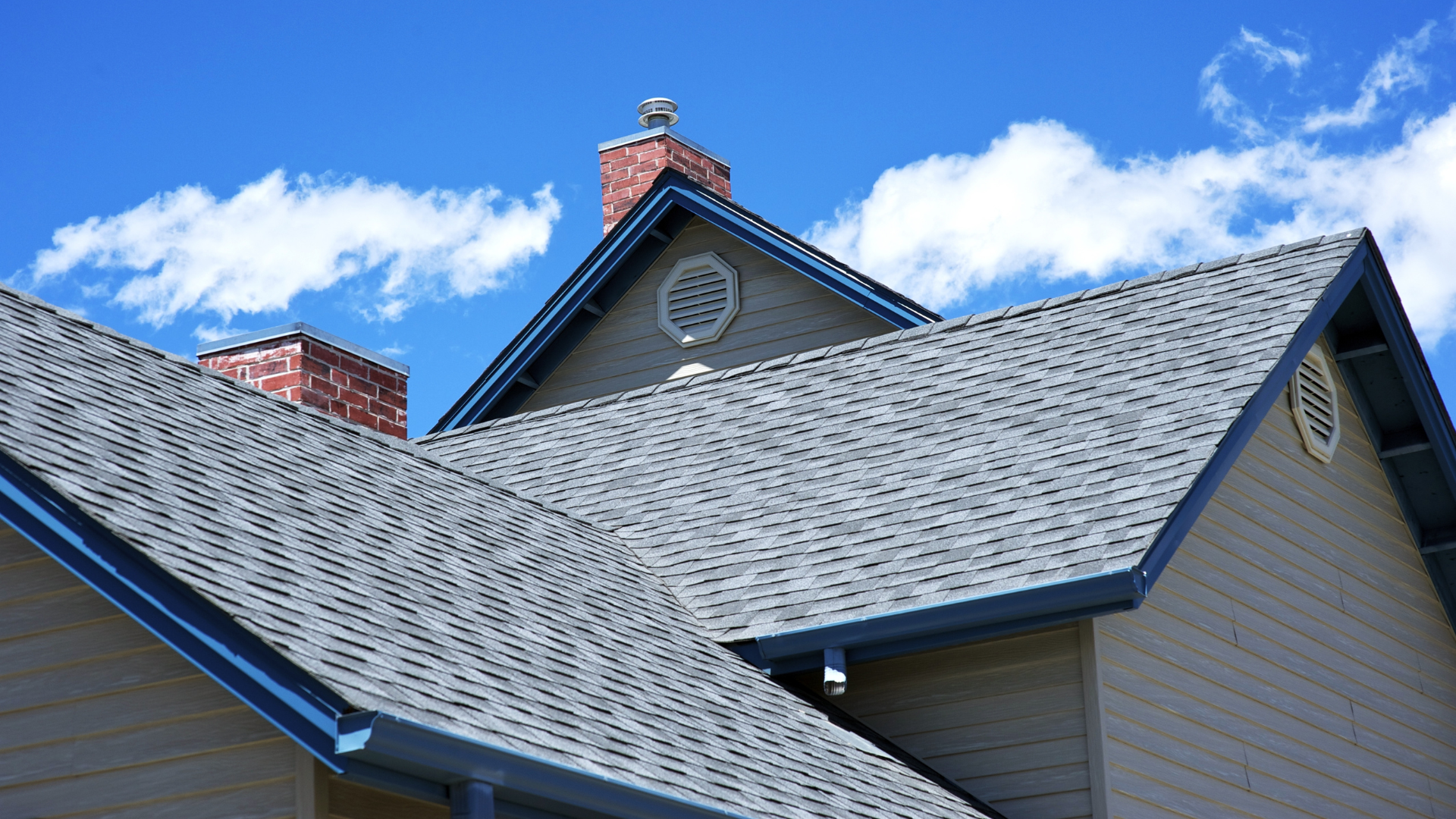
The roof is one of the largest exposed surfaces of a home. It absorbs sunlight, sheds water, and protects the structure from temperature extremes. When roofing materials degrade over time, they lose their ability to regulate heat and protect underlying components.
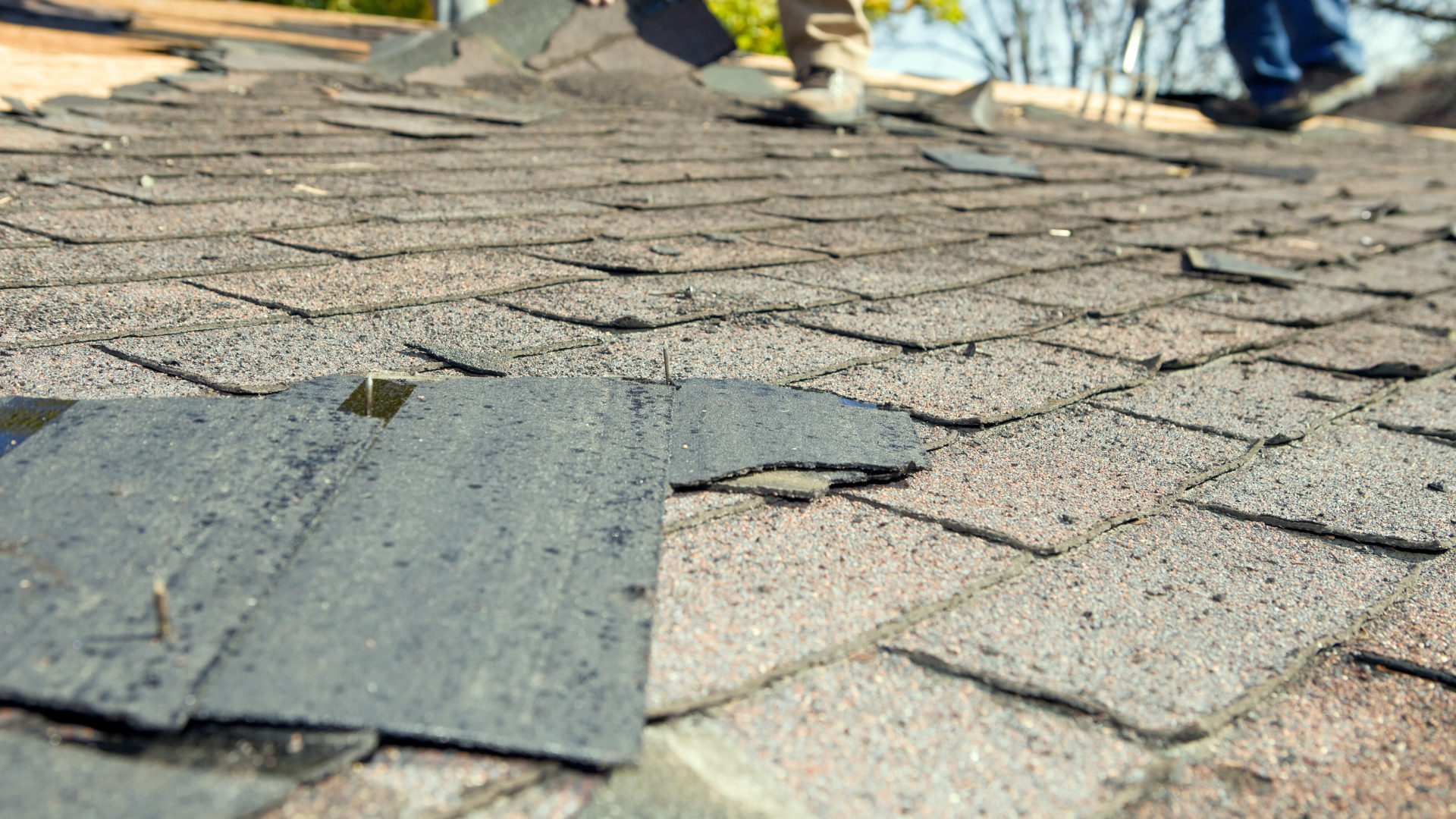
Older roofs often allow excessive
heat transfer into the attic, which forces heating and cooling systems to work harder. Gaps in materials, worn underlayment, and outdated ventilation designs all contribute to energy loss that cannot be corrected with surface level fixes.
Why Replacement Makes a Difference
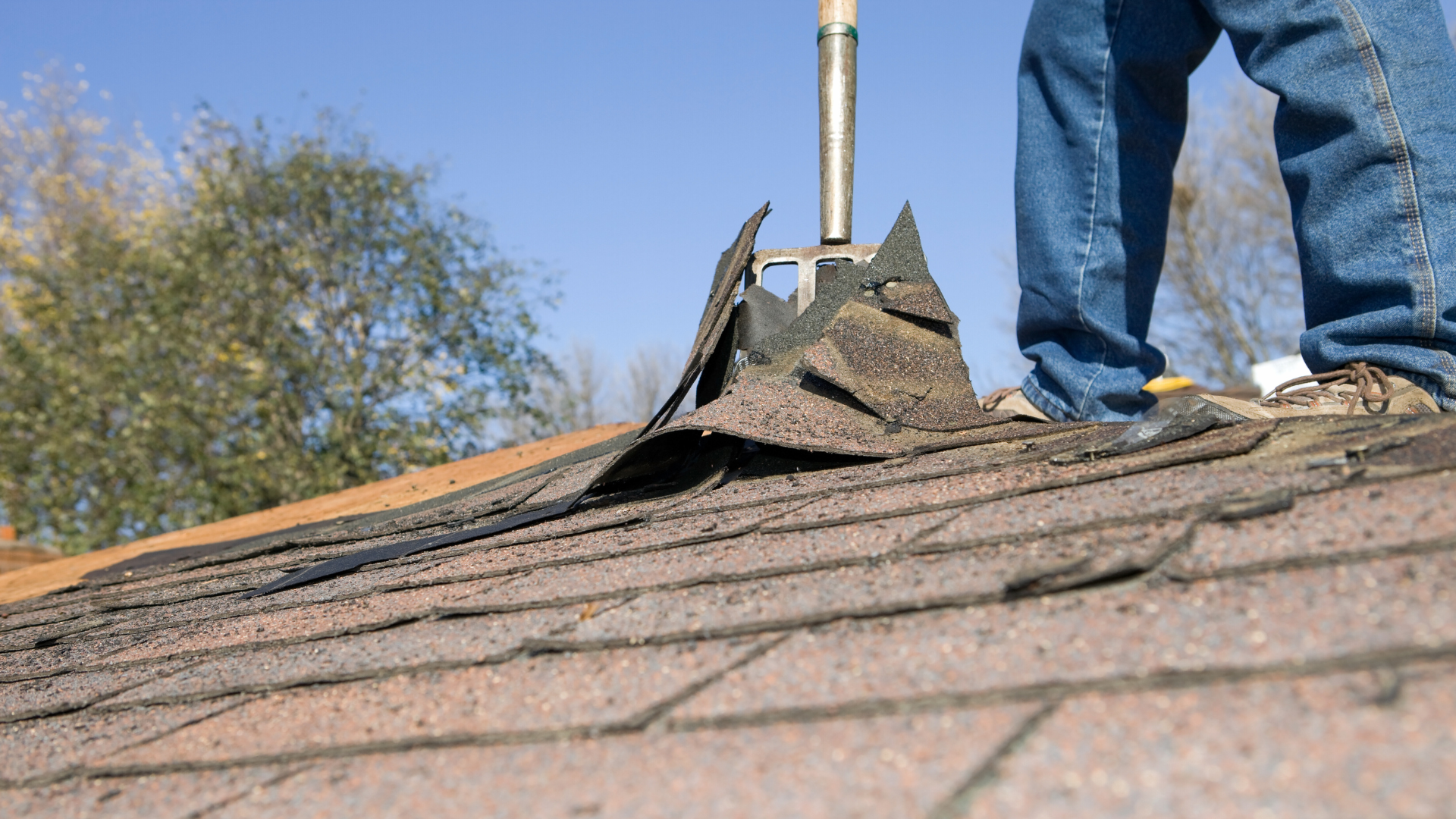
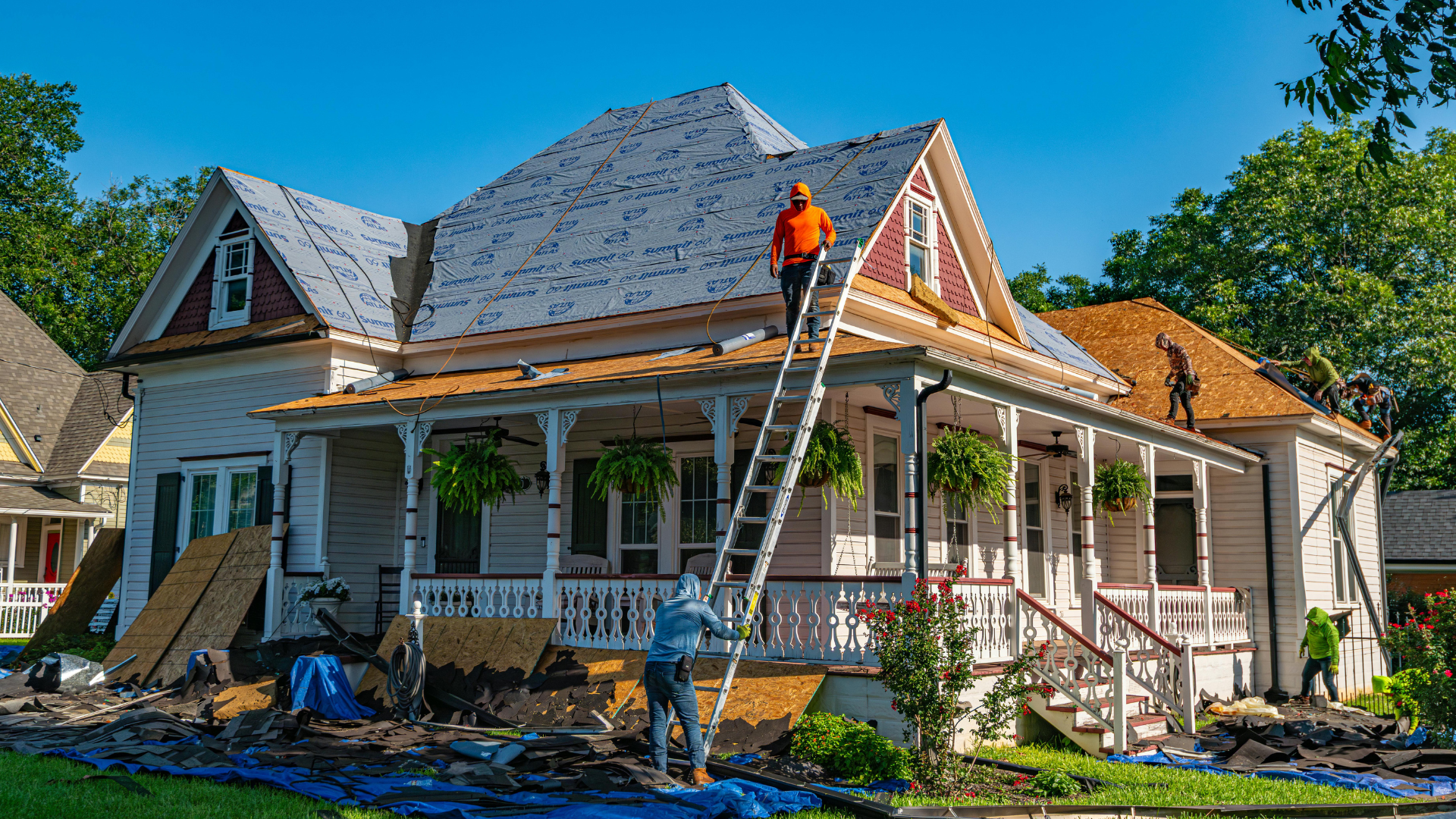
Roof replacement allows the entire roofing system to be evaluated and rebuilt as a cohesive unit. This includes the decking, underlayment, ventilation components, and final roofing material. Addressing all of these elements together creates opportunities to improve energy efficiency that simple repairs cannot provide.
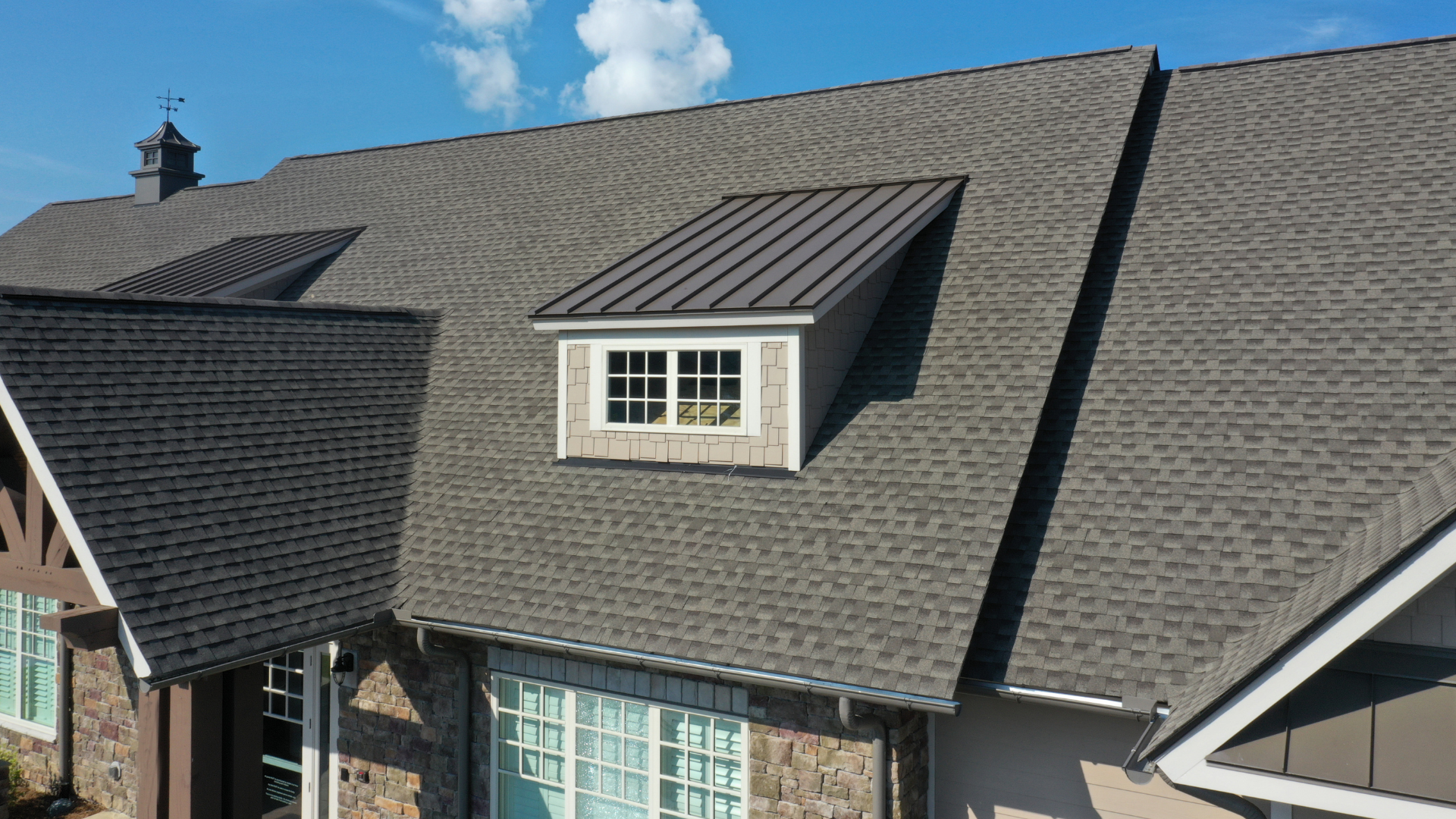
Modern roofing systems are designed with improved thermal performance in mind. High-quality materials reflect heat more effectively, resist moisture intrusion, and integrate with ventilation systems that promote consistent airflow through the attic.
Ventilation and Airflow Matter
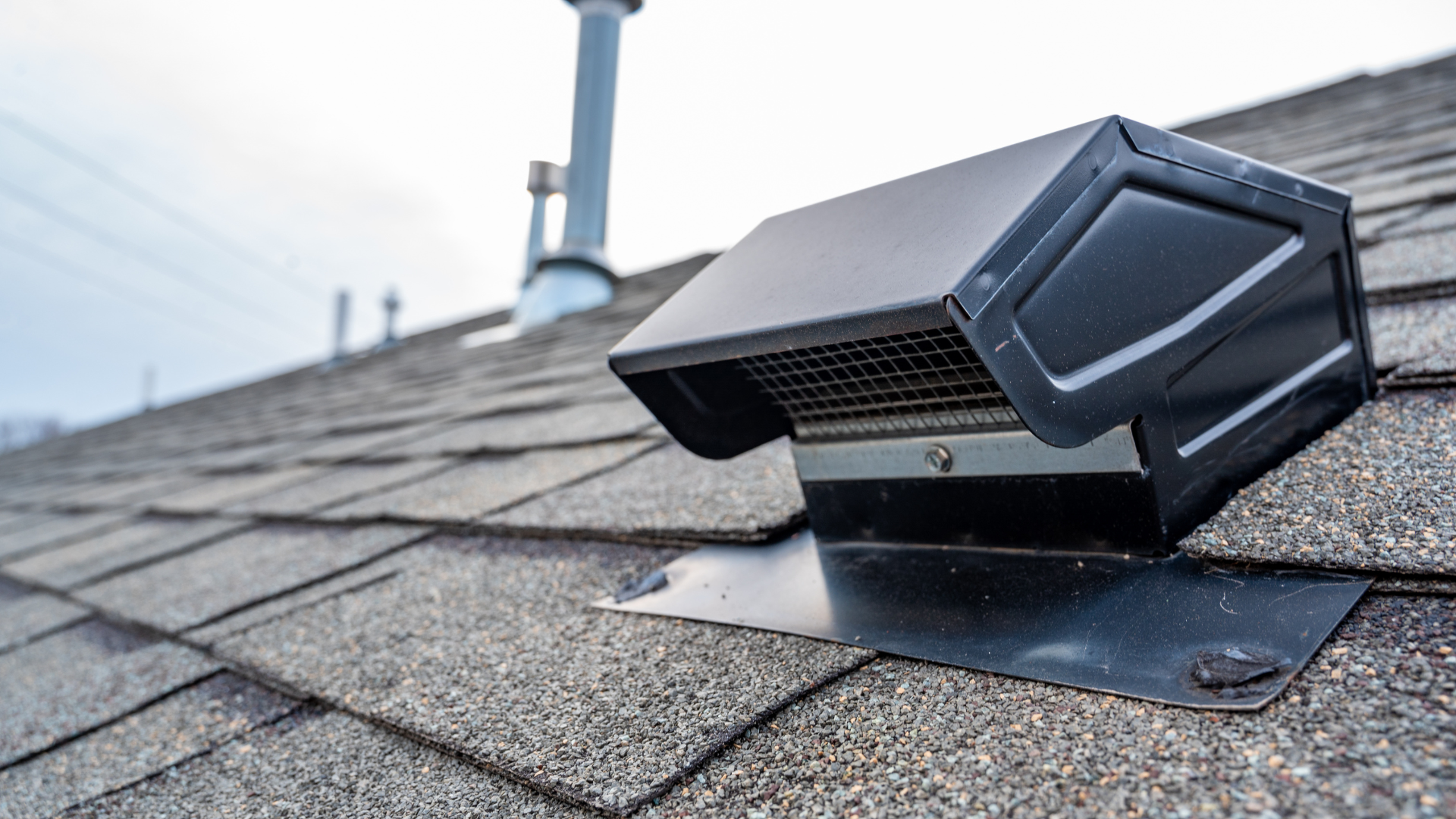
One of the most important contributors to energy efficiency is proper attic ventilation. Without adequate airflow, heat and moisture become trapped, raising indoor temperatures and increasing energy costs.
During roof replacement, ventilation can be properly sized and positioned to support balanced airflow. Ridge vents, intake vents, and exhaust pathways work together to reduce heat buildup and help stabilize indoor temperatures. This balance supports both comfort and long term roof performance.
Insulation and Roofing Work Together
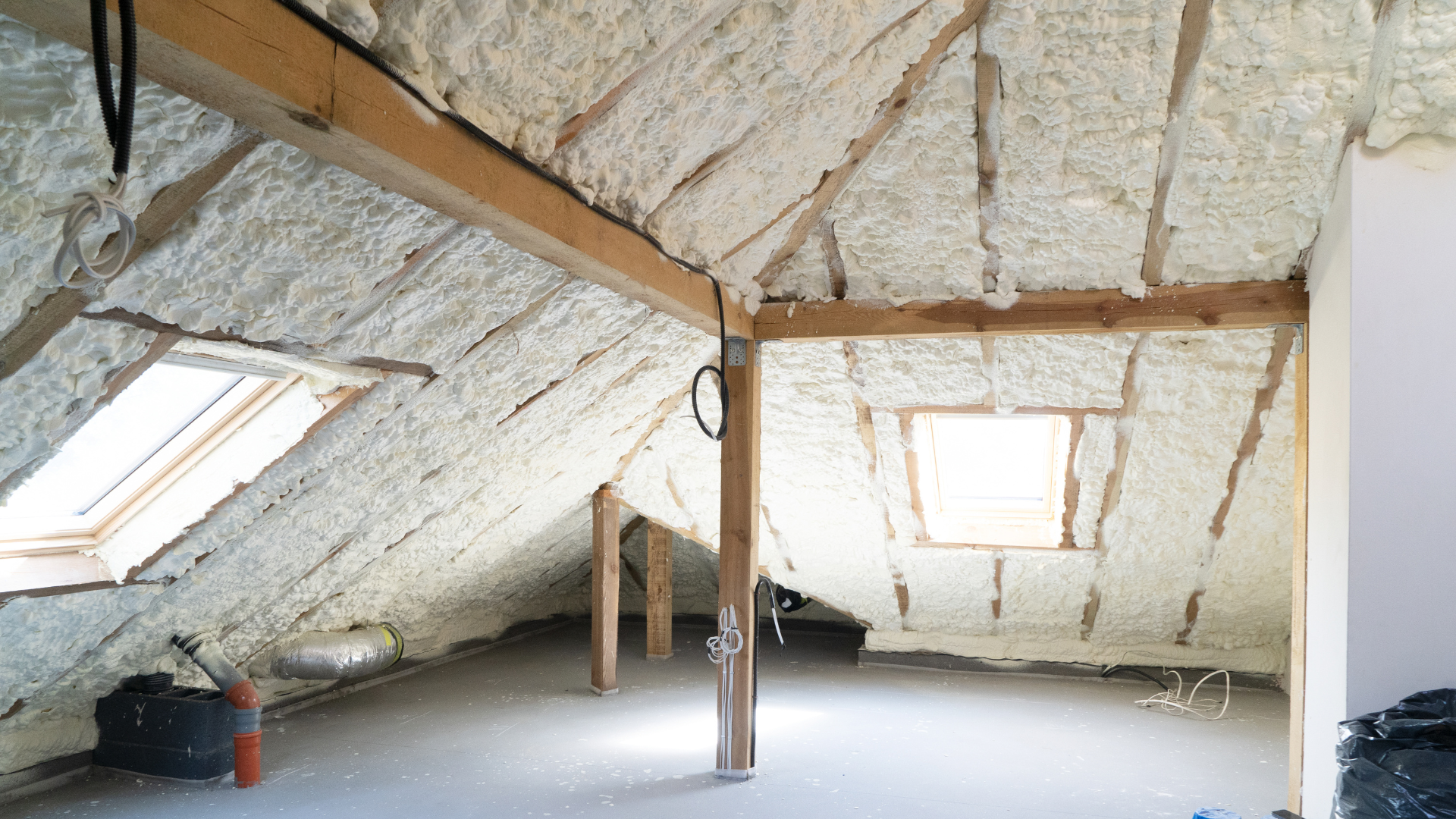
While insulation is often discussed separately from roofing, the two systems are closely connected. A new roof helps protect insulation from moisture damage and temperature stress. When insulation remains dry and properly supported, it performs more effectively.
Roof replacement also allows contractors to identify insulation issues that may have gone unnoticed. Addressing these concerns during replacement helps ensure the roofing system contributes fully to energy efficiency goals.
Material Selection Influences Efficiency
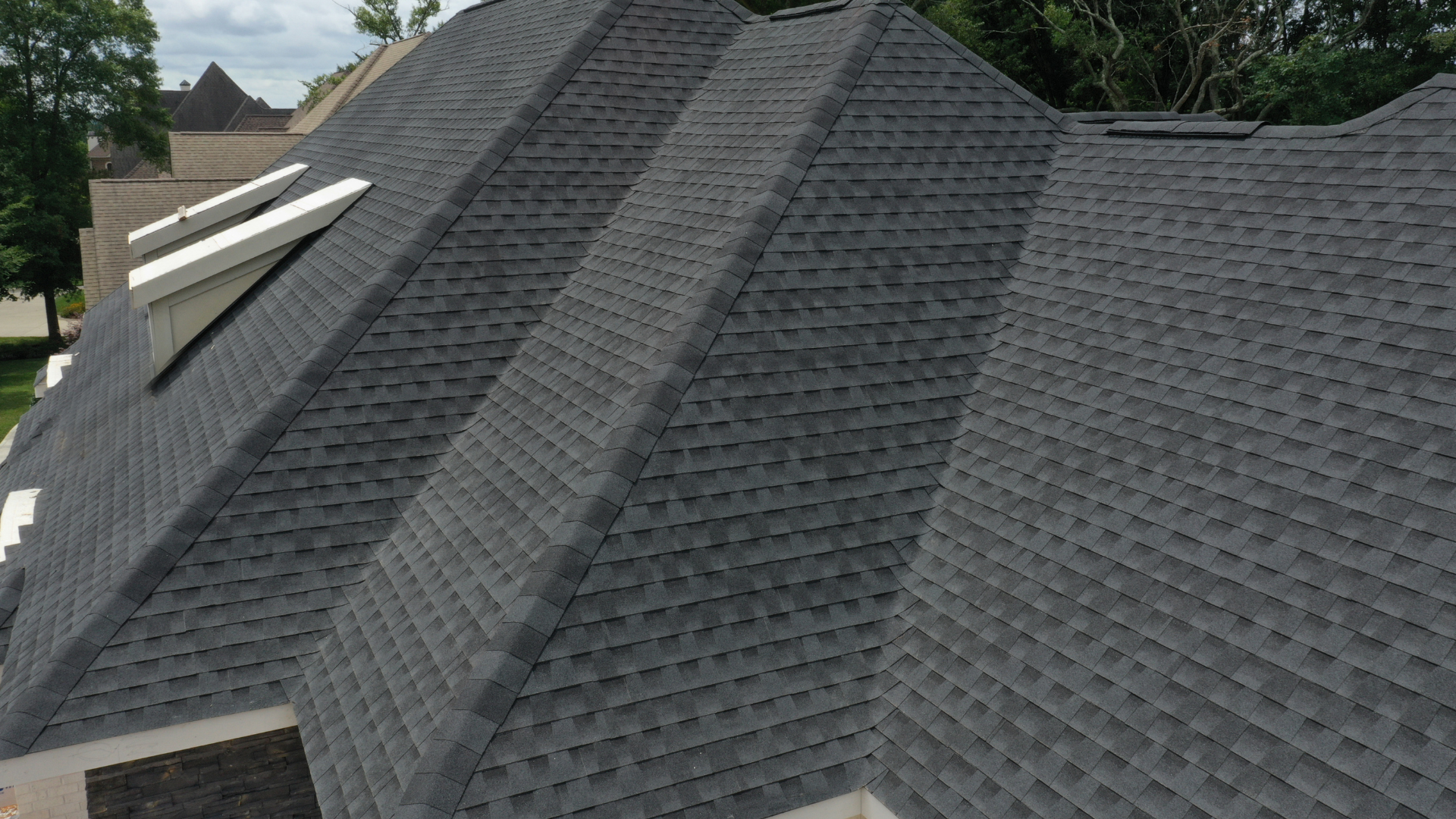
Premium roofing materials are engineered to withstand environmental stress while supporting better thermal performance. Many modern shingles and roofing systems are designed to reflect more sunlight and reduce heat absorption.
Choosing high quality materials during replacement supports energy efficiency over the long term. These materials maintain their performance longer and provide consistent protection against temperature fluctuations.
Long Term Energy Cost Considerations
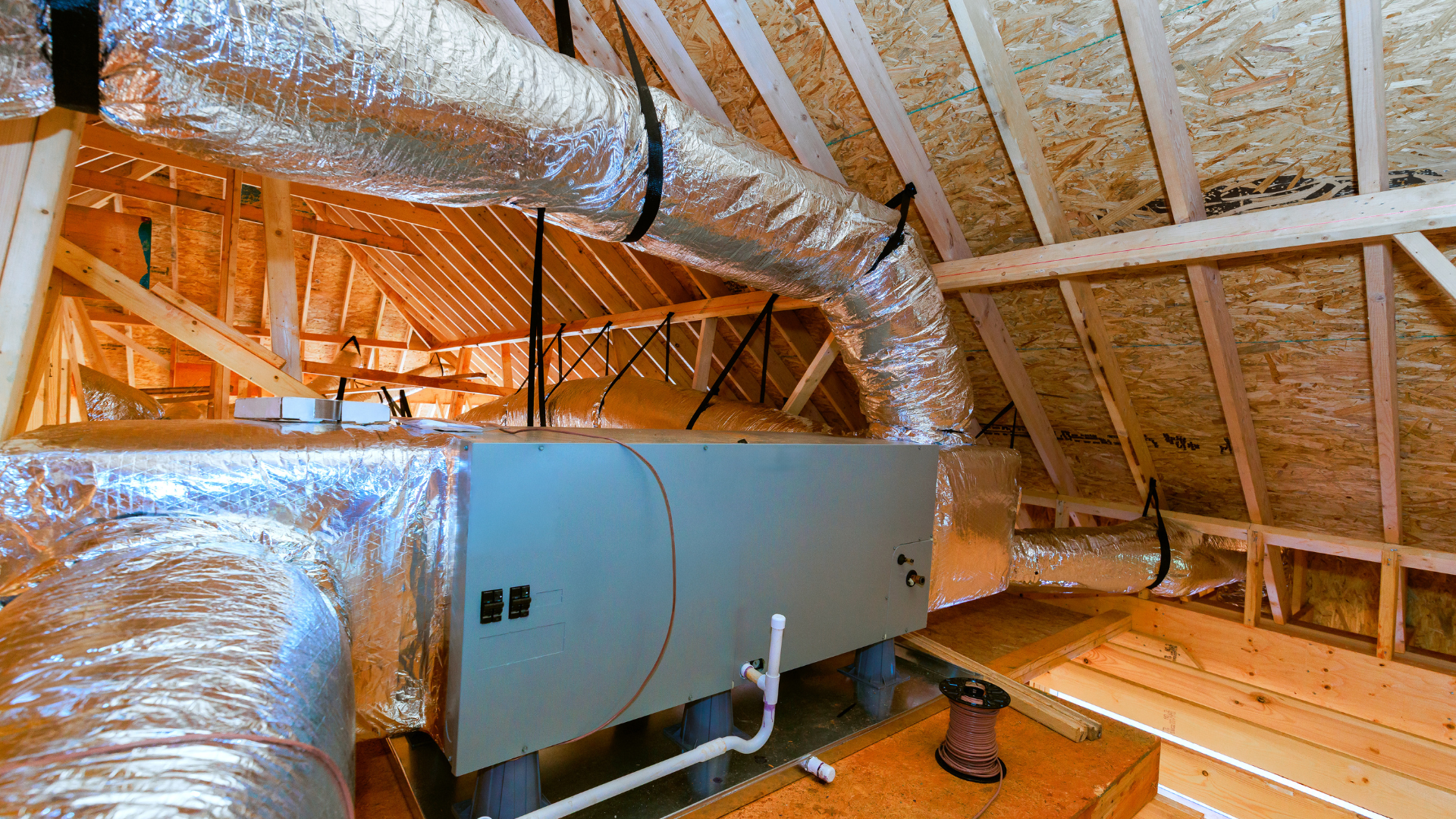
An inefficient roof increases energy demand year after year. Heating and cooling systems compensate for heat loss in winter and heat gain in summer, leading to higher utility costs and increased wear on equipment.
Roof replacement helps stabilize indoor conditions, allowing HVAC systems to operate more efficiently. Over time, this can contribute to lower energy expenses and improved comfort throughout the home.
Replacement as a Strategic Investment
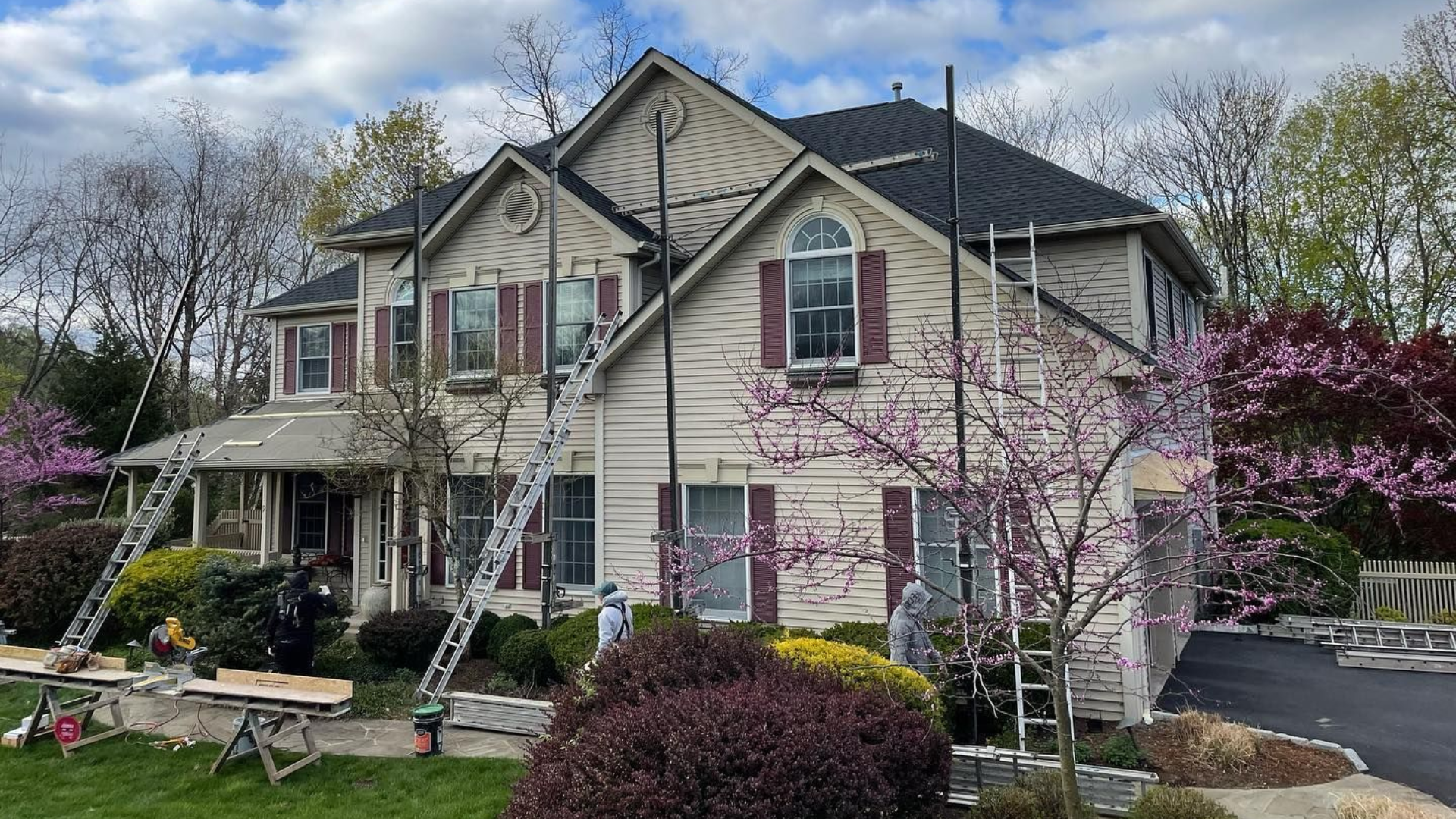
Energy efficiency improvements are most effective when planned as part of a comprehensive system upgrade. Roof replacement provides that opportunity. Rather than addressing symptoms of energy loss, replacement allows homeowners to resolve the root causes through updated materials, improved ventilation, and modern installation practices.
At Paese Construction, roof replacement is approached as a long term investment in the home’s performance. By focusing on high quality materials and complete system design, we help homeowners improve energy efficiency while protecting the structure for years to come.
Roof replacement is not only about protecting a home from the elements. It plays a critical role in how a home manages energy, comfort, and long term value.