How to Tell When a Roof Has Reached the End of Its Service Life
Many homeowners assume a roof will clearly announce when it needs to be replaced. In reality, roofs often fail gradually, and the signs of an aging roofing system are not always dramatic. Understanding when a roof has reached the end of its service life can help homeowners make proactive decisions that protect their property, rather than reacting to costly damage after failure occurs.
A roof is a system, not just a surface. Even when shingles appear intact, underlying components may no longer be performing as intended.
Age Is an Important Starting Point
One of the most reliable indicators of roof condition is age. Most asphalt roofing systems are designed to perform for a specific range of years under normal conditions. Once a roof approaches or exceeds that range, materials naturally begin to degrade.
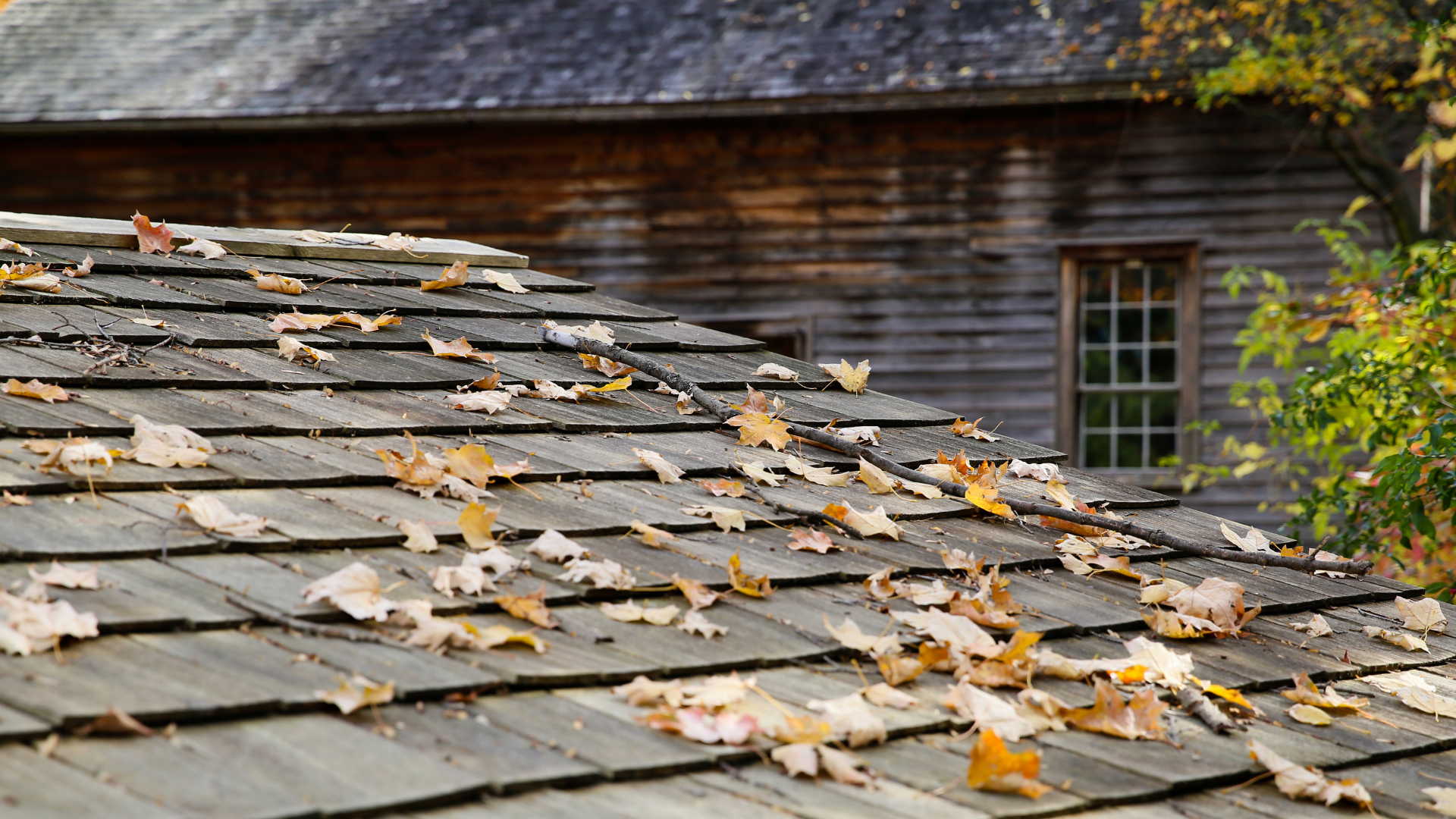
Exposure to sun, temperature swings, moisture, and wind slowly
breaks down roofing components. Adhesives lose strength, granules wear away, and protective layers become brittle. Even
without visible leaks, an older roof may no longer provide adequate protection.
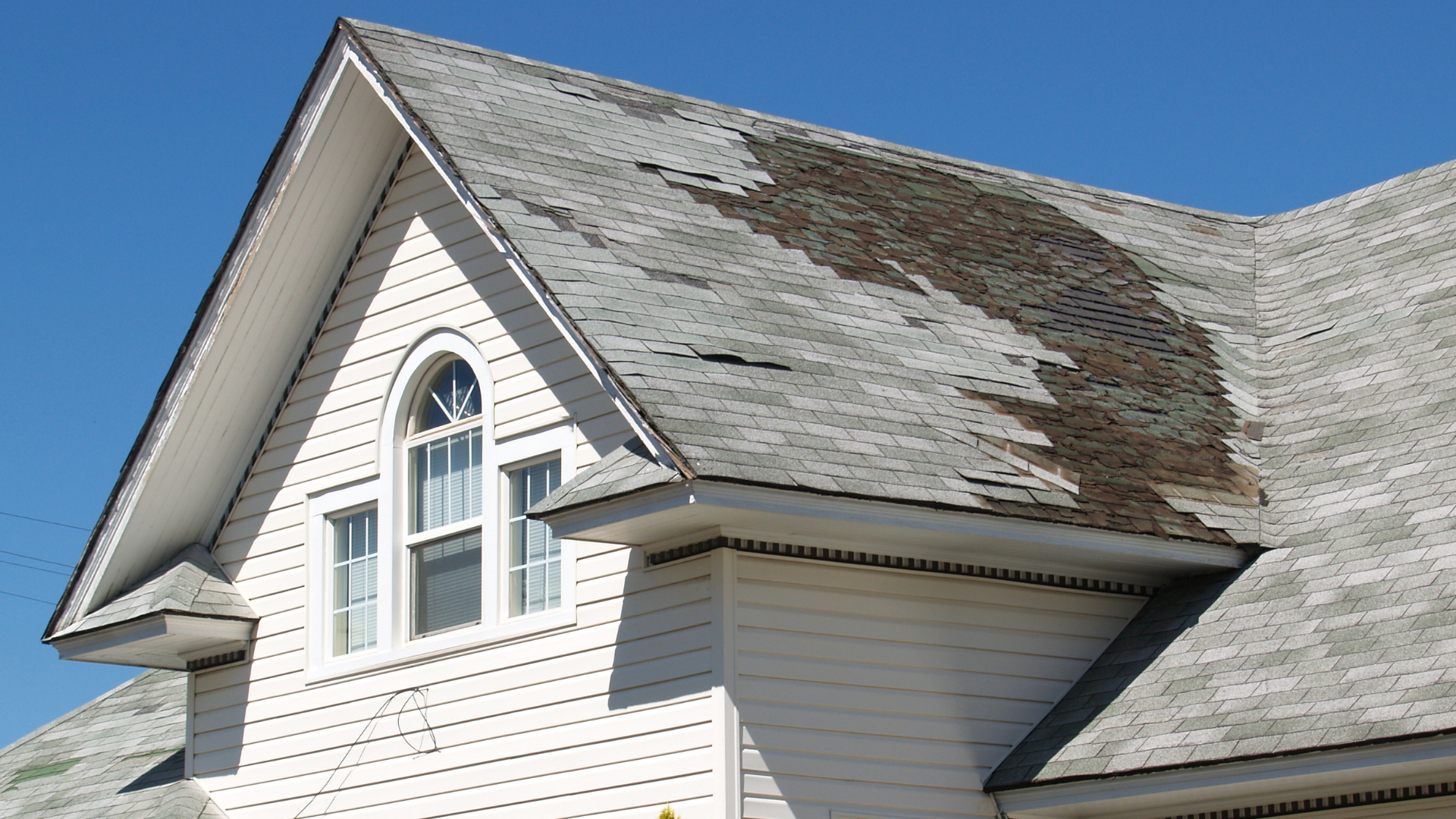
Shingle Appearance and Texture Changes
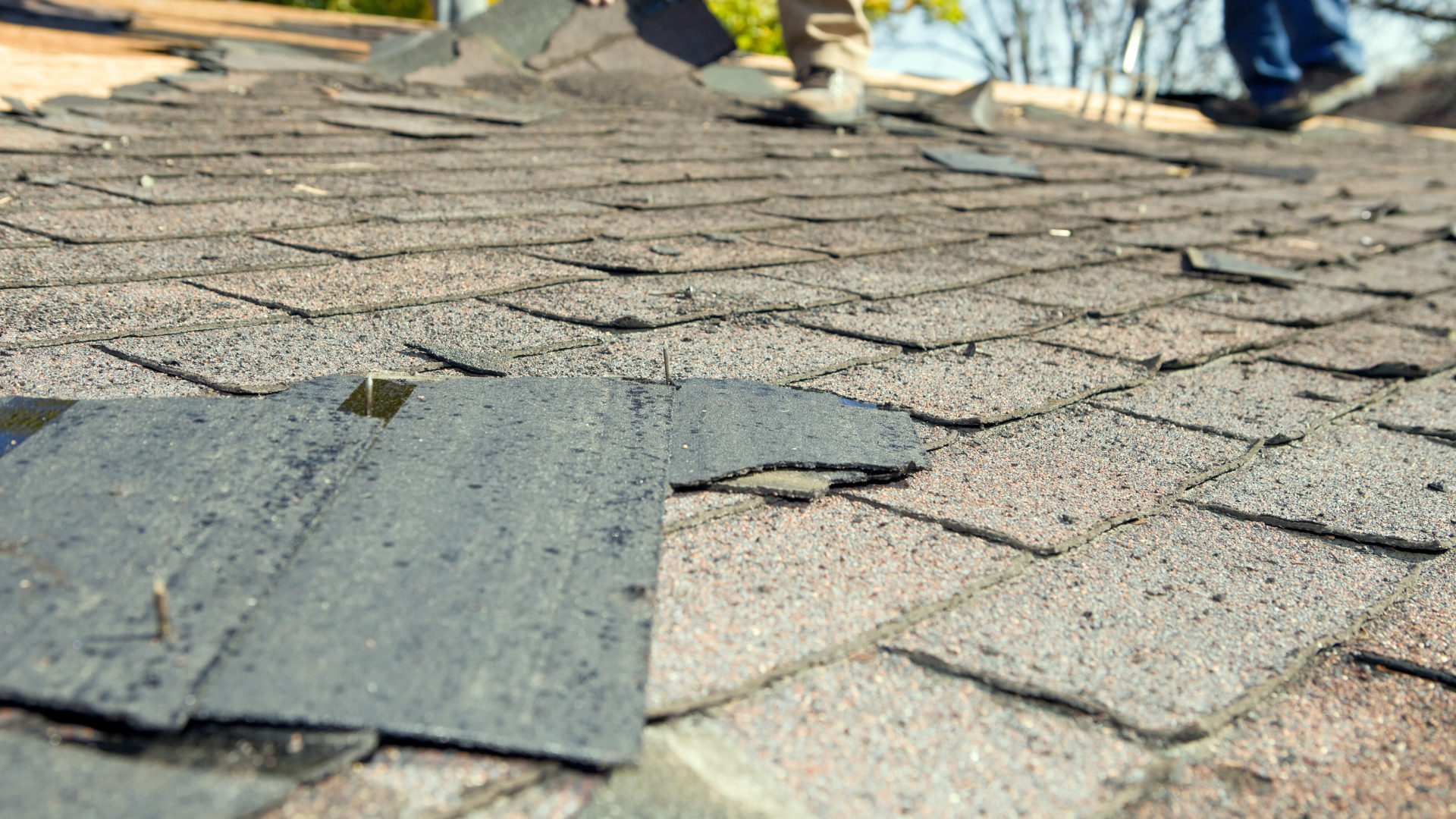
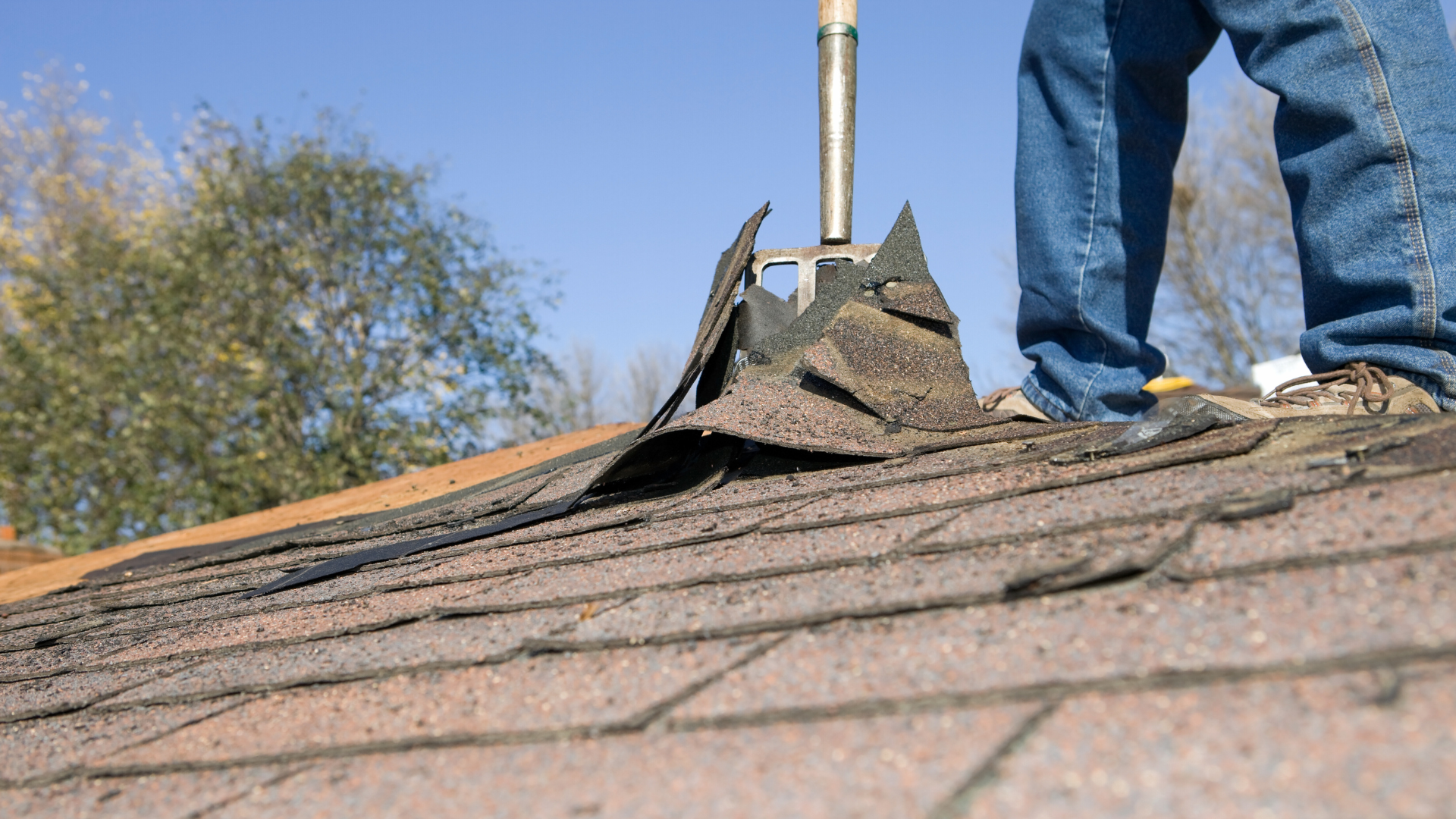
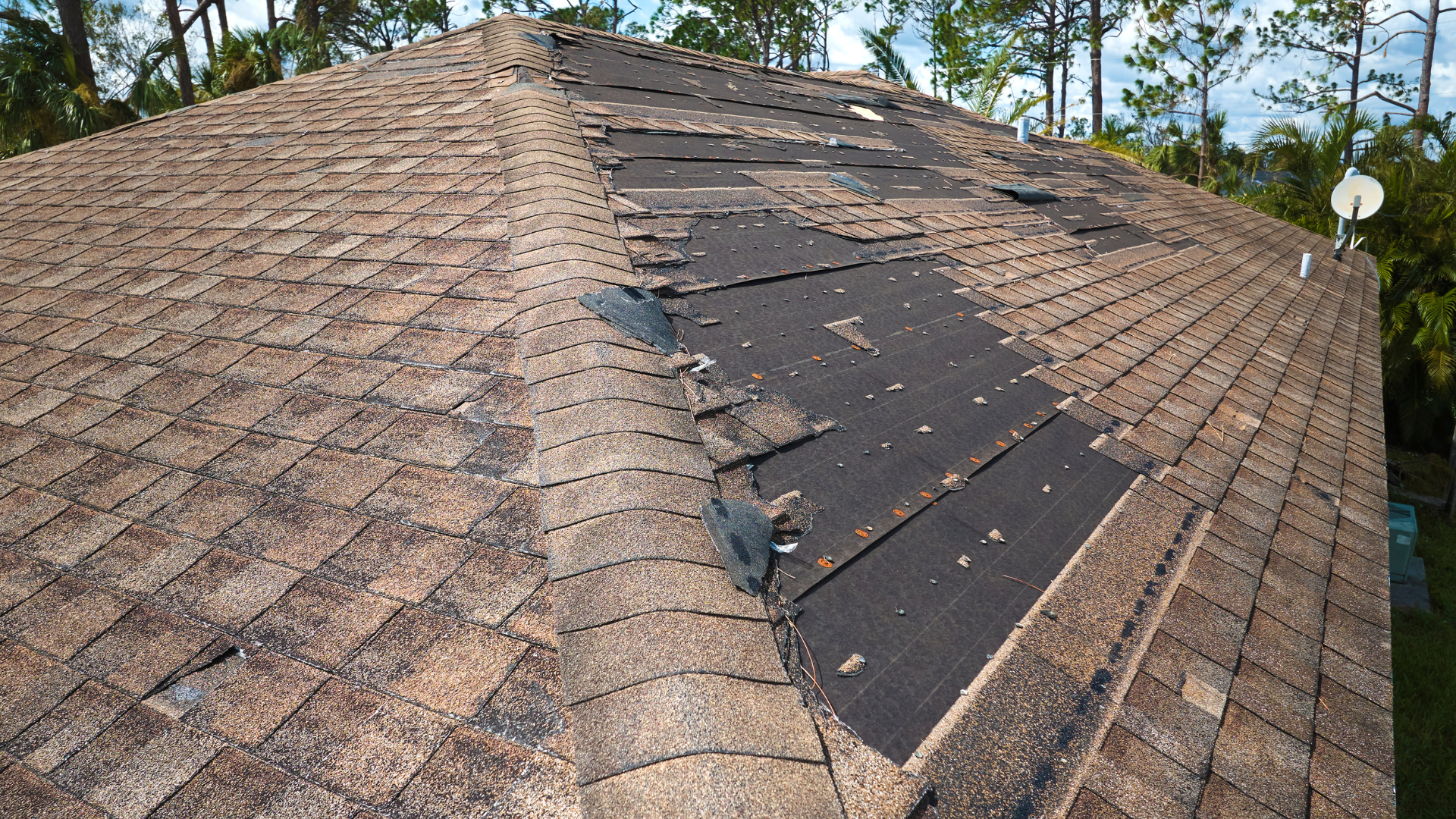
Visual inspection can reveal important clues. Shingles that appear curled, cracked, or uneven often indicate that the material is no longer flexible. Loss of granules is another warning sign. Granules protect shingles from ultraviolet exposure, and when they wash away, the roof becomes more vulnerable to accelerated aging.
Discoloration or inconsistent shading can also point to uneven wear across the roof surface, which may suggest that replacement is approaching.
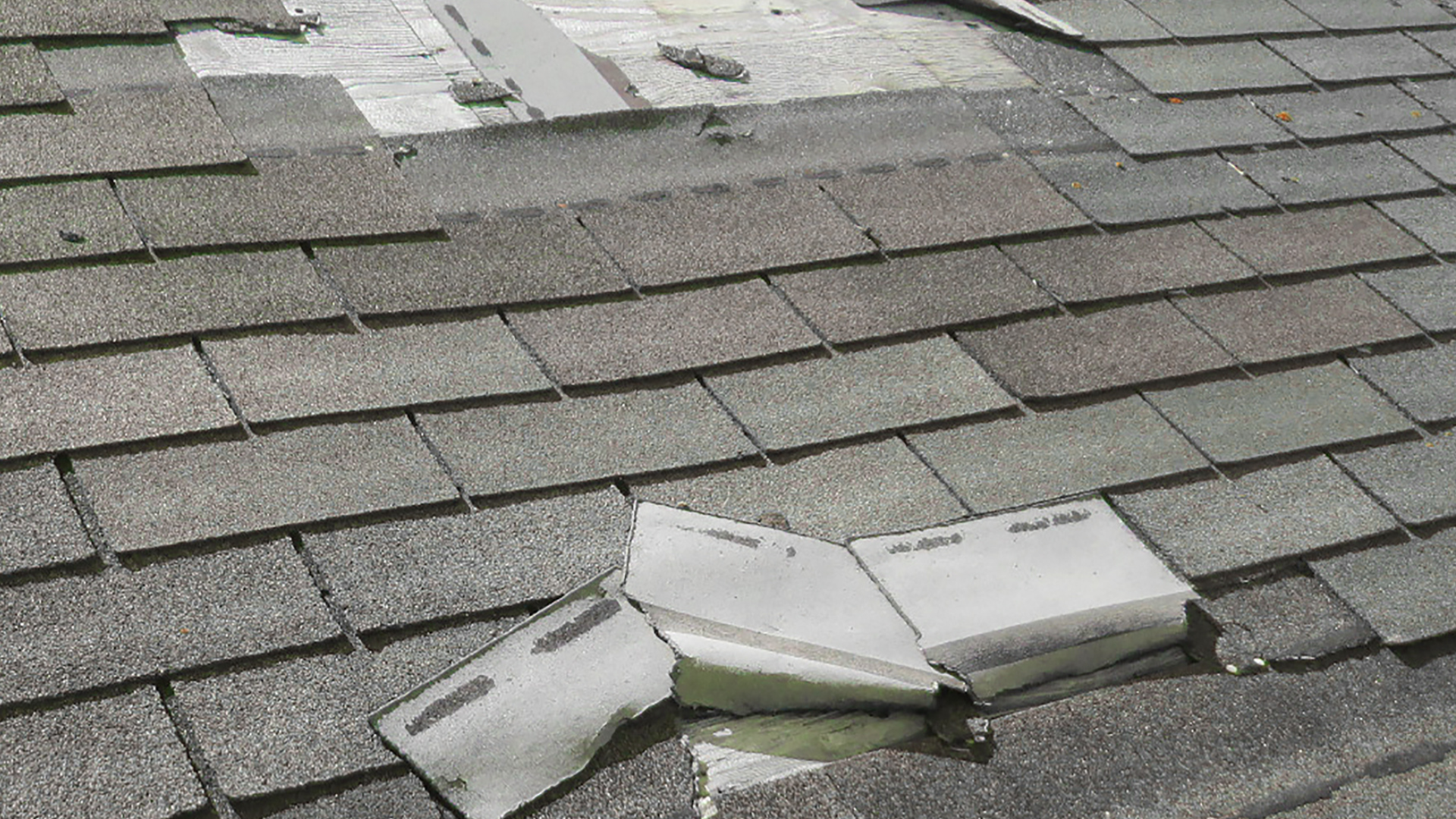
Repeated Issues Are a Red Flag
When roofing problems begin to occur repeatedly, it often signals that the system as a whole is nearing failure. Addressing isolated symptoms does not resolve the underlying deterioration of the roof structure and materials.
At a certain point, replacement becomes the most effective and predictable solution. A new roofing system addresses all components together, rather than attempting to manage ongoing issues individually.
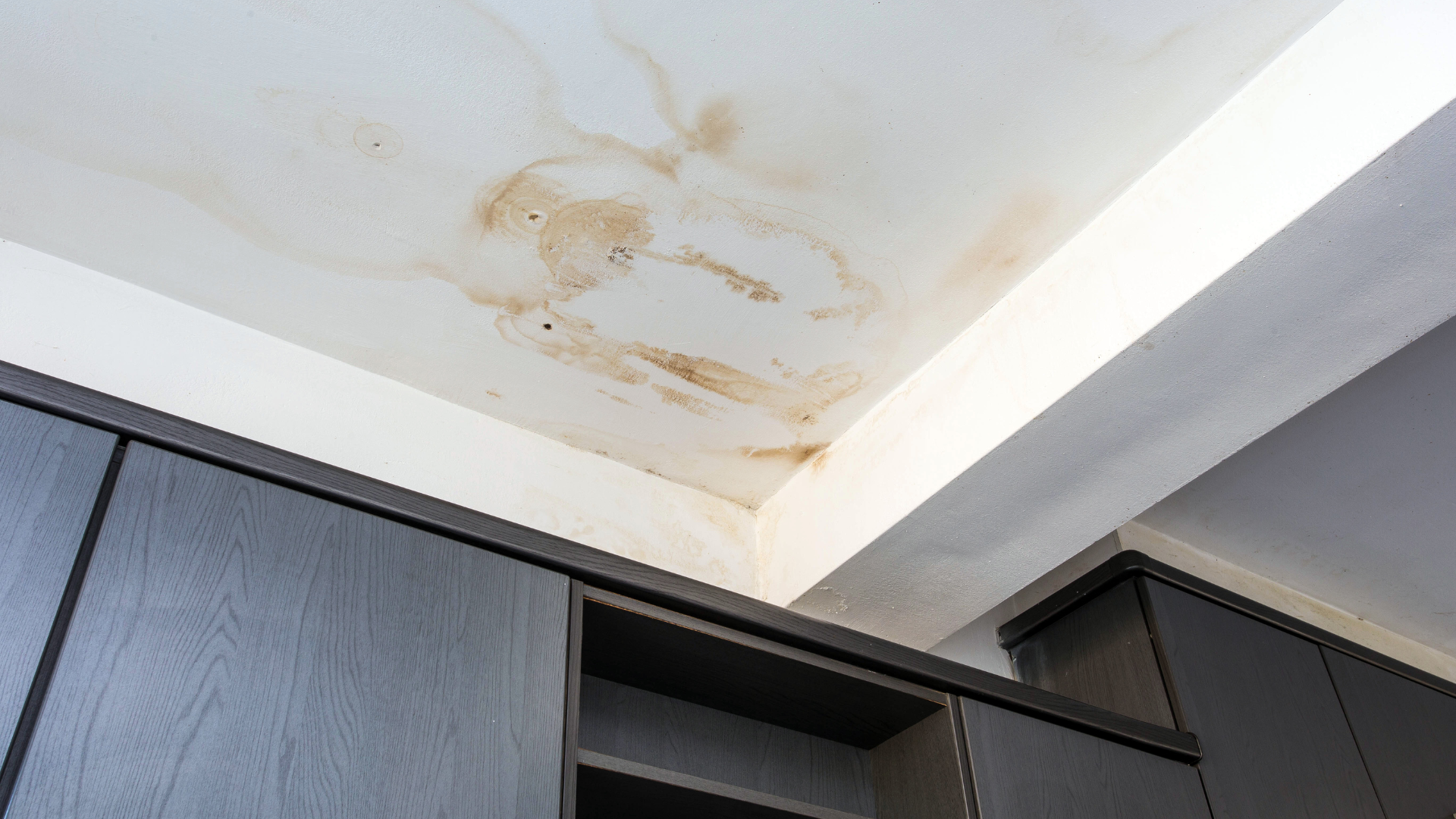
Interior Signs Should Not Be Ignored
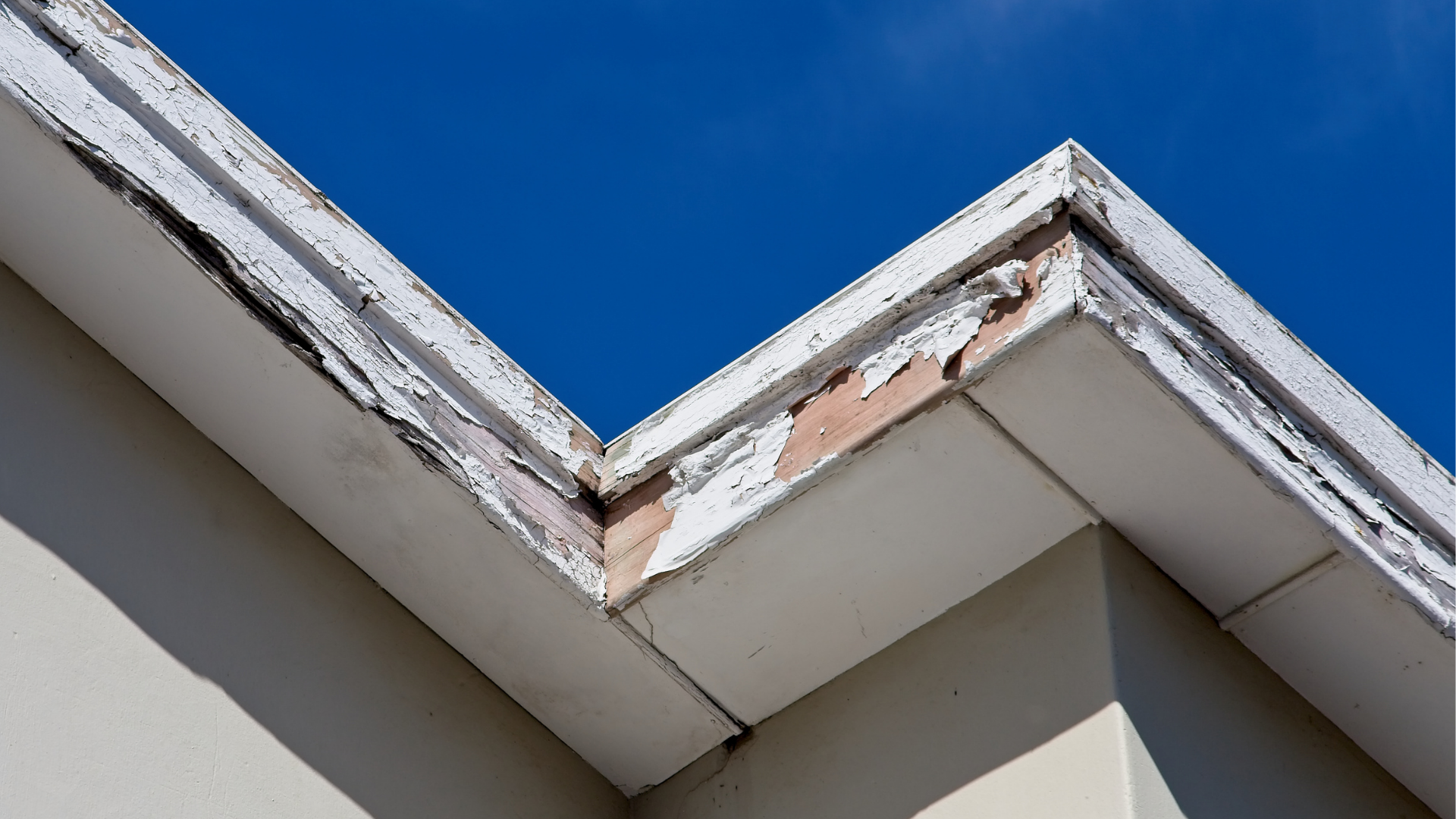
The condition of a roof is not always evident from the exterior alone. Staining on ceilings, peeling paint, or unexplained moisture inside the home may indicate that the roofing system is no longer providing a complete barrier.
Even minor interior signs deserve attention, as they can point to broader system failure that replacement is designed to resolve comprehensively.
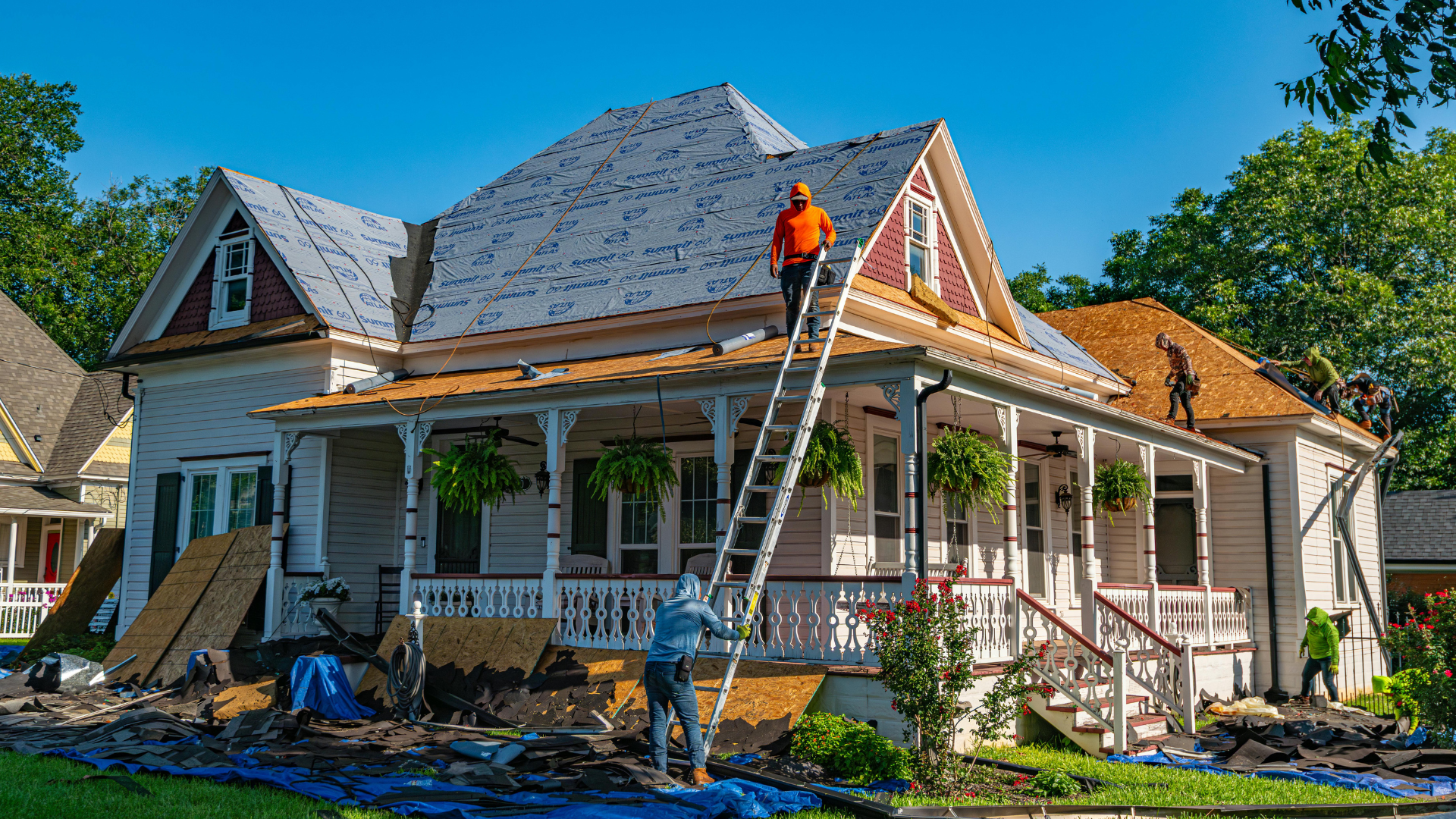
Structural and System Considerations
As roofs age, the integrity of underlayment, flashing, and ventilation components also declines. These elements play a critical role in managing moisture and airflow. When they fail, the roof may trap heat or allow moisture to accumulate, which can affect attic spaces and structural components.
A full replacement addresses these elements together, restoring the roof as a complete system rather than relying on partial solutions.
Planning Ahead Protects the Home
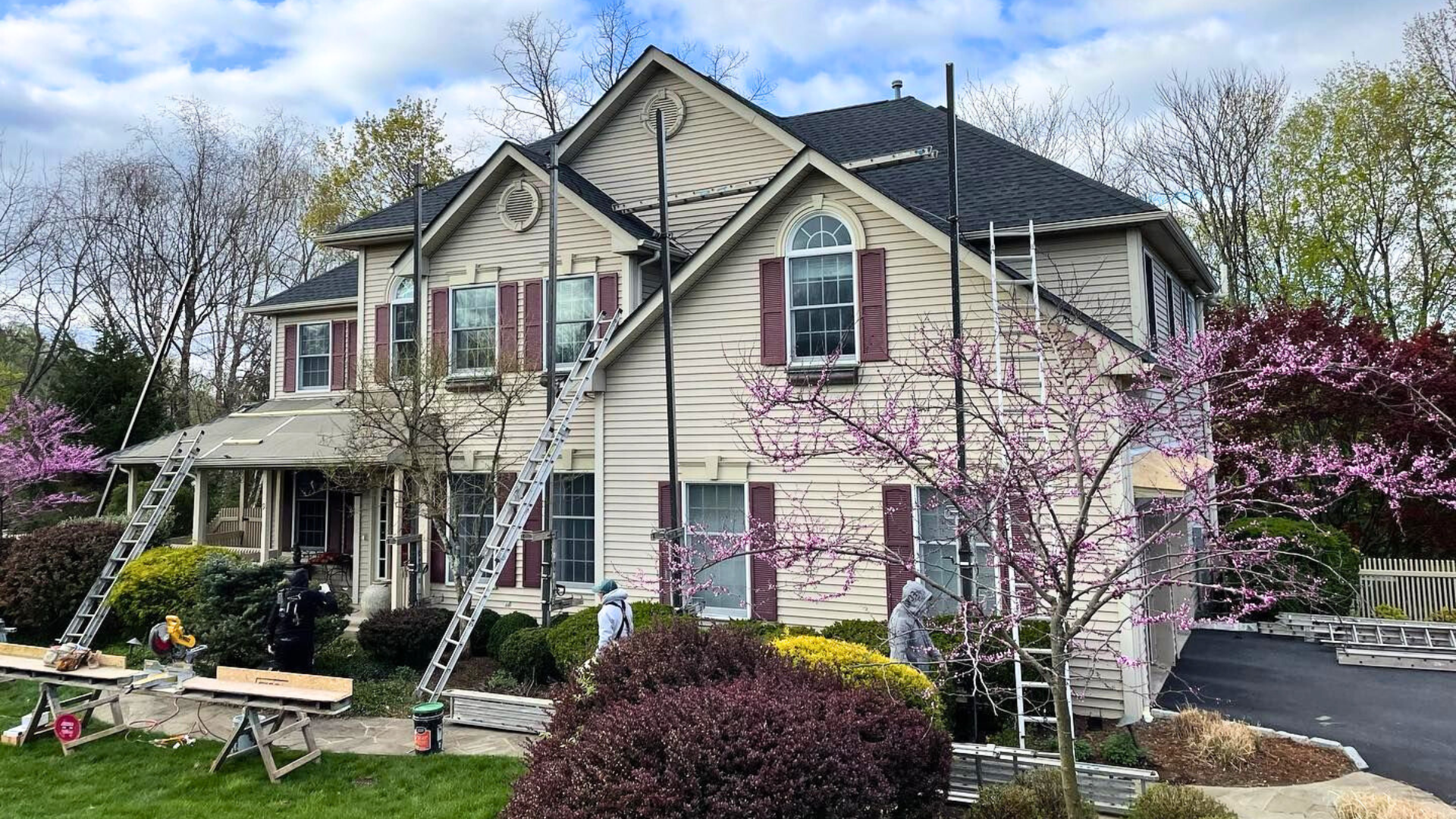
Waiting until a roof fails completely often limits options and increases stress. Planning a replacement before failure allows homeowners to make informed material selections, schedule work at a convenient time, and avoid secondary damage to the home.
Proactive replacement also helps protect interior finishes, insulation, and framing from avoidable exposure.
Why Replacement Is a Strategic Decision
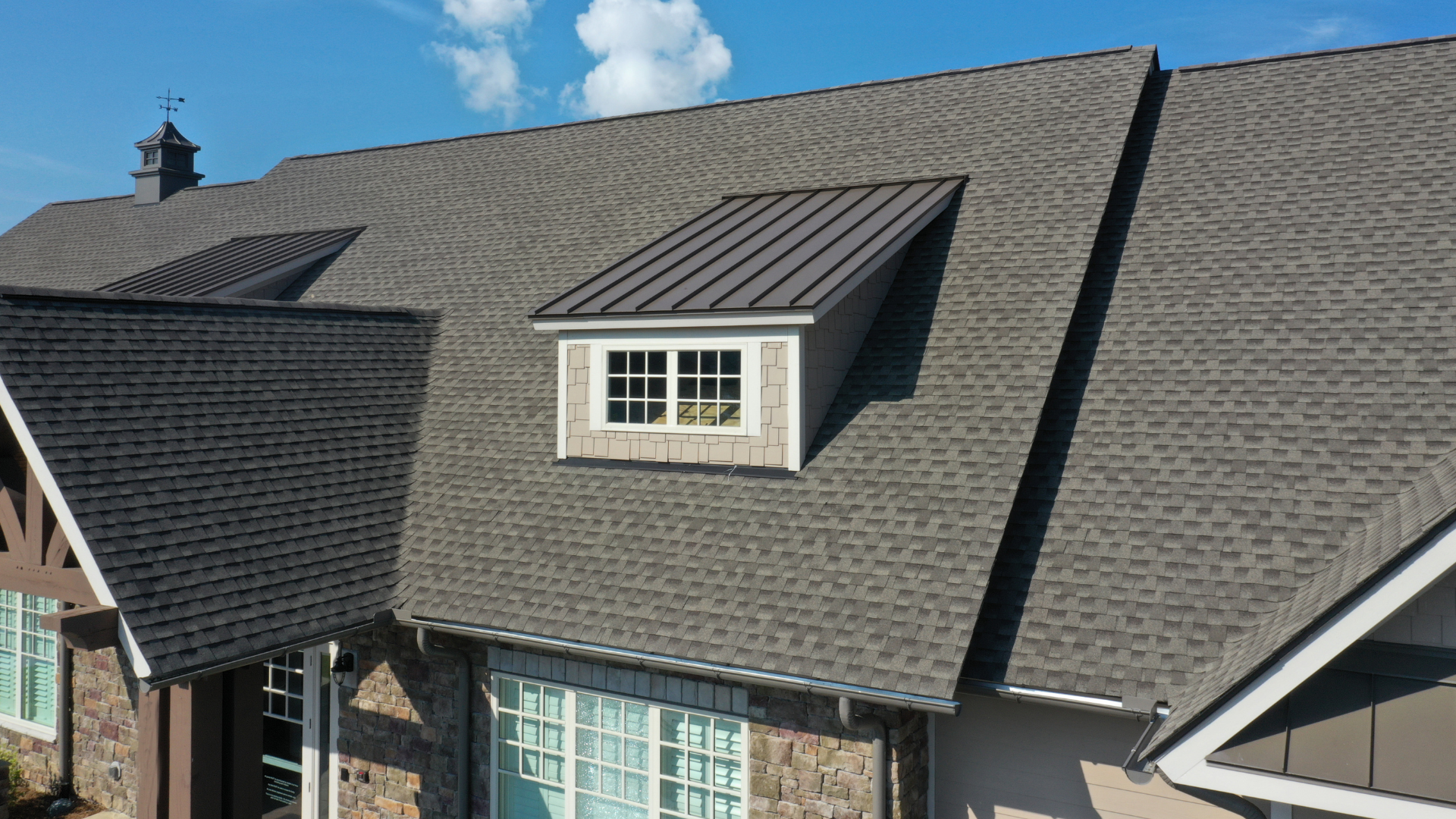
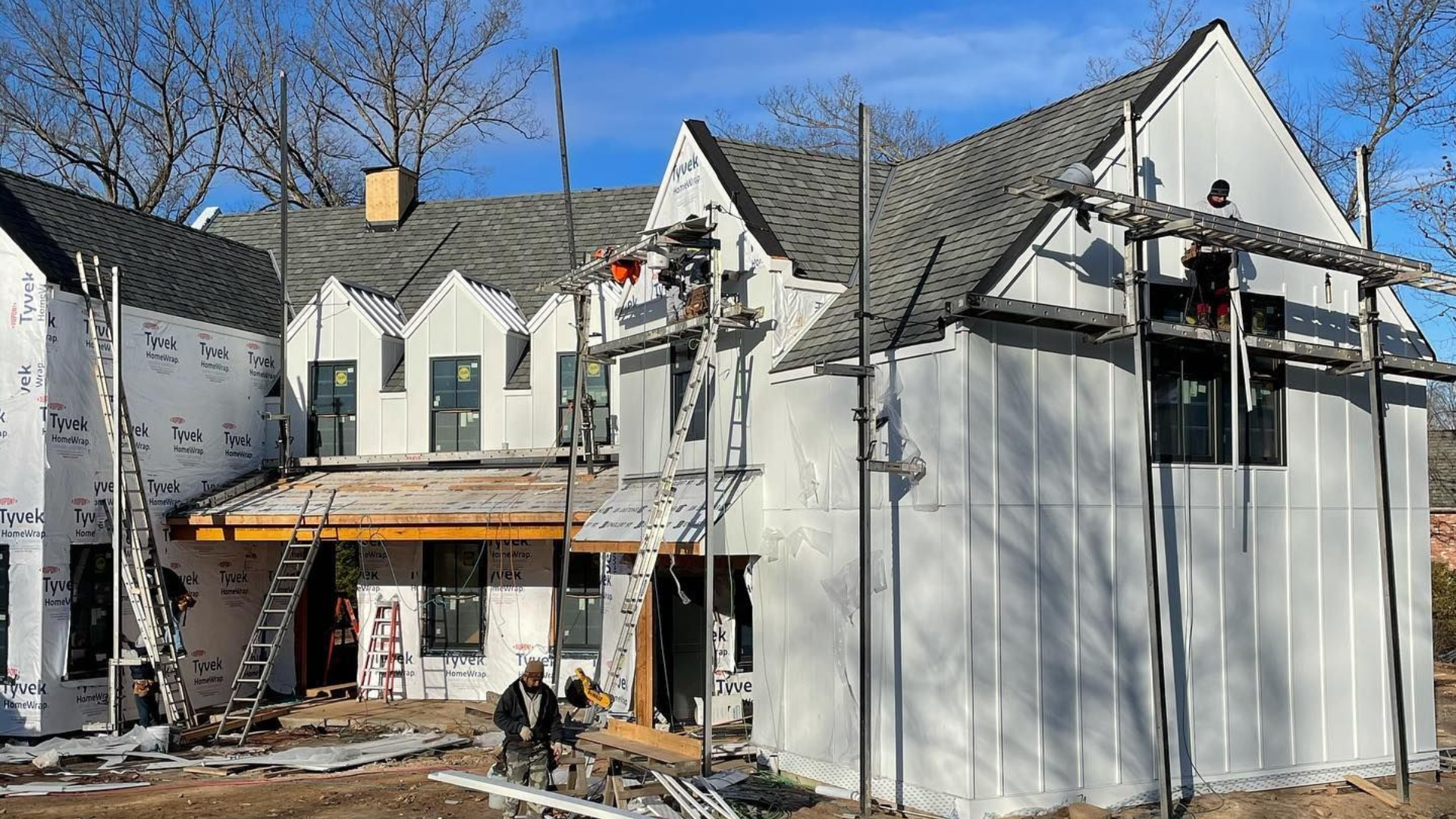
Replacing a roof is not just a response to visible damage. It is a strategic investment in the long term performance of the home. A properly installed replacement roof restores structural protection, improves consistency across the exterior, and provides predictable performance for years to come.
At Paese Construction, roof replacement is approached with a focus on system integrity and long term reliability. Identifying when a roof has reached the end of its service life allows homeowners to move forward with confidence, knowing their home is protected by a roofing system built to perform well into the future.