Why Attic Ventilation Becomes More Important During Hot Weather

June 9, 2026

Many homeowners focus on shingles, flashing, and gutters when thinking about roof performance, but one of the most important components of a roofing system is often hidden from view. Attic ventilation plays a critical role in protecting both the roof and the home itself, particularly during the summer months when temperatures begin to rise.


At  Paese Construction, we frequently help homeowners understand how proper ventilation supports long-term roof performance. While ventilation is important throughout the year, hot weather often highlights its value because of the stress that heat places on roofing materials and attic spaces.
What Is Attic Ventilation?

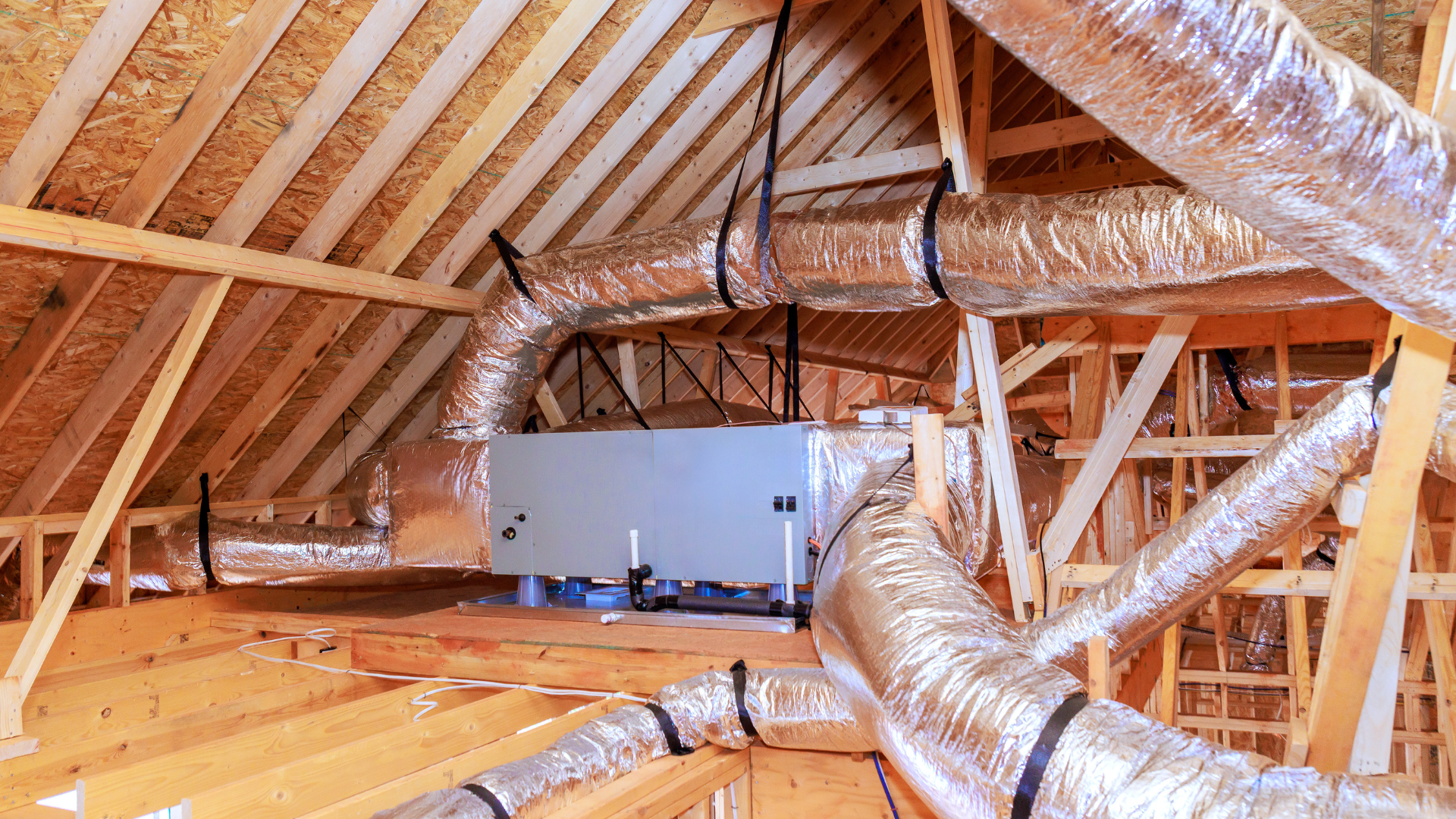
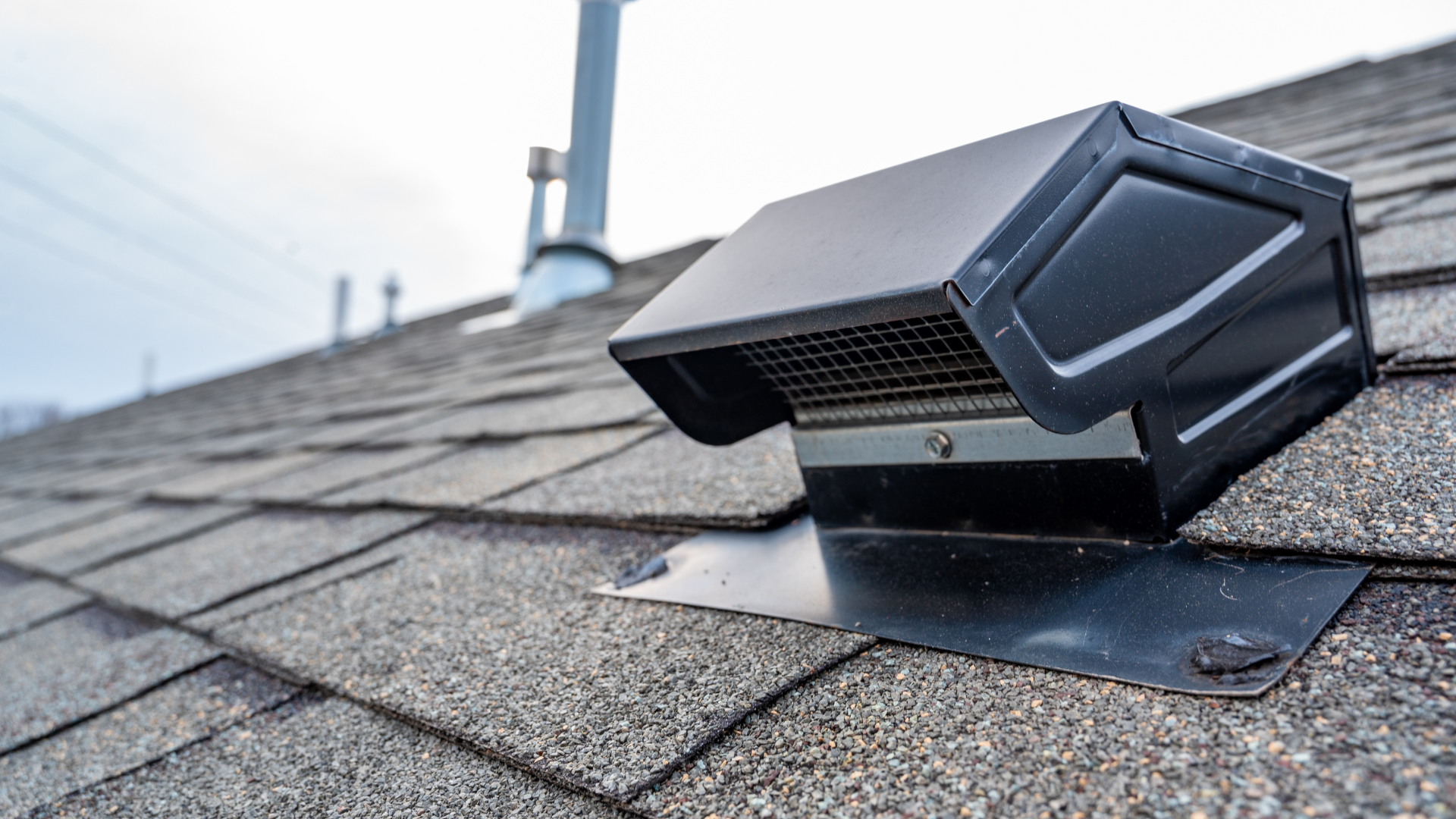
Attic ventilation refers to the system of intake and exhaust vents that allows air to move through the attic space. The goal is to create continuous airflow that helps remove excess heat and moisture from the area beneath the roof.


A properly ventilated attic typically allows cooler air to enter through lower intake vents while warmer air exits through exhaust vents located higher on the roof.


This ongoing air movement helps maintain a more balanced environment within the attic.
Summer Heat Can Build Up Quickly

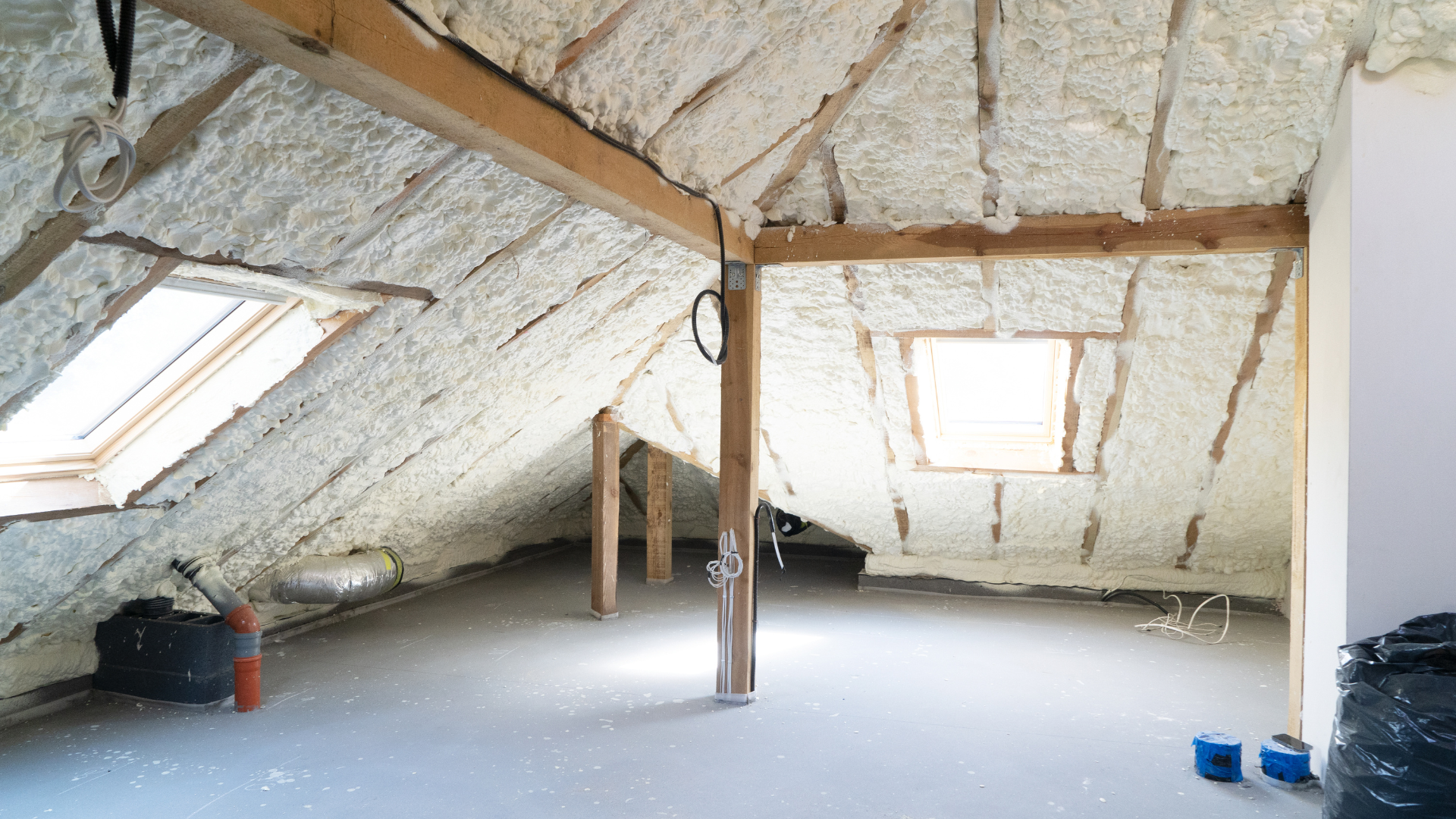
During the summer, roof surfaces absorb a tremendous amount of solar energy throughout the day. As the roof heats up, temperatures inside the attic can rise significantly.


Without adequate ventilation, heat may become trapped within the attic space for extended periods. This heat buildup places additional stress on the entire roofing system and can affect various components of the home.


Many homeowners are surprised to learn how hot an attic can become during a typical summer afternoon. Even when outdoor temperatures feel manageable, attic temperatures may climb substantially higher if airflow is limited.
Excessive Heat Can Accelerate Roof Aging

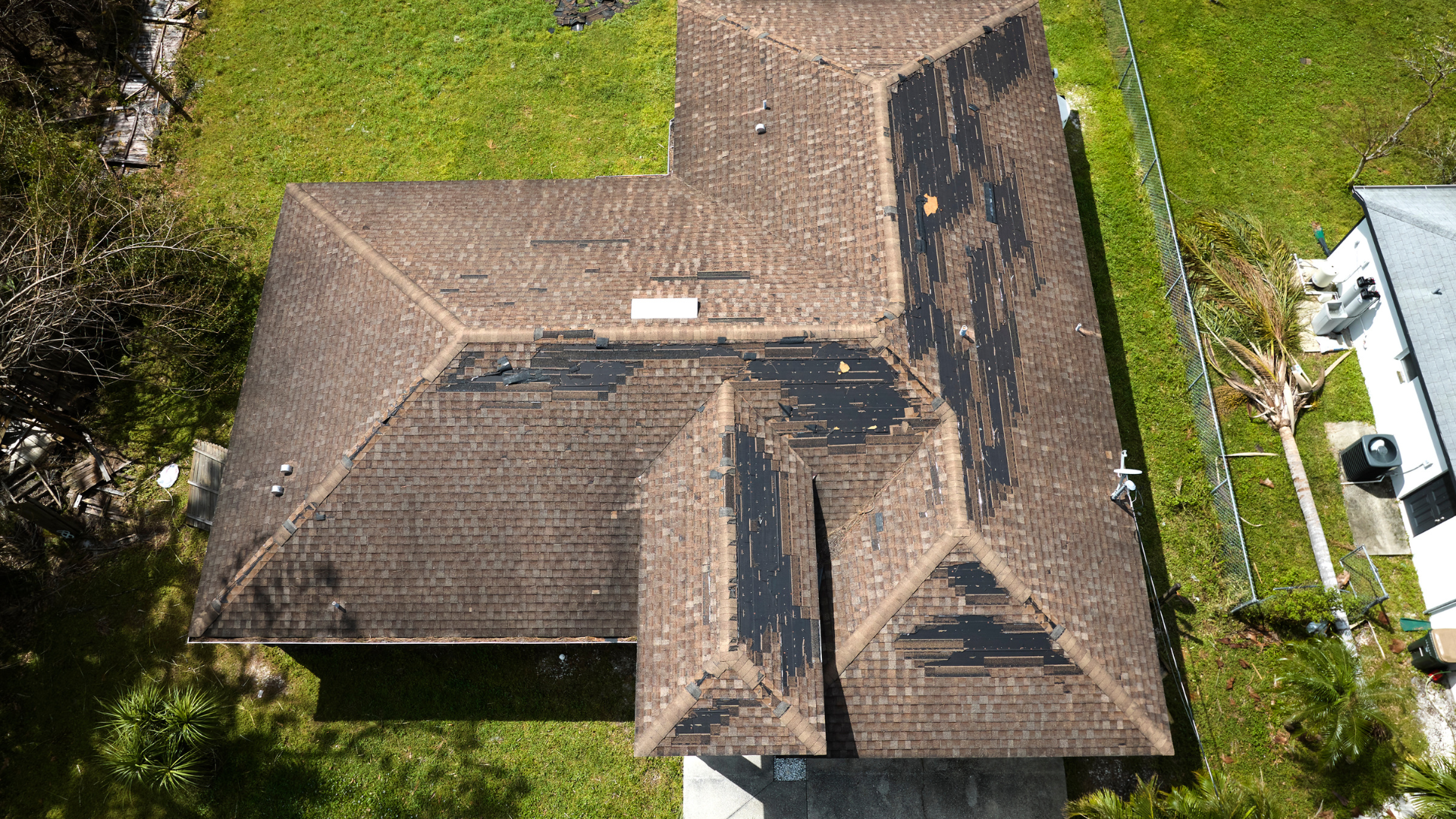
Roofing materials are designed to withstand environmental exposure, but prolonged heat can contribute to the natural aging process.


When attic temperatures remain elevated, roofing materials may experience additional thermal stress. Over time, this can contribute to wear that affects the roof’s long-term performance.


While every roofing system ages eventually, proper ventilation helps create conditions that support more balanced temperature management beneath the roof.


Because roof replacement is a significant investment, many homeowners appreciate the role ventilation plays in helping protect that investment over time.
Energy Efficiency May Be Affected

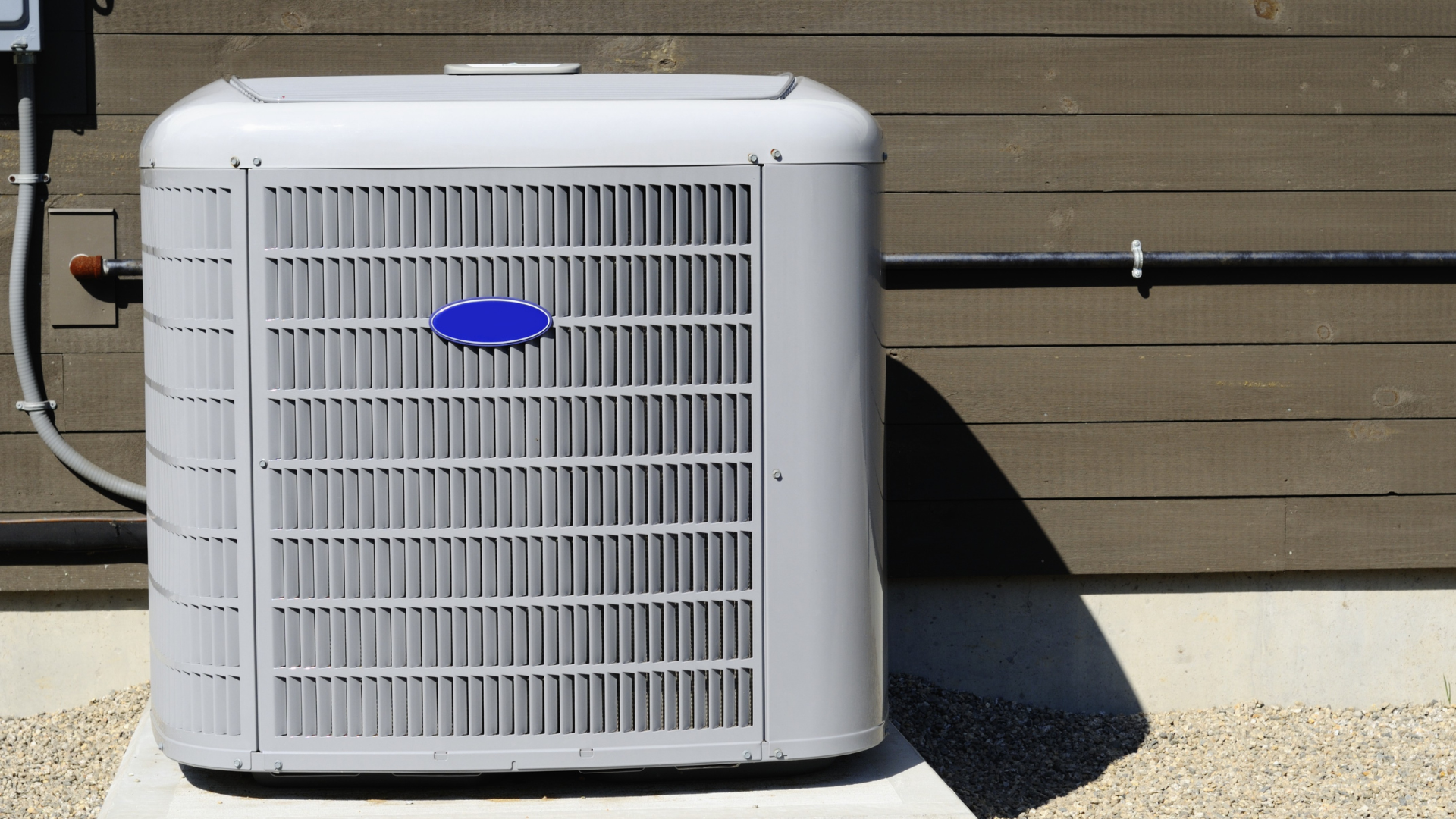
One of the most noticeable impacts of poor attic ventilation during summer is increased strain on a home’s cooling system, leading to higher energy bills.


When excessive heat accumulates in the attic, some of that heat can transfer downward into living spaces. As indoor temperatures rise, air conditioning systems may need to work harder to maintain comfortable conditions.


Although ventilation is only one factor affecting energy efficiency, maintaining proper airflow can help reduce unnecessary heat buildup within the home.


For many homeowners, improved attic ventilation supports a more comfortable indoor environment during the hottest months of the year.
Moisture Management Still Matters in Summer

Many people associate attic moisture concerns with winter conditions, but moisture management remains important throughout the year.


Activities inside the home generate moisture that can migrate into attic spaces. Combined with summer heat, trapped moisture may create conditions that are less than ideal for long-term building performance.


A properly functioning ventilation system helps remove excess moisture while promoting healthier airflow throughout the attic.


This dual role of heat and moisture management is one reason ventilation remains such an important part of overall roof system design.
Warning Signs of Ventilation Problems

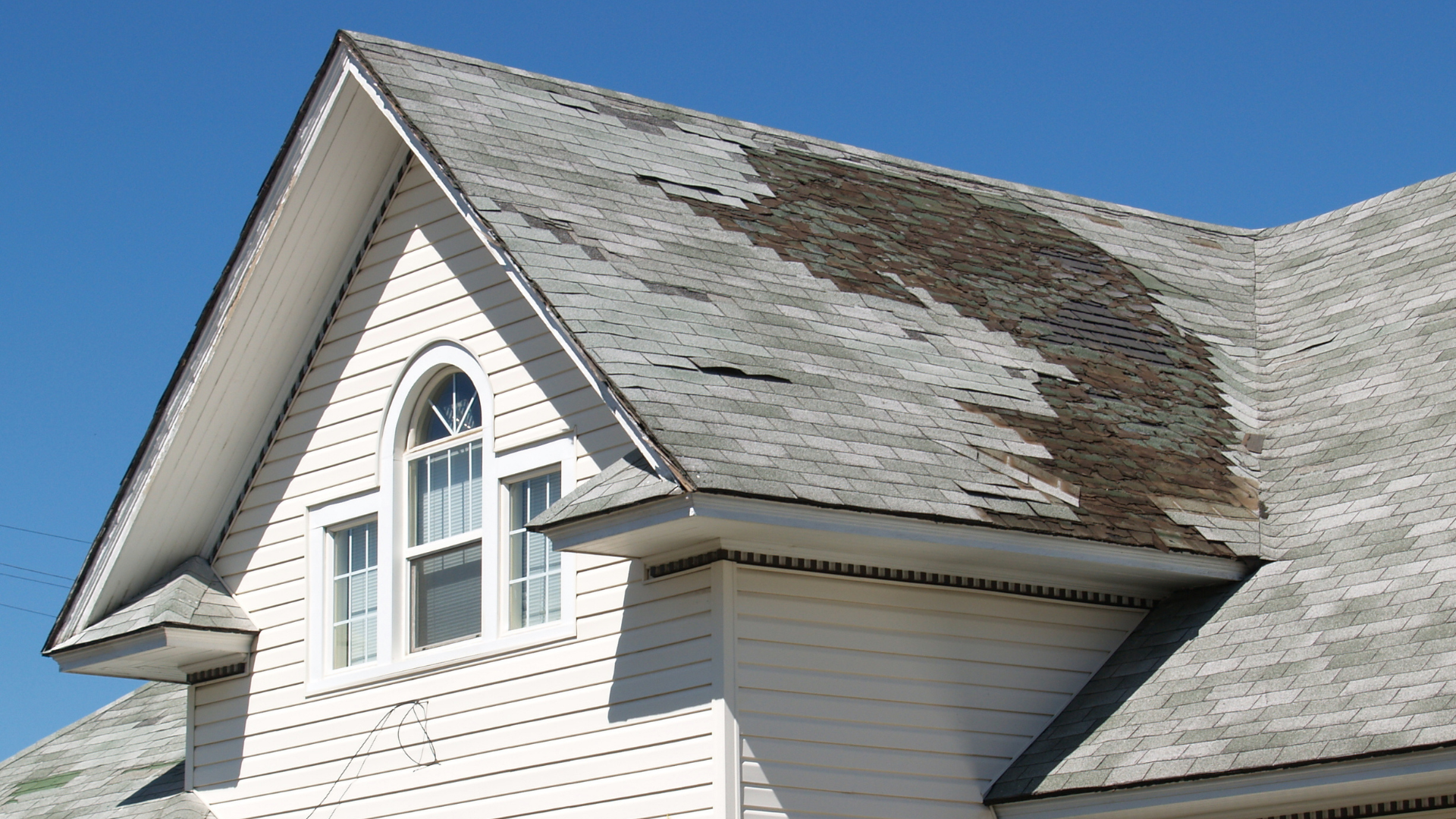
Ventilation issues are not always obvious, but some signs may indicate that an attic is not receiving adequate airflow.


Homeowners may notice:

  • Excessively hot attic conditions
  • Rising cooling costs
  • Uneven indoor temperatures
  • Premature roof aging
  • Persistent attic humidity


Because these symptoms may develop gradually, professional evaluations can help identify concerns before they contribute to larger issues.
Protecting Your Roof During the Summer

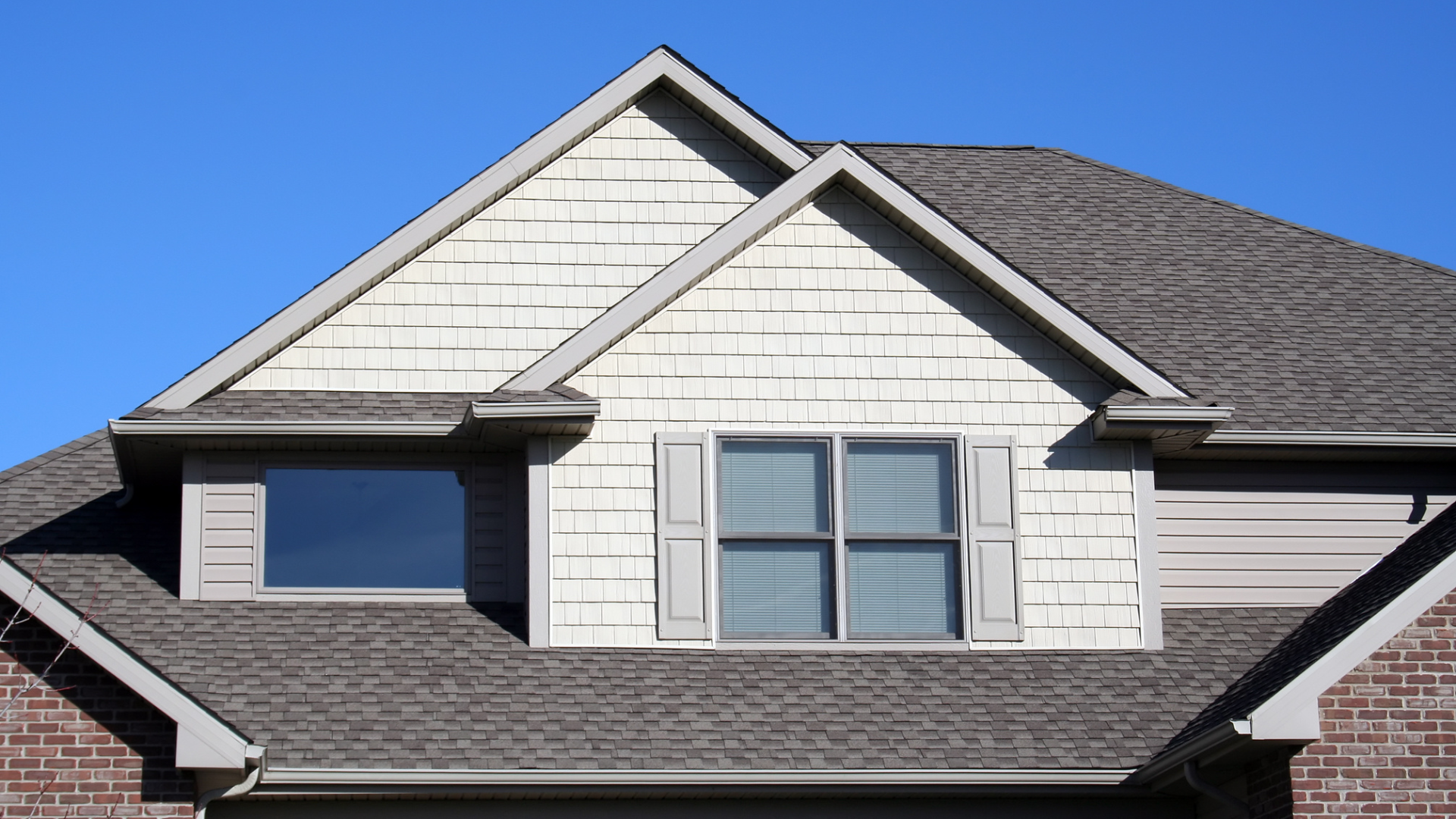
A roofing system is more than shingles alone. Proper ventilation works together with roofing materials, insulation, and structural components to support long-term performance.


At Paese Construction, we understand the importance of viewing the roof as a complete system. When evaluating roof replacement projects, ventilation considerations often play a key role in helping homeowners maximize durability and performance.


If you are considering a roof replacement or have concerns about your home’s ventilation, contact Paese Construction. Our team can help assess your roofing system and recommend solutions designed to protect your home throughout the hottest months of the year and beyond.
August 28, 2026
Choosing new siding is a major exterior decision because it affects appearance, durability, maintenance, and long-term protection. Homeowners often want a material that looks refined, stands up well to changing weather, and offers enough style options to complement the architecture of the house.  James Hardie siding has become a popular choice for replacement projects because it combines the look of traditional siding with the strength of fiber cement. Paese Construction works with premium exterior materials such as James Hardie to help homeowners create durable, attractive exteriors designed for long-term performance.
August 23, 2026
When homeowners think about roofing, shingles usually get most of the attention. They are the most visible part of the system, and they play an important role in protecting the home from the elements. However, some of the most critical roofing components are far less noticeable. Flashing is one of them.  Roof flashing is installed around vulnerable areas where water is more likely to enter, such as chimneys, skylights, valleys, vent pipes, and roof-to-wall intersections. When installed correctly, flashing helps direct water away from these areas and into the normal drainage path of the roof. When it fails, even a relatively small weakness can allow moisture to penetrate the roofing system and damage the materials below.
August 18, 2026
Every season brings unique challenges for your home’s exterior. From heavy spring rains and summer heat to autumn leaves and winter snow, your roof, siding, gutters, and trim work together year-round to protect everything inside your home. While no exterior can remain maintenance-free forever, a proactive approach can help identify small issues before they become costly repairs.  By preparing your home throughout the year, you can help maximize the lifespan of your roofing system and exterior materials while protecting one of your most valuable assets.
August 7, 2026
When planning exterior improvements, many homeowners focus on one project at a time. While there are situations where that approach makes sense, replacing both the roof and siding during the same renovation can offer significant advantages. Because these two systems work together to protect your home from the elements, coordinating their replacement can create a more cohesive, durable, and visually appealing exterior.  For homeowners whose roof and siding are both showing signs of age, combining the projects may be worth considering as part of a long-term investment in the home.
July 29, 2026
When homeowners think about improving their home’s exterior, the roof and siding often receive the most attention. While these are essential components, one important detail is frequently overlooked: exterior trim. The trim surrounding windows, doors, rooflines, corners, and other architectural features provides the finishing touch that ties the entire exterior together.  High-quality exterior trim not only enhances curb appeal but also helps protect your home from the elements while complementing premium roofing and siding materials.
July 15, 2026
When homeowners think about protecting their homes from the elements, the roof is usually the first thing that comes to mind. While a quality roof is one of the most important components of any home, it is only one part of a much larger system. Your siding, trim, gutters, flashing, and other exterior elements all work together to defend your home against rain, wind, snow, temperature changes, and moisture.  Understanding how these systems function together can help homeowners make informed decisions about exterior improvements that provide long-term protection and value.
July 8, 2026
For most homeowners, their house is the largest investment they will ever make . Protecting that investment involves much more than routine maintenance or occasional repairs. The materials used on a home’s exterior play a critical role in defending it against weather, moisture, temperature changes, and the natural effects of aging.  While it can be tempting to compare roofing and siding products based primarily on price, the quality of the materials installed often has a significant impact on long-term performance, durability, and overall value. Investing in premium exterior products can help homeowners enjoy greater peace of mind while preserving both the appearance and integrity of their property.
June 30, 2026
Most homeowners rarely think about their roof until something goes wrong. A leak appears after a storm, shingles begin to deteriorate, or an inspection reveals signs of aging. Yet every day, without much notice, your roof performs one of the most important jobs in protecting your home.  From the moment the sun rises until long after it sets, your roof quietly shields your family, belongings, and the structure itself from the elements. It withstands changing weather, seasonal temperature swings, and years of exposure while asking for very little in return. Understanding the silent work your roof performs can help homeowners appreciate why regular inspections and timely roof replacement are such valuable investments.
June 25, 2026
When people think about home maintenance, they often focus on major systems such as the roof, HVAC equipment, plumbing, or electrical components. While these elements are certainly important, first impressions are usually shaped by something much simpler: appearance.  Whether welcoming guests, attracting potential buyers, or simply taking pride in homeownership, many people can quickly recognize a home that appears well cared for. Interestingly, this impression is rarely created by one dramatic feature. Instead, it is the result of many small details working together to communicate that the property receives consistent attention. So what exactly makes a home look well-maintained?
June 17, 2026
When homeowners hear the term “ roof replacement ,” they often picture stacks of shingles being removed and replaced. While shingles are certainly one of the most visible components of a roofing system, a successful roof replacement involves much more than simply installing new roofing material.  A roof is a complex system designed to protect the entire home from weather, moisture, temperature fluctuations, and environmental exposure. When it comes time for a replacement, the project is not just about improving appearance. It is about restoring and strengthening one of the most important protective systems a home has. Understanding what goes into a modern roof replacement can help homeowners appreciate the value of investing in quality workmanship and materials.