The Importance of Proper Ventilation When Completing a Full Roof Replacement

December 2, 2025

A full roof replacement offers homeowners the opportunity to strengthen the performance, durability, and efficiency of their homes. While many people focus primarily on the shingle material or the aesthetic transformation, one of the most important components of a successful roof replacement is proper ventilation. Ventilation plays a central role in the long term health of the roof structure, the comfort of the living space, and the overall lifespan of the new roofing system. When we complete a roof replacement, ventilation is never an afterthought. It is a fundamental part of the installation process that ensures the entire system performs as it should.
Why Ventilation Matters During a Roof Replacement

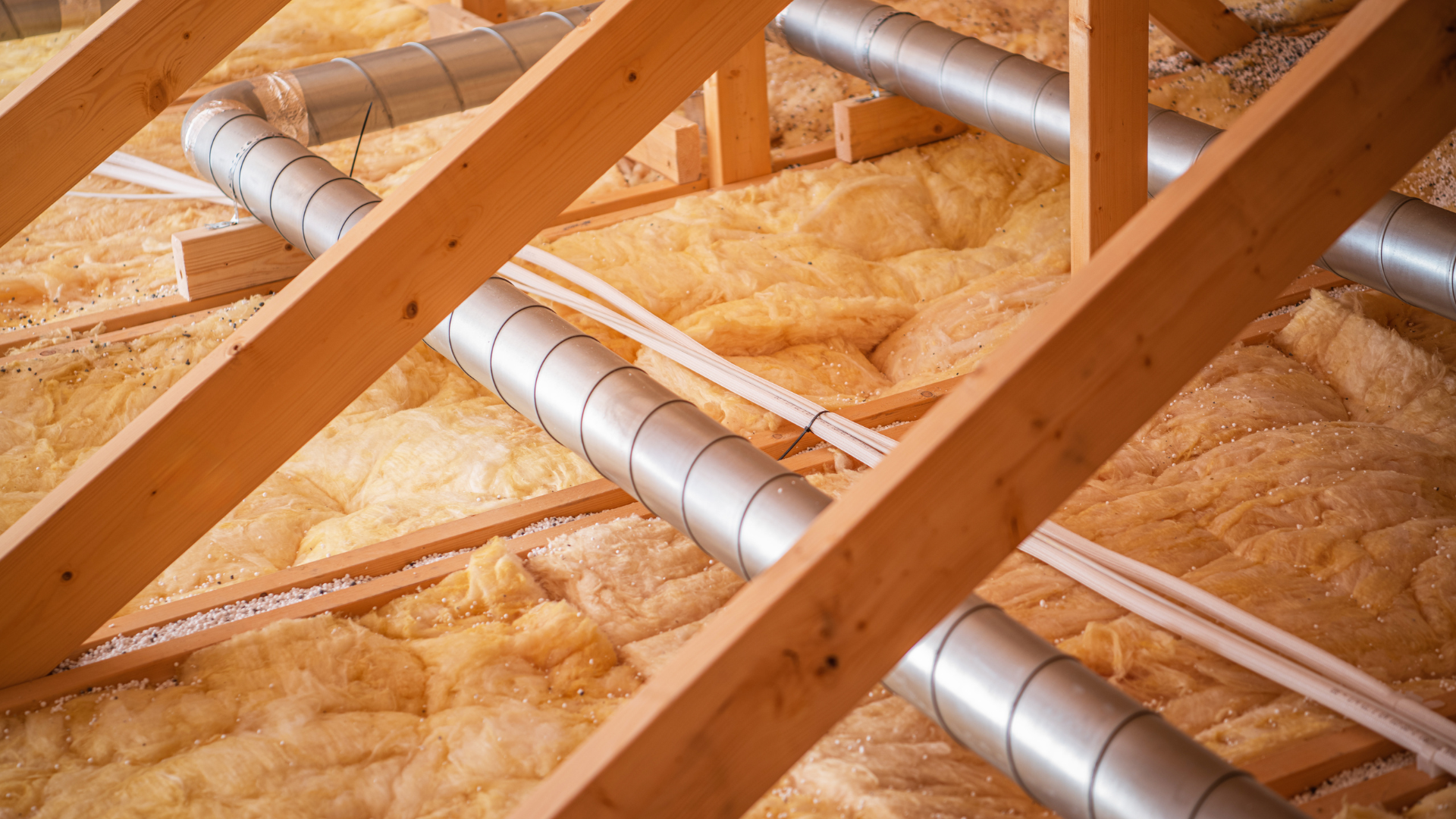
A roofing system functions best when air flows effectively through the attic. Without proper ventilation, heat and moisture build up inside the attic space, which can create a range of problems for both the roof and the home. Warm air naturally rises, and if it cannot escape, it becomes trapped under the roof deck. This trapped heat can prematurely age roofing materials by causing shingles to warp, curl, or lose granules more quickly than they should.


Moisture is another concern. Everyday household activities such as cooking, showering, and laundry produce moisture that travels upward. When this moisture enters the attic and cannot escape, it may condense on the roof deck and insulation. Over time, this moisture can weaken wood structures, reduce insulation effectiveness, and create an environment where mold may thrive. Proper ventilation helps remove excess heat and moisture, ensuring the new roof remains in optimal condition.
The Role of Intake and Exhaust Systems

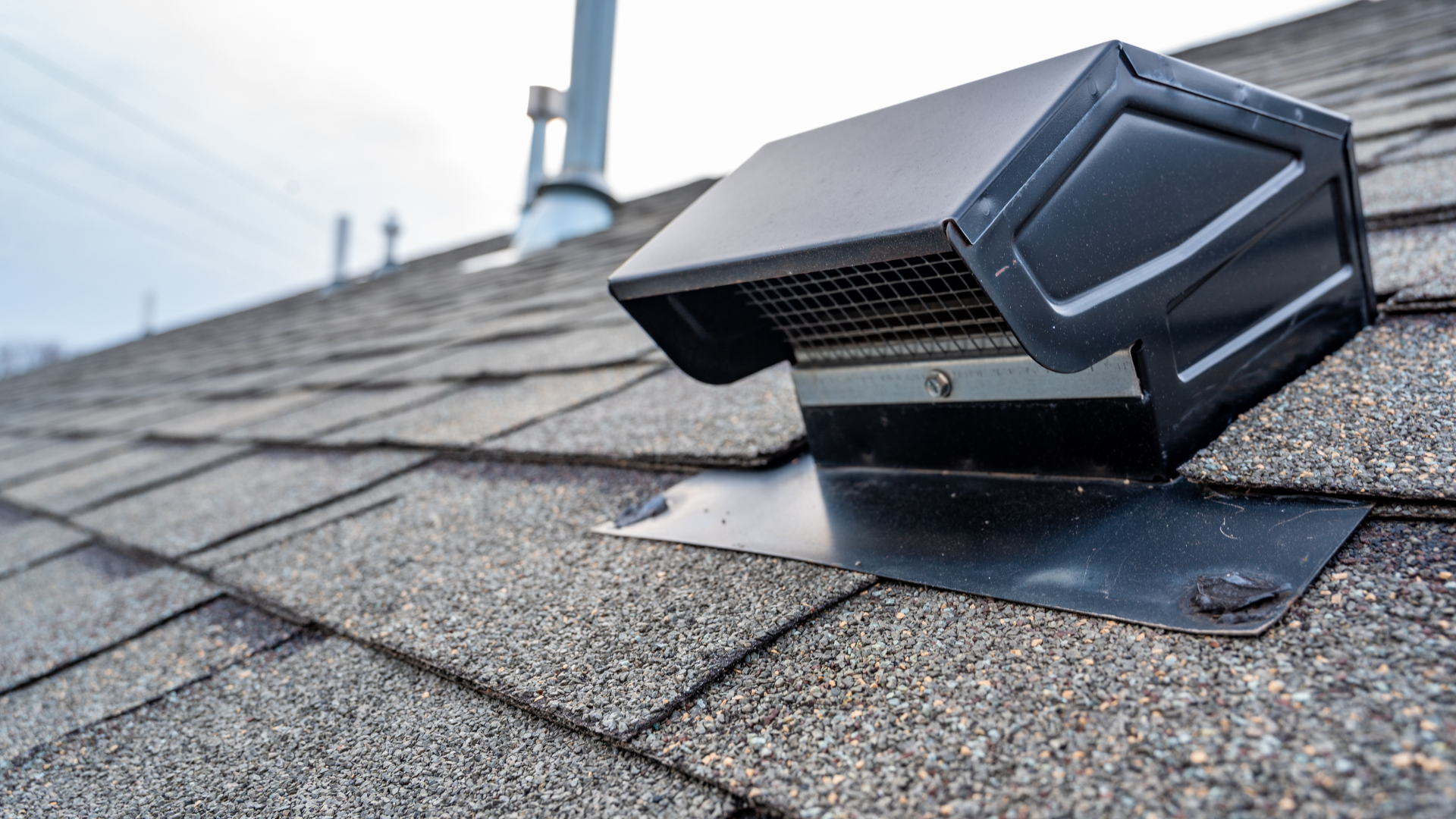
Effective ventilation requires balance. Air must enter and exit the attic in a controlled and consistent manner. This balance is achieved through a combination of intake vents and exhaust vents. Intake vents, often located in the soffits, allow fresh air to enter the attic. Exhaust vents, located near the ridge, allow warm air to escape.


During a roof replacement, we evaluate the existing ventilation system to determine whether it meets the needs of the home. Many older roofs have inadequate ventilation, either because older building practices did not prioritize it or because vents have become blocked or damaged over time. A full replacement gives us the opportunity to correct these issues and install a properly balanced system that supports the new roofing materials.
How Ventilation Extends the Life of High End Roofing Materials

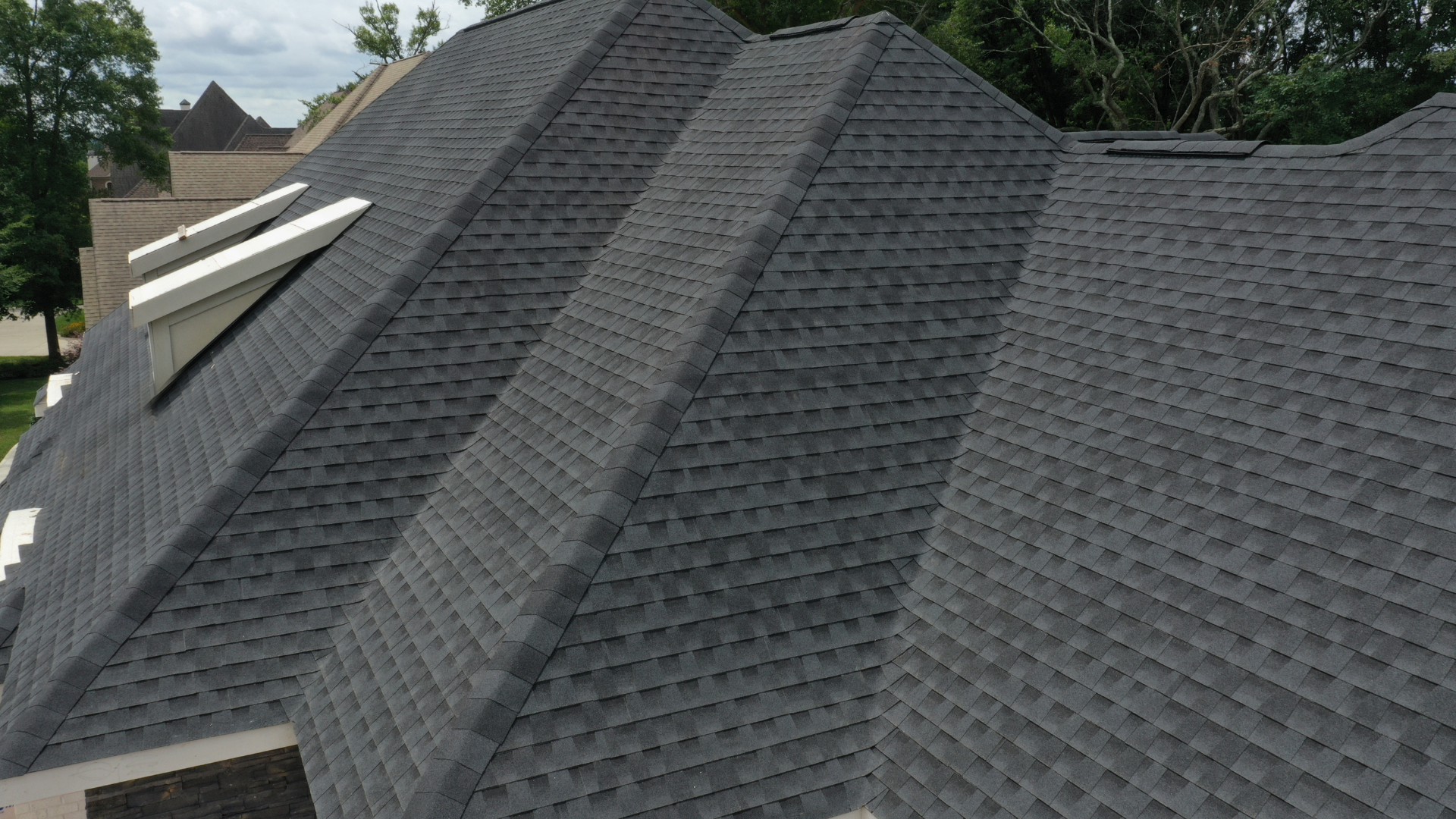
High end shingles and roofing products are designed to deliver superior performance, but they depend on proper ventilation to achieve their full lifespan. Excessive heat can shorten the life expectancy of even the highest quality shingles. Proper airflow reduces thermal stress and helps the roof remain structurally sound over time.


Ventilation also supports the performance of underlayment products, attic insulation, and other premium materials used in a full roof replacement. When heat and moisture are controlled, the entire roofing assembly functions more efficiently, which translates into better long term value for the homeowner.
Improving Home Comfort and Energy Efficiency

Proper ventilation does more than protect the roof. It also contributes to a more comfortable living environment. When heat becomes trapped in the attic, it radiates downward into the home, increasing indoor temperatures. This forces cooling systems to work harder, especially during the summer months. By allowing hot air to escape naturally, ventilation helps maintain more consistent indoor temperatures and may reduce the strain on cooling equipment.


During colder months, ventilation helps prevent the formation of ice dams by keeping the roof surface at a stable temperature. When warm attic air melts snow unevenly, water can refreeze at the edges of the roof and create blockages. Proper ventilation helps reduce this risk by promoting a uniform roof surface temperature.
A Complete Roofing System Built to Last

A full roof replacement provides more than a new exterior surface. It allows homeowners to strengthen the structure, efficiency, and durability of their homes through proper ventilation planning. We ensure that the ventilation system is carefully evaluated and tailored to the needs of the home, creating a roofing system that protects, enhances comfort, and supports long term performance.


Building Better Roofs Through Better Ventilation

Proper ventilation is an essential part of a high quality roof replacement. By promoting airflow, controlling heat, and reducing moisture buildup, ventilation plays a significant role in extending the life of the roofing system and improving overall home efficiency. When we complete a roof replacement, we integrate balanced ventilation into every project so that homeowners receive a roofing system that is built to perform and built to last.
August 28, 2026
Choosing new siding is a major exterior decision because it affects appearance, durability, maintenance, and long-term protection. Homeowners often want a material that looks refined, stands up well to changing weather, and offers enough style options to complement the architecture of the house.  James Hardie siding has become a popular choice for replacement projects because it combines the look of traditional siding with the strength of fiber cement. Paese Construction works with premium exterior materials such as James Hardie to help homeowners create durable, attractive exteriors designed for long-term performance.
August 23, 2026
When homeowners think about roofing, shingles usually get most of the attention. They are the most visible part of the system, and they play an important role in protecting the home from the elements. However, some of the most critical roofing components are far less noticeable. Flashing is one of them.  Roof flashing is installed around vulnerable areas where water is more likely to enter, such as chimneys, skylights, valleys, vent pipes, and roof-to-wall intersections. When installed correctly, flashing helps direct water away from these areas and into the normal drainage path of the roof. When it fails, even a relatively small weakness can allow moisture to penetrate the roofing system and damage the materials below.
August 18, 2026
Every season brings unique challenges for your home’s exterior. From heavy spring rains and summer heat to autumn leaves and winter snow, your roof, siding, gutters, and trim work together year-round to protect everything inside your home. While no exterior can remain maintenance-free forever, a proactive approach can help identify small issues before they become costly repairs.  By preparing your home throughout the year, you can help maximize the lifespan of your roofing system and exterior materials while protecting one of your most valuable assets.
August 7, 2026
When planning exterior improvements, many homeowners focus on one project at a time. While there are situations where that approach makes sense, replacing both the roof and siding during the same renovation can offer significant advantages. Because these two systems work together to protect your home from the elements, coordinating their replacement can create a more cohesive, durable, and visually appealing exterior.  For homeowners whose roof and siding are both showing signs of age, combining the projects may be worth considering as part of a long-term investment in the home.
July 29, 2026
When homeowners think about improving their home’s exterior, the roof and siding often receive the most attention. While these are essential components, one important detail is frequently overlooked: exterior trim. The trim surrounding windows, doors, rooflines, corners, and other architectural features provides the finishing touch that ties the entire exterior together.  High-quality exterior trim not only enhances curb appeal but also helps protect your home from the elements while complementing premium roofing and siding materials.
July 15, 2026
When homeowners think about protecting their homes from the elements, the roof is usually the first thing that comes to mind. While a quality roof is one of the most important components of any home, it is only one part of a much larger system. Your siding, trim, gutters, flashing, and other exterior elements all work together to defend your home against rain, wind, snow, temperature changes, and moisture.  Understanding how these systems function together can help homeowners make informed decisions about exterior improvements that provide long-term protection and value.
July 8, 2026
For most homeowners, their house is the largest investment they will ever make . Protecting that investment involves much more than routine maintenance or occasional repairs. The materials used on a home’s exterior play a critical role in defending it against weather, moisture, temperature changes, and the natural effects of aging.  While it can be tempting to compare roofing and siding products based primarily on price, the quality of the materials installed often has a significant impact on long-term performance, durability, and overall value. Investing in premium exterior products can help homeowners enjoy greater peace of mind while preserving both the appearance and integrity of their property.
June 30, 2026
Most homeowners rarely think about their roof until something goes wrong. A leak appears after a storm, shingles begin to deteriorate, or an inspection reveals signs of aging. Yet every day, without much notice, your roof performs one of the most important jobs in protecting your home.  From the moment the sun rises until long after it sets, your roof quietly shields your family, belongings, and the structure itself from the elements. It withstands changing weather, seasonal temperature swings, and years of exposure while asking for very little in return. Understanding the silent work your roof performs can help homeowners appreciate why regular inspections and timely roof replacement are such valuable investments.
June 25, 2026
When people think about home maintenance, they often focus on major systems such as the roof, HVAC equipment, plumbing, or electrical components. While these elements are certainly important, first impressions are usually shaped by something much simpler: appearance.  Whether welcoming guests, attracting potential buyers, or simply taking pride in homeownership, many people can quickly recognize a home that appears well cared for. Interestingly, this impression is rarely created by one dramatic feature. Instead, it is the result of many small details working together to communicate that the property receives consistent attention. So what exactly makes a home look well-maintained?
June 17, 2026
When homeowners hear the term “ roof replacement ,” they often picture stacks of shingles being removed and replaced. While shingles are certainly one of the most visible components of a roofing system, a successful roof replacement involves much more than simply installing new roofing material.  A roof is a complex system designed to protect the entire home from weather, moisture, temperature fluctuations, and environmental exposure. When it comes time for a replacement, the project is not just about improving appearance. It is about restoring and strengthening one of the most important protective systems a home has. Understanding what goes into a modern roof replacement can help homeowners appreciate the value of investing in quality workmanship and materials.